Welcome to Modern Agriculture!

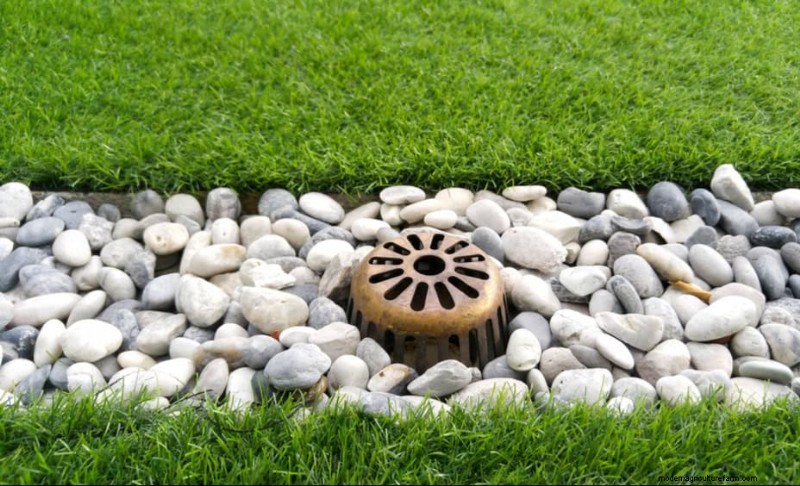
Are you struggling with a waterlogged garden? Too much moisture can lead to root rot and plant damage, but digging isn’t always the answer.
 Shutterstock
Excess water can suffocate plant roots, causing them to decay and fail to absorb nutrients. Poor drainage can also increase weeds and fungal diseases.
Fortunately, there are simple solutions to improve drainage without disturbing your garden structure. These techniques help excess water drain naturally, keeping your garden healthier and hassle-free.
 Shutterstock
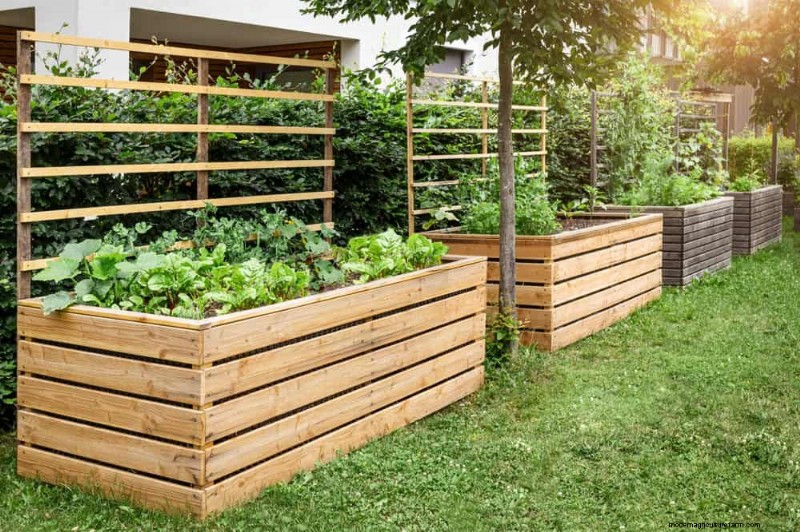
Elevating your planting area ensures better water flow and prevents roots from sitting in stagnant moisture. Raised beds allow for more control over soil composition, ensuring proper aeration and drainage.
They also prevent soil compaction, which can inhibit water movement and lead to pooling. Choosing well-draining soil mixtures further enhances the efficiency of raised beds.
 Shutterstock
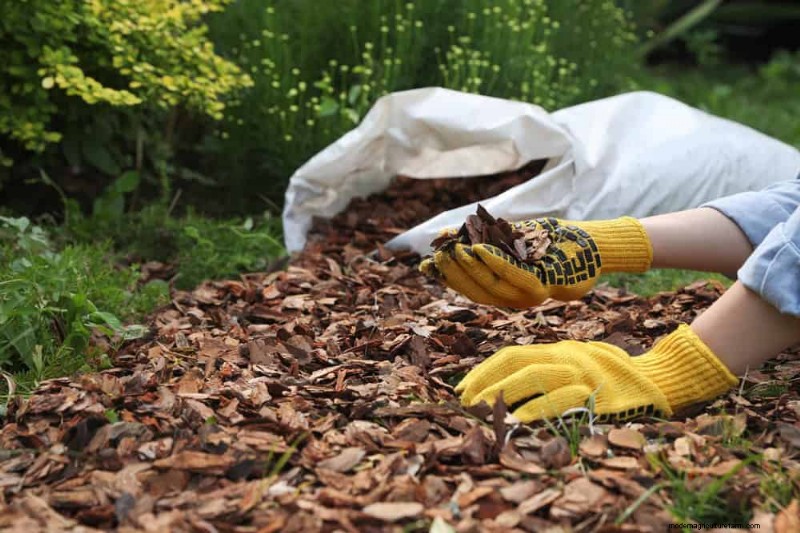
Mulch absorbs excess water, improves aeration, and stops soil from becoming compacted.
Organic mulch, such as wood chips, straw, or bark, helps retain moisture while allowing excess water to flow. It also prevents rain from directly hitting the soil surface, reducing runoff and soil erosion.
Over time, as mulch breaks down, it enriches the soil with organic matter, improving its texture and drainage.
Read more: Cover Crops Vs. Mulch: Which To Choose?
We'll email it to you so you can read it later!
By saving, you agree to receive occasional emails. Unsubscribe anytime.
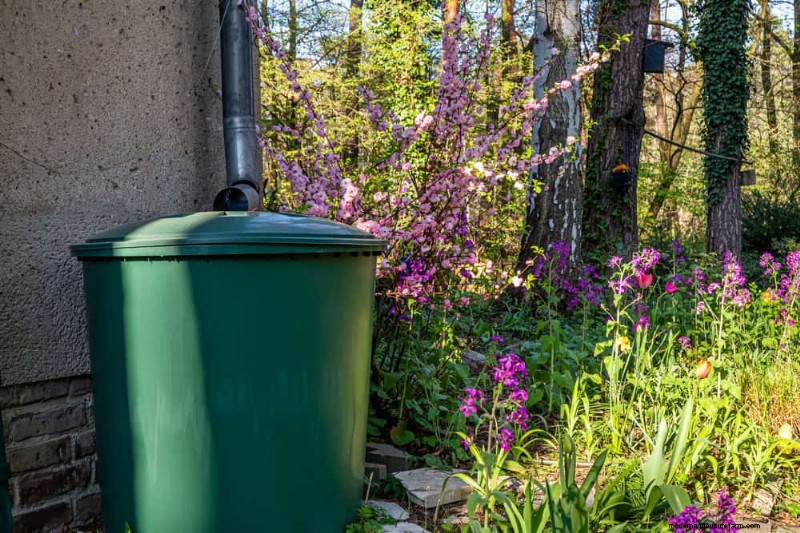
Collecting excess rain in a barrel reduces waterlogging and provides a sustainable watering source for dry spells. Rain barrels capture runoff from your roof, preventing it from flooding low-lying garden areas.
 Shutterstock
This stored water can be used during dry periods, reducing reliance on tap water. Installing a spigot at the bottom makes it easy to distribute water efficiently to your plants.
A properly positioned barrel with an overflow outlet ensures that excess water is redirected safely. This eco-friendly method helps regulate garden moisture levels while conserving water.
 Shutterstock
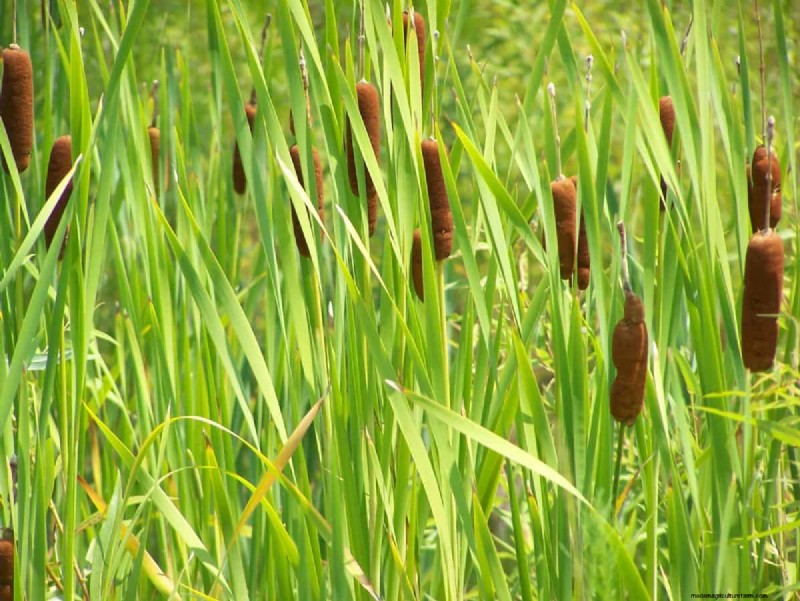
Grow species like ferns, irises, or cattails in areas prone to water buildup to naturally absorb excess moisture. Certain plants thrive in wet conditions and can help mitigate waterlogging by drawing in moisture through their roots.
Native wetland plants are especially effective at filtering and redirecting excess water. Add ornamental grasses such as switchgrass or sedges to enhance drainage.
These plants help stabilize the soil, preventing erosion caused by excessive moisture. Selecting the right plants ensures that soggy areas are transformed into thriving garden spaces.
See more: 11 Best Plants For Wet Clay Soil
 Shutterstock
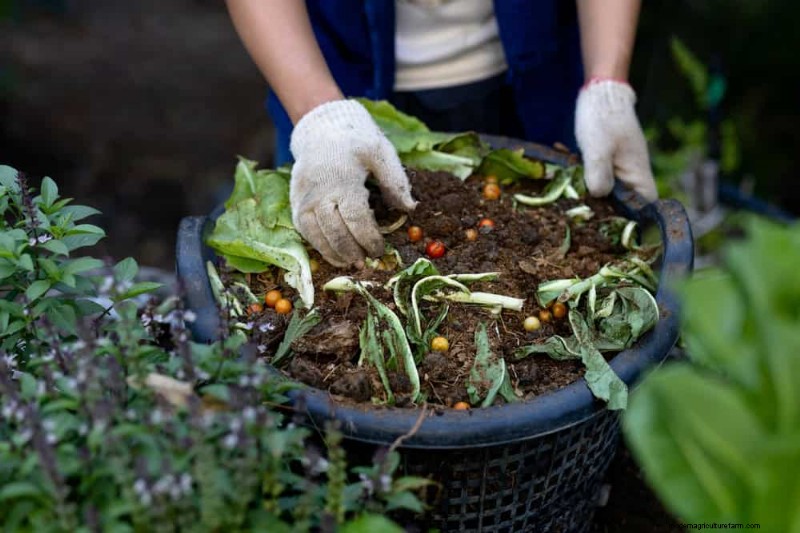
Adding organic matter helps break up compacted soil and allows water to pass through more easily.
Compost improves soil structure by increasing porosity and enhancing drainage while retaining necessary moisture. It encourages beneficial microbial activity that helps break down organic materials, enriching the soil.
Mixing compost into heavy clay soils prevents water from pooling on the surface. It helps retain moisture in sandy soils without making the ground too wet. Applying compost regularly promotes long-term soil health and better water movement.
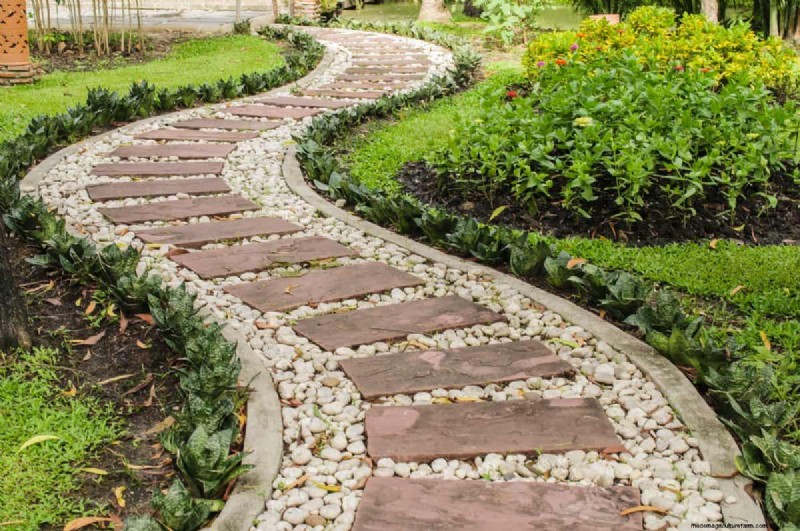
Swap solid surfaces for gravel, bricks, or permeable pavers to let water seep into the ground instead of pooling. Hard surfaces like concrete prevent water from being absorbed, leading to excessive runoff and potential flooding.
 Shutterstock
Permeable paving materials allow rainwater to infiltrate the soil, reducing surface water accumulation. Gravel pathways and stepping stones are excellent choices for high-traffic areas that still need effective drainage.
These materials also help reduce soil erosion by distributing water more evenly across the landscape. Choosing eco-friendly permeable solutions supports a healthier and more sustainable garden environment.
 Shutterstock
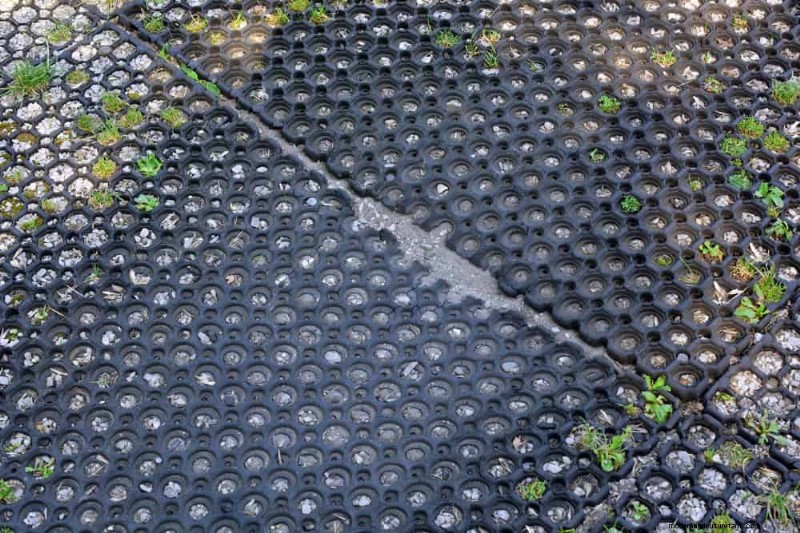
Lay perforated mats on the soil surface and cover them with mulch to help direct water away without excavation. These mats provide a simple way to improve drainage by channeling excess moisture to designated areas.
They work well in problem spots where standing water accumulates after heavy rainfall. They require minimal effort to install and maintain because they sit on top of the soil.
When combined with gravel or organic mulch, they create a well-draining environment for plant roots.
 Shutterstock
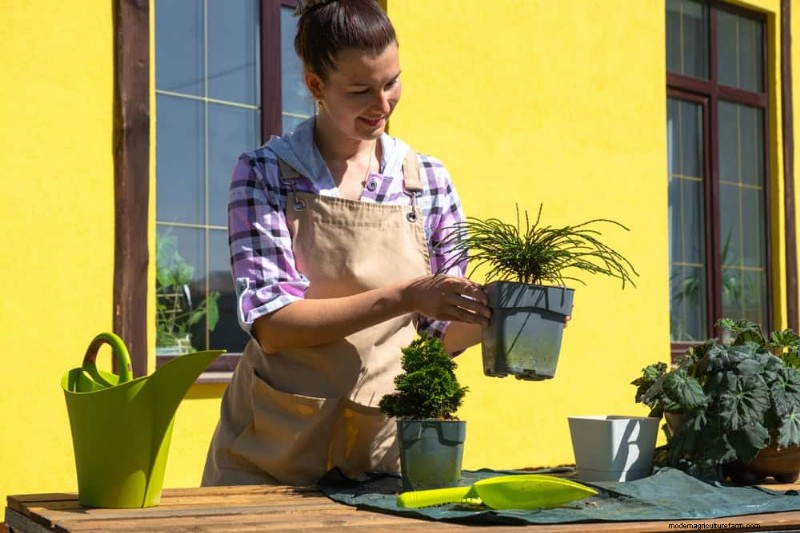
A drainage planter is a raised container that captures and slowly releases excess water. These planters prevent water from pooling in problem areas while supporting plant growth.
They are ideal for patios, decks, or low-lying spots where water tends to collect. Choosing plants with moderate water needs ensures that the container is not saturated.
Layering gravel or sand at the bottom further enhances drainage. This method keeps water away from sensitive garden areas while adding an attractive feature to your landscape.
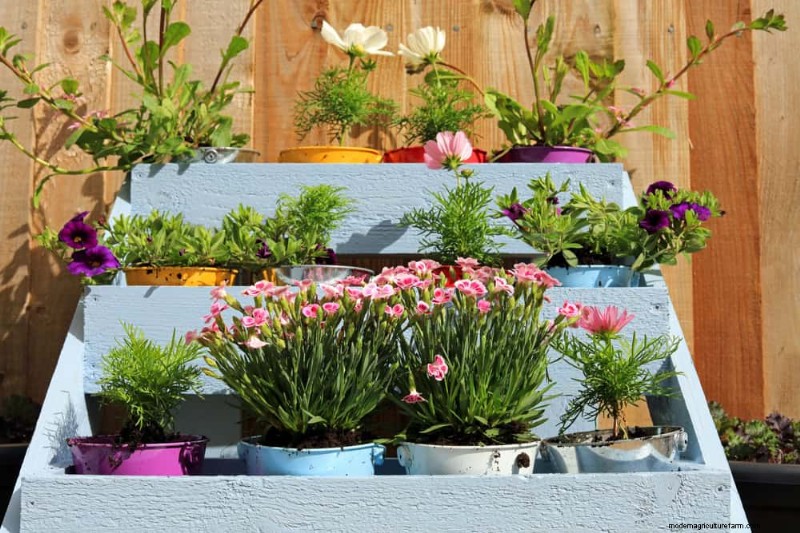
Elevating container plants keeps excess water from gathering underneath them and improves drainage. Sturdy stands or plant risers ensure that pots are not sitting directly on a flat surface, preventing water from stagnating at the bottom.
 Shutterstock
Proper elevation also helps air circulate around plant roots, reducing the risk of fungal infections. Choosing containers with drainage holes further enhances moisture control.
Elevation allows for better root growth by preventing water from pooling at the base. This simple technique prevents root rot and extends the lifespan of potted plants.
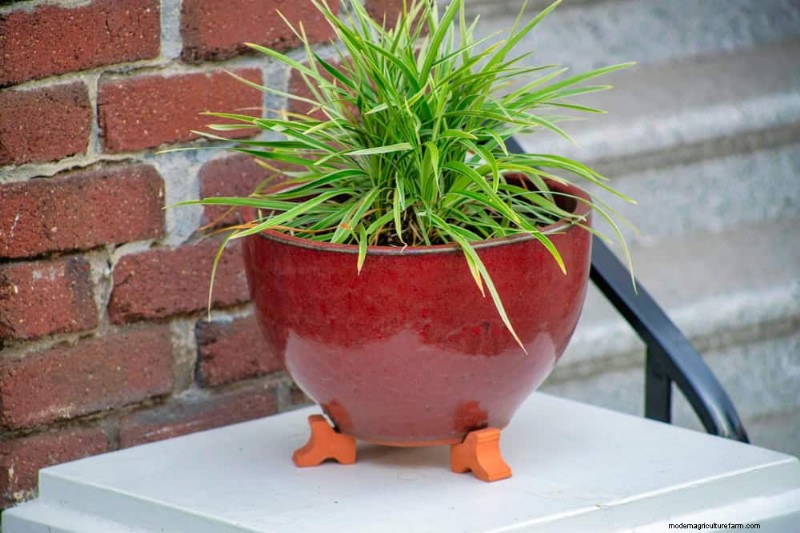
Raising garden containers on pot feet or bricks lets water drain more effectively, avoiding soggy soil. Pot risers create a small gap between the pot and the ground, allowing excess water to escape.
 Shutterstock
This prevents roots from sitting in stagnant moisture, which can lead to disease and decay. Pot risers also prevent surfaces like patios or decks from developing water stains caused by drainage overflow.
They improve air circulation under pots, which can help regulate soil temperature. Using pot risers ensures that plant roots remain healthy and properly aerated.
Ensuring that downspouts direct water away from flower beds prevents oversaturation. Use downspout extensions or splash blocks to carry excess water further from your garden.
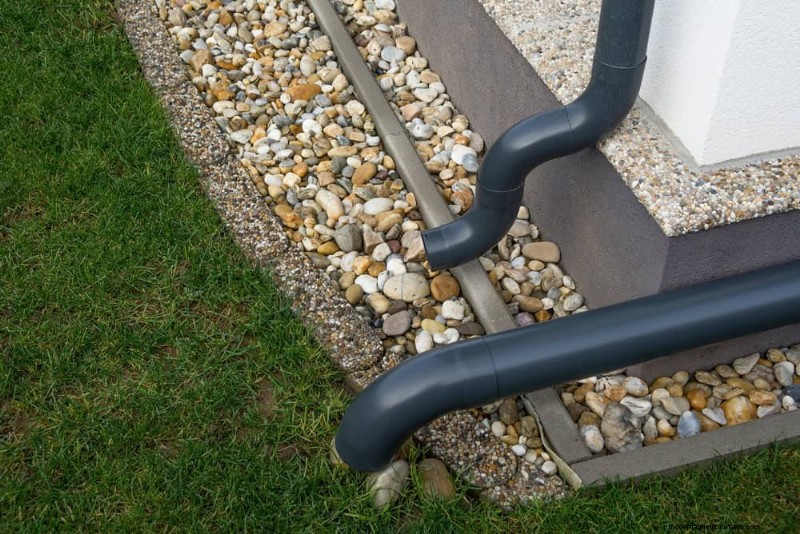 Shutterstock
Positioning the outlet on a slope helps distribute water more evenly. You can also attach a rain chain to slow water flow and reduce soil erosion.
Checking for clogs in gutters regularly ensures proper drainage. This simple adjustment protects plant roots from drowning.
Click here for more home maintenance tasks that take minutes and can save you thousands a year
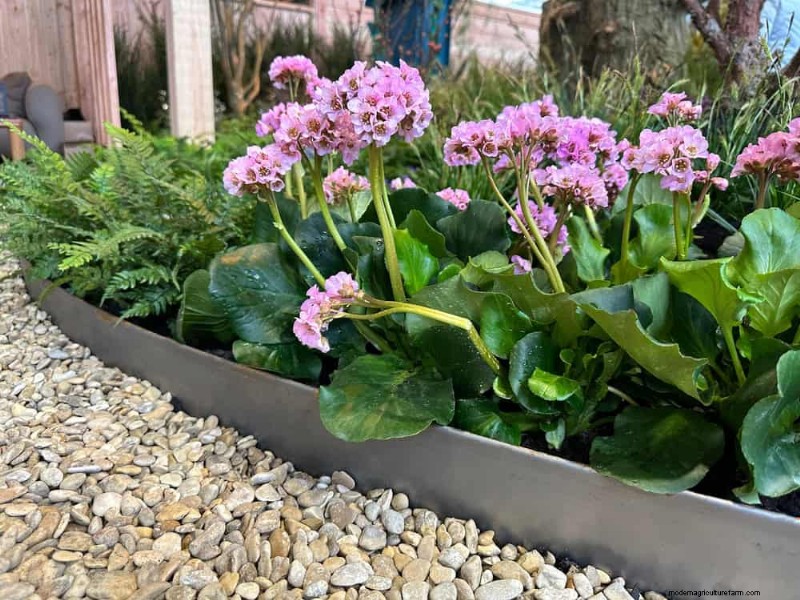
Adding a thin layer of gravel on the soil surface improves water dispersion. Gravel helps break up compacted areas and prevent pooling.
 Shutterstock
This method works particularly well in pathways or around plants prone to waterlogging. Decorative pebbles can also enhance the garden’s appearance while serving a functional purpose.
Mixing gravel with sandy soil improves drainage further. A small amount of gravel in potted plants helps water exit more efficiently.
 Shutterstock
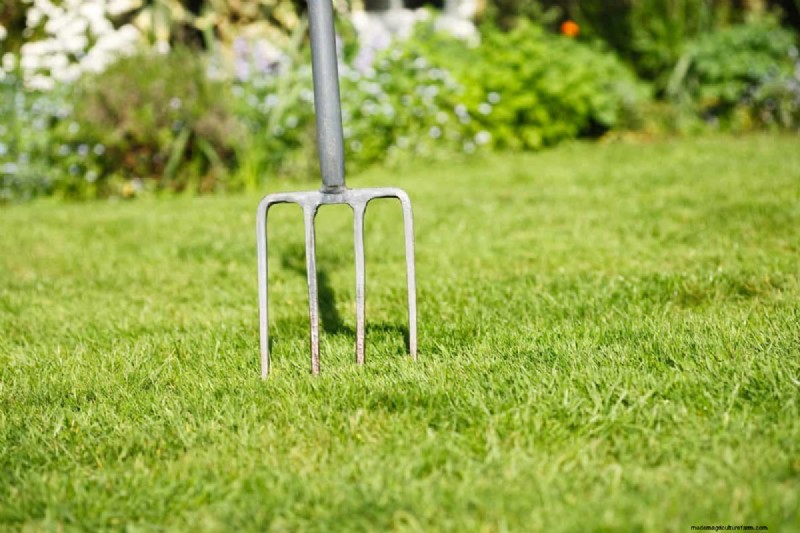
Poking holes into compacted lawn areas allows water to move freely. A garden fork can create openings for air and moisture penetration without disrupting grassroots.
Aerating the soil this way prevents puddles and soggy patches. Doing this before a rainstorm helps excess water drain efficiently. This method is especially useful for high-traffic areas.
 Shutterstock
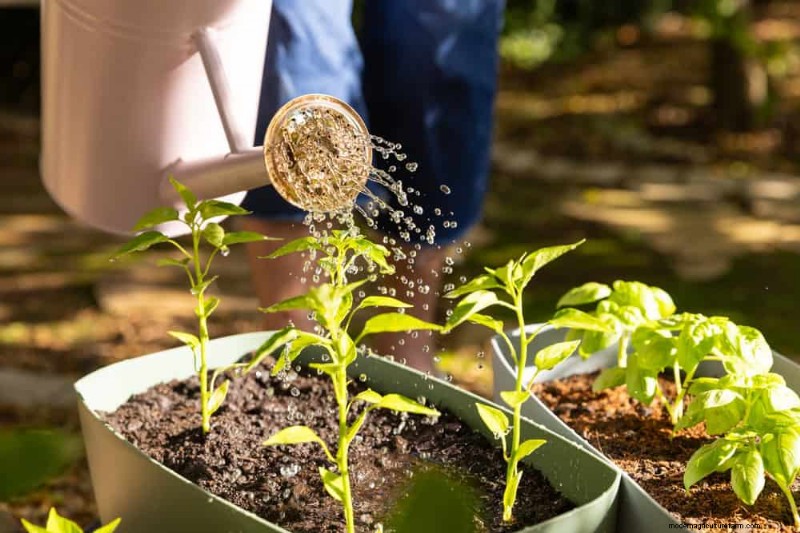
Overwatering is one of the leading causes of poor drainage. Checking soil moisture before watering prevents unnecessary saturation. Using a moisture meter ensures plants receive only the water they need.
Watering in the morning allows excess moisture to evaporate throughout the day. Deep watering less frequently encourages stronger root growth and better absorption. Smart irrigation techniques create a balanced and healthier garden environment.
 Shutterstock
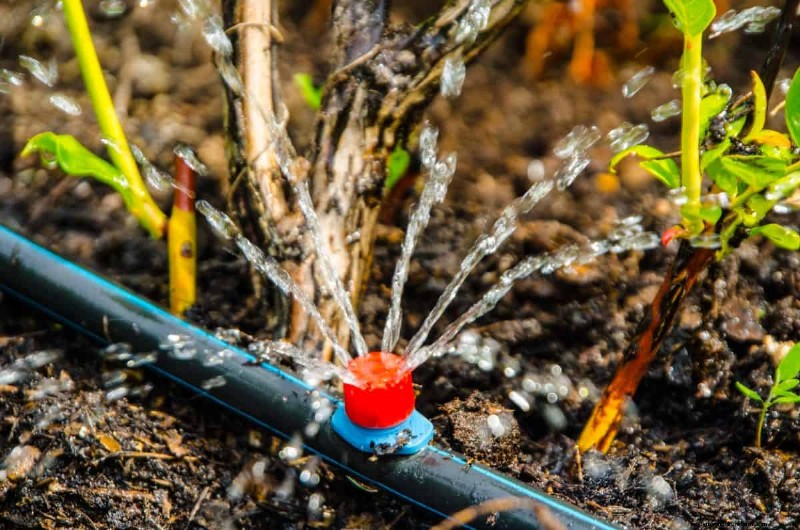
Unlike sprinklers, a drip irrigation system delivers water directly to the roots, minimizing runoff and preventing overwatering. Installing a simple drip system improves efficiency and water conservation.
These systems can be connected to rain barrels for sustainable gardening. Using timers ensures plants receive the right amount of moisture at optimal times. Drip irrigation enhances soil structure while preventing erosion and nutrient loss.
 Shutterstock
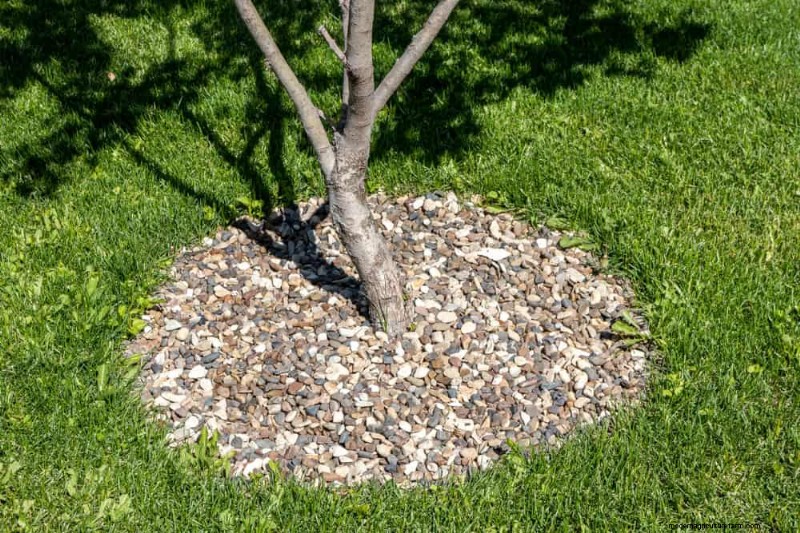
Pebbles around plants prevent soil from retaining too much moisture. They create gaps that allow water to move through more efficiently. Decorative pebbles also help suppress weeds and reduce surface runoff.
Using different-sized stones enhances both aesthetics and functionality. Layering pebbles over sandy or gravel-rich soil further improves drainage.
 Shutterstock
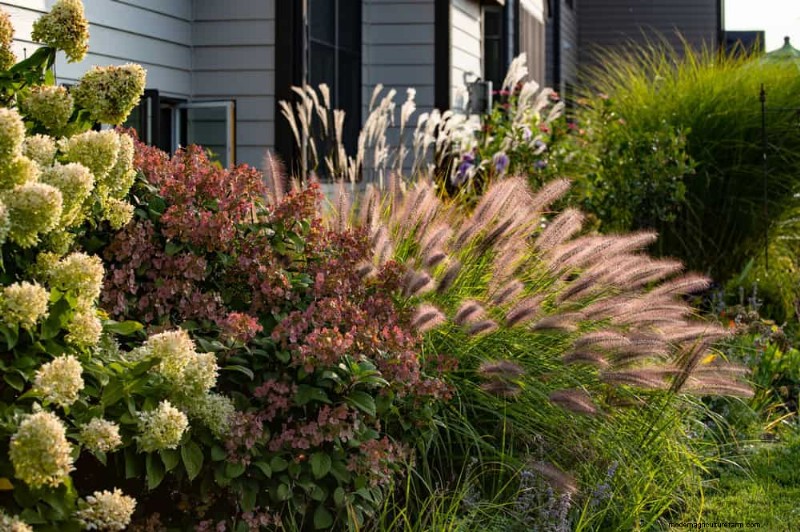
Plants with strong, deep roots help break up compacted soil naturally. Their root systems create pathways for water to move downward. Some deep-rooted plants include ornamental grasses, wildflowers, and shrubs.
Choosing native species ensures they thrive in local conditions. Over time, deep-rooted plants enhance the overall drainage system of your garden.
Read more: 21 Native Midwest Wildflowers That Practically Grow Themselves
 Shutterstock
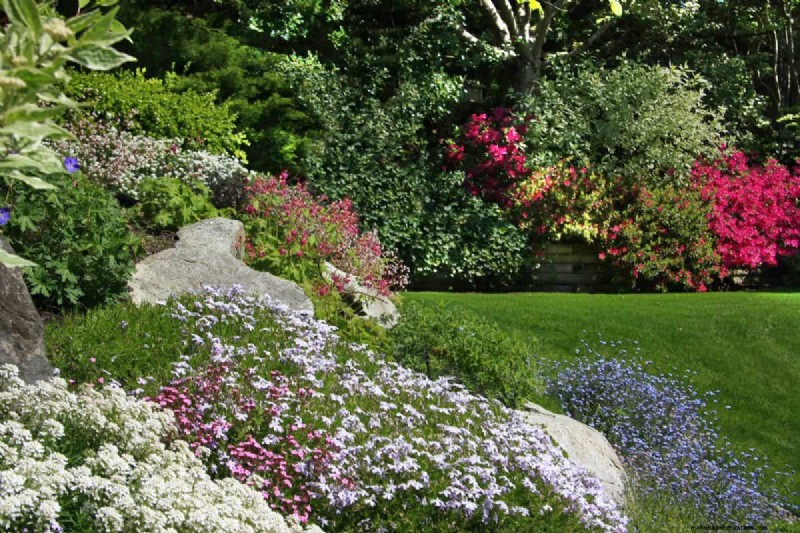
Slightly sloping garden beds encourage excess water to drain properly. Positioning beds at a natural incline prevents pooling around plant roots. Adjusting soil levels by raising one side enhances drainage.
Water will flow downward instead of stagnating in low spots. This technique is especially useful for gardens prone to frequent rain. Properly angled beds maintain a balanced moisture level for plants.
 Shutterstock
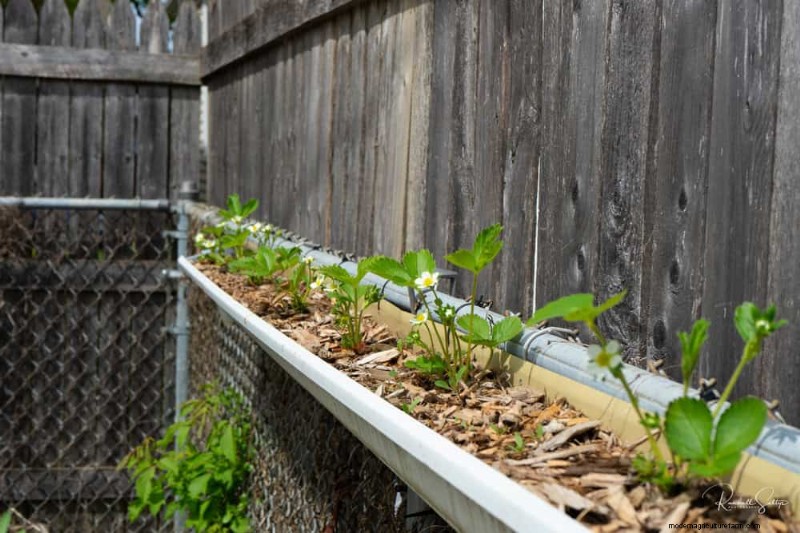
Repurposing old gutters as planters improves drainage and prevents soil saturation. Mounted gutter planters allow excess water to drain freely.
Placing them on fences or walls saves space while enhancing your garden’s look. Small drainage holes ensure proper moisture levels for plants.
 Shutterstock
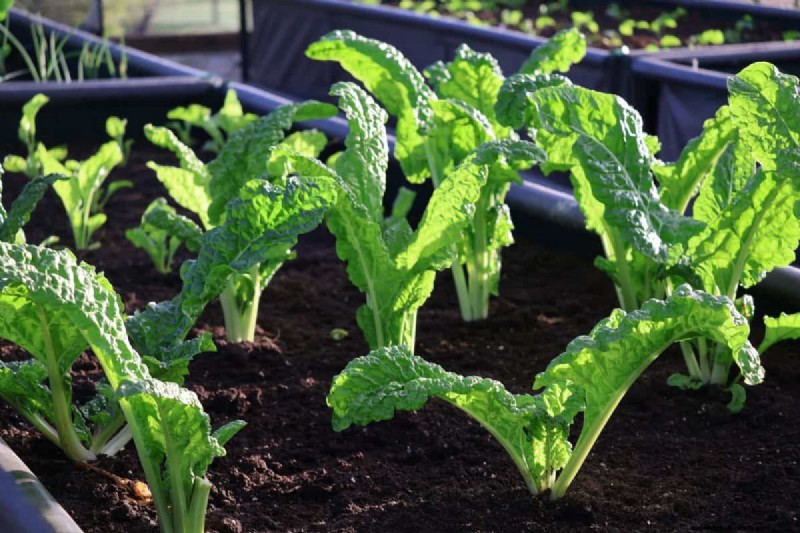
A wicking bed provides controlled moisture for plants by using a water reservoir system beneath the soil. Unlike standard raised beds, it allows plants to absorb water from below, preventing oversaturation and drought stress.
Capillary action ensures they take in only what they need, reducing manual watering efforts and conserving water. A wicker-style raised bed can incorporate this system while also allowing for natural aeration, creating a self-sustaining, well-drained environment with a unique aesthetic.
 Shutterstock
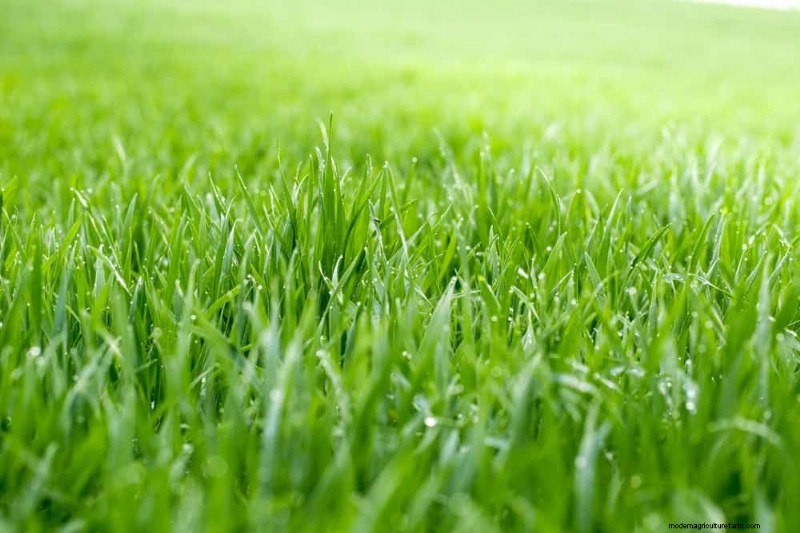
A dense, healthy lawn acts as a natural sponge, absorbing rainwater efficiently. Regular mowing, fertilizing, and aerating help grass stay resilient against excess moisture.
A well-maintained lawn prevents soil erosion and runoff. Choosing the right grass variety ensures better adaptability to local conditions. Proper lawn care reduces bare patches where water might accumulate.
 Shutterstock
Using these no-dig drainage solutions lets you keep your garden healthy and free from excess moisture. These methods improve soil quality, reduce erosion, and support sustainable gardening.
Choosing the right plants, adding organic matter, and making small surface adjustments all help with drainage. Addressing water buildup early prevents plant stress and root diseases. With these simple strategies, your garden can thrive in any weather.
Discover the best plants to solve your yard’s drainage issues; check out this guide:
The 15 Best Plants for Fixing Drainage Problems in Your Yard