
Welcome to Modern Agriculture!

Plants that are susceptible to vine weevils include:
Vine weevils can attack many other plants, so it’s important to be vigilant and monitor your plants for signs of damage.
Now that you know which plants are most vulnerable to vine weevils, you may be wondering how to detect if your plants have been affected. Continue reading as we explore the signs of vine weevil infestation and how to address it properly.
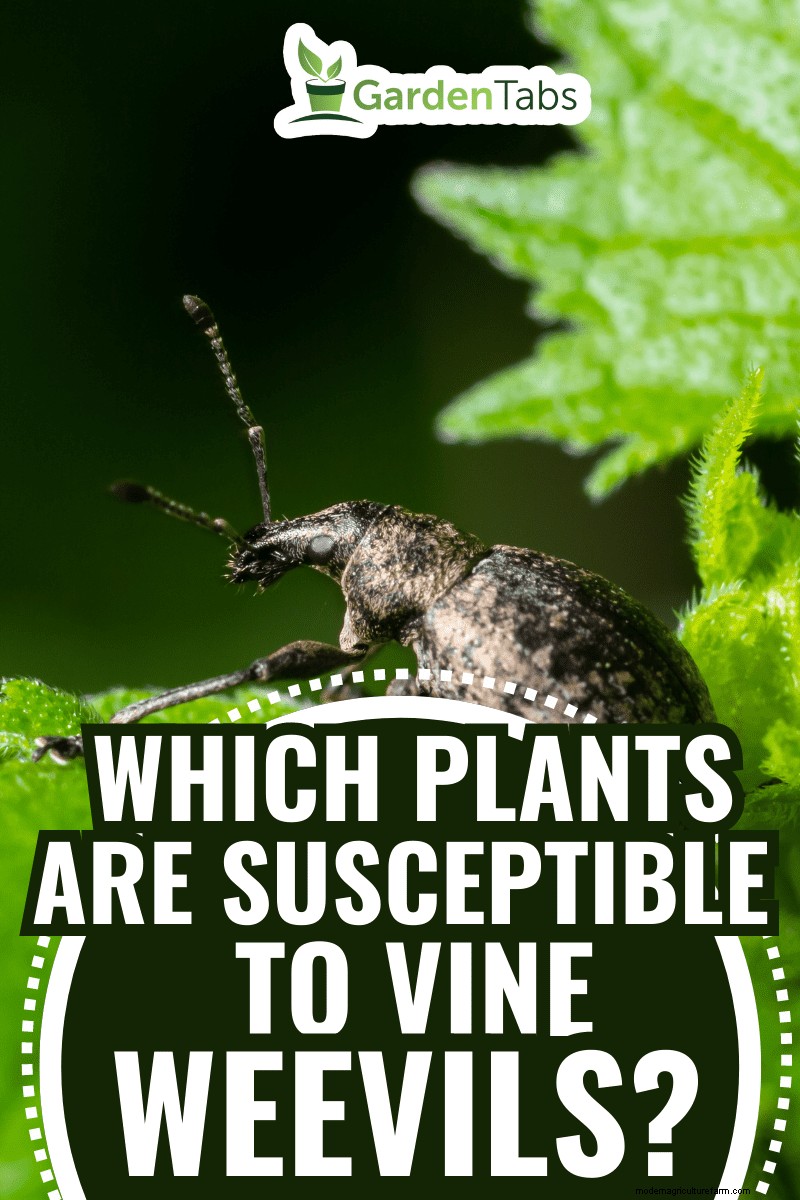
Vine weevil, also known as Otiorhynchus sulcatus, is a common garden pest that primarily targets ornamental plants but can also attack vegetables and fruits.
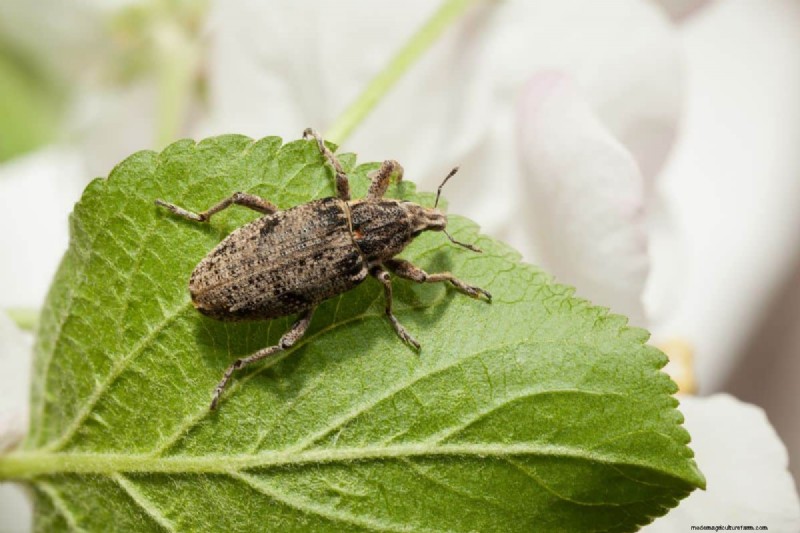
This small beetle has a distinctive body shape, with a broad, oval-shaped body and a short snout. Adult vine weevils are typically brownish-black in color and measure between 8 and 12 millimeters in length.
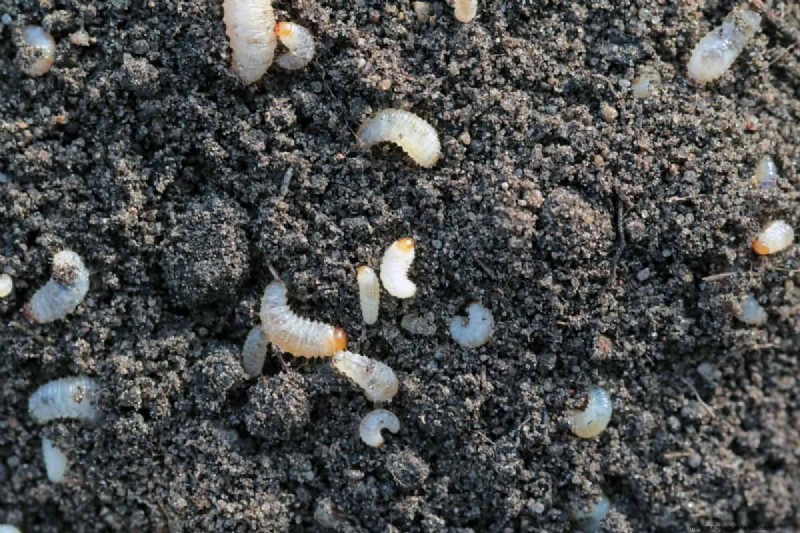
Vine weevil larvae are the most damaging stage of this pest. Larvae feed on the roots of plants, which can ultimately lead to plant death. The larvae have a white, C-shaped body with a brown head, and can grow up to 10 millimeters in length.
They are most active in the soil during the autumn and winter months. Additionally, vine weevils are known for their ability to survive and thrive in a variety of conditions, making them a difficult pest to control.
They can lay their eggs in soil or potting mix, and their larvae can survive in soil for up to three years. This lifespan makes it easy for them to infest plants repeatedly.
Furthermore, adult vine weevils can fly and can travel long distances, allowing them to easily spread to new areas. To control vine weevils, you should identify the infestation early and take appropriate action.
Learn more from our blog post, Are Black Vine Weevils Harmful?
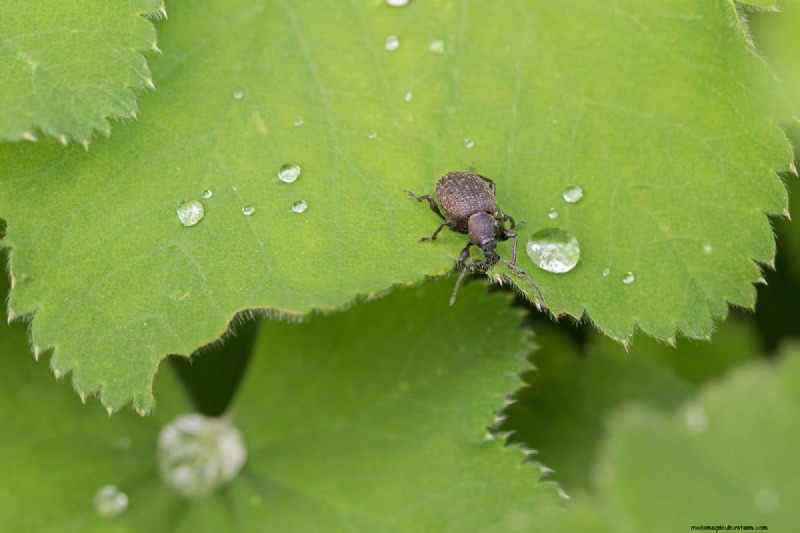
Vine weevils are known for feeding on the roots and leaves of a variety of plants. They are a major threat to gardens, nurseries, and other plant-based environments.
Some plants are more susceptible to vine weevils. In general, plants with softer, more succulent leaves may be more attractive to vine weevil. These types of leaves provide a more favorable environment for the pests to feed and breed.
Almost all plants can be at risk of vine weevil damage. Plants can become susceptible to vine weevils for several reasons.
One of the main factors is the quality of the soil. If the soil lacks nutrients or is too dry, the plant may be weaker and more vulnerable to vine weevil attacks.
Similarly, if the soil is too wet, the plant may suffer from root rot, which weakens the plant and makes it easier for vine weevil to attack.
Additionally, plants that are already stressed or damaged, perhaps from environmental factors such as frost or drought, are more likely to be targeted by vine weevils.
Another important factor is the age of the plant. Young plants with smaller root systems are more susceptible to vine weevil damage than older, more established plants with larger root systems.
This is because vine weevils target the roots of plants, and a larger root system is more able to withstand the damage caused by the pests.
Furthermore, plants that are grown in pots or containers are more susceptible to vine weevil damage as they are confined to a smaller space. The lack of space makes it easier for vine weevils to spread and cause damage.
We'll email it to you so you can read it later!
By saving, you agree to receive occasional emails. Unsubscribe anytime.
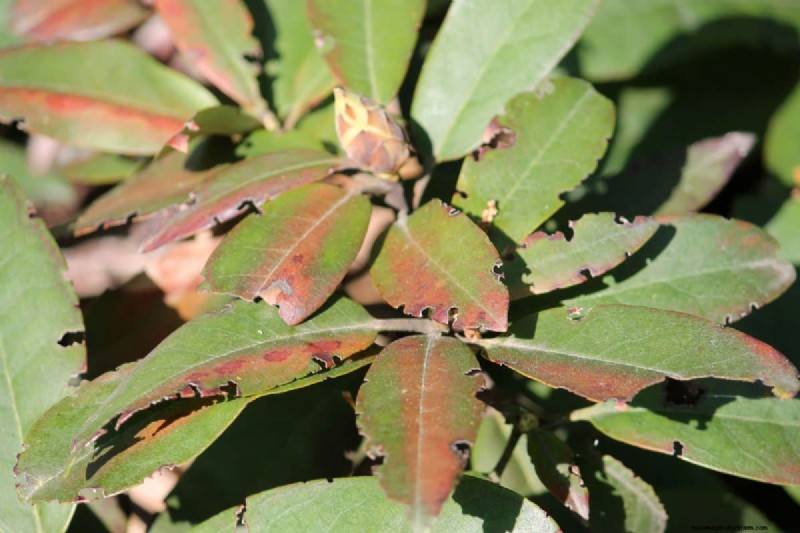
Vine weevils can potentially cause severe damage to your plants. The adults are easy to spot as they are large, black or brown, and have a distinctive snout.
However, it is the larvae that you should worry about, as they feed on the roots of plants and can cause wilting and death. So, how can you tell if your plants have vine weevil?
One of the most significant signs is if your plants suddenly start to wilt or look unhealthy, despite being watered and cared for. This can be a result of the larvae damaging the roots and causing the plant to become stressed.
Another sign is if you notice small, irregular holes in the leaves of your plants. This can be an indication of adult vine weevils feeding on the leaves at night.
If you suspect that your plants have vine weevil, you can perform a simple test. Take the plant out of its pot and check the roots. If you see white, C-shaped grubs, then your plant has vine weevil larvae.
You may also notice that the roots have been eaten away, and there may be fewer roots than usual. If you have identified vine weevil in your plants, there are several steps you can take to control the infestation.
If you have confirmed the presence of vine weevils among your plants, you will need to take action to eliminate them. Luckily, there are a few ways to tackle this type of infestation.
First, nematodes are tiny, parasitic worms that can be used to control vine weevils. They are a natural and environmentally friendly option.
Once in the soil, the nematodes will seek out and attack the larvae of the vine weevil, effectively eliminating the pest population. It is important to follow the instructions carefully when using nematodes, as they require specific environmental conditions to be effective.
Second, insecticides that are formulated specifically for vine weevils can also be an effective method of control. These can be applied to the soil or directly to the plant foliage, depending on the product.
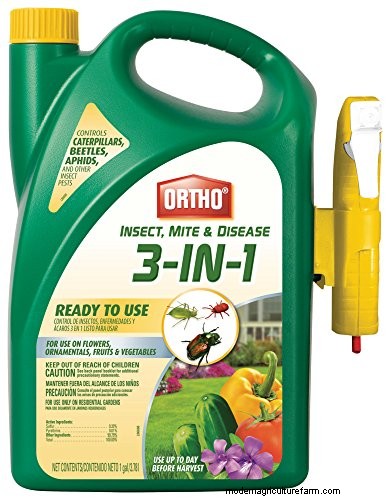
You can find insecticide here on Amazon.
Last, prevention is key when it comes to controlling vine weevils. Removing any dead plant material or debris from your garden can help eliminate potential breeding sites for the pests.
Additionally, avoiding over-watering your plants can help create an environment that is less hospitable to vine weevil larvae. Ensuring that your plants are healthy and well-maintained can also help reduce the risk of infestation.
Next, If you have potted plants, you can submerge the bottom part of the plant in a bucket of water for several hours or overnight, which should drown the larvae.
Learn more from our blog post, Can I Drown Vine Weevil Grubs?
By combining these methods of control and prevention, you can effectively manage a vine weevil infestation and protect your garden from further damage.


![Top Garden Planner: Streamline Your Gardening Year | [Year]](https://modernagriculturefarm.com/article/uploadfiles/202203/2022031510364829_S.jpg)