Welcome to Modern Agriculture!

You probably have a 5-gallon bucket handy; it’s a convenient measuring and transporting device. The standard volume needed to complete most projects is expressed in cubic yards. We have researched the correlation between using a 5-gallon bucket to determine how many loads of soil, gravel, sand, or mulch it would take to fill 1 cubic yard (or a portion thereof).
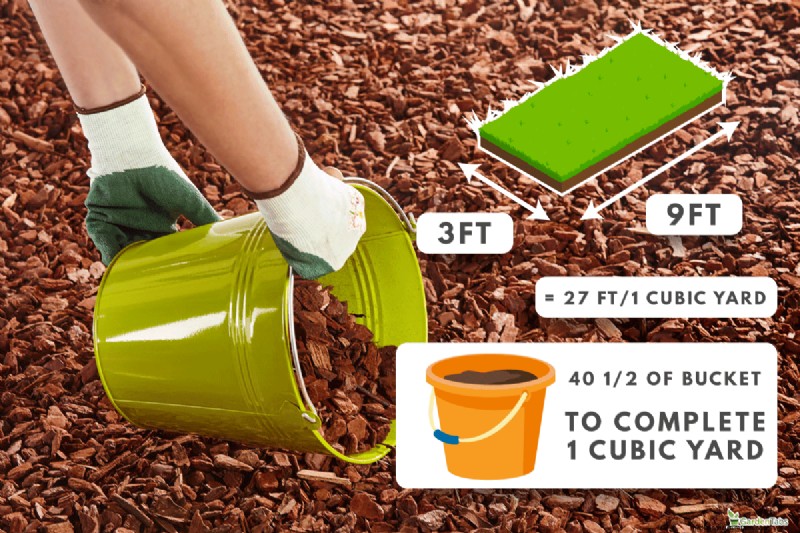
There are 202 gallons in 1 cubic yard or 27 cubic feet. If you completely fill a 5-gallon bucket with soil, gravel, sand, or mulch, it would take about 40 1/2 loads to complete 1 cubic yard (202/5=40.4).
To simplify the computations, 1 cubic yard can be converted to 27 cubic feet. This measurement of volume would be used as the standard for the rest of the text. Read on and find ways to calculate the amount of material you need to complete specific projects and undertakings.
Before we discuss the practical application of using a 5-gallon bucket to determine the amount of soil, gravel, sand, or mulch needed for various tasks, here are some conversions included in the article.
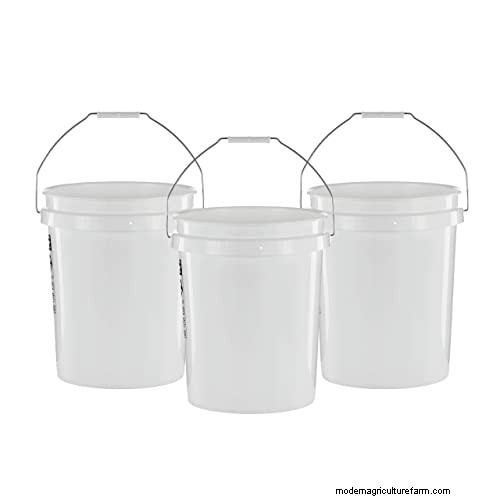
Check out United Solutions 5 Gallon Heavy Duty Bucket on Amazon.
It would be important to note that realistically, you would not fill a 5-gallon bucket to the brim when transporting materials. The weight of sand, gravel, and soil as well as the possibility of spilling, has to be considered.
That being said, the actual bucket volume can be reduced to a more manageable 4-pound capacity. With this adjustment, there will be a variation in the number of loads necessary to fill 1 cubic yard or 27 cubic feet.
It would take approximately 50 buckets to fill 1 cubic yard or 27 cubic feet
If you want to lessen the number of loads and consequent trips, you can simply fill the bucket with a little more material and adjust the capacity to 4.5 gallons.
With a 4.5-gallon capacity, it would take about 45 buckets
We have established that depending on your preferred capacity, it would take 45 to 50 bucket loads to fill 1 cubic yard or 27 cubic feet of soil. We have also determined that 1 cubic foot contains 7.5 gallons and the adjusted standard capacity of your bucket is 4 gallons.
The following section gives a few illustrations of the practical application of the above conversions and measurements.
We'll email it to you so you can read it later!
By saving, you agree to receive occasional emails. Unsubscribe anytime.
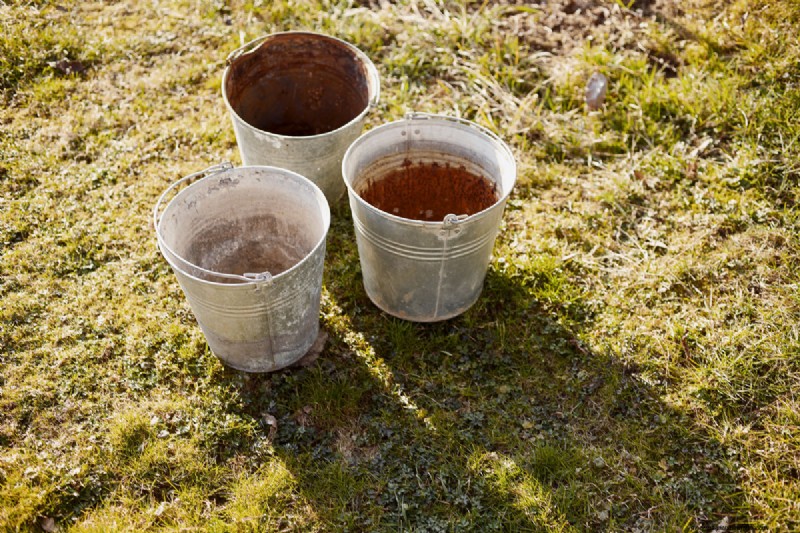
The same conversions apply to soil and gravel and would be the reference in the following illustrations: 1 cubic foot = 7.5 gallons and the bucket capacity is at 4 gallons.
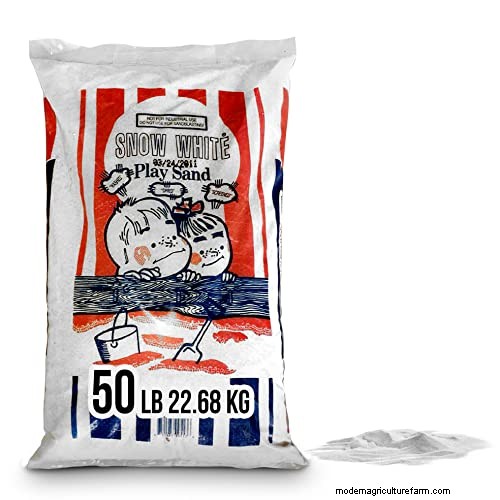
Check out Premium 50 Pounds Play Sand on Amazon.
Sand and gravel measurements usually apply to preparing concrete. The succeeding illustrations incorporate their use as aggregates. But first, there are a few additional conversions to consider:
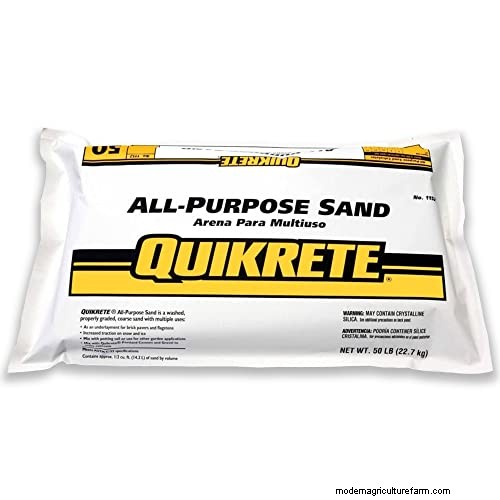
Check out Quikrete 50lb Coarse Sand on Amazon.
You will need the following conversions to figure out how much sand and gravel is needed:

Check out Lightweight Concrete Mix on Amazon.
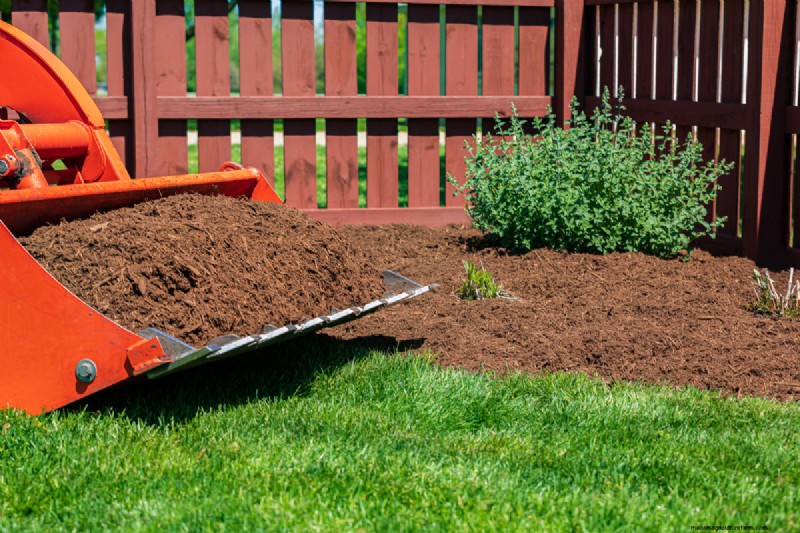
The computation for mulch is less exact and more varied since there are several materials applied to amend the soil. Inasmuch as our standard of 45 to 50 buckets would cover a cubic yard or 27 cubic feet of volume is close to accurate, the relative weight poses too many variables.
To simplify, mulch is usually sold in cubic yards or in bags that contain 2 cubic feet of the material. Either way, it would be advisable to know the general measurement of the area it has to be applied on.
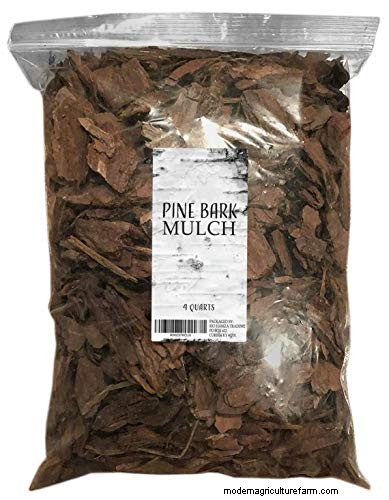
Check out Natural Pine Bark Mulch on Amazon.
Again, it would be more practical to set actual illustrations to appreciate the applications we have discussed so far.
Given the same area and specifications, how many bags of 2-cubic foot mulch do you need?
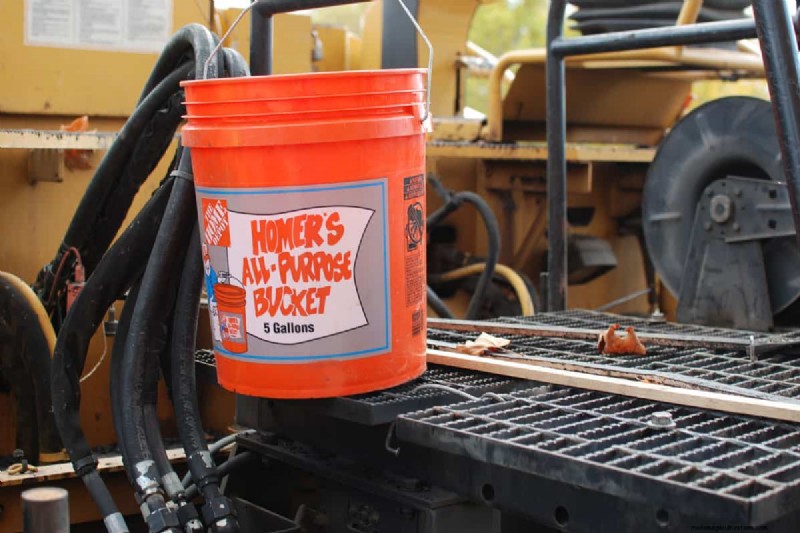
Water, paint, mixed concrete, and other compounds and substances can be accurately measured and transported with a 5-gallon bucket. It provides a standard medium by which you could estimate the amount needed to finish a task or landscaping project.
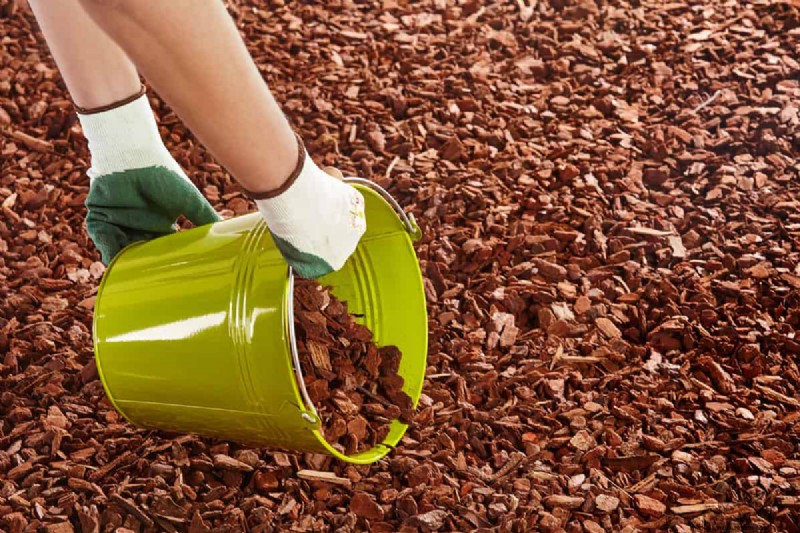
It would take about 45 to 50 loads of a 5-gallon bucket, not filled to capacity, to complete a cubic yard or 27 cubic feet of necessary volume of soil, sand, gravel, and mulch. The actual number may vary slightly depending on how you utilize the available and workable of dimensions your container.
We hope the article proved instrumental as to how you would plan and compute for actual measurements you require.
You might also find these topics helpful:
How Many Wheelbarrows Are In A Yard Of Concrete?
How Much Does A Yard Of Mulch Weigh?