Welcome to Modern Agriculture!

Mothballs are a popular way to deter animals and pests, but are they safe for your garden? Luckily, we did some research to learn more about mothballs and the best pesticides for your garden.
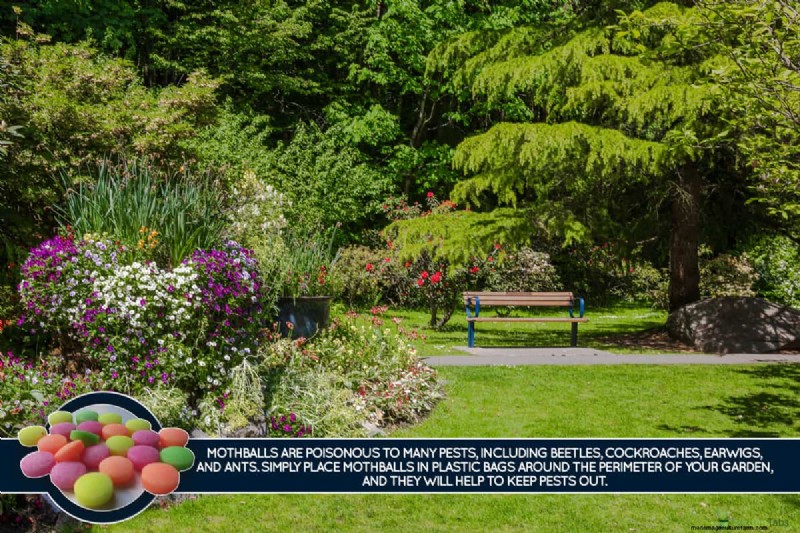
Mothballs are poisonous to many pests, including beetles, cockroaches, earwigs, and ants. Simply place mothballs in plastic bags around the perimeter of your garden, and they will help to keep pests out.
However, using mothballs with caution or using other pesticides instead is important. Here are some reasons why:
In this post, we’ll explore more about mothballs and whether or not it’s a safe option for your garden. We’ll also share some other tips for pest control. Keep reading to learn more!
Mothballs are a common household item that can also be useful in the garden. They are most commonly used to keep moths from damaging clothing, but they can also be used outdoors to keep other pests away from plants.
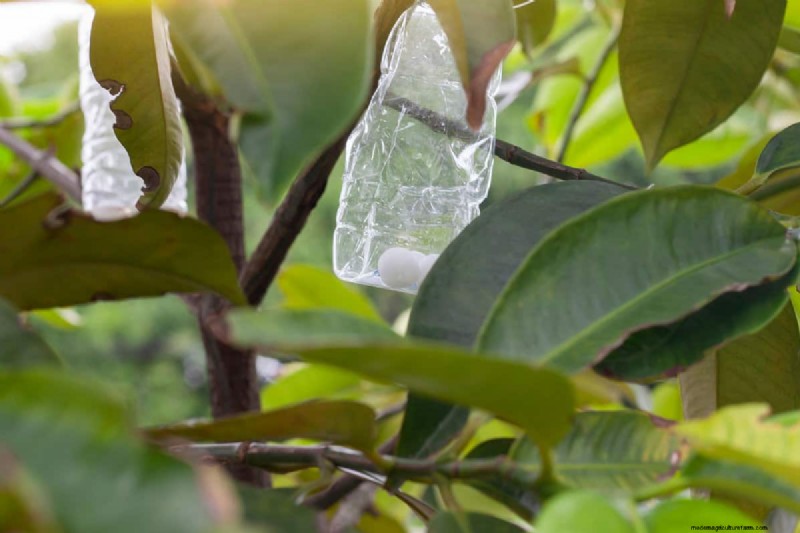
The best way to use mothballs in the garden is to put the plant in a transparent plastic bag, like a cleaning bag. Then, add a few mothballs, and seal it for a week. This will create an aroma that will deter pests without harming the plant.
Additionally, mothballs can be placed around the garden’s perimeter, near areas where pests are likely to enter.
Mothballs will release a gas that will kill any pests that come into contact with it. The gas is also effective at repelling pests, so they will not enter the garden in the first place.
However, it is important to be careful when using mothballs, as they can be harmful to pets and children if mishandled. When used correctly, mothballs can be a helpful tool in keeping your garden free of pests.
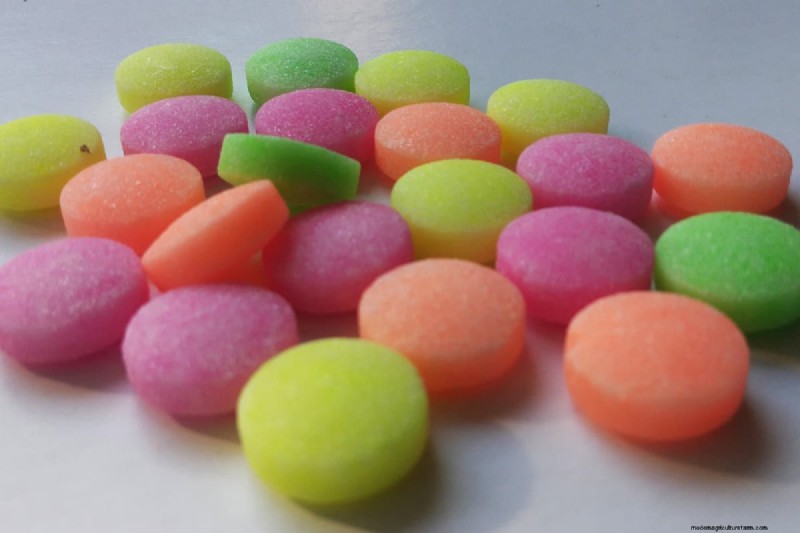
Mothballs are small balls of chemical pesticide that emit a strong, pungent odor. When mothballs are placed in an area, animals will be deterred by the smell and stay away. This makes them an effective way to keep animals out of gardens.
Mothballs are also effective at deterring insects, making them a versatile tool for pest control.
We'll email it to you so you can read it later!
By saving, you agree to receive occasional emails. Unsubscribe anytime.
When mothballs get wet, the chemicals inside them can become airborne, increasing the risk of inhalation or ingestion. The water also dissolves the waxy coating that protects the mothballs from evaporation, causing the odor to be more potent and sublimation to be more rapid.
As a result, it is important to keep mothballs dry and out of reach of children and pets.
Mothballs are made of naphthalene, which is a white crystalline substance that vaporizes slowly. As the naphthalene vaporizes, it enters the air and repels pests.
But when mothballs are exposed to sunlight or high temperatures, the naphthalene vaporizes more quickly, making the mothballs less effective. In addition, rain and snow can also cause mothballs to dissolve more quickly.
As a result, mothballs should be placed in a dry, well-ventilated area if you want them to last as long as possible.
Mothballs are commonly used to repel pests, but they come with several dangers.
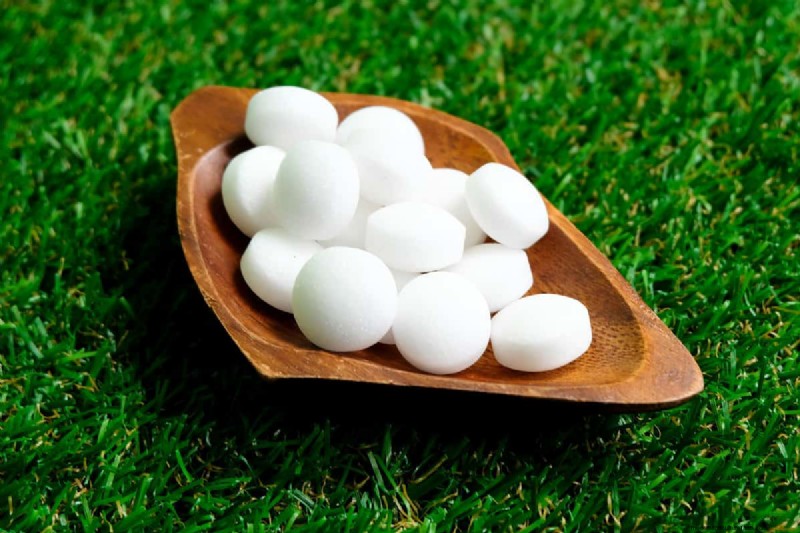
While mothballs are not fully toxic to plants, they can damage or kill them if they come into direct contact with the chemical. In addition, the fumes released by mothballs can be harmful to both plants and animals.
If you must use mothballs in your garden, be sure to keep them away from any areas where you are growing vegetables.
If you are looking for ways to reduce your reliance on pesticides, here are eight alternatives that you can try:
Ladybugs, lacewings, and other beneficial insects can help to keep garden pests in check. You can attract these helpful critters by planting a variety of flowers that bloom at different times of the year.
There are a variety of traps that you can use to capture or kill garden pests. One option is to set up sticky traps. These are small pieces of cardboard or paper that are coated with a sticky substance.
Pests will be attracted to the trap and will get stuck when they try to land on it. Yellow sticky traps can be used to capture aphids, whiteflies, and other small insects.
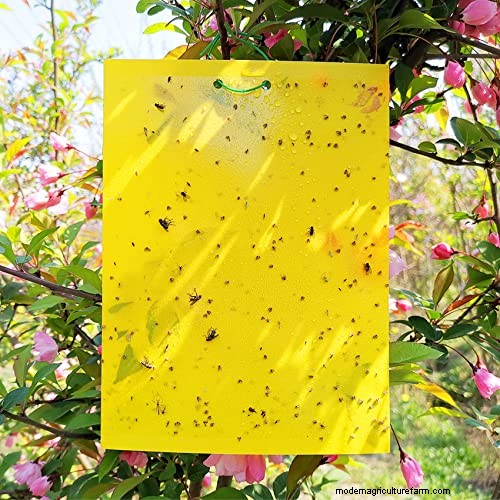
View indoor and outdoor sticky traps on Amazon.
Another option is to use bait traps. These are similar to sticky traps, but they also contain bait that will lure pests into the trap. Once the pest has entered the trap, it will be unable to escape.
Crop rotation is a great way to reduce the population of garden pests. By growing different crops in different areas of your garden each year, you will make it more difficult for pests to find their preferred food source.
There are a number of recipes for homemade pesticides that you can try. These recipes usually call for ingredients like soap, oil, or herbs.
Birds, reptiles, and other predators can help to keep garden pests in check. You can attract these animals by providing food and shelter in your garden.
This may seem like a lot of work, but it is actually an effective way to reduce the population of garden pests. Simply remove any bugs that you see from your plants and dispose of them properly.
Additionally, you can use physical barriers such as screen doors or netting to keep pests from getting into the garden in the first place. By taking a few simple precautions, you can dramatically reduce the risk of pest damage in your garden.
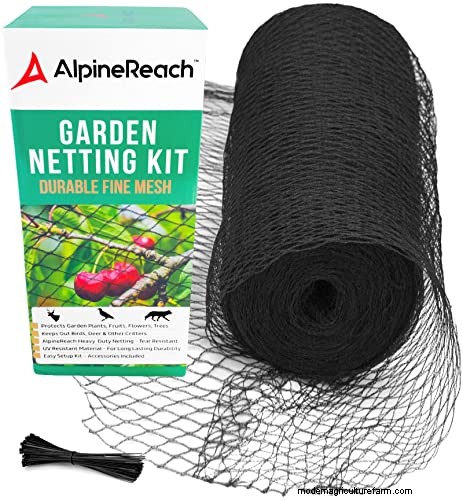
Check garden netting kit on Amazon.
One of the most effective methods is to choose plants that are naturally resistant to pests. Many species of plants have evolved to deter pests, and by planting these species in your garden, you can help to keep pests at bay.
Anyone who has ever attempted to deter pests knows that it can be a difficult task. There are a wide variety of chemicals that can be used, but many of them are harsh and potentially harmful.
Fortunately, there are a number of plants that can serve as effective natural deterrents.
By planting these and other pest-resistant plants, it is possible to create an effective barrier against many common pests.
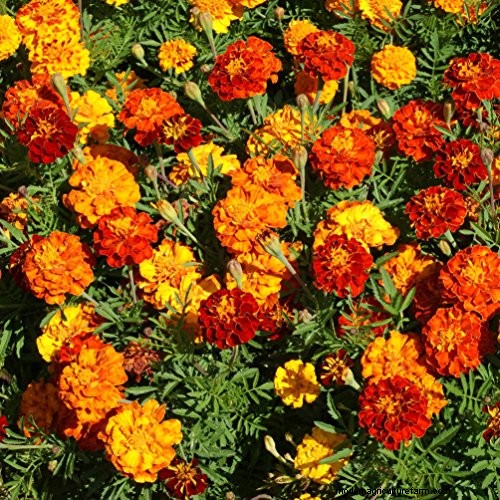
Get marigold seeds on Amazon.
A healthy garden is always free from pests and plant damage. There are many ways to achieve this goal, but starting with healthy plants is the most important one.
By taking these simple steps, you can maintain a healthy garden that is free from pests and plant damage.
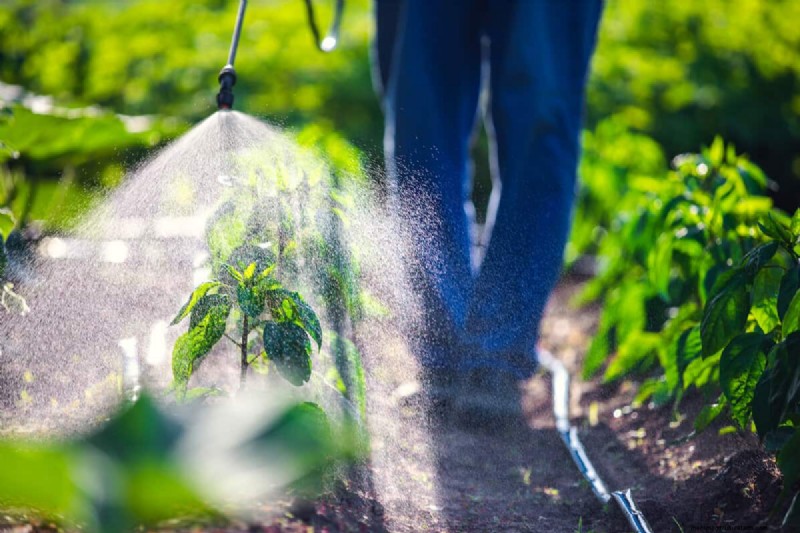
Perhaps the most obvious benefit is that it can help to keep your plants healthy and free of pests.
By using a safe pesticide, you can avoid harming beneficial insects such as bees, which are essential for pollination. In addition, using a safe pesticide can help to protect your family and pets from exposure to harmful chemicals.
Safe pesticides are also more likely to be effective in the long run, as they are less likely to cause resistance in pests. As a result, using safe pesticides is an important part of creating a healthy and thriving garden.
While mothballs may seem like a quick and easy solution to pest control, they can be dangerous not just for the pests you’re trying to get rid of but also for your plants and pets. There are many safer and more effective ways to get rid of garden pests without risking the health of your loved ones.
For more tips on keeping your garden safe and well-maintained, see our posts below:
When Is It Too Cold To Spray Herbicide?
When Do Garden Spider Eggs Hatch?