Welcome to Modern Agriculture!

With more than a decade of lawn and landscaping experience, Larry Meyers is a trusted authority who shares practical, proven gardening strategies to help you cultivate thriving, disease‑free gardens.
Latest posts by Larry Meyers (see all)
Strawberry lovers often share their passion for these sweet, red berries with uninvited feathered friends. Birds can wreak havoc on a strawberry crop, gobbling up berries before they ever make it to your table. As an avid gardener, I’ve faced this challenge and found some strategies that work well to deter these winged berry lovers.
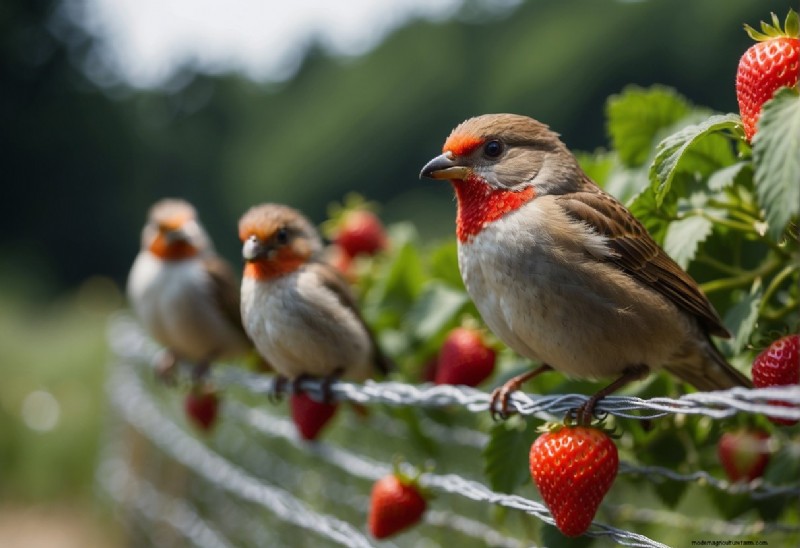
Creating a bird‑proof haven for strawberries requires a blend of ingenuity and decisive action. While shiny objects and garden decoys offer temporary deterrents, the most effective solutions involve physical barriers and behavioral tactics that keep birds guessing and protect your crop.
Protecting strawberry plants from birds is best approached with a strategy that incorporates bird behavior analysis, durable barriers, and a suite of scare tactics.
Birds are drawn to gardens with abundant, sweet‑tasting foods, and strawberries are a favorite because of their vivid color and high sugar content. They typically feed early in the morning or late in the afternoon, so timing control measures during these windows maximizes impact.
Physical barriers are essential for bird defense. A well‑installed bird netting, secured to the ground or a sturdy frame, completely covers the plant and prevents birds from accessing the fruit. For smaller areas, cages or cloches provide a sturdy and visually appealing alternative.
A layered approach using scare tactics and visual deterrents can keep birds at bay without harming them. Proven tactics include:
Combining these methods creates an environment that is less attractive to birds while maintaining garden aesthetics.
Organic protection relies on safe, natural repellents and thoughtful garden design. Key strategies involve re‑configuring the layout and employing repellents that are safe for the plants.
Re‑designing the garden can naturally shield berries from birds. Effective tactics include:
These options allow you to deter birds without compromising organic standards:
Visual Deterrents: Reflective tapes or CDs hung among the bushes disrupt bird vision.
Natural Repellents: Homemade sprays using cayenne pepper or peppermint oil effectively repel birds and protect the crop.
Beyond protecting strawberries, fostering a balanced ecosystem supports beneficial birds while steering them away from your crop.
Introduce pollinator‑friendly plants such as milkweed, lavender, and sunflowers to create a robust ecosystem that naturally deters pests and supports bird populations.
| Beneficial Plant | Attracted Pollinator |
|---|---|
| Milkweed | Monarch Butterflies |
| Lavender | Bees |
| Sunflowers | Various Beneficial Insects |
Setting up bird feeders with seed mix and organic foods keeps birds away from the strawberries. A bird bath nearby offers a water source that attracts the birds, making the feeder location even more appealing.
Remember: Use organic products in your feeders to support bird health and promote a sustainable environment.