
Welcome to Modern Agriculture!

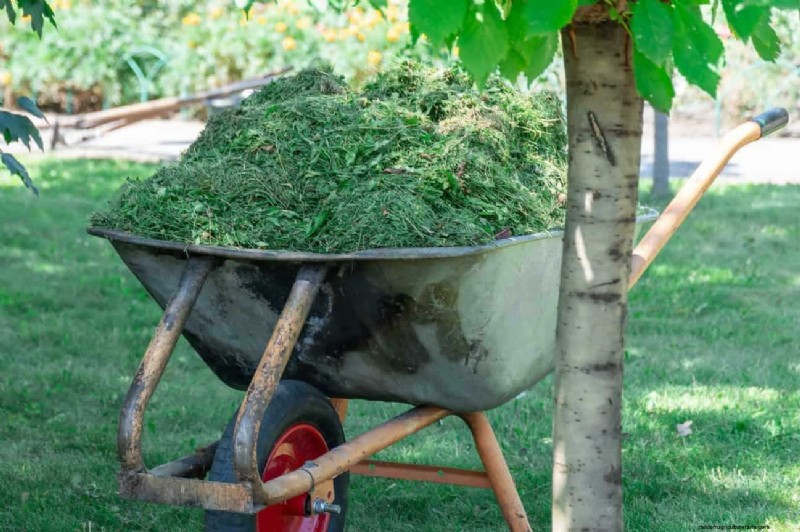
Grass clippings are often overlooked, but they’re a powerful source of nutrition for your lawn. Each clump is a reservoir of nitrogen, phosphorus, and potassium—nutrients that help your grass thrive.
When clippings break down quickly, your lawn receives a natural, free fertilizer boost that strengthens soil health and enhances grass vigor. Fast decomposition also eliminates the unsightly brown “mushroom” clumps that can create patchy, uneven patches in an otherwise beautiful yard.
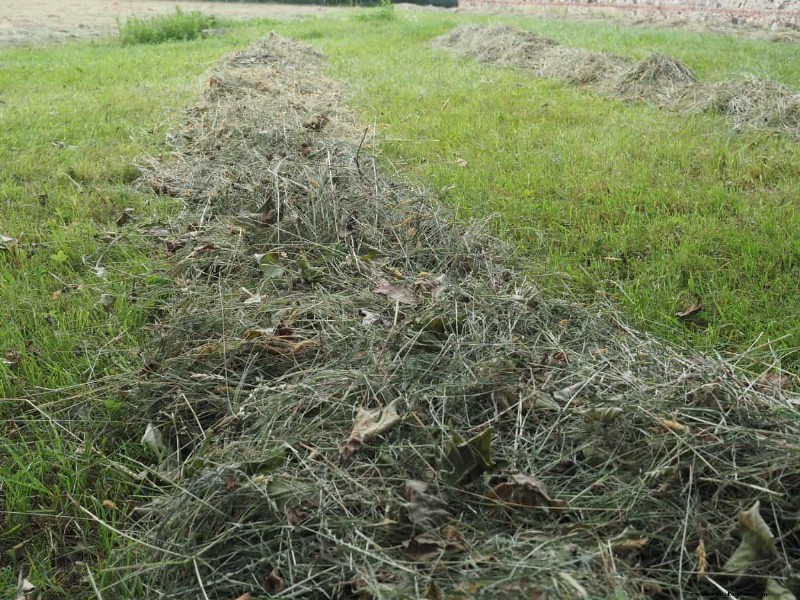
Why do some clippings vanish overnight while others linger for weeks? The answer lies in the microbes that live beneath your feet. Decomposition is nature’s recycling program, where bacteria and fungi break down organic matter into simpler compounds that plants can reuse.
Grass clippings are roughly 80% water and rich in nitrogen, making them ideal food for soil microbes. Decomposition speed hinges on moisture, temperature, oxygen, and the size of the clipping pieces.
When conditions are optimal, microorganisms multiply rapidly, turning complex compounds into nutrients that return to the soil. This process builds healthier grass without the need for chemical fertilizers.
Save this article & unlock today’s gardening deals instantly!
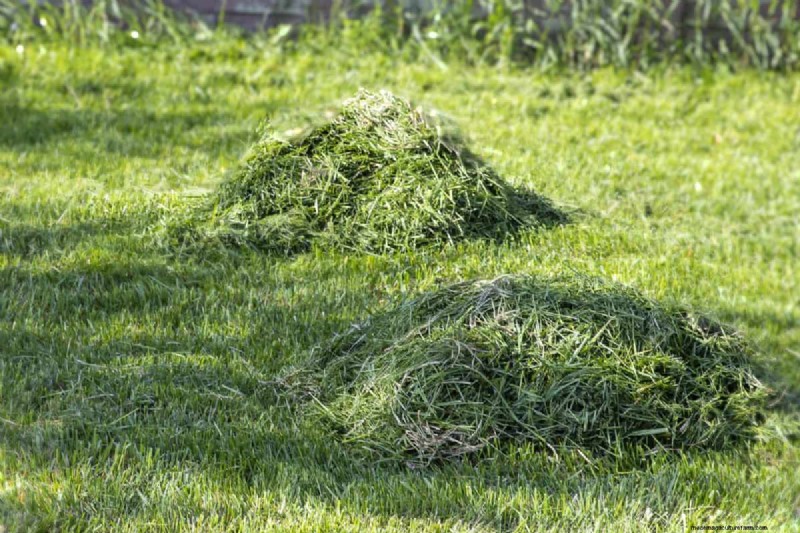
Creating a perfect environment for decomposition means understanding what your soil microbes need. Think of your lawn as a giant microbe buffet—conditions determine how quickly your guests arrive and eat.
Moisture is critical: too dry and microbes go dormant; too wet and they suffocate. The sweet spot is damp but not soggy. Temperature also matters—decomposition is fastest between 70–90°F, which is why summer clippings disappear more quickly than those from cool spring or fall mowings.
Oxygen access determines which types of decomposers can work on your clippings. Good airflow between grass blades helps aerobic bacteria thrive, breaking down organic matter faster than anaerobic cousins. This explains why thick mats of clippings decompose slowly—oxygen can’t reach the bacteria in the middle.
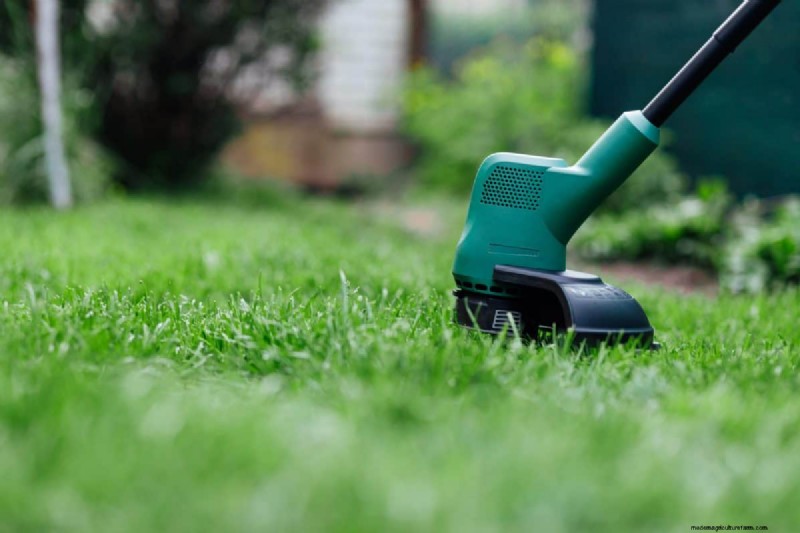
The way you mow dramatically influences how quickly clippings return to the soil. Regular mowing produces shorter clippings that break down faster than long pieces.
Follow the one‑third rule: never remove more than one‑third of the grass blade height in a single pass. This creates smaller, more manageable clippings that decompose quickly. Taller grass also means deeper roots, which help your lawn stay healthy during hot weather.
Sharp mower blades produce clean cuts that decompose faster than ragged tears from dull blades. A clean cut has less surface area to dry out and provides an easier entry point for decomposing microbes, reducing stress on your lawn and enhancing overall health.
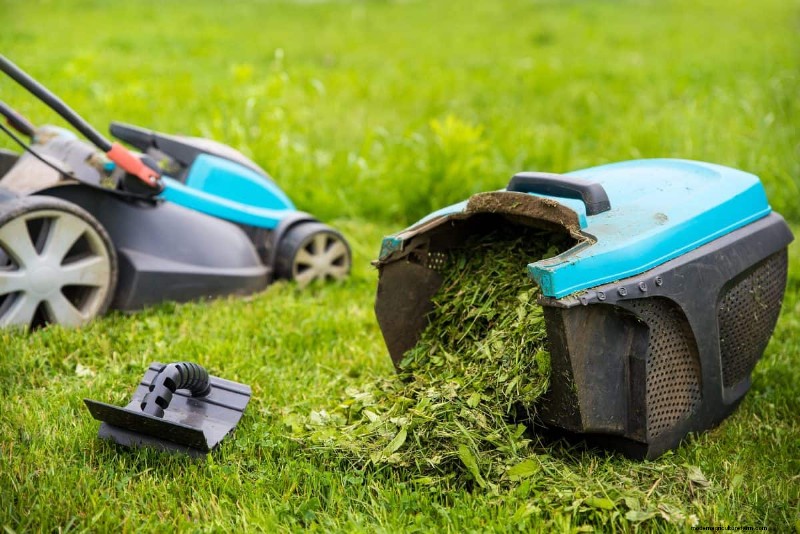
Specialized mulching mowers can transform your lawn care routine by chopping clippings into tiny pieces. These machines use decks and blades that cut grass multiple times before depositing the fine pieces back onto the lawn.
Smaller pieces created by mulching mowers have significantly more surface area for microbes to attack, speeding decomposition by 50% or more compared to regular clippings. The tiny fragments also fall deeper into the lawn canopy, preventing unsightly clumps on the surface.
Most modern mowers offer mulching capabilities, either as a standard feature or via an optional kit. These kits typically include specialized blades and deck inserts that prevent clippings from escaping until they’ve been thoroughly chopped. The investment pays off quickly in reduced fertilizer needs and time saved bagging clippings.
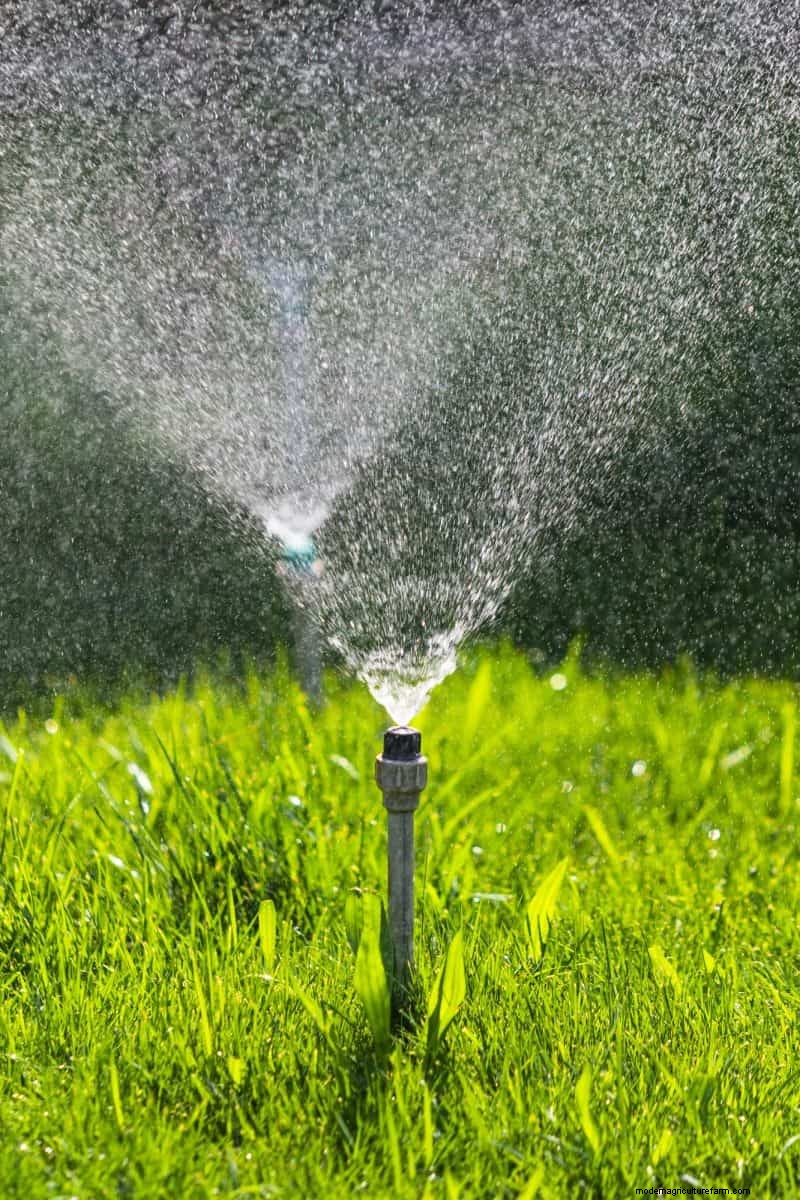
Strategic watering can dramatically accelerate the decomposition process. Microbes need moisture to function effectively, so timing your irrigation to benefit both your grass and the decomposition process makes perfect sense.
Water deeply but infrequently to encourage healthy grass growth and optimal decomposition. Light, frequent watering keeps only the surface moist, encouraging shallow root systems. Instead, apply about an inch of water when the soil dries out, allowing it to penetrate deeply.
Early morning watering provides all‑day moisture for decomposing organisms while minimizing fungal disease risks. The grass and clippings get a good drink, but leaf surfaces dry quickly as the day warms up. This timing helps maintain the ideal damp‑not‑soggy environment that decomposers love.
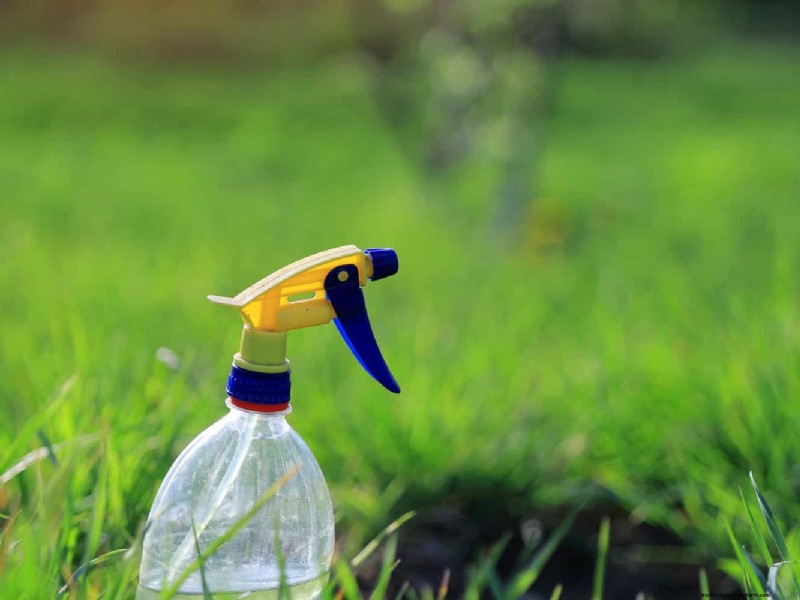
Compost tea is a powerful decomposition catalyst that introduces beneficial microorganisms directly into your lawn. This liquid concentrate contains billions of bacteria, fungi, protozoa, and other microscopic helpers that immediately break down organic matter.
Making basic compost tea involves steeping finished compost in water for 24–48 hours. More advanced brewing methods use aeration and microbial food sources to create a more potent solution. Either way, the resulting liquid contains concentrated decomposer organisms ready to tackle your clippings.
Apply compost tea using a pump sprayer or your irrigation system after mowing. The microbes will immediately begin colonizing the fresh clippings, jump‑starting the decomposition process. Regular applications throughout the growing season build soil health while keeping your lawn tidy by speeding up clipping breakdown.
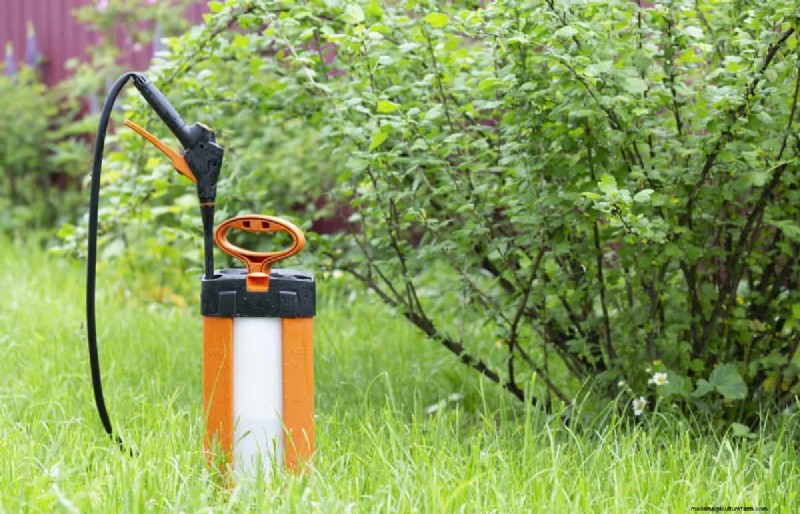
The lawn care market offers several products designed specifically to speed up the breakdown of organic matter. These products typically contain concentrated beneficial microorganisms, enzymes, or nutrients that support decomposer activity.
Most commercial accelerators are granular or liquid and can be applied with standard spreaders or sprayers. They work by significantly increasing the population of decomposer organisms in your soil. Some also contain additional nutrients that feed both the microbes and your lawn.
While these products cost money, they can provide excellent results, especially in challenging soil conditions. Clay soils or lawns with severe thatch buildup benefit most from these targeted treatments. Apply them immediately after mowing for best results when fresh clippings provide ample food for the newly introduced microbes.
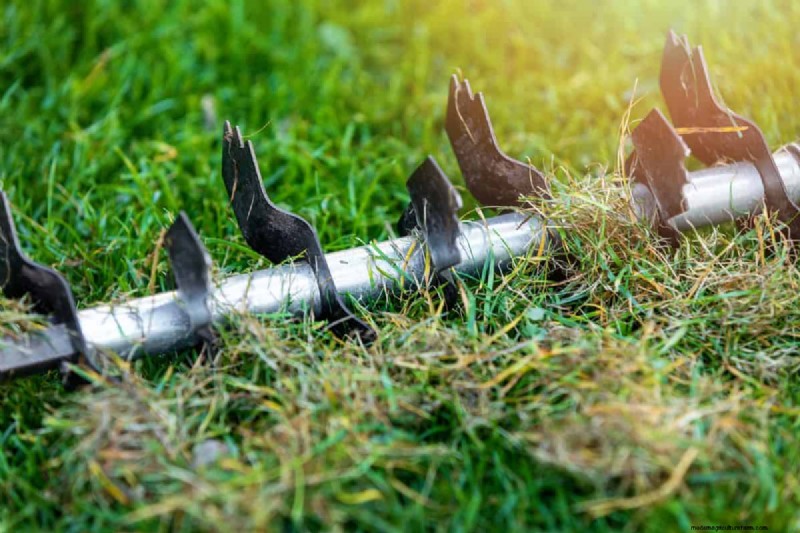
Core aeration creates direct pathways for air, water, and nutrients to penetrate the soil. This seemingly simple process dramatically impacts decomposition rates by providing oxygen to soil microbes and creating space for clippings to contact the soil directly.
The small soil cores removed during aeration create perfect pockets for grass clippings. This direct soil contact speeds up the breakdown by exposing clippings to a higher concentration of soil microbes. The cores also break down, redistributing beneficial soil bacteria throughout the lawn surface.
For best results, aerate cool‑season lawns in early fall or spring and warm‑season grasses in late spring. Following aeration with mowing (leaving the clippings) creates ideal conditions for fast decomposition. Combining increased oxygen, exposed soil microbes, and fresh organic matter can supercharge your lawn’s nutrient cycling.
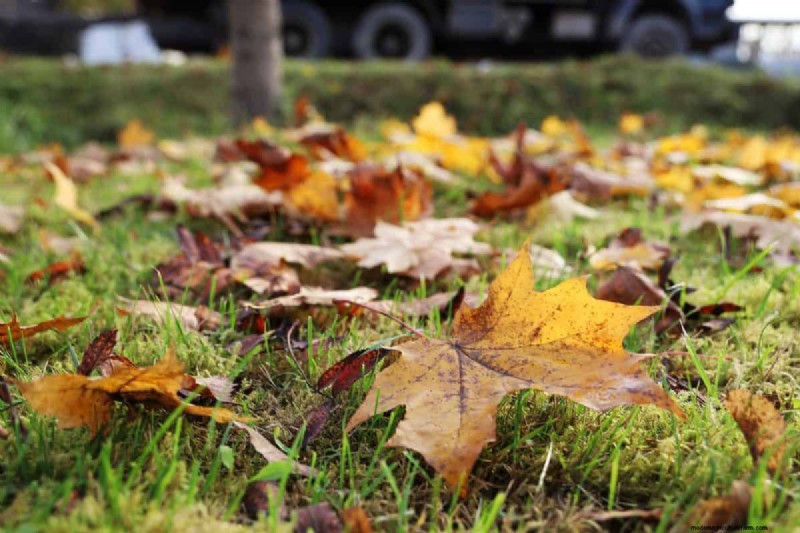
Achieving the right carbon‑to‑nitrogen ratio dramatically affects how quickly grass clippings decompose. Grass clippings alone have a low carbon‑to‑nitrogen ratio (about 20:1), making them nitrogen‑rich but lacking in carbon for ideal decomposition.
Adding a small amount of carbon‑rich material can optimize this ratio and speed up the breakdown. A light dusting of dry leaves, a thin layer of finished compost, or even a small amount of sawdust mixed with clippings can provide the carbon balance decomposers need to work most efficiently.
Be careful not to add too much carbon‑rich material, as this temporarily makes nitrogen unavailable to your grass. The goal is balance—just enough carbon to optimize decomposition without creating a nitrogen deficit. When properly balanced, decomposition accelerates while maintaining perfect nitrogen availability for your growing lawn.
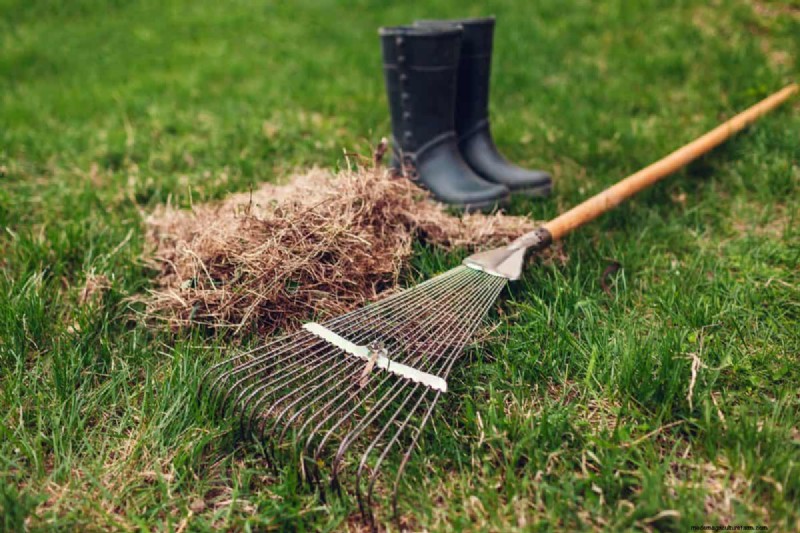
Excessive thatch—the layer of dead grass and roots between the soil surface and green grass—can seriously impede clipping decomposition. When thatch exceeds ½ inch thick, it creates a barrier that prevents clippings from reaching soil microbes.
Regular dethatching removes this barrier and allows grass clippings to contact soil organisms directly. For most lawns, dethatching once every year or two is sufficient. The best timing coincides with your grass type’s active growth period, so it can recover quickly.
Power rakes and vertical mowers are practical dethatching tools available for rent at most garden centers. After dethatching, leave the lawn slightly longer than usual for a few mowings to reduce stress and provide moderate clippings that can decompose easily in the improved conditions.
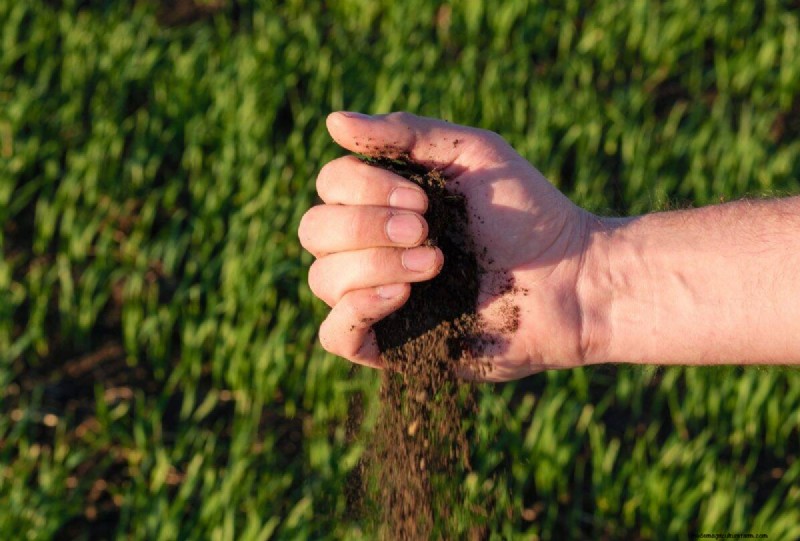
Soil pH dramatically affects microbial activity and consequently decomposition rates. Most lawn decomposers work best in slightly acidic to neutral conditions, with pH levels between 6.0 and 7.0.
Testing your soil reveals whether pH adjustments could speed decomposition. Simple DIY test kits provide basic readings, while laboratory tests offer more detailed information. Once you know your baseline, you can make targeted adjustments.
Apply lime to raise pH in acidic soils or sulfur to lower pH in alkaline conditions. These amendments work gradually, so apply them according to test results several months before you expect peak clipping production. Creating optimal pH conditions ensures your soil microbes operate efficiently during the growing season.
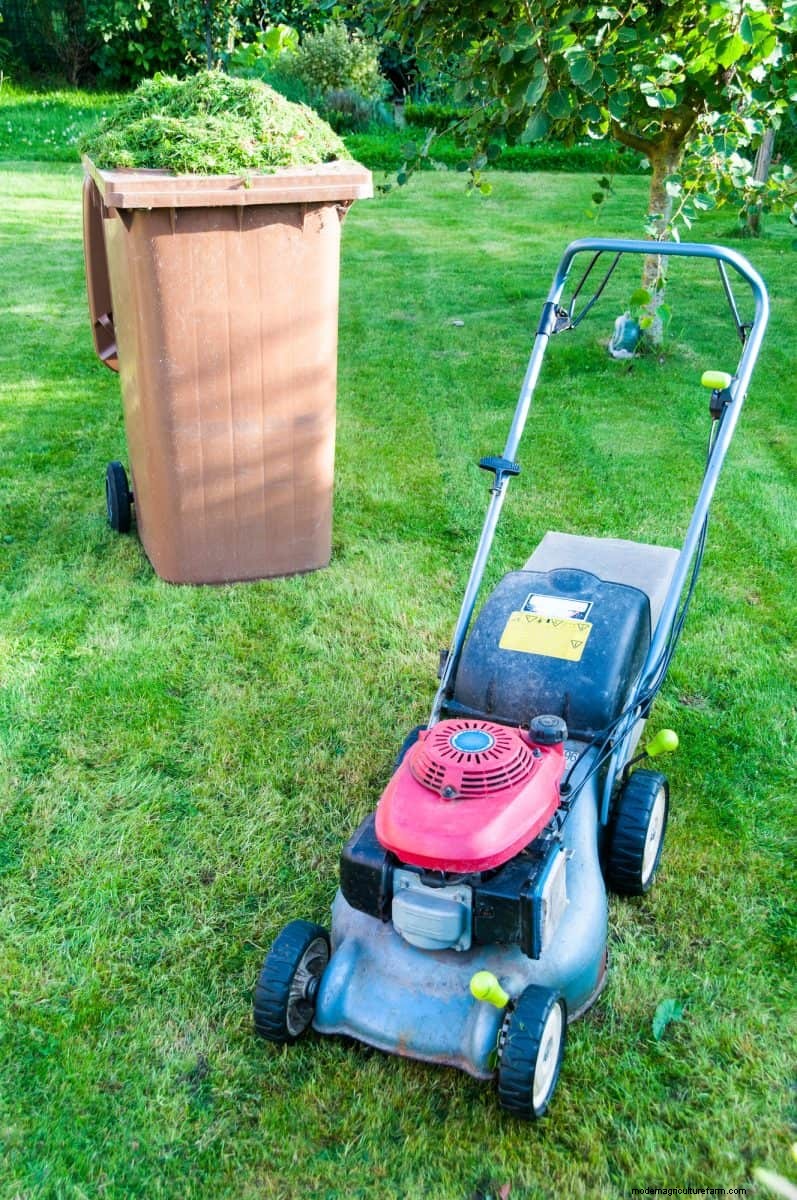
Adapting your grass clipping management to the seasons maximizes decomposition efficiency year‑round. Each season presents unique conditions that require different approaches for optimal results.
Spring offers warming soil temperatures that gradually activate soil microbes. Start with higher mowing heights and gradually lower them as growth accelerates. The moderate temperatures and natural moisture often make spring ideal for decomposition, so consider applying biological activators now for season‑long benefits.
Summer heat can either speed decomposition or halt it completely, depending on moisture levels. Maintain adequate irrigation during dry periods to keep the decomposition process active. Consider leaving slightly longer clippings during extreme heat to provide soil shading and moisture retention, which supports continued microbial activity.
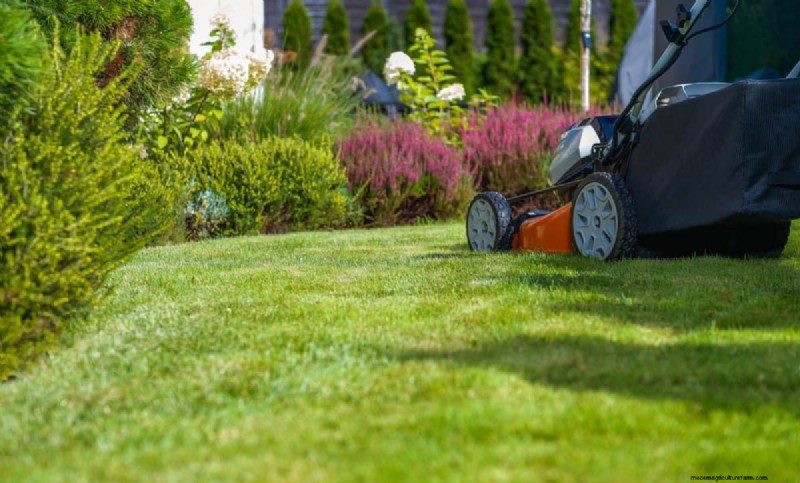
Fall presents unique opportunities to speed up grass clipping decomposition before winter dormancy. Combining still‑warm soil and increasing moisture creates excellent conditions for breakdown, provided you take the right steps.
Lower your mowing height gradually as fall progresses to prevent long clippings that decompose slowly. The shorter grass also reduces habitat for winter pests and diseases. Continue mulching these clippings as long as possible before switching to collection when leaf fall becomes heavy.
Consider a late‑season aeration followed by a final application of compost tea or decomposition accelerator. This gives soil microbes one last activity boost before winter temperatures slow them down. The head start means any remaining organic matter continues breaking down slowly even during cooler weather, resulting in less thatch accumulation by spring.
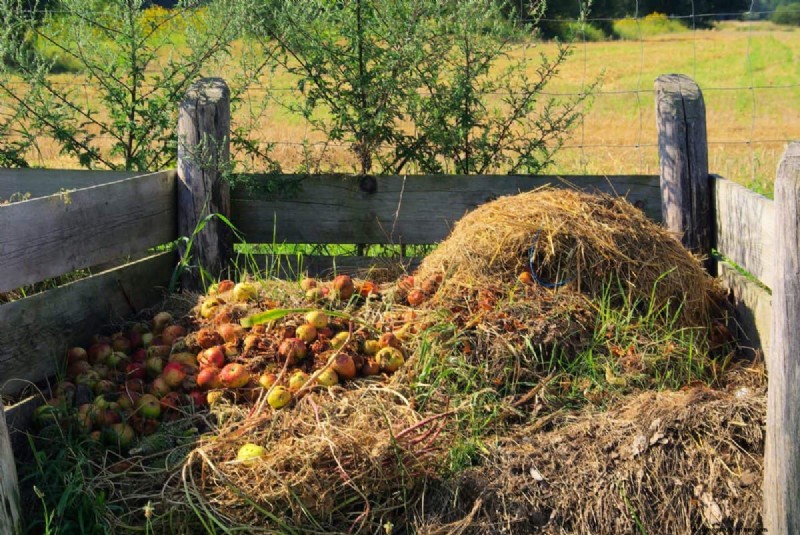
Sometimes, direct decomposition on the lawn isn’t feasible, especially during periods of heavy growth. Creating a dedicated compost system for excess clippings transforms a potential problem into a valuable resource for your entire landscape.
Fresh grass clippings provide excellent nitrogen for your compost pile, but they need proper management. Mix them with brown carbon‑rich materials like dried leaves, shredded paper, or wood chips at approximately a 1:2 ratio (one part grass to two parts carbon material). This prevents the clippings from compacting and turning slimy.
Turn the pile weekly during active decomposition to maintain aerobic conditions. A properly managed compost pile containing grass clippings can produce finished compost in as little as 2–3 months during warm weather. This finished product then becomes a valuable top dressing that improves soil structure and feeds your lawn naturally.
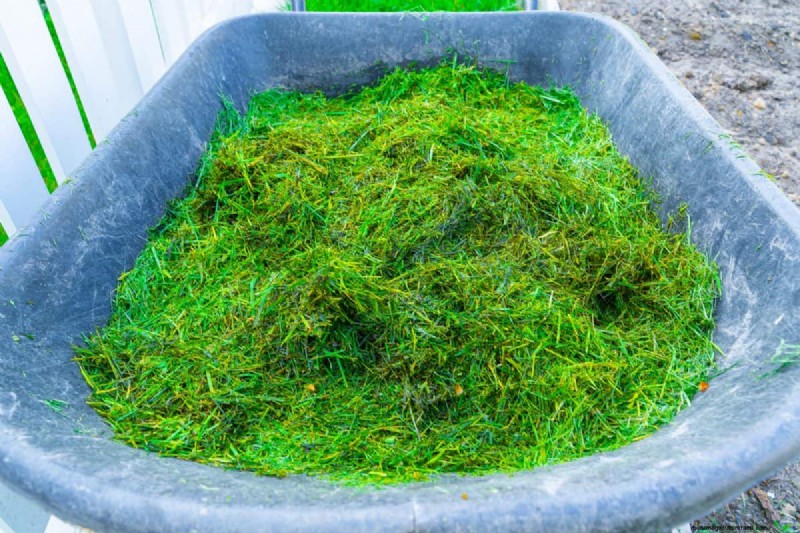
Embracing grass clipping decomposition transforms your lawn care routine from a cycle of resource depletion to one of renewal. The techniques explored here work with nature’s systems rather than against them. By speeding decomposition, you’re essentially creating a self‑feeding lawn.
The benefits extend beyond convenience and appearance. Fully decomposed clippings improve soil structure, enhance drought resistance, and reduce disease pressure. They create a more resilient lawn ecosystem that requires fewer inputs over time.
Start with just one or two decomposition‑accelerating techniques this season. Notice how your lawn responds with greener growth and fewer maintenance issues. Soon, you’ll see those clippings not as waste to be managed but as valuable resources cycling right back into your healthier, more vibrant lawn.
Written by
Krizza Lubong
With a deep appreciation for nature and a growing interest in all things green, Krizza shares practical tips, personal insights, and inspiration to help fellow plant lovers create thriving outdoor spaces.
Meet the GardenTabs team →

Editorial oversight
GardenTabs content is reviewed by Steve Snedeker, a seasoned gardener with decades of hands‑on landscaping experience.


