Welcome to Modern Agriculture!

Terracotta pots are celebrated for their versatility and rustic charm, elevating gardens and indoor spaces alike.
Not only do these clay containers host your greenery, they also infuse a timeless aesthetic into any setting.
While terracotta can be planted directly, sealing the surface offers additional benefits such as extended life and improved moisture regulation.
One often overlooked yet essential step is the sealing process itself.
Proper sealing protects your pots, optimizes plant hydration, and can be challenging to maintain.
Read on to discover the sealing process and the best agents for your terracotta.
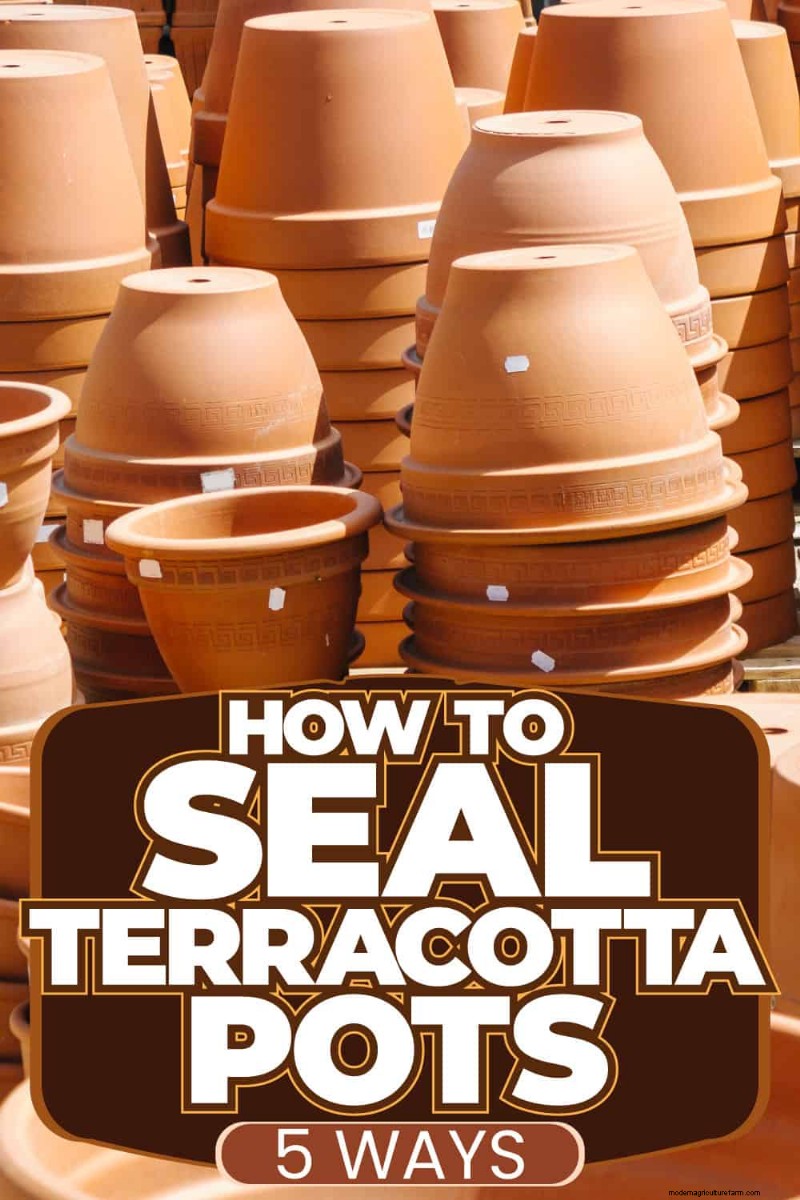
Terracotta’s porous nature causes rapid water loss, necessitating frequent moisture.
This trait suits plants that thrive with less water—succulents, cacti, Monstera, snake plants, and ficus—yet is unsuitable for species requiring moist soil.
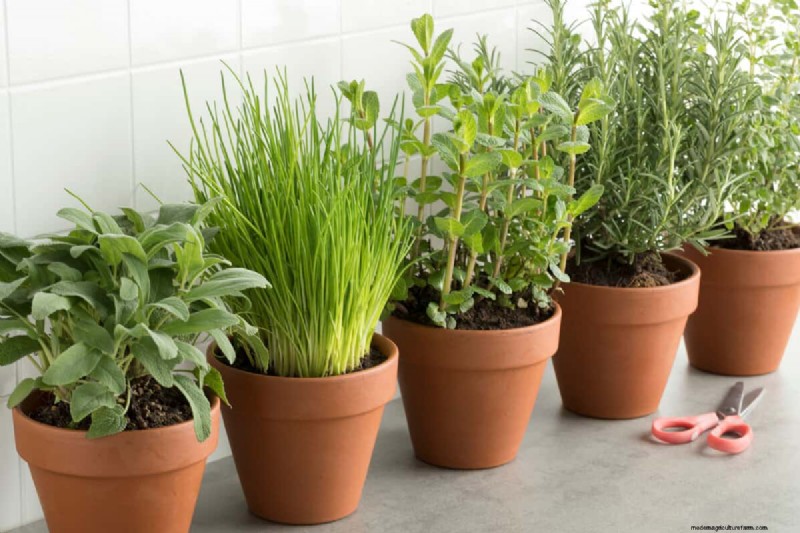
For plants that demand wetter conditions, sealing prevents excess water from leaching out, creating an ideal growing environment.
Additional reasons to seal include:
White, dusty residues, known as efflorescence, form when terracotta absorbs minerals from soil. Sealing reduces this phenomenon.
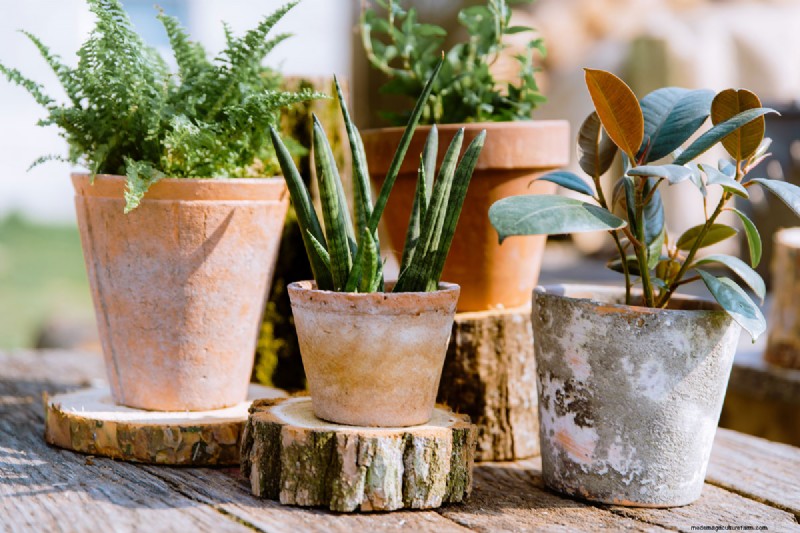
Frost causes terracotta to expand, leading to cracks similar to road potholes. Waterproofing mitigates this damage.
Sealing is a quick, effective way to protect walls and extend pot longevity.
Save this guide and unlock today’s gardening deals instantly!
Many sealants work on terracotta without harming plants, but choose wisely.
Select products labeled safe for gardens or plants—crucial for edible greens.
Water‑based options are less likely to leach harmful chemicals into the soil.
Follow manufacturer instructions; curing prevents VOCs and protects plant health.
Sealing only the outer surface reduces contact with soil while still limiting water loss.
Apply in a well‑ventilated area and allow the pot to dry before planting.
Choose organic or eco‑friendly sealants for a safer environment.
Discover creative pot ideas: Get Creative with Your Nursery Pots.
Sealing terracotta is simple—follow these steps.
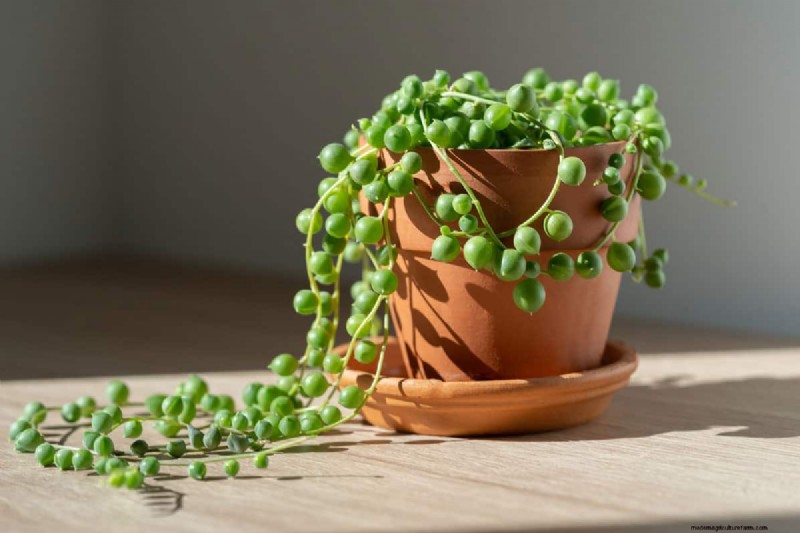
Work outdoors or in a ventilated space to avoid fumes. Protect surfaces with newspaper or plastic sheeting.
Clean with warm, soapy water or damp cloth to remove dirt and dust. Allow it to dry completely before sealing.
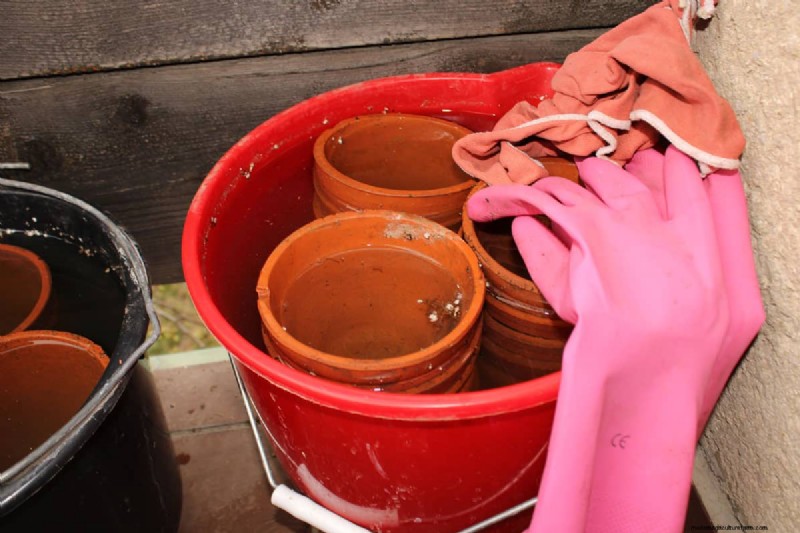
Apply a uniform coat to interior or exterior as needed. Even coverage prevents future leaks.
Dry before planting to ensure a stable, protected surface.
Choosing the right sealant depends on your goals and the pot’s usage.
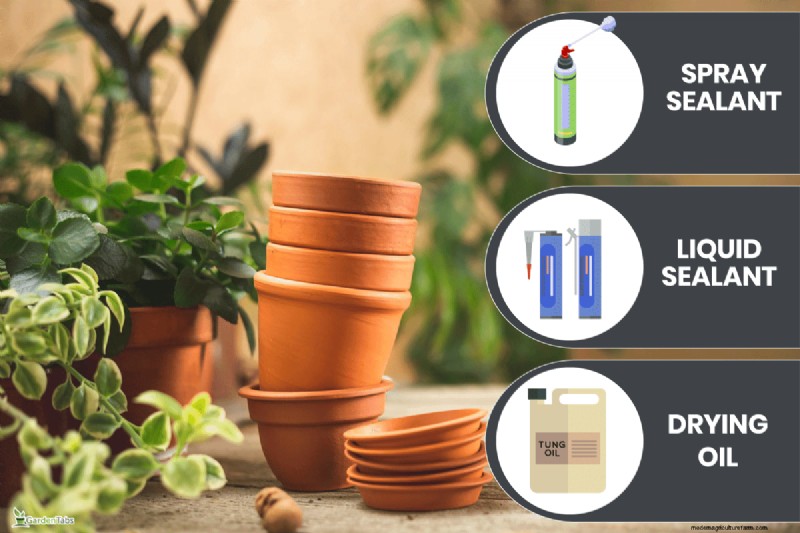
These sealants are non‑toxic and safe for soil and plant tissues.
Tung oil is a natural, breathable finish that protects while maintaining moisture‑sensing properties.
Apply damp, use a cloth, and let dry for 15 days before planting.
Shellac offers a natural resin finish but is less durable in wet conditions; it may require reapplication.
Dissolve flakes in denatured alcohol, then brush‑coat the pot.
A water‑based sealant with low odor; apply with brush, roller, or sprayer. Spray 12 inches away for best results.
Produces a clear, glossy finish. Not waterproof and requires 4 weeks to cure.
Liquid sealer for indoor and outdoor use, dries clear and slightly glossy.
Sealing prior to painting prevents paint bubbling and cracking, acting as a primer.
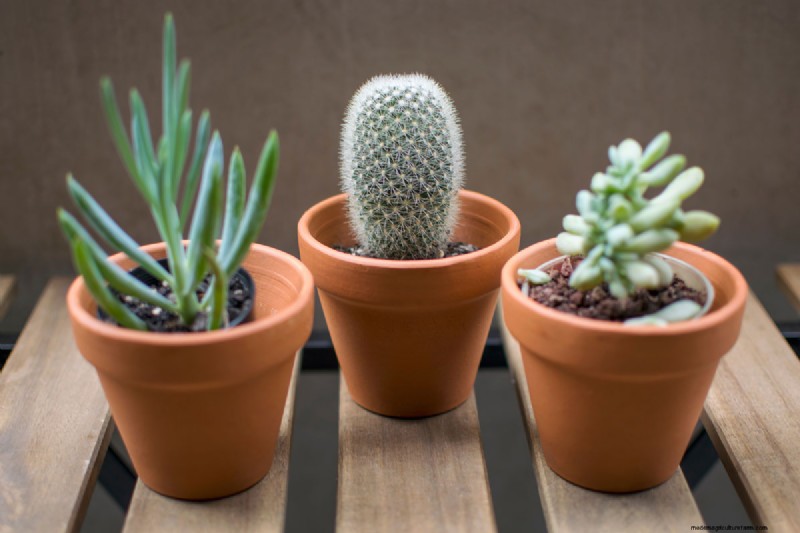
After paint dries, apply a final sealant layer to safeguard the finish from fading.
Learn more about the Olla watering method: The Olla: A Centuries‑Old Watering Method That’s Making A Modern Comeback.
Terracotta’s breathability prevents root rot. Sealing is recommended for plants needing more moisture.
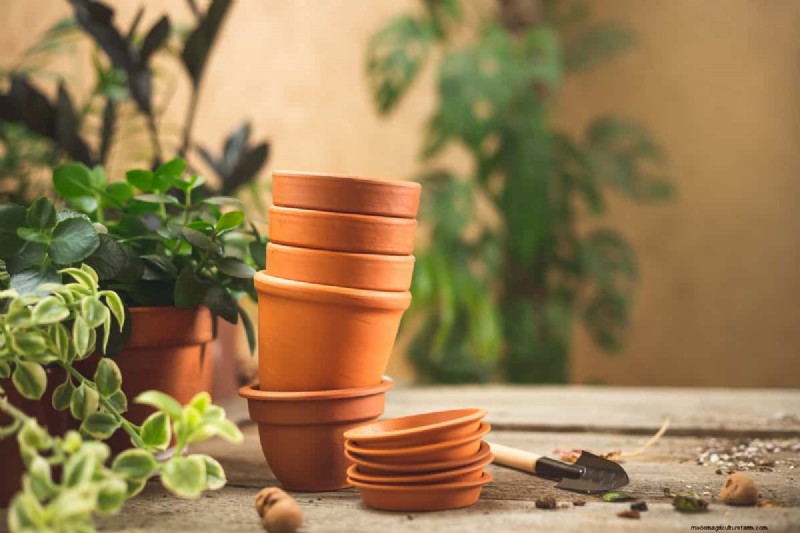
Pick a safe, plant‑friendly product. If chemicals are present, seal only the exterior.
Enjoy experimenting with terracotta pots!
Written by
Rachel Self
Rachel is a gardening enthusiast and avid plant lover with a passion for bringing the beauty of nature indoors through houseplants. She enjoys spending her free time tending to her greenery and finding creative ways to incorporate plants into her home decor.
Meet the GardenTabs team →

Editorial oversight
GardenTabs content is reviewed by Steve Snedeker, a seasoned gardener with decades of hands‑on landscaping experience.