Welcome to Modern Agriculture!

The sight of a garden full of fading flowers at the end of summer is a bittersweet experience. There's the satisfaction of a successful growing season packed with colour and scent, yet there's also the sadness that it's coming to an end.
But there's a simple and enjoyable way of extending the pleasure gained from your gardening efforts. Homemade potpourri lets you carry the scent and beauty of your blooms deep into the cooler months of winter.
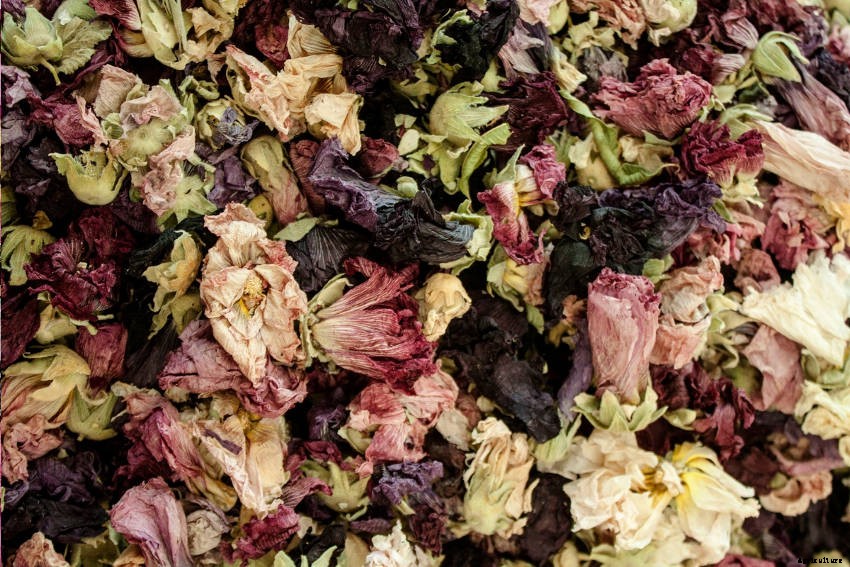
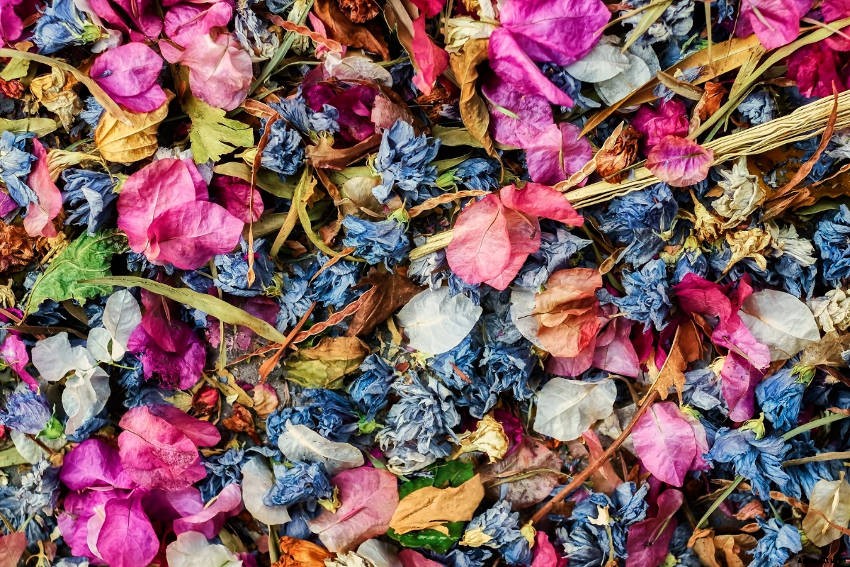
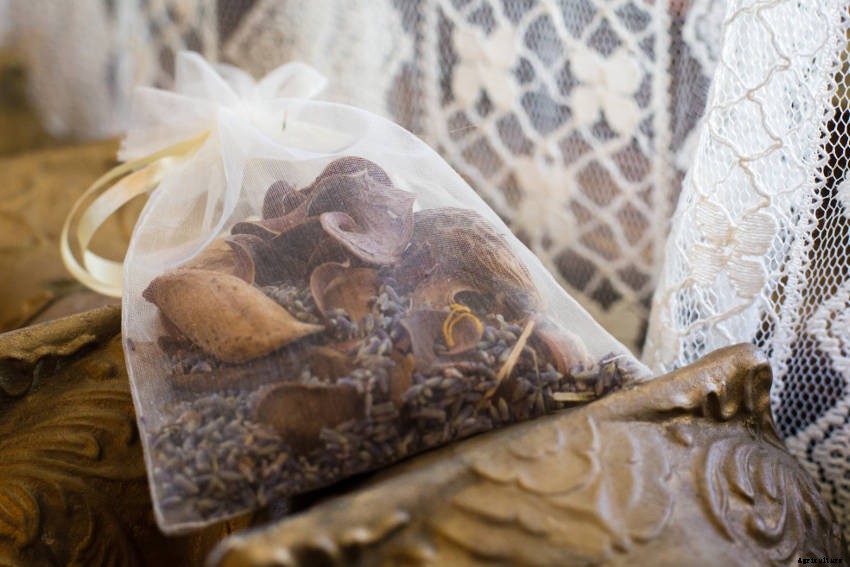
Potpourri is a blend of dried flowers or petals, leaves, and other materials used as a decorative, natural air freshener. Although it's widely available to buy, making your own potpourri is fun, thrifty, and a satisfying way of using up garden flowers which are beginning to go past their best.
Traditionally, potpourri is made using a base of dried rose petals. But just as with gardening, the essence of good crafting is to make creative use of the resources you have available. Here are some great alternatives if you're not a rose-growing enthusiast.
Sweet Alyssum - With their productive ground-covering habit, alyssums provide masses of honey-scented petals which are ideal for potpourri.
Calendula - Also known as pot marigold, calendula boasts petals with a vivid orange hue that stays bright after drying.
Carnations - If you're looking for a highly fragrant potpourri, carnations are ideal - they're one of the most widely used bases for commercial perfumes. They also offer attractive, double-headed flowers in a wide range of colours.
Stock - Stock's tiny, highly scented flowers make it a favourite for cutting, and the fragrance lasts well through the drying process.
Lavender - For many, lavender is the real scent of summer, and its lilac or purple flowers add visual interest to a potpourri too.
Sweet William - Sweet William makes an excellent potpourri ingredient thanks to its blueish-green foliage and sweet-scented flowers with a hint of spice.
Whichever flowers you choose, aim for a good mix of highly scented varieties along with a range of colours, textures, and shapes.
Even though commercial potpourris generally focus on fragrant blooms, making your own blend lets you experiment. If you grow fruit trees, why not try adding some apple blossom to the mix? Or even flowers from abundant vegetables like beans or zucchini?
And for real thrift, shop-bought bouquets of flowers can also be turned into potpourri as they start to wilt and fade. Once you know the basic method, there are really no limits.
Depending on how fragrant your basic ingredients are, you might like to perk up your potpourri by adding an essential oil or two. Sandalwood, lavender, and rose oils are all favourites, but any pleasant-smelling oil is suitable.
Adding these oils is by no means compulsory, but if you choose to, it's a good idea to also use a fragrance-fixing material to keep the scent from evaporating too quickly.
Suitable fixers include angelica root, oakmoss, and orris root, made from the rhizomes of the Florentina iris. You can buy these from craft stores and some health food shops.
But beware: essential oils can easily overpower the natural fragrances of your homegrown ingredients, adding an artificial note that defeats the point a little.
Beyond the petals and optional oils, your potpourri can include any number of embellishments, either for extra scent or for decoration. Ideas you could try include:
Traditionally, the ingredients for potpourri were left to dry naturally. To do this simply place your flowers and other ingredients on drying racks in a warm well ventilated position and leave to air-dry. Drying time varies from hours to weeks depending on temperature and the thickness of your ingredients, for this reason it’s usually quicker and more reliable to use a domestic oven. Here's what to do.
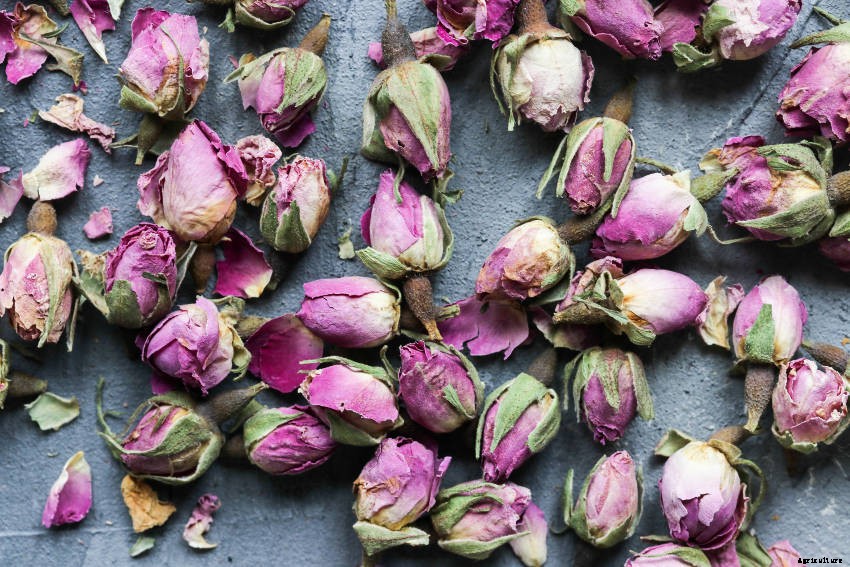
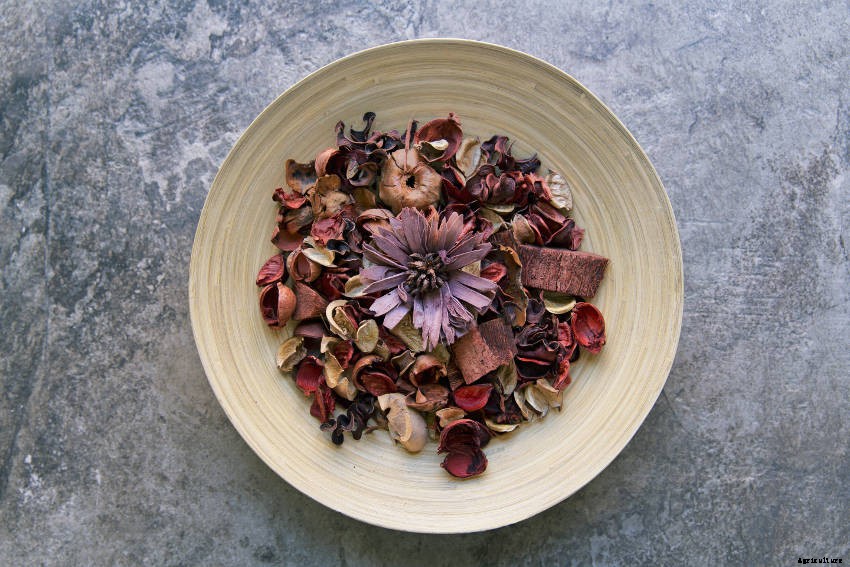
The beauty of homemade potpourri is its flexibility and scope for experimentation. You can put together any blend you like, but here are some ideas to get you started.
The world of gardening offers endless opportunities for creativity and experimentation, but it doesn't need to stop as the growing season wanes. Making your own potpourri adds an extra dimension to your flower-growing, and helps stretch the summer scents out for a few months longer.