
Welcome to Modern Agriculture!

Successful vegetable growing is a fine art. It involves striking the right balance between letting nature do its thing, while leading it toward the kind of productivity you're aiming for. Some gardeners turn to chemical fertilisers and pesticides for help with this, but increasingly, natural methods are taking centre stage.
One of the oldest natural growing techniques is companion planting, where carefully selected combinations of plants are grown together, each providing benefits and protection to the others for maximum success. The 'Three Sisters' method is one of the more famous companion planting schemes, and is a proven winner with a long history.
The three sisters method is a product of Native American agriculture, and has been used for over a thousand years to grow sweet corn, squash, and climbing beans in a single, compact space. This selection of plants gives a unique combination of benefits for an excellent total yield.
The Three Sisters is a fairly flexible planting method which can be scaled up and down as needed. However, the traditional way gives excellent results if you have the right space and location.
Considering the strong heritage of the Three Sisters method, most gardeners will select older heirloom varieties when choosing which varieties to grow. While this may offer a satisfying sense of tradition, one of the beauties of this planting scheme is that it's extremely flexible, and will happily accommodate any of your favourite varieties.
However, one point to bear in mind is that you should choose an early or mid-season variety of sweet corn rather than a slower-growing one. Ideally, the corn should be ready for harvest just before the beans enter their full productive flow, so that the hungrily fruiting plants aren't in direct competition for sunlight.
Also, compact varieties of squash - including zucchini - are ideal for a smaller space, but choose plants with plenty of foliage to provide the essential shade. Varieties with tougher, spikier leaves will deter more pests than tender ones.
Lastly, some growers like to ring the changes by switching the sweet corn for sunflower plants. While this is in no way traditional, the sunflowers perform a similar role to the corn by providing fast-growing height, and gardeners may prefer this choice if high winds, poor soil, or an unsuitable climate make growing corn difficult.
It's possible to use the Three Sisters method in container gardening by scaling down the number of seeds, using the largest container you can find, and switching to dwarf or miniature varieties where possible.
However, growing sweet corn on a small scale can lead to pollination difficulties, so it's best to value the maize only for the support it gives, treating any produce as a bonus.
Nonetheless, zucchini and beans are excellent candidates for container growing, making the three sisters an interesting and productive experiment for when space is limited.
If you have an interest in natural methods of vegetable growing, then it's worth taking a closer look at the three sisters method. It's easy to do, provides great results even in limited spaces, and it continues a valuable tradition in a world where natural ways are often too easily lost.
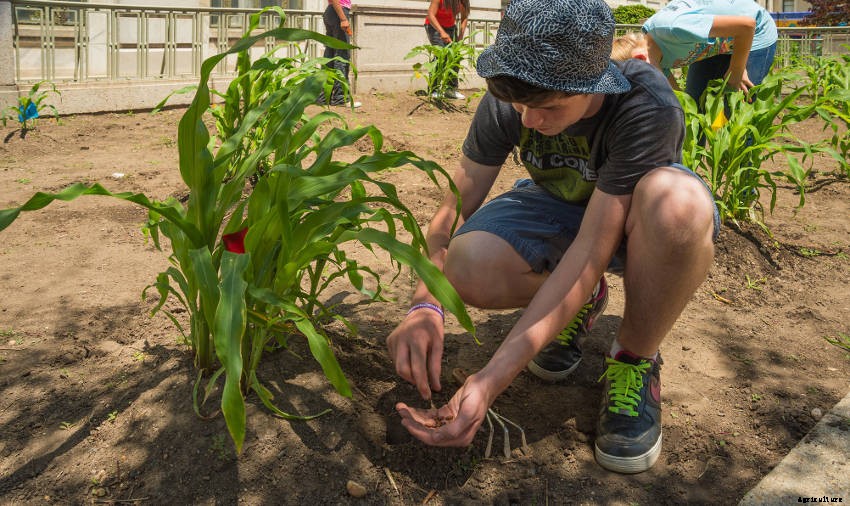
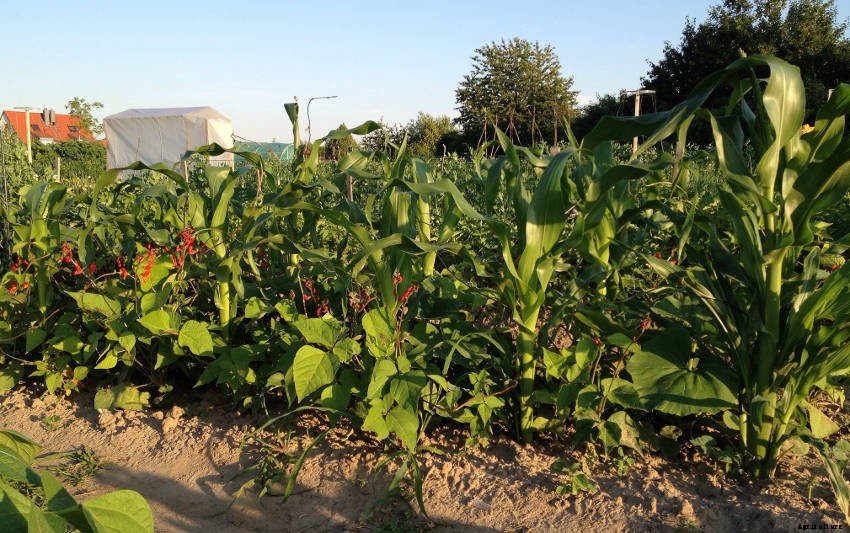
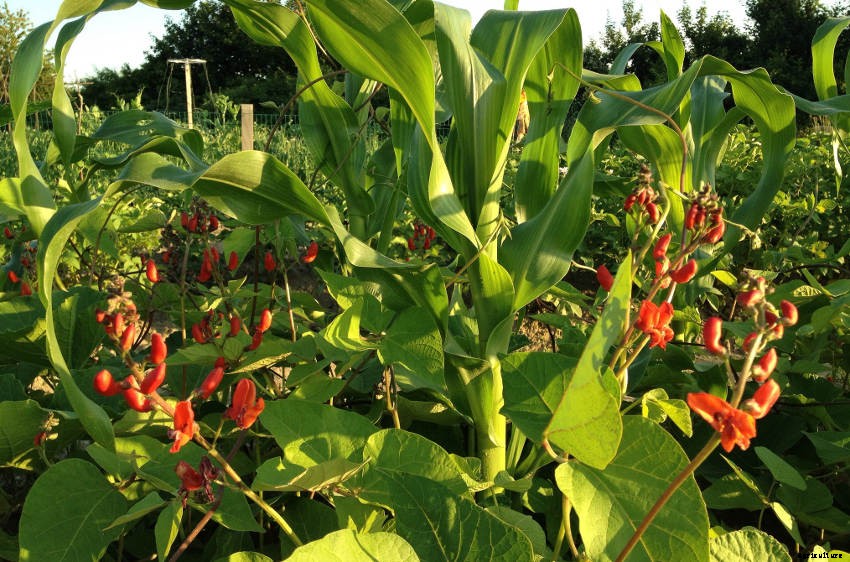
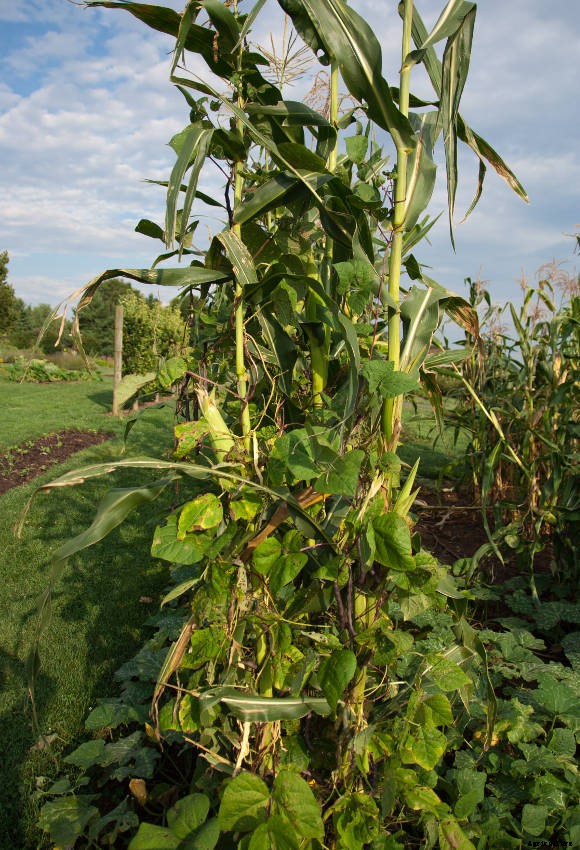
Photo 1 (top) by USDA / CC BY 2.0 | Photo 2 & 3 by Joachim Quandt / CC BY-SA 2.0 | Photo 4 by Perry Quan / CC BY-SA 2.0


