Welcome to Modern Agriculture!

• This is a very good feed that goats like very much.
• It is a good crop to plant because it gives tubers for the family to eat and the leaves can be fed to the goats.
• It can be planted beside river beds, steep parts of the farm and roadside edges.
• It is useful in feeding kids whose mothers die early in their life.
• Plant napier along river beds, along soil terraces, road reserves, etc.
• Where a farmer has a big farm, then plant as one crop near the home to save time and work when taking to the goats.
• Good napier needs manure and top dressing with a fertilizer, and it needs weeding.
• Where new fields are being planted, mixed cropping with desmodium improves the quality of the fodder.
• If you plant Napier around your maize, it stops Maize stalk borer!
• Cut Napier often so it is easy for the goats to eat and digest
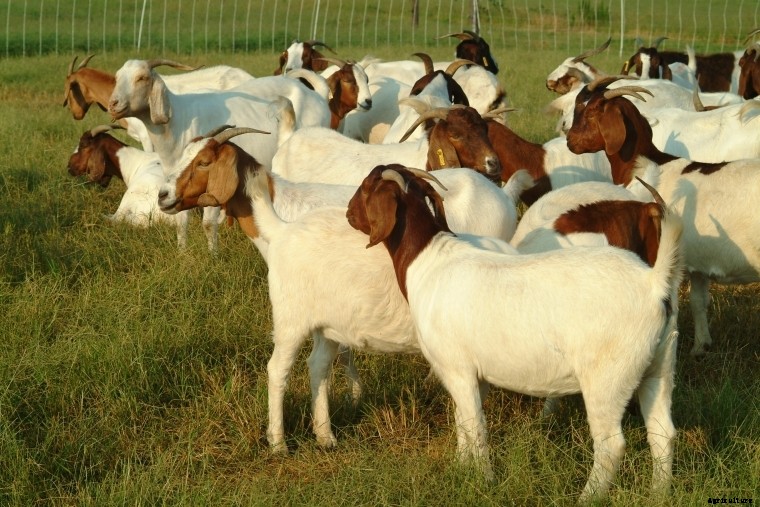
• These have lots of protein and you need only feed a little at a time.
• These are for example: leuceana, calliandra, sesbania and desmodium
• The trees and legumes, should be planted along the fences and terraces. For example, leuceana is good in fences
• Good legumes are potato vines, which do not need a lot of work once they are growing.
• Desmodium, when available, should be inter-cropped with Napier
• Calliandra does better in high altitudes (tea zones) than leuceana.
• Do not forget that many weeds also make good fodder.
While maize is grown for farmer’s food, there is a lot of fodder which can be used for feeding the goat which will not stop the farmer getting a good maize yield.
• Thinning: all the extra maize seedlings that grow from the same seed hole should be thinned and dried a little before feeding to the goats.
• Remove extra leaves – this should start with the leaves below the cobs as soon as the cob can be seen.
• Cutting the tops – this should start after the grains have hardened.
• Stover – these should have sweeteners (molasses) added or sprinkle common salt after chopping.
• Broken grains – these are very nutritious especially after a heavy harvest but should be fed carefully to avoid grain overload.


