
Welcome to Modern Agriculture!

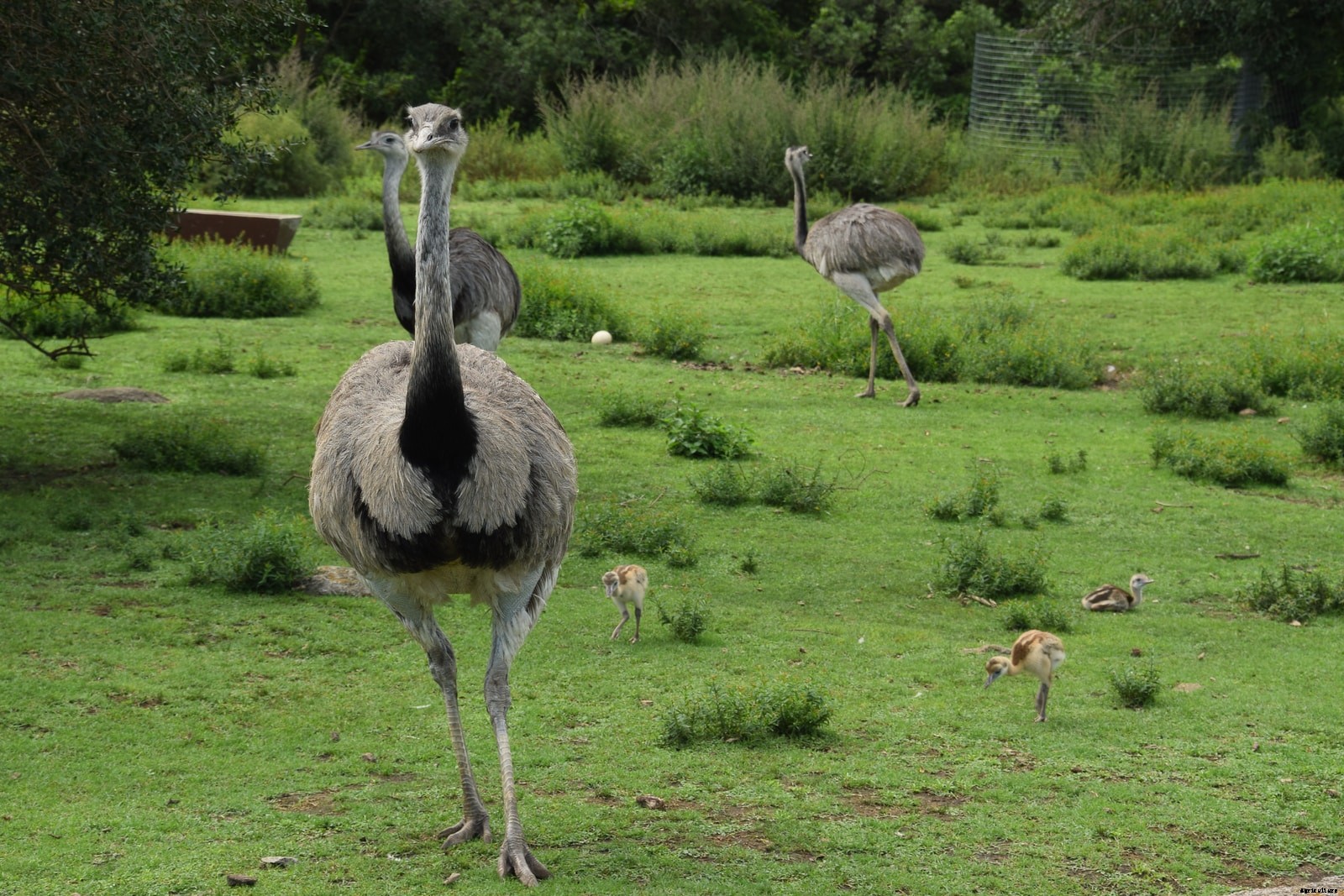
Have you ever seen an ostrich in its natural habitat? Are you aware that ostriches are the world’s largest birds? Although ostriches are birds, they lack the capacity to fly. Ostriches are enormous birds with long necks and lengthy legs. I’m sure you were unaware that ostriches can run at speeds of up to 40 miles per hour and live for more than 50 years.
Ostrich farming has grown throughout the world for a variety of reasons. The first and most obvious reason is that ostrich meat is extremely nutritious. Ostrich meat is fat-free, cholesterol-free, and even calorie-free. Ostrich meat is a more healthful alternative to beef or chicken. This is why many people select ostrich meat as a source of protein in their diets.
Ostrich feathers are exquisite. That is why many of us seek them. The leather of the ostrich is considerably more prized. This leather is produced only by ostrich farming. The leather of the ostrich is supple but tough, and it is well-known for its characteristic quill patterns. The majority of ostrich farming income come from the sale of ostrich leather.
Ostrich farming is extremely profitable due to the high demand for ostrich feathers and ostrich oil. To manufacture them, however, a large number of ostriches are required. That is why ostrich farming is frequently not centered on the production of ostrich feathers and oil. Too many livestock are required for the ostriches to fulfill even a single request.
Ostrich farming is arguably a more profitable venture than cattle ranching. Ostriches are extremely reproductive birds. Each year, they can produce more than 40 young animals. The gestation period of a bird is approximately 42 days. Ostriches can be bred for a period of more than 30 years. You can determine the number of young ostriches that ostrich farming can generate each year.
Generally, ostriches are bred in pairs, trios, or colonies. Male ostriches are capable of serving two or three ladies. Female ostriches lay the eggs, however they frequently take breaks before continuing to lay.
Nowadays, discussions regarding ecologically sustainable ostrich farming are extremely prevalent. This kind of ostrich farming has been gaining traction in recent years. Environmentally responsible ostrich farming refers to producers who practice environmentally sustainable breeding methods. No steroid, antibiotic, or hormones are administered to ostriches. Animals are never compelled to eat. They are left alone to forage for natural foods.
Nonetheless, birds are slaughtered and sold for profit in ostrich farming.
Obstacles to ostrich farming exist. The first is that birds are frequently fed in an inhumane and inefficient manner. Ostrich farming does not provide the birds with enough care.
Ostrich farming is an absolutely magnificent alternative to cattle rearing. If you enjoy bird watching, ostriches are stunning creatures. Ostrich farming is a fascinating and lucrative business.


