
Welcome to Modern Agriculture!

On April 10, 2018, an E. coli outbreak in the US was reported to the CDC. By April 9, 17 people were already infected. At the time this blog was published, there had been 149 infected people from 29 states, 64 hospitalizations, 1 death, and zero recalls.
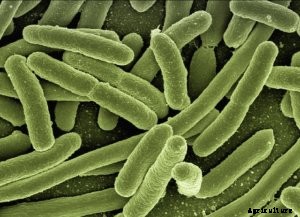 Foodborne illness outbreaks are largely preventable by practicing food safety. While accidents happen, there are many things you can do to prevent contamination and thwart illness before it ever has a chance to reach your customers.
Making someone sick can have serious consequences. Did you know that listeria can cause paralysis and even blindness? That salmonella can cause chronic arthritic pain?
Contamination is a risk in every step of the process, from production to preparation. While farming indoors with controlled environments and little to no risk of animal contamination can mitigate many food safety concerns, it is still an important issue to consider.
Here are the top things to consider when involved in selling or producing commercial produce:
(These are suggestions, so please make sure to consult your state and federal regulations before selling any produce.)
Making sure that you and your employees practice good hygiene, especially before entering the farm, is momentous in preventing contamination.
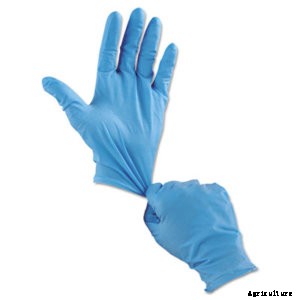 Hands—to avoid contamination, wash hands thoroughly for at least 30 seconds and wear gloves when handling produce. This doesn’t mean those flimsy, scratchy, cloth gloves you get from Ace Hardware for gardening. It’s a good idea to get one-use, latex-free (to avoid allergens) nitrile gloves. Dispose of them after each use.
 You probably rely on external suppliers for many items within your farm; from structural components to system inputs. Any one of these could potentially harm your product, so choose very carefully where you get your supplies.
What about your seeds, plugs, trays, lights, and even nutrients? Are they guaranteed to be safe? When possible, get a letter of guarantee for each of the items supplied to you by an external supplier. This is your opportunity to make sure that all of your supplies meet your high standards for food safety!
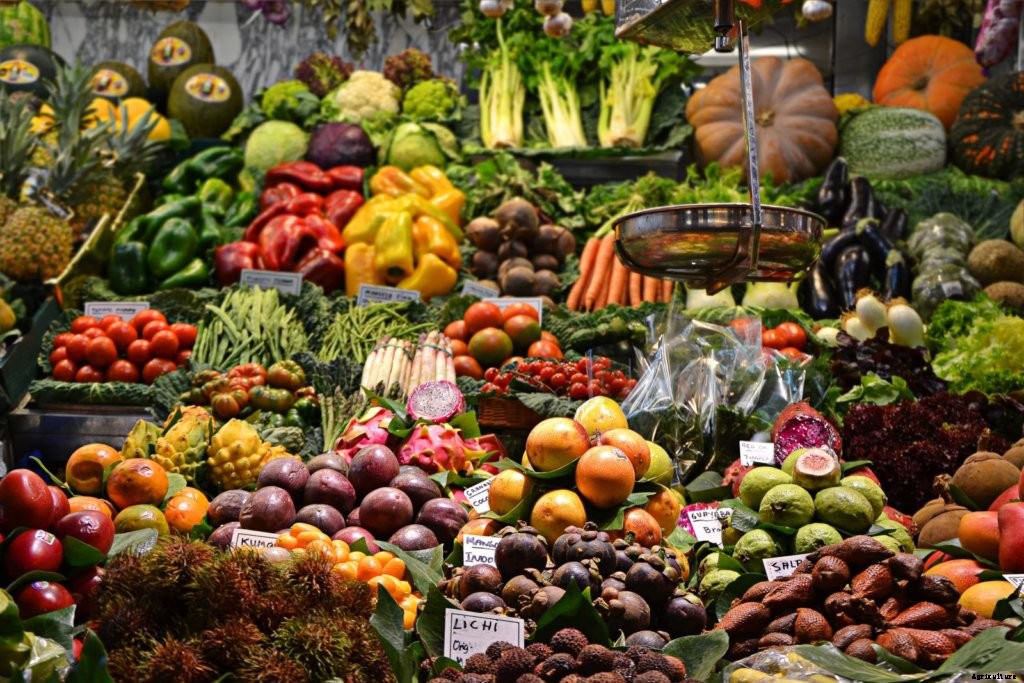
If one of your plants becomes contaminated, it’s likely that the plants surrounding it are also at risk. Traceability allows you and the consumer to identify where in each plant’s life cycle they may have been put at risk. Consider tracking each plant from seed all the way to packaging and sale. You don’t have to track each and every seed, but you should track from which supplier the seeds came, and from which package. This could be a life-saver if a plant was contaminated as a seed before it even reached your farm.
In addition to seeds, track the other items in your supply chain. For example, document which tray held each seedling and where that tray came from. An easy way to do this is to assign each system component a name, a number, or a combination of the two. Use a spreadsheet or a traceability software to keep track of them. This way, if one of your consumables has a recall, it’s easy for you to identify where and how you use it in your farm.
Recall program. Recall programs are often implemented in very large-scale commercial food service companies and are used to remove product from the market that has been identified as being potentially harmful to consumers. Unless you are a large commercial supplier, you probably won’t be too involved in this.
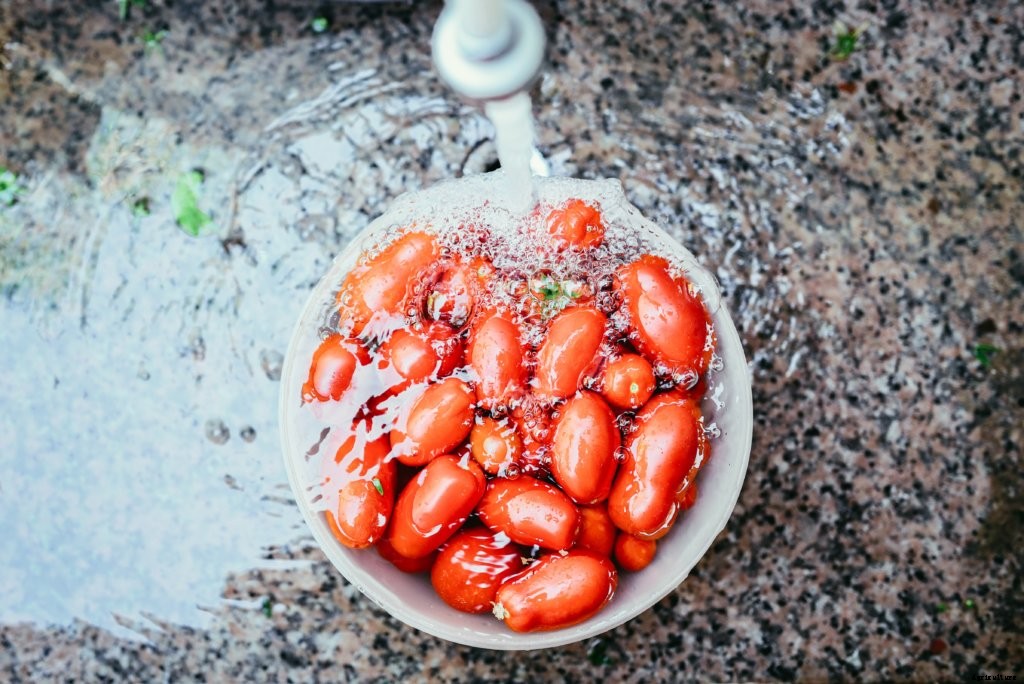
GAP: Good Agricultural Practices. These ensure that your grow operations encourage a food-safe environment. GAPs make sure that the way you grow your produce is safe and clean. These are often required by grocery stores, so if you plan on entering that market, make sure to ask if they’re required. We recommend that everyone who sells produce acquire a GAP certification.
GMP: Good Manufacturing Practices. These are requirements you must meet to ensure that you produce safe food, and focus on the food processing at your farm. This means harvesting and anything that happens to the produce after. These practices track the quality of almost everything that happens in your farm, including your system components and processes.
Whether it’s just you running your farm or you employ helpers, you need to make sure that everyone entering your farm is aware of the food safety risks and the tools they can use to prevent illness. Though there is more concern when you’re selling your produce to a market, you should also keep good food safety practices if you run a small hobby system at home. You can ensure that your produce is safe for consumption and keep your consumers healthy by employing food safety tactics in your farm.
“About 48 million people in the U.S. (1 in 6) get sick, 128,000 are hospitalized, and 3,000 die each year from foodborne diseases, according to recent data from the Centers for Disease Control and Prevention. This is a significant public health burden that is largely preventable.” — FDA FSMA https://www.fda.gov/Food/GuidanceRegulation/FSMA/

