
Welcome to Modern Agriculture!


If you want to start living sustainably and have a vast land area, constructing a tilapia pond will be beneficial. Aside from harvesting fish to provide meals for the family, it can be a great source of income because tilapia can grow relatively faster than other fish species. It is also quite tolerant of different living conditions. Building a tilapia pond in your backyard is highly recommended once you have learned some of the critical facts in building one.
Starting a tilapia pond is tedious but at the same time rewarding. It is vital to understand the process of pond building which involves the following steps to ensure success in tilapia fish farming:
In this article, we will discuss the specific steps mentioned above to ensure that your sustainable food source is constructed well.
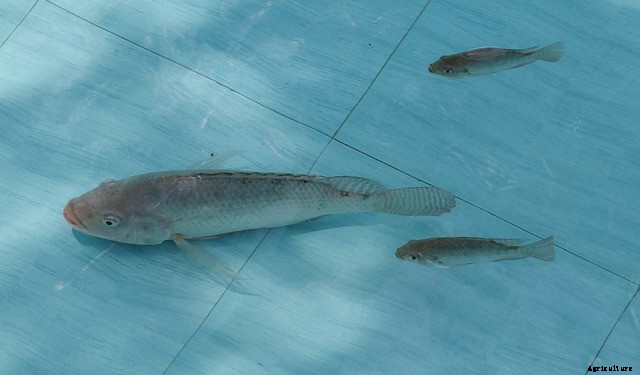
The first step in building a tilapia pond is identifying its location. A good site for a pond is near a natural water source. However, it is essential to note that the pond location should not be affected by flooding during rainy seasons.
Aside from water considerations, the grower should also make sure that the pond has direct sunlight to facilitate fast algae growth. Algae is essential in a pond culture because it is the source of food for the fish. Unlike in tanks where the fish are fed, most ponds rely on this micro-plant to provide nutrients for the fish.
Another thing to look into is the soil quality in that particular area. It is suggested that the grower conduct a soil test to determine whether the soil grade is suitable for pond construction. For example, clay can hold water while sandy soils cannot.
The next step is to start building the pond through dozing. The soil needs to be removed from the site to create the desired depth, which should not be under one meter using any earth-moving equipment. The pond size, on the other hand, depends on the number of fish to be grown. For instance, two to three mature fish is suggested for every square meter.
If the pond is directly connected to waterways like a canal, using fine-meshed fences is recommended to avoid the fish from escaping. The practitioner should also check the pond bottom for any rocks, stumps, and other organic material that may affect the soil’s smoothness and firmness.
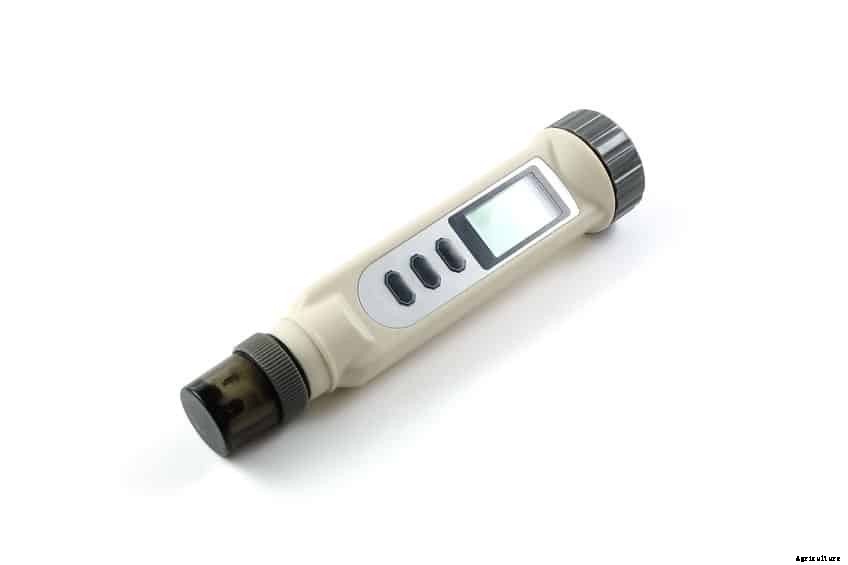
If the pond water source is from reservoirs or waterways, it is suggested to install inlet and outlet pipes. These are essential in ensuring that the pond water level is maintained and can completely drain the area after tilapia harvest. Here are some other details that interested practitioners should keep in mind if the pond does not have a natural flowing water source:
After the initial construction, the pond should be fertilized one week before tilapia stocking. Organic matter like chicken manure can be used as fertilizer at the ratio of one kilo for every square meter of surface water. Fertilizers are necessary for algae production, which is the food source of the tilapia in the pond. If there is no organic matter to be used, commercial fertilizers can be sourced from Amazon and other online and local stores. Just make sure that the application guidelines are carefully followed, depending on the brand.
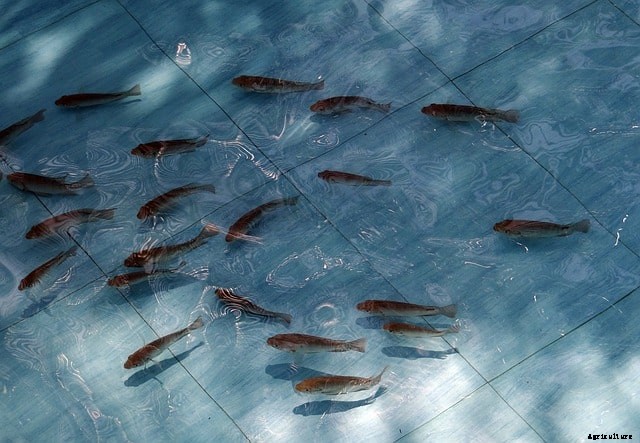
Tilapia is considered the second most farmed fish next to carp, according to sciencemag.org. In fact, in 2012, the population of tilapia surpassed 2.5 metric tons, and its estimated value was 1.8 billion. Because of this, many commercial hatcheries now offer fingerlings of different varieties of tilapia. When choosing the fingerlings, it is advisable to consider the following:
To learn more about what you should know before looking for tilapia fingerlings for sale, click here to read our in-depth article.
One of the keys to a successful tilapia pond is proper fish stocking. The fingerlings should be stocked in a ratio of five per square meter during cold weather. If not possible, ensure that the pond has the same temperature as the water from the fingerling container.
In cases where the practitioner chooses to grow fingerlings in the pond, selecting good breeders would be necessary. Breeders should be stocked in the ratio of 20 pairs for every square foot.
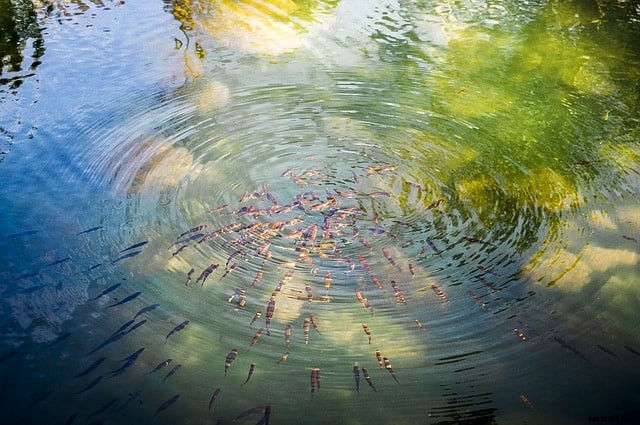
Knowing how to maintain a pond is also crucial for good fish harvest. Here are some things to follow in caring for a tilapia fish pond.
The challenge in building a tilapia pond will be lessened if the practitioner will ask for guidance from experts in tilapia pond culture or read relevant articles in constructing one. To recap, here are the seven steps that one should follow in starting a tilapia pond: selecting the pond location,
constructing the pond, preparing and maintaining pond water, fertilizing the pond, securing tilapia fingerlings, fish stocking, and performing proper maintenance.


