
Welcome to Modern Agriculture!

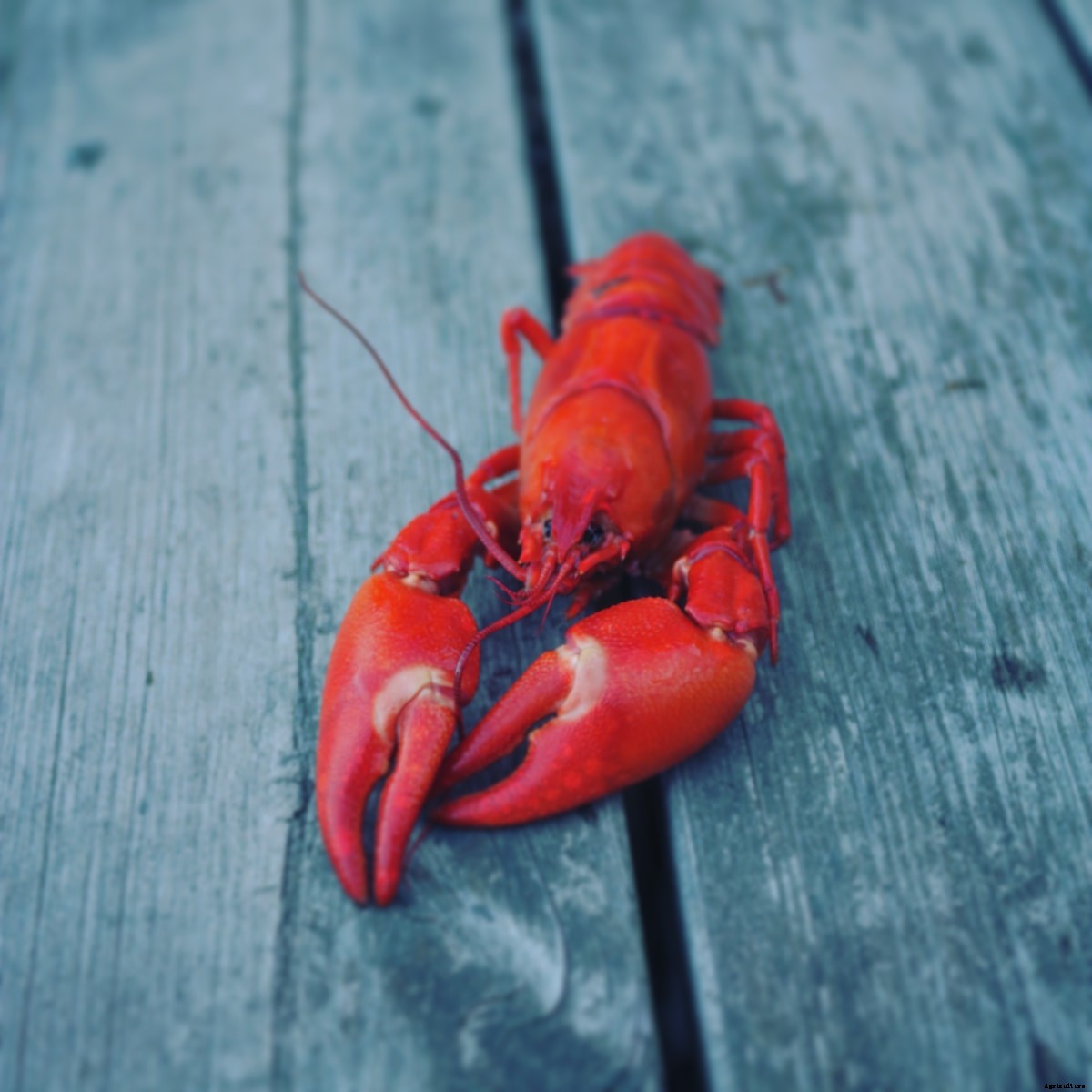
Commercial lobster farming is on the rise and is a highly lucrative venture. Lobsters are the largest of all the expensive marine crustaceans. The weight of a fully grown lobster ranges from 250 to 400 grams. Lobster farming can be easily begun by raising a variety of fish species, such as Tilapia and Clarias garepinus, alongside the lobster.
The management of lobster ponds in Nigeria must be excellent if Nigeria’s lobster industry is to see considerable growth. A higher concentration of oxygen is required in the pond where the lobster will be raised. The chosen pond needs to be large enough to accommodate frequent changes. As a result, locating the pond near a river or canal is preferable. This will guarantee a steady flow of water. If a river or canal isn’t nearby, a tube well can be dug to ensure a steady supply of freshwater.
In order to grow lobster, you need sandy soil, and you also need to make sure there is plenty of sunlight available. Large trees along the pond’s shore should be avoided whenever possible. However, it is preferable if the pond is built on at least an acre of land. The pond’s depth should be in the range of 1 to 1.5 meters.
There are several varieties of lobster to choose from, like the Adik-adik, bamboo, and tiger lobsters. As their names imply, these three species are distinct from one another. The reddish-black adik-adik lobsters are the most common type. The bamboo lobsters aren’t actually bamboos; instead, they have striped legs. Tiger lobsters, on the other hand, have spotted legs.
For proponents of lobster aquaculture in Nigeria and other developing nations, the main goal is to get into the lucrative worldwide lobster markets that already exist. According to estimates, 70% of Nigerians live below the poverty line, making it difficult for them to afford high-priced seafood. Furthermore, the country exports 70% of its trawled lobster catch. There was a shortage of roughly 500,000 metric tons in Nigeria’s fish demand in 2005, according to estimates. Local supply was 500,000 MT, and imports were 700,000 MT. If fish demand and supply continue to be so far off, the best choice is to implement lobster production plans that will ensure the nation’s protein security and lessen reliance on unreliable imports.
However, because lobster farming is a capital-intensive business, the government of Nigeria should support lobster producers in the area of finances and credit facilities. A significant amount of nitrogenous waste is produced during lobster aquaculture, and the Nigerian government must take this into account.


