
Welcome to Modern Agriculture!

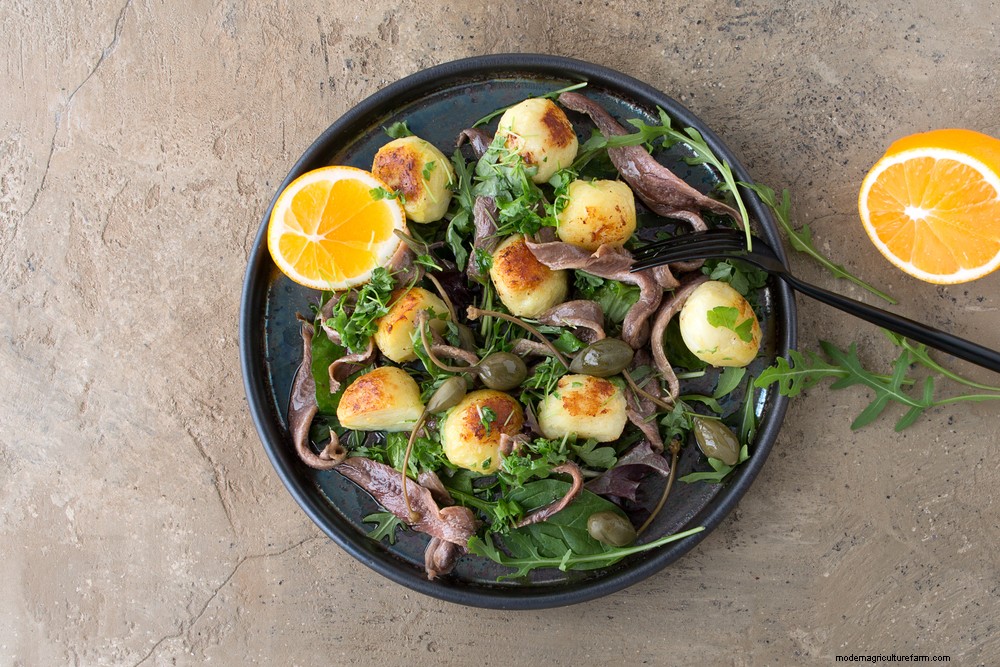
Compared to some other wild-caught species, anchovies don’t result in huge amounts of bycatch. Not only that, but the small, silver fish are affordable and packed with essential nutrients. Consider adding anchovies to your sandwiches, pizzas or salads. You can also try adding them to dressings and sauces for a natural burst of umami.
Mackerel have suffered from overfishing in many parts of the world, but there are still ways to enjoy this fish responsibly. Just remember to check your source, and look for mackerel that has been locally caught using hand-line methods. If you’re ever unsure, ask the fishmonger at the grocery store. Try baking, roasting, smoking or grilling this fish at home—it tastes great no matter how it’s cooked.

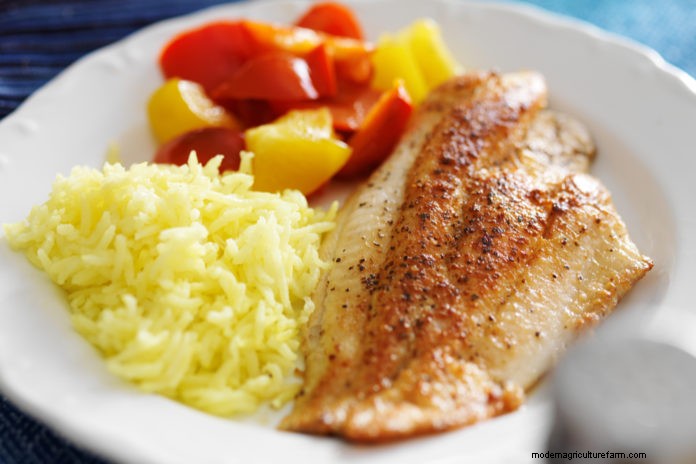
Unlike anchovies and mackerel, Tilapia is a farmed freshwater fish. For people with doubts about the species, there are dedicated producers—like Regal Springs Tilapia farmers in Mexico, Honduras and Indonesia—who work hard to ensure the fish is raised responsibly. What’s more, by giving the fish plant-based feeds, these farmers help develop the mild flavor that makes Tilapia suitable for tacos, pastas, soups and other great dishes.
Sardines are among the most sustainable fish—but only if they’re responsibly sourced. When in doubt, do your best to support small local fishing communities and other certified suppliers that have committed to safe fishing practices. Since this fish contains a myriad of vital nutrients (omega-3, vitamin D, calcium), it’s worth incorporating into your meal prep.
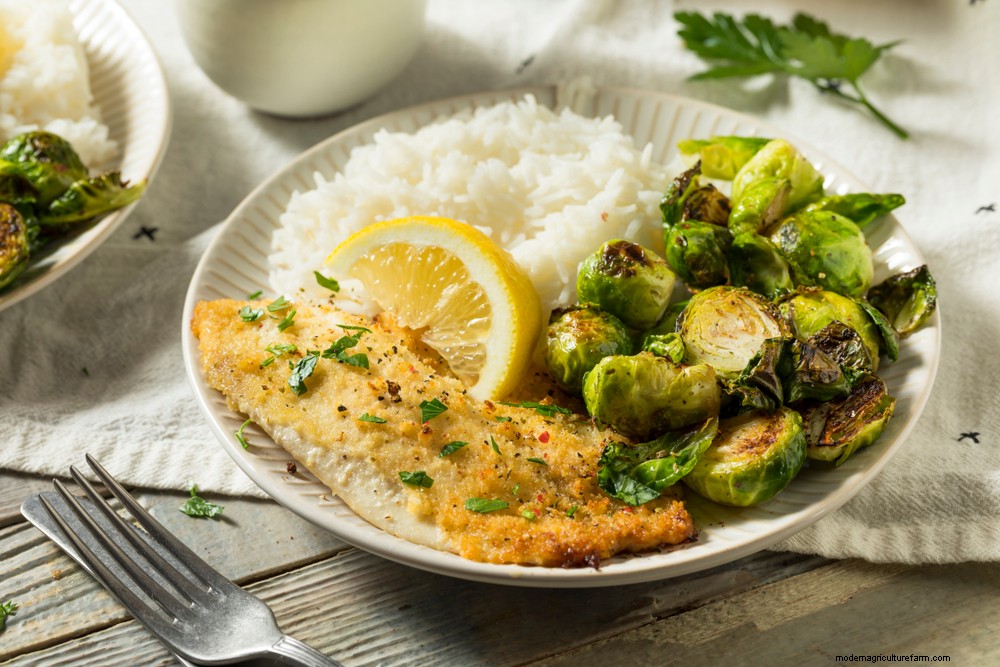
This is considered a smart seafood choice for a couple reasons. First, the population remains above target levels, meaning it’s not at risk of being overfished. And second, most of the fishing gear used to catch yellowtail rockfish doesn’t come in contact with the ocean floor. Since yellowtail rockfish contains high amounts of selenium, a powerful antioxidant, this species is also a smart choice for your health.
Before you head to the market to plan for your next meal, it’s important to do some research. By trying your best to choose local or otherwise responsible seafood options, you not only get to enjoy a great meal, but also protect the environment.
Learn more about aquaculture and other fishing best practices.


