Welcome to Modern Agriculture!

Betta gill flukes can happen at any time in your aquarium. That’s why it’s so important to know the causes and symptoms as well as how to treat and prevent them.
If your betta is suffering from gill flukes then this guide is going to tell you everything you need to know to give your betta a speedy recovery.
Gill flukes are a type of parasite that breed and grow in your bettas gills. They are similar to skin flukes, however, you’ll most often find skin flukes on the sides of your betta instead of the gills.
But in any case, it’s possible that gill flukes will latch onto skin and vice versa. The good news is treatment and prevention for both are the same.
Also, gill flukes are incredibly small growing up to 0.3mm at their biggest, so don’t expect to see them.
There are a number of different ways gill flukes can infect your betta. The most common reason that your betta will get gill flukes is when the conditions in your tank are poor.
Poor water conditions are going to cause stress to your betta, weakening their immune system and making them more susceptible to parasites, bacteria, and fungus.
As well as poor water conditions, they can also be introduced to your tank when you introduce new plants and fish. Both of which can carry the flukes themselves, and their eggs.
That’s why it’s so important that you quarantine any new fish or plant before adding them to your main tank. Here’s an article you can read if you don’t know how to set up a quarantine tank.
Because gill flukes are so small you’re not going to spot them as easily as you would other infections, like anchor worms, ich or velvet. Because of this, you need to know the symptoms of gill flukes in order to treat them effectively. Here are the most common symptoms.
The longer your betta has gill flukes the more damage their going to do. When his gills start to fail, you’ll notice your betta swimming to the surface and gasping for air.
However, make sure you notice this sign with other symptoms as it can also be caused by ammonia poisoning.
In more severe cases you may also notice that the gills have become damaged and look like they’re being eaten away. At this stage, you’ll need to act very quickly to make sure your betta makes a full recovery.
Gill flukes often cause your bettas gills to become covered in mucus. This is his bodies way of trying to fight the infection and flush out anything bad from his system.
If you notice his gills are covered in mucus you should make sure that he’s not suffering from columnaris which can also cause this to occur. The main difference is that only the gills will be affected with gill flukes, whereas if your betta is suffering from columnaris other parts of his body may produce mucus as well.
One of the biggest signs that your betta has a skin or gill infection is when he’s scraping against things. You may notice him constantly rubbing up against decorations or the substrate in your tank.
When you see this, you’re actually watching your betta trying to scrape off the parasite from his gills. But it’s not just gill flukes that cause this to occur. Any bodily infection such as ich, velvet, and columnaris may cause this to happen.
A combination of damage from the gill flukes and your betta scraping is going to cause ulcers and wounds to show on your betta’s body. They should be located close to his gills, however, they could be anywhere on his body if he’s scraped against something for too long.
Because the symptoms of gill flukes aren’t unique to gill flukes alone you may be finding it hard to diagnose them. The best thing you can do is check to see whether everything is localized to the gills. If they are then it’s a pretty good chance that your betta is suffering from gill flukes.
This is one of the reasons it’s important to always have a betta first aid kit ready. Having one ready is going to enable you to provide the right treatment.
(Gill flukes aren’t the only parasites that can affect your betta! Check out this complete disease and illness guide for bettas to help you figure out what could be wrong with your betta!)
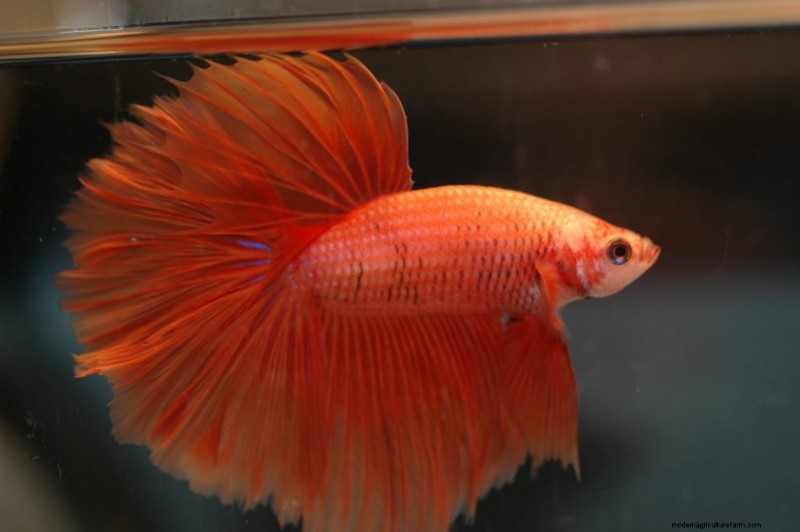
There are a couple of different ways that you can treat betta gill flukes. And if you act quickly, both ways are going to be effective. But before you start treating your betta, you should move him to a quarantine tank.
Adding medicine to your main tank can have disastrous effects. For example, future diseases could become more resistant to medication. As well as that, medication can often wipe out your bacteria colony which will result in having to cycle your tank again/ And on top of that there may also be spikes in ammonia.
And of course, other living things in your tanks may not respond so well to the medicine. Plants and invertebrates are normally the first to be hit hard by medication in your tank.
The easiest way to treat gill flukes is by using anti fluke medication. A great choice is API General Cure. Don’t be put off by its name. While it is a general cure, it’s specifically designed to fight parasitic infections. If you want to use general cure then here’s what you should do.
However, you should be aware that if you plan on using API General Cure it does come with a warning that says it may cause cancer. So make sure you avoid getting any of it on yourself and try to keep your aquarium somewhere you don’t spend a lot of time just to be safe.
If you don’t fancy using general cure then there is another method you could try.
An aquarium salt bath can be an effective way of treating gill flukes in more mild cases. However, in more severe circumstances you will need to use medication. Make sure you’re using the right aquarium salt, you can get the right kind off Amazon.
To perform a salt bath do the following:
Check out this article to learn everything you need to know about aquarium salt.
Luckily, gill flukes aren’t particularly common and there are things you can do to reduce the chance of your betta getting them. Most of the prevention tips are common sense for veteran betta keepers, however, if you’re new to caring for bettas then you should definitely give them a read.
If you plan on adding anything new to your tank, then ideally you should quarantine them beforehand. The ideal time to quarantine new fish and plants is 2-4 weeks. At this point, you’ll be able to notice if there’s something wrong with them.
And if they are harboring any diseases or parasites, then they’ll die in the tank before they have a chance to make it into your main tank.
There are two reasons performing frequent water changes is going to prevent gill flukes.
First of all, if there are gill flukes in your tank then by removing some water, you’re going to lower the number of gill flukes floating about, making it less likely your betta will be affected by them.
Secondly, frequent water changes are going to keep the conditions in your tank healthy. Healthy tank conditions reduce the amount of stress placed on your betta, which in turn will keep his immune system strong.
High-quality food is one of the best ways you can make sure your betta has a strong immune system. You want to make sure your betta is getting a mix of live food as well as high nutritious betta pellets.
Because of the nature of gill flukes, if they’re left untreated your betta will often die. The open wounds and sores can become a hot spot for bacteria to infect. Once there’s a secondary infection your betta will become sicker until the point he passes away.
On top of this if gill flukes are allowed to penetrate deep enough and do enough damage to your betta then they’re going to make it hard for him to breathe. This could get so bad, that he’ll slowly asphyxiate in his tank. However, it’s more likely he’ll succumb to something else first.
Now that you have all the knowledge necessary to treat betta gill flukes you can restore your betta back to full health!
Some of the main points to take away from this article are:
That’s everything you need to know!
Wondering where you can find a complete guide on Betta fish care? Check out this article!
If you liked this article, make sure you check out the rest of the website! And if you have any more questions you can ask them in the Q&A Section!
Subscribe & Get Your Free E-Book!
Subscribe below and not only will you be up to date on everything betta, but you’ll also receive a free eBook. The eBook “How To Build An Aquarium Bonsai Tree” will teach you step by step how you can make an underwater bonsai tree and turn your tank into an underwater garden!
What are you waiting for!