Welcome to Modern Agriculture!

Wednesday, 1 June 2022
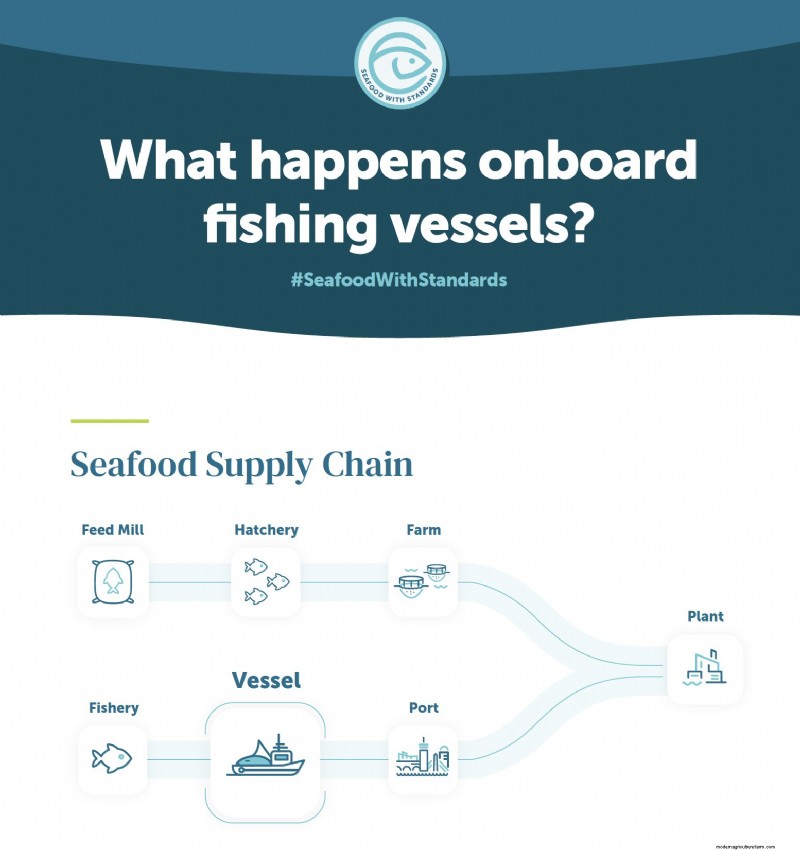
 Note: Each step in the seafood production chain has its own importance, but they work together to create the best quality products for consumers. In the #SeafoodWithStandards campaign throughout 2022, we will be highlighting each stop along the production chain to pull back the curtain and explain what happens there. The next stop is fishing vessels, which connect fisheries to seafood processing plants.
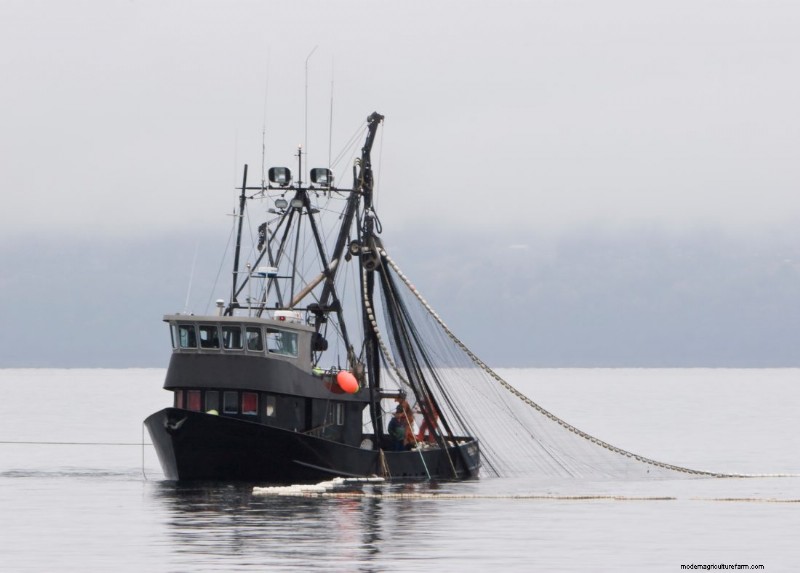
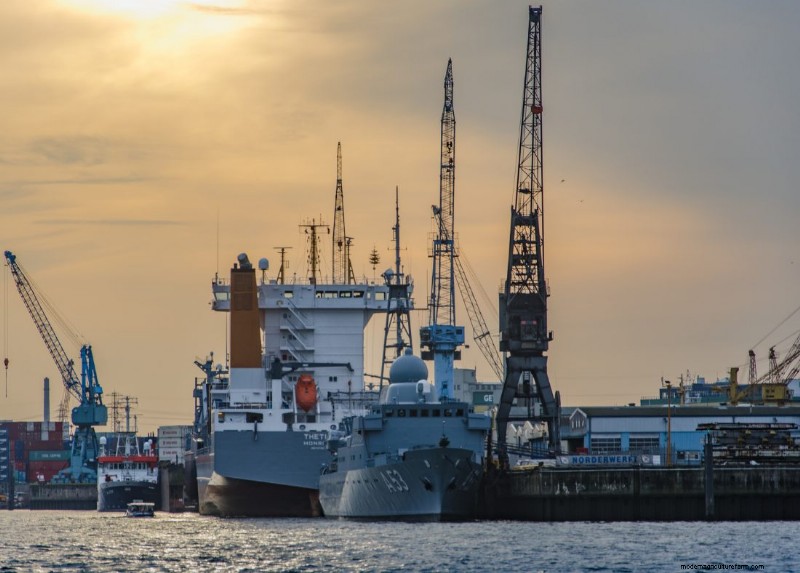
Fishing vessels are boats or ships that are used to catch underwater species in bodies of water. The type of vessel can vary greatly depending on what species the fisher(s) onboard are seeking to catch, as well as how much they are hoping to catch, and how far they are going/what type of water body they are in. Broadly speaking, there are three types of vessels: commercial, artisanal, and recreational.
As of the most recent data from the Food and Agriculture Organization (FAO) in their State of World Fisheries and Aquaculture 2020 report, it is estimated that there are 4.56 million fishing vessels in the world (as of 2018), with 38.98 million people employed in fisheries.
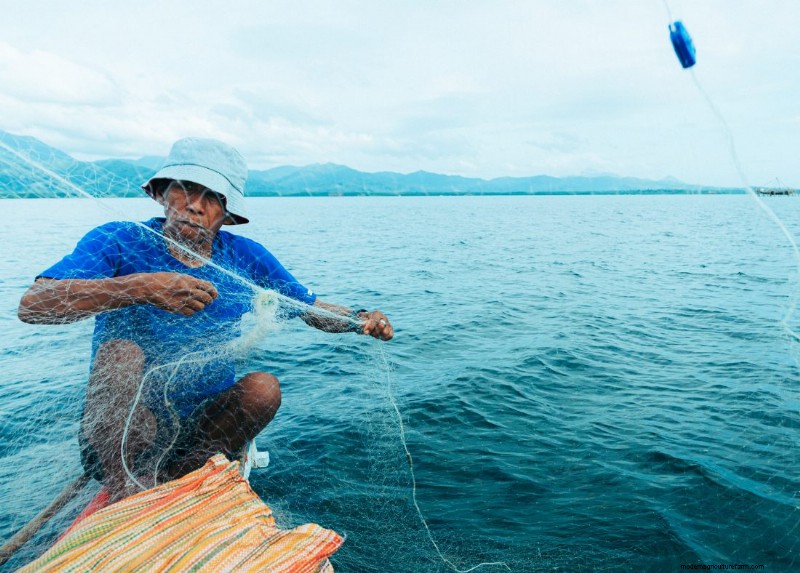
Fishing vessels can range from a one-person boat with a fishing rod out fishing for a few hours, to floating cities with thousands of crew members out on the ocean for months at a time. As there is such variety, each vessel has a different process, but there are a few linkages between most vessels.
 Steps of production onboard fishing vessels, as outlined by Oregon State University:
Employee/crew health conditions, cleaning and disinfection, fish handling should be minimized, HAACP
Fishing vessels catch about 50% of the world’s seafood supply – and seafood is the primary source of protein for millions of people worldwide. Without fishing vessels, we would not be able to catch species that live further offshore from coastal areas. Cleaning and disinfection must be prioritized at every level of vessels, and fish handling should be minimized as much as possible. Furthermore, many larger fishing vessels are armed with the technology to freeze seafood right when it is caught, keeping it as fresh as possible for the eventual consumer.
In addition to their contributions to the global seafood supply chain, fishing vessels offer employment opportunities. With that comes necessary support for those workers.

For larger vessels that employ more people, employee and crew health conditions should be of the utmost importance. Some vessels can be out at sea for weeks or even months at a time. When employees work, eat, sleep and live onboard the vessel, care needs to be taken in prioritizing their needs.
In the past, there have been incidences of unacceptable working conditions onboard some vessels, with reports of slavery and bondage on ships that are out at sea for months at a time. With this history, Global Seafood Alliance has taken over the Responsible Fishing Vessel Standard (RFVS) which seeks to prevent these terrible circumstances. The RFVS works to ensure that when boats are at sea, they are operating humanely and ethically for everyone onboard.
Global Seafood Alliance’s Best Seafood Practices (BSP) program provides assurances to the marketplace that wild seafood has been harvested and processed in an ethical manner with respect for the wellbeing and security of all workers across the supply chain.

The Responsible Fishing Vessel Standard (RFVS) is a voluntary program certifying high standards of operational practices that relate to crew safety and welfare on board commercial fishing vessels. The RFVS is an assurance tool that enables fishing operations to showcase industry-agreed best practice from the catch to the shore through independent, third-party auditing.
The four pillars of responsible seafood are the foundation of GSA’s certification programs. The pillars guide GSA’s work and keep it moving forward sustainably. The RFVS primarily addresses the pillar of social accountability.
The millions of workers aboard fishing vessels deserve a safe and fair work environment. The RFVS promotes a culture of respect, safety and integrity to demonstrate that all crew members are provided with decent working conditions and fair remuneration for their work. The RFVS also ensures that crew members are made aware of their rights and treated with respect and integrity by the vessel owner and skipper(s). Social accountability requirements in the RFVS include:
 Overarching management policies, procedures and systems in place to demonstrate compliance with international standards and conventions
  What about the remaining three pillars of responsible seafood? How does the Responsible Fishing Vessel Standard address those?
Though the RFVS focuses on social accountability, it does have requirements that crossover to two of the pillars of responsible seafood – environmental responsibility and food safety. The animal health and welfare pillar does not apply to RFVS.
 The vessel’s management systems and operational practices must cover how its practices are monitored, assessed and controlled in order to reduce its impact on the environment and non-target species. Environmental responsibility requirements in the RFVS include:
 It is necessary for operators of vessels to have systems and controls in place to minimize the risk of contamination of catch by pathogens, spoilage organisms, foreign bodies, chemicals or allergens. Catch safety and food hygiene requirements in the Responsible Fishing Vessel Standard include:
View the full What happens onboard fishing vessels? infographic.