Wednesday, 6 July 2022
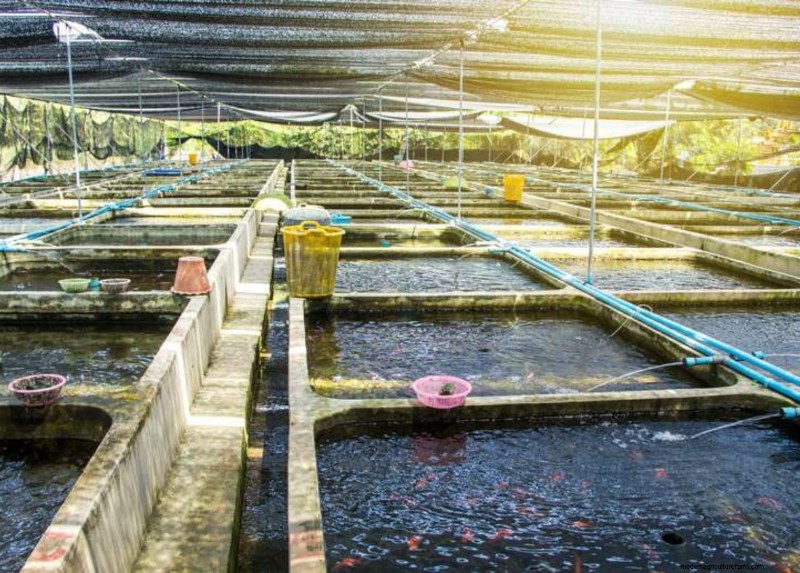
View of a seafood hatchery
Note: Each step in the seafood production chain has its own importance, but they work together to create the best quality products for consumers. In the #SeafoodWithStandards campaign throughout 2022, we will be highlighting each stop along the production chain to pull back the curtain and explain what happens there. The next stop is the seafood hatchery, which connects to seafood farms and occasionally commercial fisheries as well.
What is a seafood hatchery?
Hatcheries are the stop in the seafood production chain responsible for the breeding, hatching, and rearing of young seafood species for seafood farms, and for a few species found in commercial fisheries as well.
Given that aquaculture is the controlled cultivation of aquatic species, hatcheries are the backbone of the process as they are where the aquatic animals are born and brought to maturity.
This step is critical to the entire production chain of seafood. When juveniles are grown in hatcheries, it allows for them to be produced year-round, outside the influence of the natural seasonality of spawning.
What happens at hatcheries?
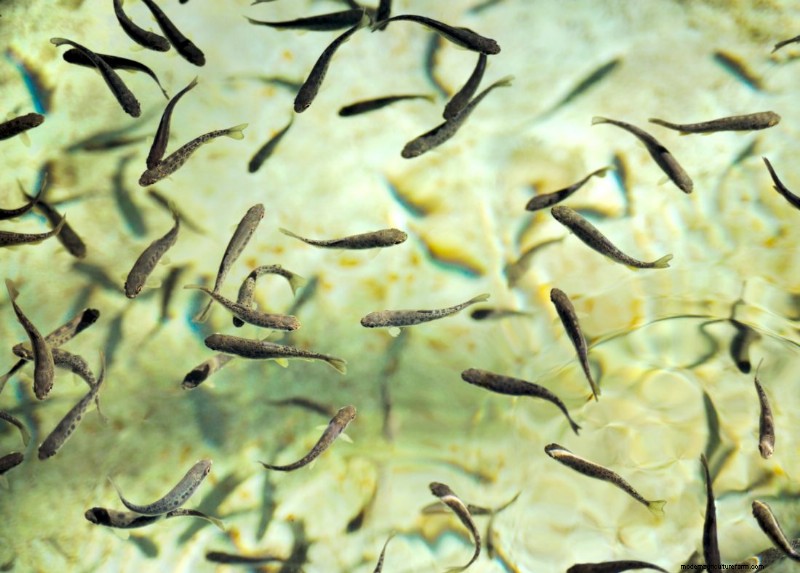
Hatcheries are equal parts laboratory and fish farm. The lab portion of the hatchery facilitates the spawning, hatching of the animals, and caring for the juvenile animals, whereas the fish farm portion ensures the animals reach maturity. Once the animals have reached maturity, they are then transported to either a seafood farm, or released into a commercial fishery as part of stock enhancement programs.
Steps of production at hatcheries:
- Breeding: some hatcheries source wild adults and use them for spawning, other hatcheries keep a maintain a permanent breeding stock.
- Spawning: natural spawning can occur during the spawning season, however, it can be induced through either manual stripping, environmental changes, or hormone injections.
- Fertilization: eggs are fertilized with sperm, then analyzed under a microscope to ensure successful fertilization. Cross-fertilization among many adults is necessary to keep genetic diversity.
- Larvae: nurseries (generally onsite with hatcheries) support the development of the larvae into mature adults.
- Transporting: once the animals are mature enough for transport, they are then transported to the farm.
Why are hatcheries important?
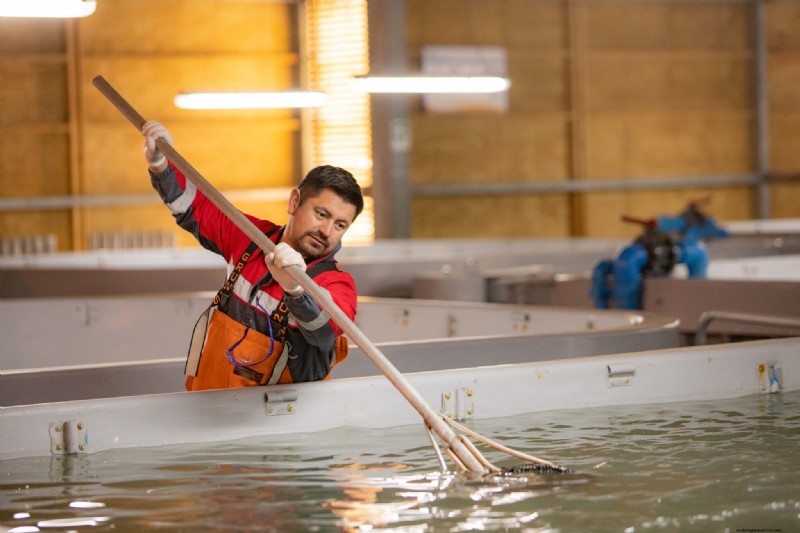 Without hatchery technicians’ expertise in genetic improvement, the ability to produce out-of-season production, and lessening the strain on catching wild-caught juvenile species, the fish farming industry would be nowhere near where it is today. Commercial farms require a steady source of juveniles from hatcheries in order to carry out their production.
Hatcheries are imperative to a flourishing, healthy, and responsible seafood supply chain.
GSA’s Hatchery Standards
 Global Seafood Alliance’s Best Aquaculture Practices (BAP) program provides assurances that producers are following best practices to bring farmed seafood safely and responsibly to the marketplace. BAP certification is comprehensive, covering every step of the aquaculture production chain, and is benchmarked by internationally recognized third parties.
Through its BAP hatchery standards, GSA can verify that responsible aquaculture practices are being used at the hatchery level. BAP’s hatchery standards cover finfish, crustaceans and mollusks. Each hatchery standard covers the four pillars of responsible seafood — food safety, social accountability, environmental responsibility and animal health and welfare.
How do GSA’s hatchery standards support the four pillars of responsible seafood?
Food Safety
 Hatcheries must:
- Have a Health Management Plan in place that describes protocols for all drug, chemical, or hormone treatments.
- Use treatments according to instructions on product labels, only under the oversight of a licensed veterinarian or Aquatic Animal Health Professional (AAHP).
- Maintain detailed records for every application of drugs or chemicals used for approved treatments, or during transport of live animals.
- NOT use antibiotics or chemicals that are prohibited in producing or importing countries in feeds, pond additives, or for any other treatment.
- NOT use antibiotics, antimicrobials, or hormones as growth promoters.
- Comply with local and national regulations if net-cleaning procedures allow the collection, treatment, and disposal of wash water.
Social Accountability
 Hatcheries must:
- Provide current documentation that demonstrates compliance with legal rights for land use, water use, construction, operation and waste disposal.
- Strive for good community relations.
- NOT block access to public areas, common land, fishing grounds or other traditional natural resources used by local communities.
- Provide legal wages, a safe working environment and where applicable, adequate living conditions.
- Comply with local and national labor laws, including those related to underage workers.
- Provide workers with the knowledge and skills needed to do their work safely and avoid creating hazards that could place themselves or others at risk.
Environmental Responsibility
 Hatcheries must:
- Protect and conserve ecologically sensitive areas like wetlands.
- Monitor the concentration/impact of metabolic waste and uneaten feed discharged from facilities and comply with BAP effluent criteria.
- Make observations on sediment quality to determine if and when to move cages.
- NOT cause soil and water salinization or deplete groundwater in surrounding areas.
- Properly manage and dispose of sediment from ponds, raceways, tanks, canals and settling basins (applicable to land-based hatcheries).
- Use feed responsibly by accurately monitoring feed inputs and taking steps to minimize potential risks of contamination or spoilage.
- Comply with government regulations regarding the use of native and non-native species.
- Take measures to minimize escapes and unintended releases of the facilities’ stocks.
- Manage physical interactions with wildlife to avoid adverse outcomes and employ humane, non-lethal measures for predator control where possible.
- Safely and responsibly label, store and dispose of supplies and waste like fuel, lubricants, feed and chemicals.
- Dispose of plastics in a way that will not generate marine litter or have other detrimental impacts on the environment.
Animal Health & Welfare
 Hatcheries must:
- Train employees to provide appropriate levels of husbandry and animal welfare.
- Monitor animal welfare indicators such as behavior, physical health and water quality.
- Have practices in place including disease surveillance and sanitation of equipment and personnel.
- Have biosecurity controls in place that help prevent spread of disease.
- Train both staff and visitors in appropriate biosecurity measures.
- Handle animals in a way that minimizes stress
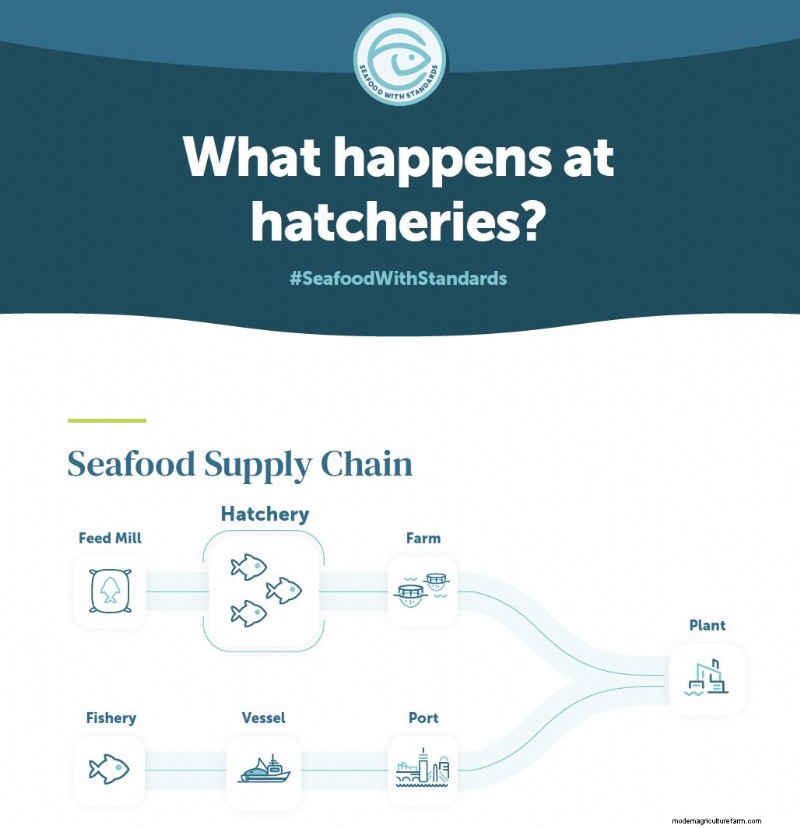
View the full What happens at hatcheries? infographic.