Welcome to Modern Agriculture!

Basil downy mildew spreads quickly, and by the time most growers notice a problem, the plant is often already severely damaged. The good news is that the earliest symptoms are simple to identify once you know where to look.
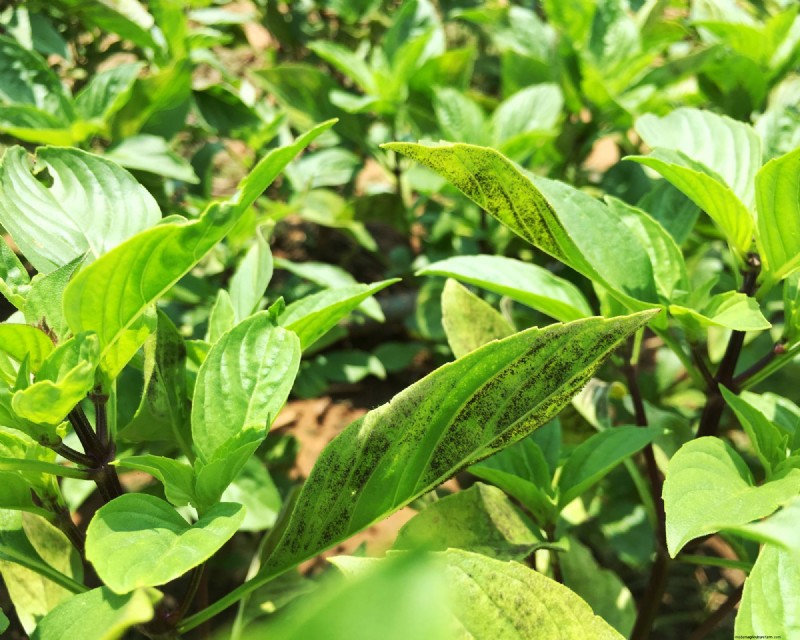
One day a basil plant appears healthy. A few days later the leaves yellow, the undersides become fuzzy and gray, and half the plant is doomed. This is basil downy mildew, a disease that has ruined more summer harvests than any other issue for this herb. It arrived recently and has since spread rapidly, making it almost inevitable for basil growers to encounter it eventually.
It ranks among the most insidious basil diseases because it starts quietly, masquerading as a nutrient problem before any visible damage occurs. By the time the cause is obvious, the plant is often beyond recovery. That slow onset is why basil downy mildew has earned a notorious reputation, and why early detection matters.
(Image credit: Korrakot / Shutterstock)
Despite its name, the culprit isn’t a fungus. It’s an oomycete—specifically, the water mold Peronospora belbaharii, closely related to the pathogen behind potato blight. Ordinary fungicides are not designed to target such organisms, which is why the disease is difficult to control once established. Spores travel on the wind, so a plant can become infected even in a seemingly pristine garden with no obvious source nearby. Fortunately, some basil varieties, such as ‘Noga’ from Botanical Interests, have been bred for resistance.
Downy mildew spores thrive in warm days and muggy nights, especially when water sits on the leaves overnight. Once a spore lands, it germinates, infiltrates the leaf tissue, and begins to infect the plant before the first yellow patch even appears. Sweet basil, the soft‑leaf variety most people grow for pesto, is the most susceptible. Small‑leaf and citrus‑scented basils are slightly more tolerant, but none are truly immune. Spores can also hitch a ride on seed, so a clean start from a fresh packet does not guarantee safety.
(Image credit: The natures / Shutterstock)
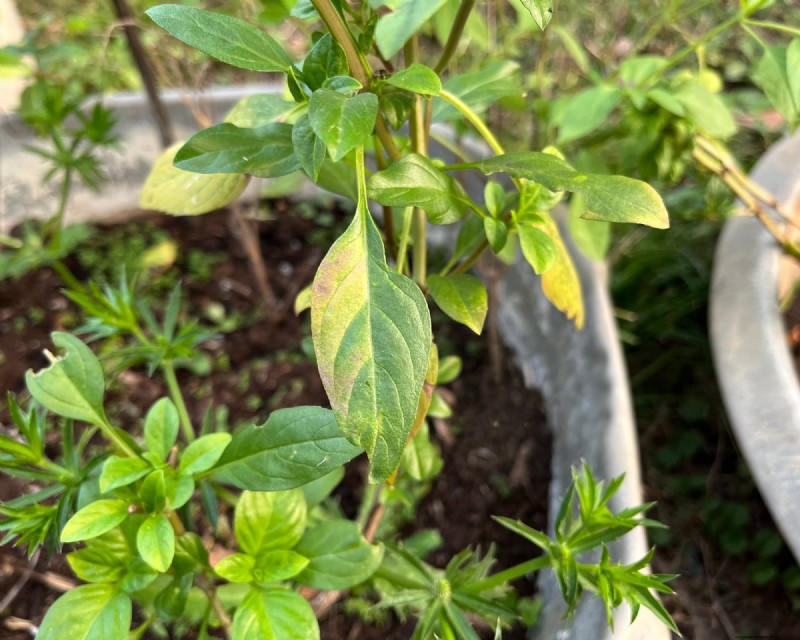
The first signs often look like a nutrient deficiency. Leaves yellow in blocky, vein‑bound patches, creating an angular discoloration rather than a uniform spread. Many growers mistakenly attribute this to a feeding issue and apply fertilizer, which only exacerbates the problem. Inspect the underside of a suspect leaf: a dusty gray‑purple coating that does not rub away is the pathogen producing spores. At this point, the plant is already dispersing spores into the air. Turning over affected leaves twice a week during warm, humid periods is the single most effective check you can perform.
Sign up for the Gardening Know How newsletter today and receive a free copy of our e‑book "How to Grow Delicious Tomatoes".
(Image credit: The natures / Shutterstock)
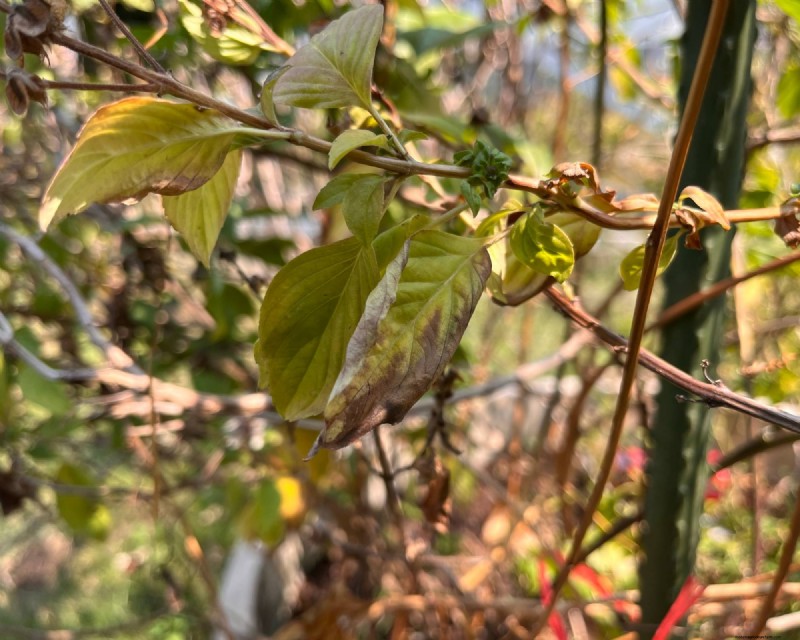
Once downy mildew has firmly established itself, the plant is unlikely to recover. No home spray can reverse an active infection. What you can do is slow the spread and salvage a harvest. Remove infected leaves and discard heavily affected plants. Bag the debris instead of composting it to prevent spore carryover, and keep the remaining foliage dry and well‑air‑circulated; the disease stalls when leaves are no longer wet.
Commercial products serve better as preventive shields than cures. Biofungicides that use beneficial bacteria, such as Bacillus subtilis sprays available on Amazon, can protect uninfected plants when applied early. Copper‑based fungicides offer limited protection against water molds and are washed away by rain, so manage expectations. The key is to apply the first spray before symptoms appear, or you’ll be wasting money.
Once it shows up in your region, the question is no longer if it will appear, but when. Airflow is the decisive factor in controlling severity. Prevention hinges on eliminating the damp, stagnant air the disease thrives on. Many growers make the mistake of crowding basil; give each plant more space than you think it needs, and air will circulate freely.
Watering practices also matter. Water at the base of the plant, preferably in the morning, so leaves dry during the day. Indoor or greenhouse basil often struggles with high humidity, so an oscillating fan can help keep foliage dry.
The simplest defense is choosing a mildew‑resistant variety. Several sweet basils now exist because breeders targeted downy mildew. Pair a resistant variety like ‘Noga’ with good airflow, and you’re almost guaranteed basil success.
Other small measures add up: start with healthy transplants, inspect them for infection, and keep pruning. Basil that is harvested regularly stays open and airy, making it a much less attractive target for a disease that requires moisture and stillness.