
Welcome to Modern Agriculture!

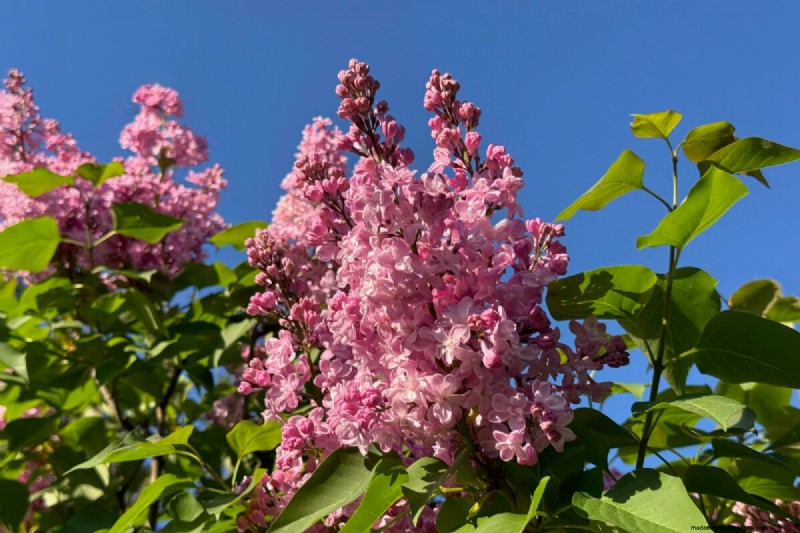
In a small garden, lilacs are often overlooked, yet their unmistakable fragrance can signal their presence from mid‑April to early May—long before you spot the blooms.
To keep a lilac thriving, the most critical practice is timely pruning. Below are expert‑backed steps that will pay off for years to come.
Pruning at the wrong time can mean cutting off next year’s flowers. Two key facts to remember:
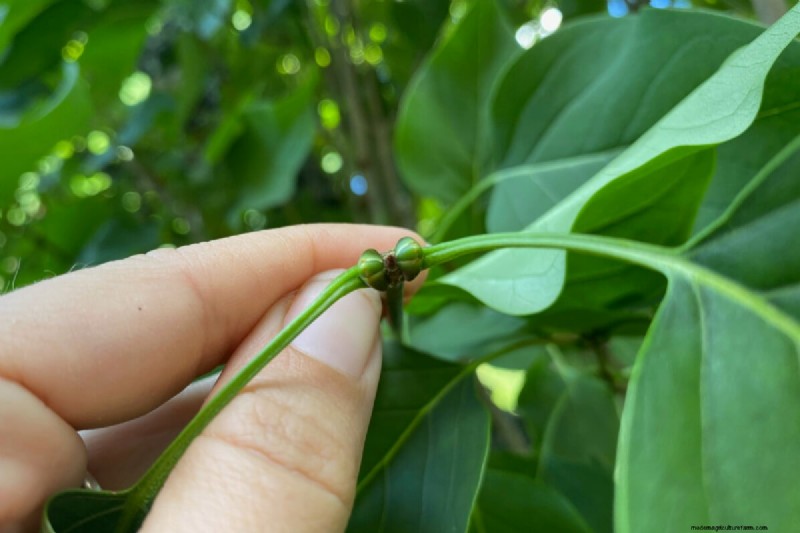
Bud formation in the current season becomes the flower-bearing stems of the following spring. Prune after the current season’s flowers have faded but before new buds set—typically mid‑May to mid‑June, adjusted for your zone.
Common lilacs (Syringa vulgaris) produce blooms only at branch tips. Mature branches that grow tall can appear sparse, concentrating flowers high on the plant. Regular pruning keeps the canopy balanced and encourages fuller flowering.
While most cultivars follow this pattern, newer, compact varieties may bloom more evenly. Knowing your cultivar’s growth habit guides your pruning strategy.
Routine maintenance keeps a lilac manageable and promotes vigorous growth. Follow these three simple steps each season:
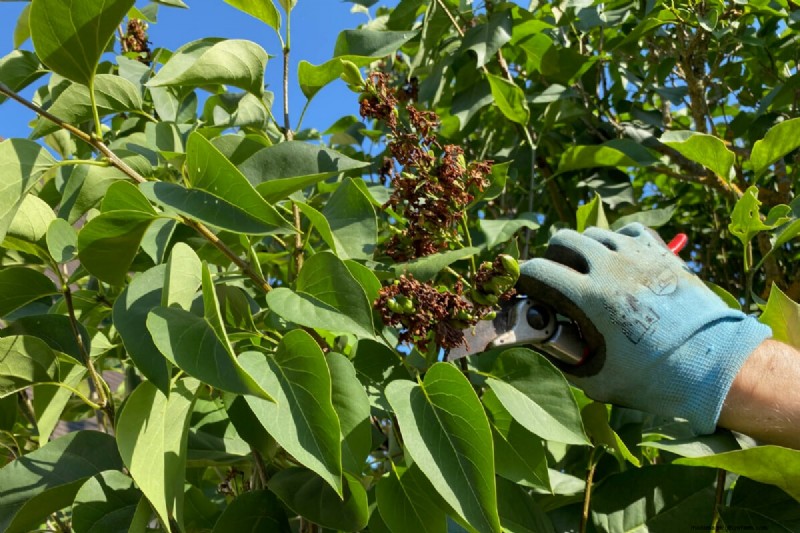
Remove seed pods while they’re still green to conserve the plant’s energy. This practice also helps prevent disease and keeps the shrub looking tidy.
Prune any mildewed, damaged, or dead branches. This “3‑D removal” encourages new growth and improves air circulation.
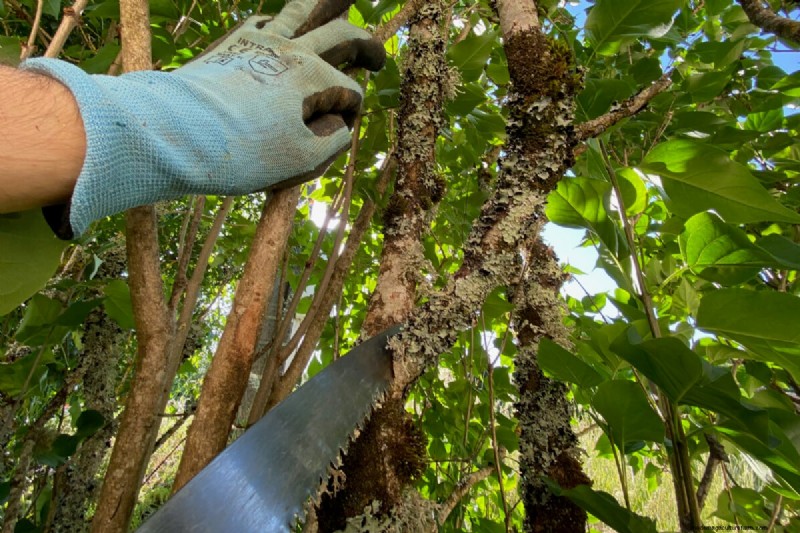
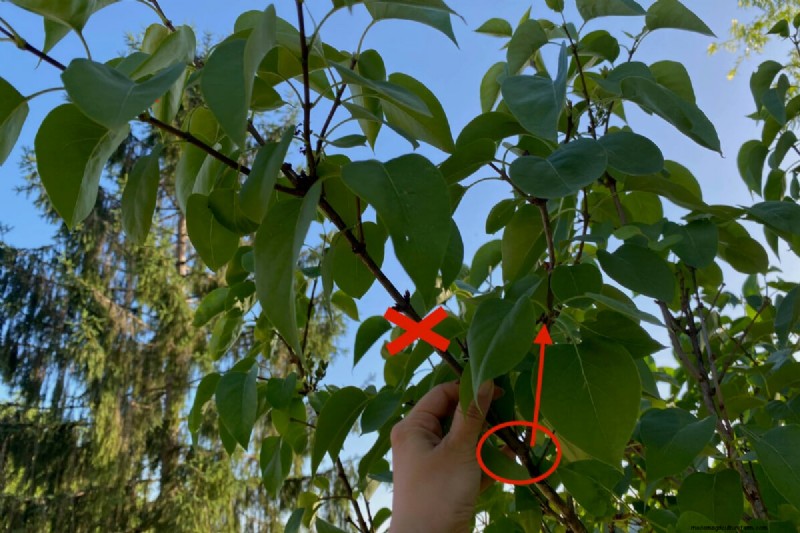
If a lilac is taking up too much space, cut back the longest shoots to the next active branch. This step is optional and can be performed every other year or as needed.
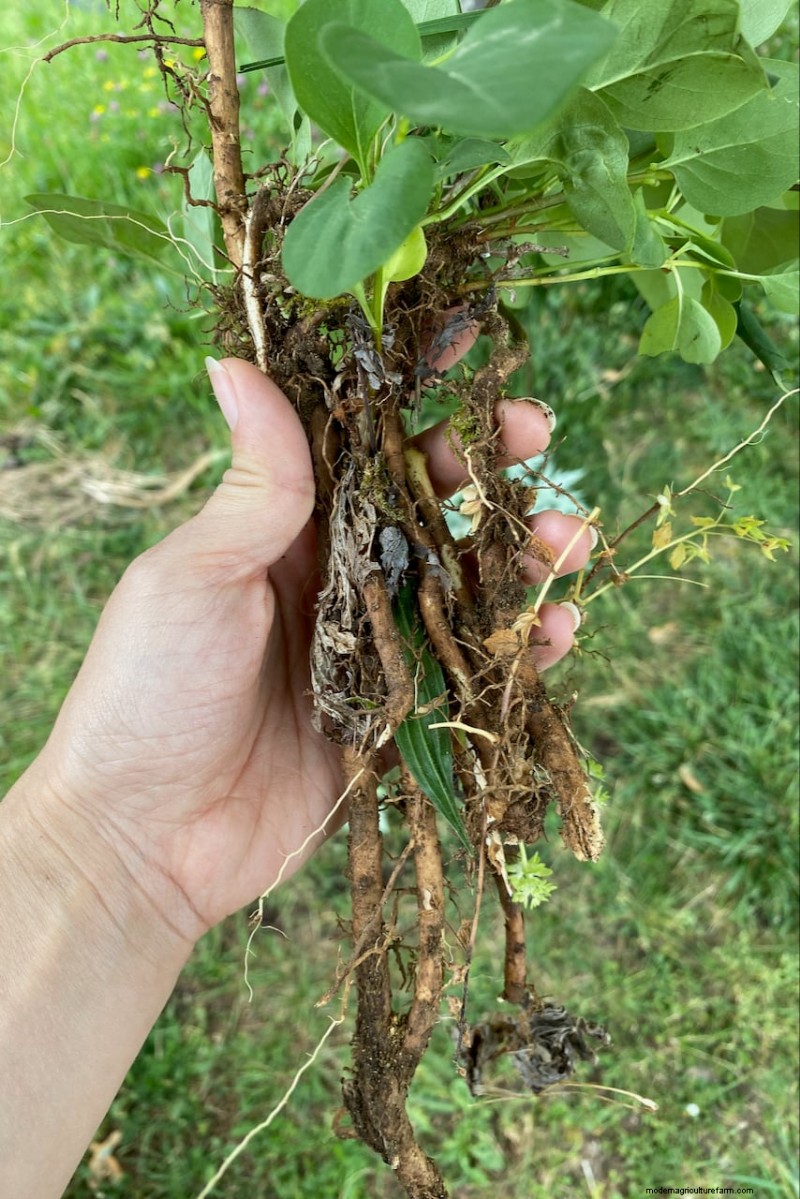
Older lilacs often produce suckers—new shoots from the root system. They signal a healthy plant and can be managed in several ways:
Pull out suckers with their roots if they threaten to encroach on neighboring beds.
Dig up suckers, replant them in pots, and grow them into independent shrubs. This method is ideal for creating a hedge or gifting plants.
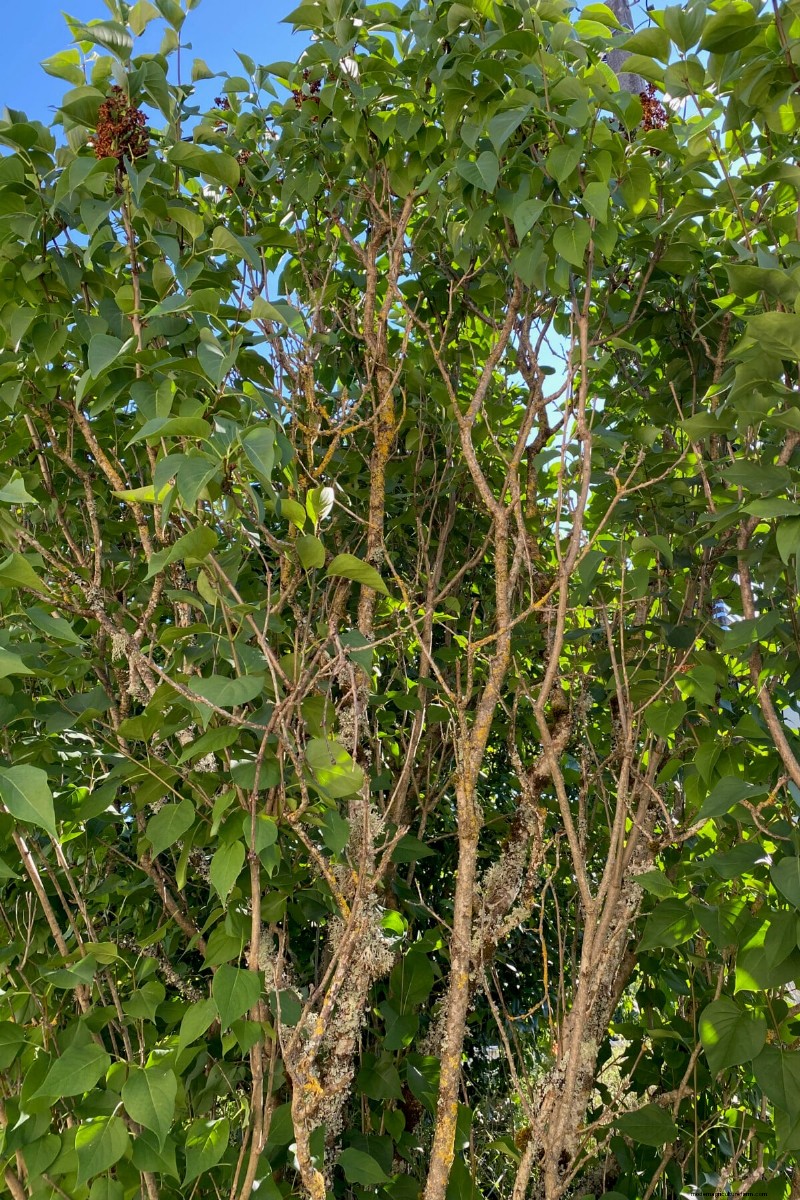
When maintenance is neglected for 6–8 years, lilacs can become top‑heavy and under‑productive. Rejuvenation pruning restores vitality in a gradual, multi‑year process.
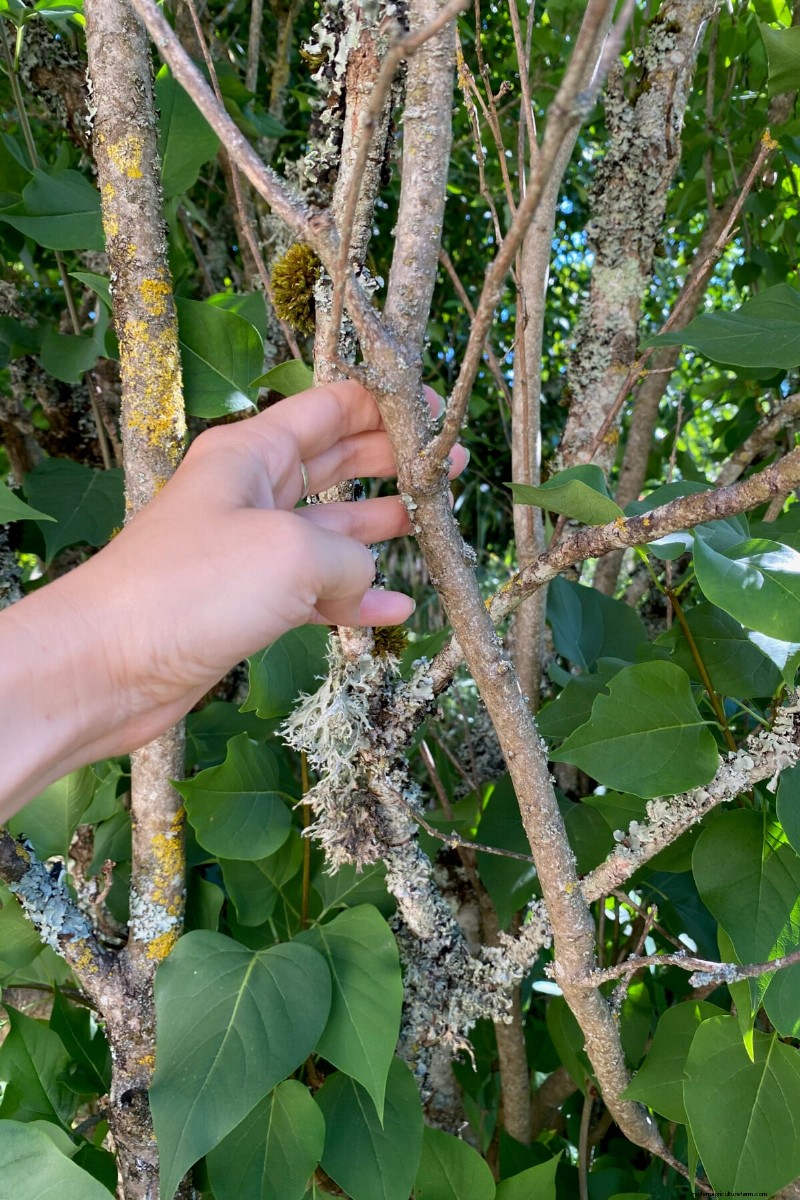
Begin by trimming back the oldest third of the overgrown branches, leaving the healthiest growth intact. Repeat this three‑step cycle over three years, always cutting as close to the base as possible.
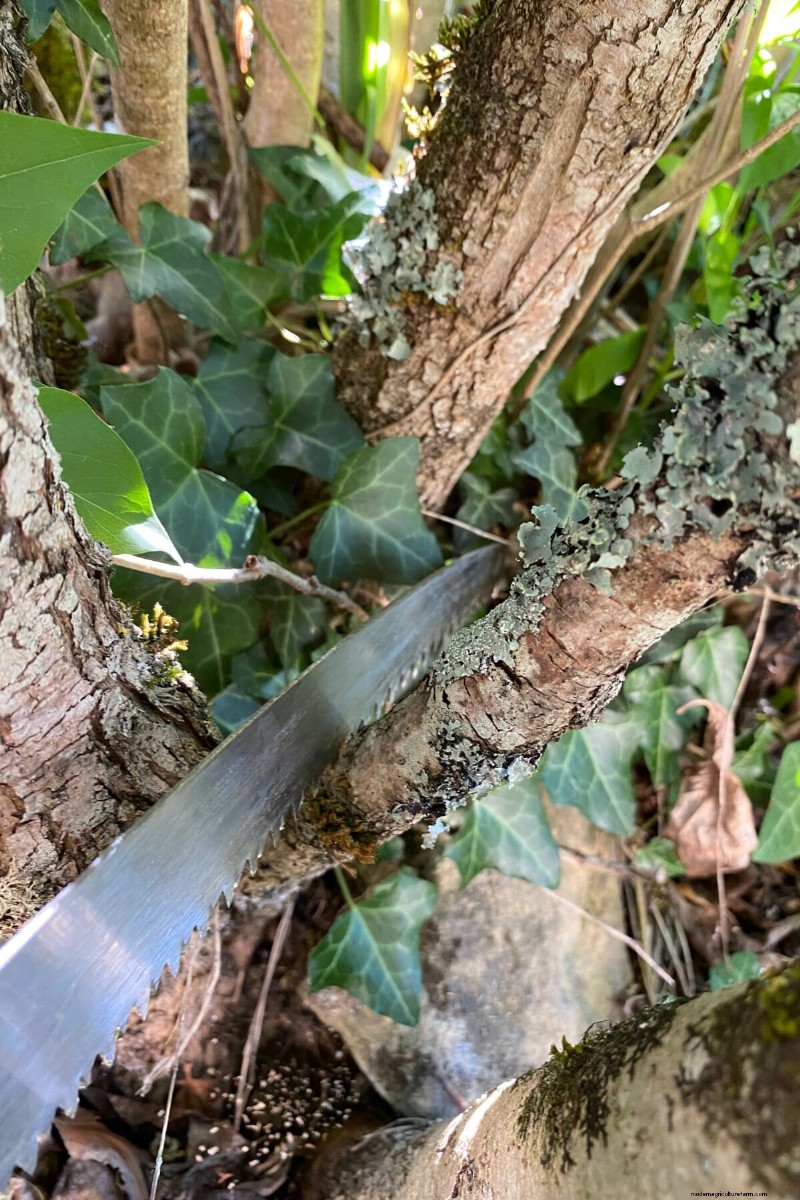
Patience is key: cutting too much at once stresses the plant. This approach clears space for new shoots, ensuring a fuller canopy and more abundant blooms.
For an in‑depth look at lilac varieties and care, consider “Lilacs: Beautiful Varieties for Home and Garden” by Naomi Slade, photographed by Georgianna Lane. The hardcover edition features over 60 stunning images and practical guidance.

Subscribe to the Rural Sprout newsletter and receive expert gardening tutorials, tips, and seasonal tasks directly to your inbox.


