
Welcome to Modern Agriculture!

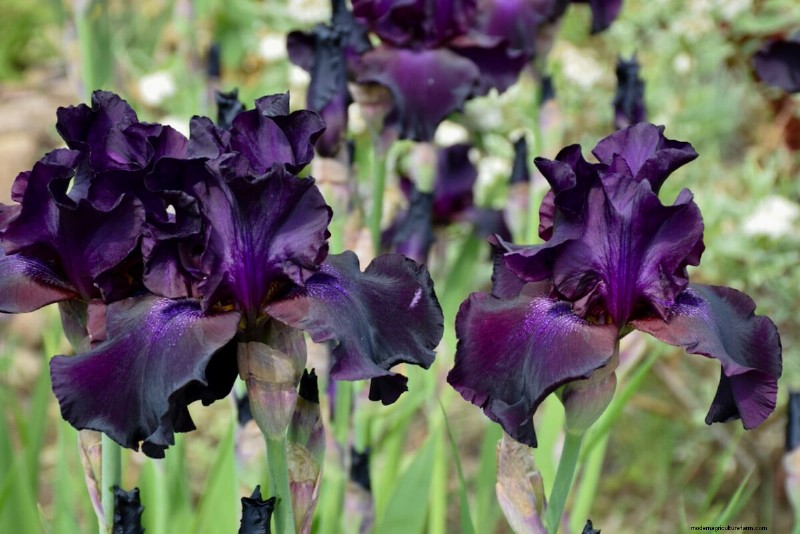
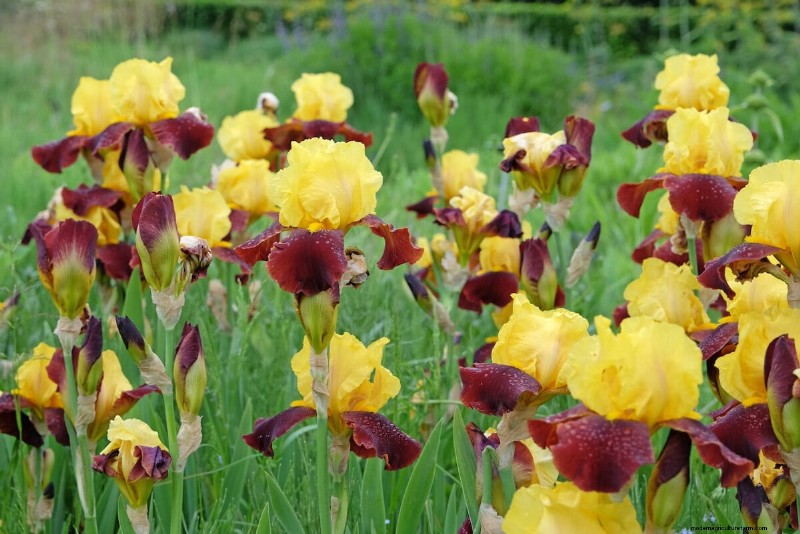
When I first explored iris cultivation, I remarked that few gardeners actively purchase irises for planting. The species’ prolific nature means most gardeners receive them for free as a courtesy to others. This year, I decided to invest in a set of black irises. Though still young, these specimens promise spectacular displays in the coming seasons. I won’t reveal the exact cost—these rare varieties can run four times the price of standard irises—but the investment pays off in both beauty and resilience.
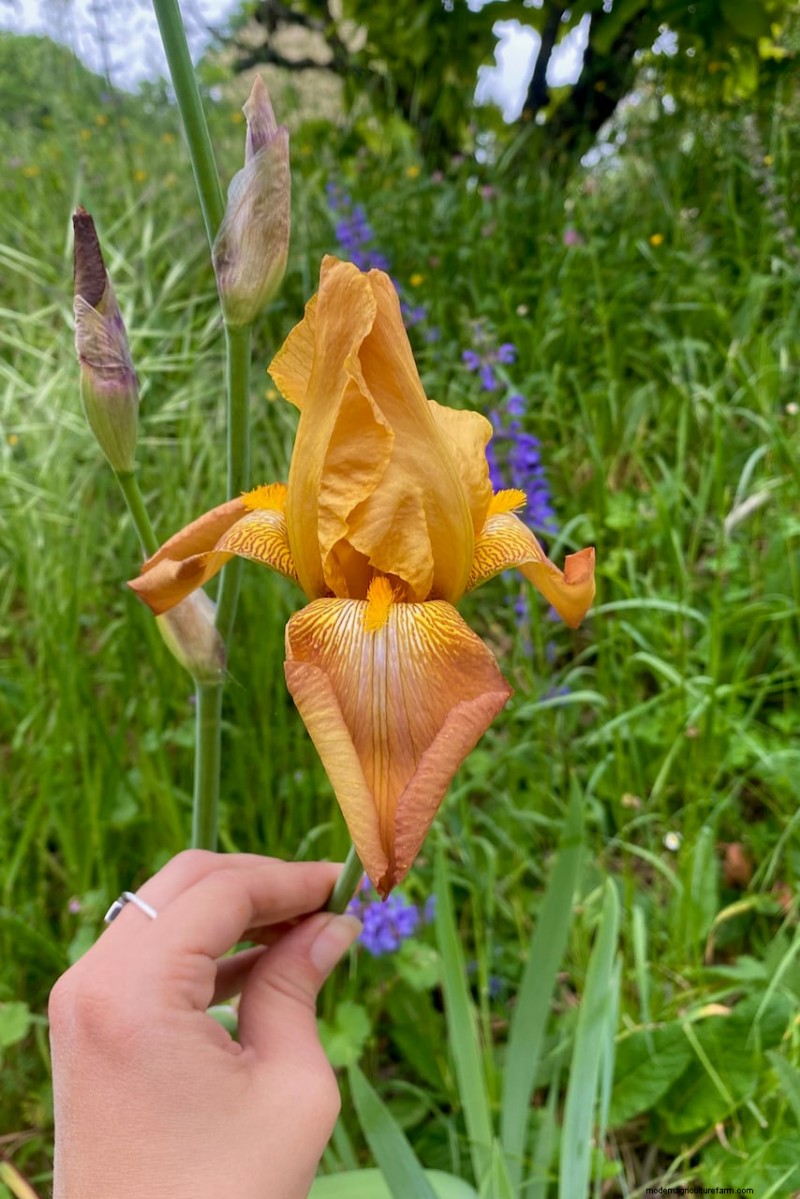
Once the flowers fade, the care you provide is the decisive factor in whether your irises will thrive, multiply, and return with greater vigor next spring. The following steps, practiced in mid‑summer, set the foundation for a healthy, blooming stand.
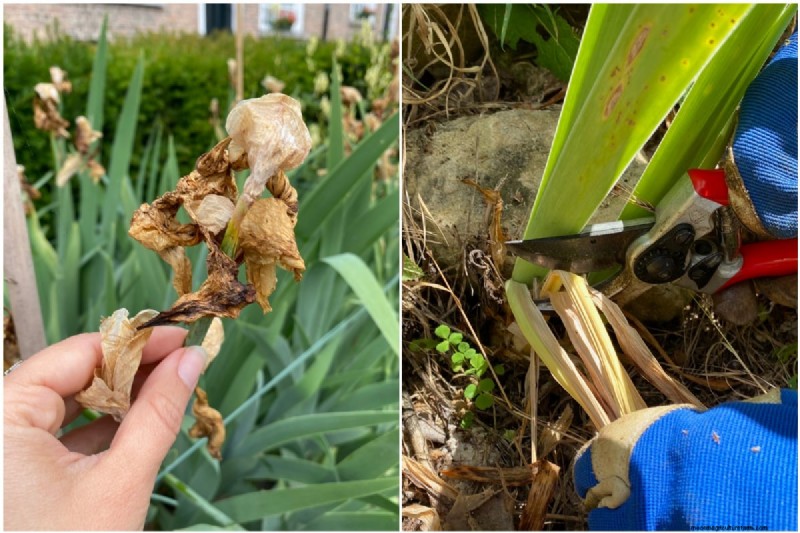
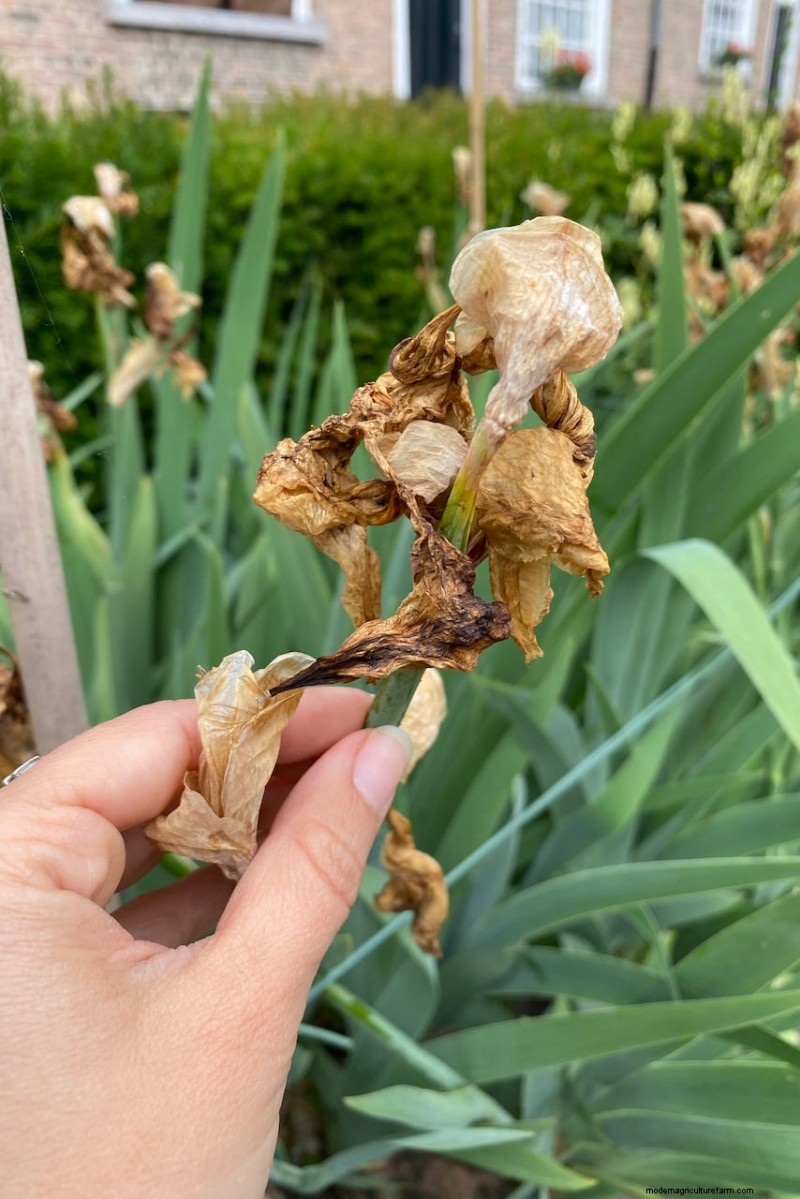
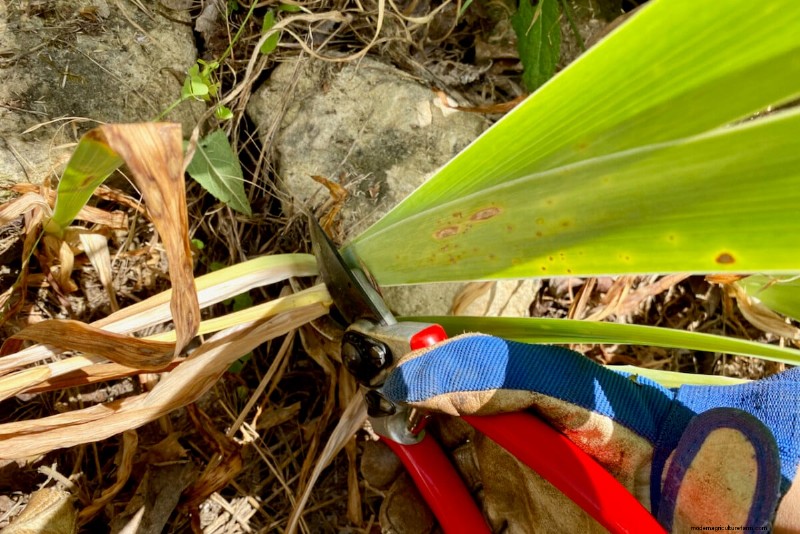
During the peak of May, I harvested several stems for decorative use while leaving most in situ. The remaining stems now appear wilted. It is essential to prune them back to the base—ideally at a slight angle—to prevent water accumulation on the cut and to redirect the plant’s energy toward the rhizome. Unlike many perennials, irises are best propagated by division, not seed, so allowing flowers to set seed merely diverts resources that could otherwise fortify the rhizome.
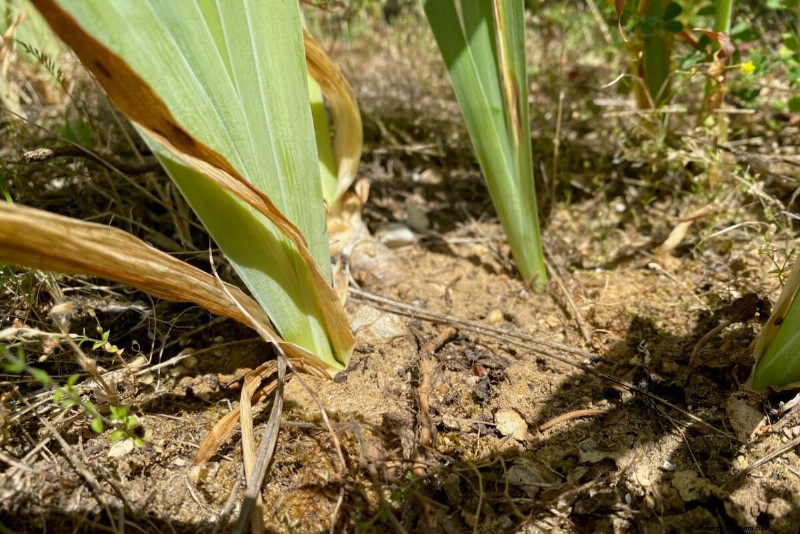
Leave the green leaves undisturbed until they begin to yellow or brown. These leaves are the plant’s photosynthetic engine, channeling sugars into the rhizome for winter storage and spring regrowth. Trim only affected leaves at an angle, cutting close to the base to minimize damage. A quick removal of dead foliage also helps prevent leaf spot, a fungal disease (Didymellina macrospora) that thrives in wet winter climates.
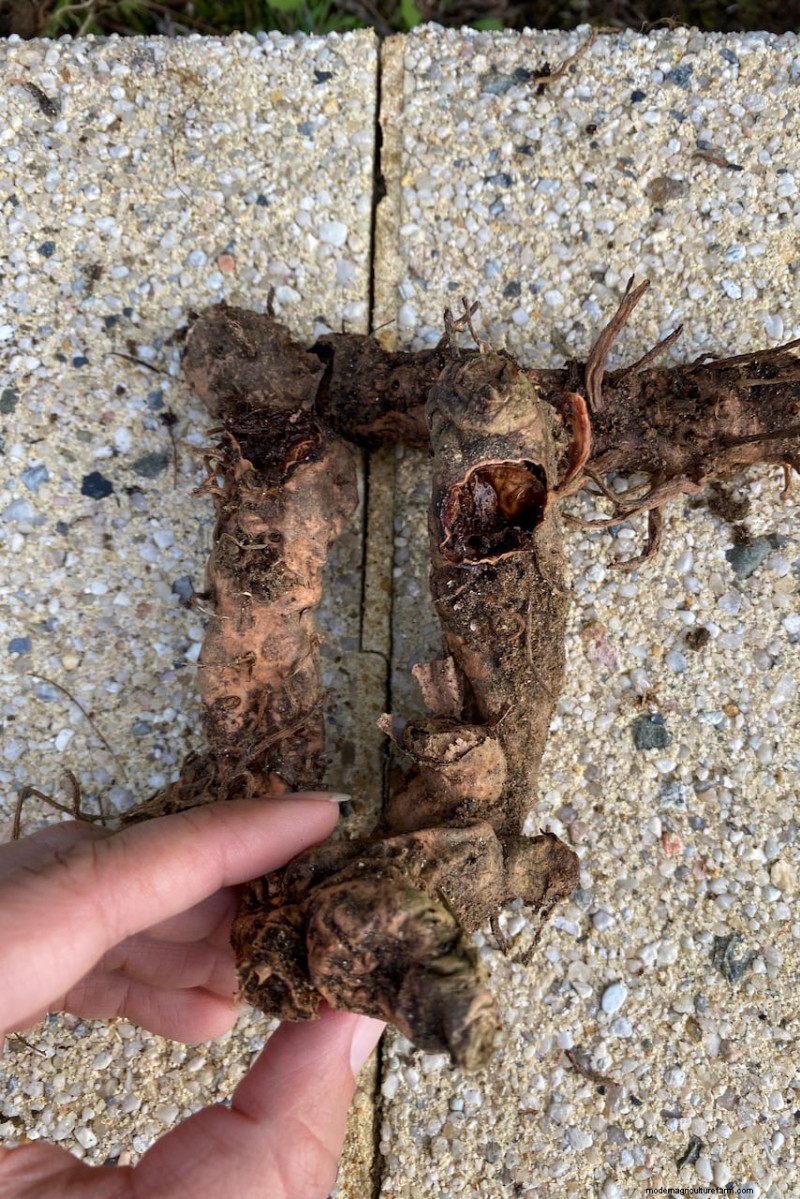
The rhizome’s condition is the most reliable indicator of future performance. Expose them by gently clearing mulch or soil. Look for soft, mushy areas—signs of rot from excess moisture or the dreaded iris borer (Macronoctua onusta), a moth whose caterpillars chew through the crown and rhizome. Any section that smells foul or is visibly damaged should be discarded. If only a portion is affected, trim the rotted part and allow the cut to scab over before replanting. Avoid composting compromised rhizomes to prevent spreading disease.
Dividing irises during peak heat can shock the plants, delaying recovery. Optimal timing is late summer or early fall when temperatures cool, soil remains warm, and rainfall returns—providing new divisions ample time to root before winter. Divide only every three to five years to maintain vigor, but avoid overcrowding, which suppresses flowering.
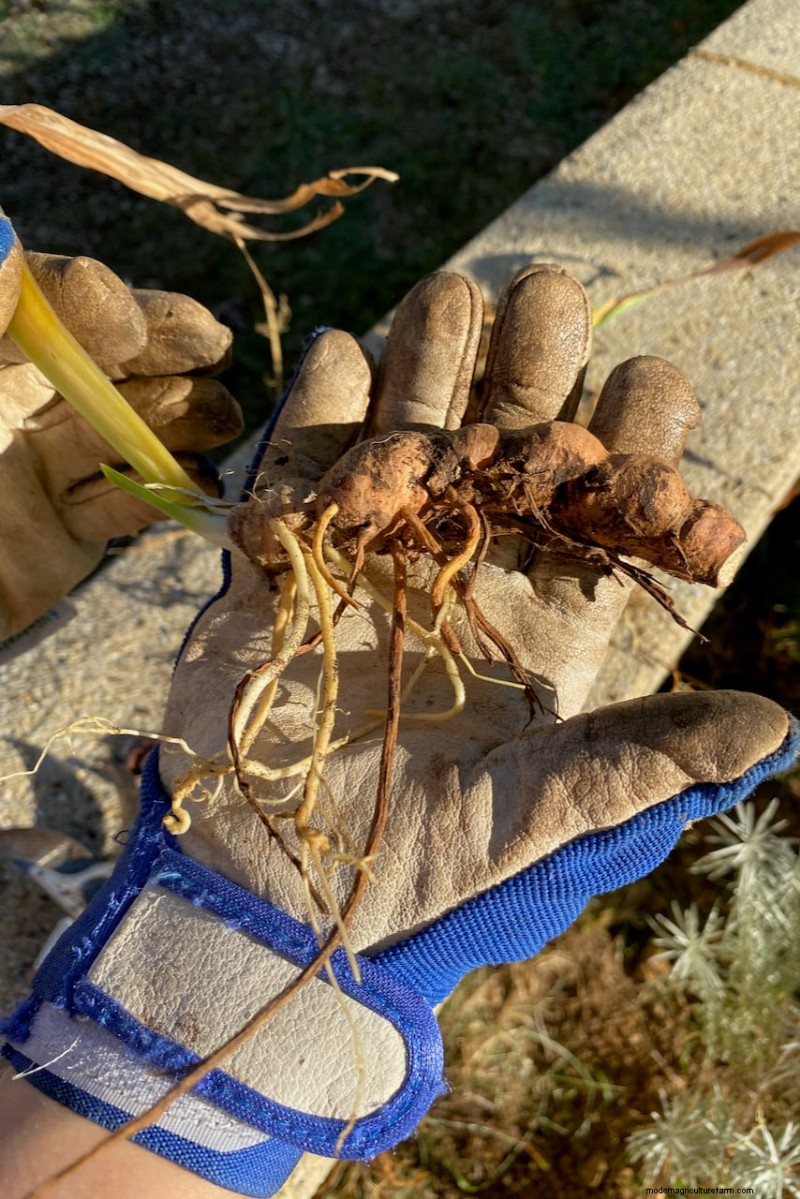
Carefully lift the clump, separate into individual rhizomes or groups of two to three, each retaining at least one leaf fan and healthy roots. After division, prune foliage to about one‑third its height to reduce water loss. Replant with the rhizome top above soil level and spaced to improve airflow.
Irises are low‑maintenance perennials that do not require heavy feeding. Introducing fertilizer during the post‑bloom period can spur unwanted foliage growth, diverting energy from rhizome replenishment. A light application of a balanced, slow‑release fertilizer in early spring is sufficient for most gardens.
Even though irises are drought‑resistant, the rhizomes—especially in clay soils—remain vulnerable. Maintain moisture throughout the growing season (the so‑called “water‑and‑stress” period). Water deeply, ensuring that the soil remains moist but not saturated, as excess moisture can lead to rot. This approach guarantees that the plant can redirect energy into structural development rather than merely surviving.
With diligent care, irises can live for decades, offering both aesthetic delight and long‑term garden stability. If your columbines have finished blooming, explore our post‑bloom care guide to harvest the best outcomes for these beautiful plants as well.

Join over 50,000 gardeners who receive timely tutorials, tips, and tasks directly in their inbox.


