Welcome to Modern Agriculture!

Discovering the soil, which serves as the basis for the growth of tomato plants, is the first step in cultivating healthy tomato plants. The process of doing a soil analysis for healthy tomato plants is an essential step that guarantees your garden will give the optimal conditions for the production of abundant harvests. It is possible that tomatoes will struggle to develop if the soil is not properly prepared. Tomatoes are plants that require a lot of nutrients. Understanding how to conduct a soil analysis can be extremely beneficial, regardless of whether you are an experienced gardener or just beginning your gardening journey.
Through the process of fixing everything from pH levels to nutrient imbalances, you can transform your soil for vibrant tomato plants. This will ensure that your efforts result in crops that are successful.
It is vital for tomatoes to have soil that has a pH range of 6.0 to 6.8 in order to maximise the availability of nutrients. Tomatoes love soil that is somewhat acidic. For optimal tomato growth, soil pH and drainage are inextricably linked. This is due to the fact that inappropriate pH levels can cause nutrients to become trapped, resulting in deficiencies.
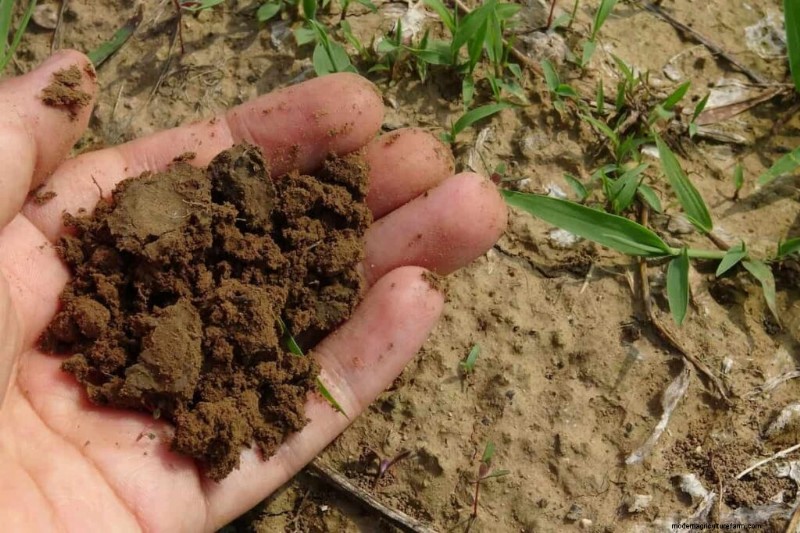
If you test your soil on a regular basis, you will be able to decipher your garden soil for better tomato crops. This will help you to determine whether lime or sulfur is required to achieve a state of equilibrium. An ideal soil environment for planting tomatoes is created by this fundamental step, which sets the stage for the environment.
You may verify that you are meeting specific nutritional requirements for tomatoes by tailoring soil tests to meet their needs. These requirements include nitrogen, phosphorus, and potassium. According to a breakdown of tomato soil requirements, these macronutrients are essential for the development of leafy structures, the production of flowers, and the quality of the fruit.
Additionally, the prevention of illnesses such as blossom end rot is significantly aided by the availability of minerals such as calcium. Creating a Soil Profile for Tomatoes that supports robust development throughout the season can be accomplished by doing an analysis of the soil in order to boost tomato growth on your own.
When it comes to tomatoes, organic matter is important because it helps enhance soil porosity, which is essential for healthy tomato roots, while also improving water retention and aeration. Creating a balanced ecosystem is considerably aided by the use of organic amendments such as compost, well-rotted manure, and other organic amendments in the process of improving tomato soil quality.
In addition to assisting in the process of breaking up compacted soils, the utilization of gypsum for the purpose of improving soil structure makes it simpler for roots to penetrate deeper and gain access to nutrients.
It is essential to take measures to manage soil compaction in order to prevent stunted tomato root development. This is because soils that are highly compacted restrict oxygen flow and hinder root expansion. The incorporation of organic matter not only reduces the risk of compaction but also improves tomato health by achieving a more balanced soil environment.
It is possible to Supercharge Your Soil for Tomato Growth by using raised beds or no-till methods. These methods provide a loose, friable texture that encourages the development of robust root systems.
Composition of the Soil Affecting Disease-Free Tomato Cultivation must have adequate drainage to prevent problems such as root rot. Clay content has an effect on the amount of water that tomato plants are able to retain, which underscores the importance of adding amendments such as sand or perlite to very heavy soils.
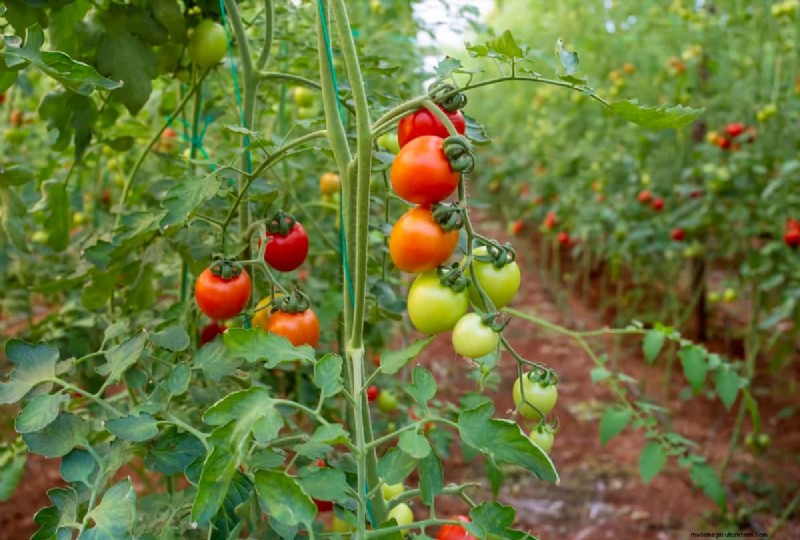
Evaluating the soil for tomato cultivation is an important part of effective tomato soil management. This evaluation is done to ensure that excessive moisture does not affect the health of the plant.
Mulching has a big impact on the amount of moisture that is retained in tomato soil because it helps to maintain a consistent temperature and ensures that the soil is evenly hydrated. Weeds are also suppressed by mulch, which reduces the amount of competition for resources.
As a result of Optimize Soil for Thriving Tomatoes, mulching transforms into a straightforward yet effective instrument for ensuring that growing conditions remain consistent.
It is crucial to have a thorough understanding of nitrogen cycling in tomato beds when selecting fertilizers. An excessive amount of nitrogen can result in an excessive amount of foliage, which can be detrimental to the development of fruit. It is impossible to overestimate the importance of potassium in tomato soil since it contributes to the growth and quality of the fruit.
In the event that soil testing reveal low levels of magnesium, it is recommended that tomato plants be treated with Epsom salts in order to prevent magnesium deficiency through targeted soil care.
Maintaining a healthy balance of calcium and magnesium in tomato soil helps to prevent frequent issues such as blossom end rot. Strong cell walls in developing fruits can be ensured by the addition of calcium-rich amendments such as crushed eggshells or lime.
As a result of doing soil analysis to boost tomato growth, calcium shortages are frequently discovered. These deficiencies can then be remedied prior to planting.
What Effect Does Microbial Activity Have on the Soil of Tomatoes? Beneficial microorganisms convert organic matter into nutrients that are accessible to plants, which results in a significant increase in fertility. Enhancing the structure of the soil and providing a habitat for microorganisms are two of the long-term advantages that may be gained from incorporating biochar into tomato soil.
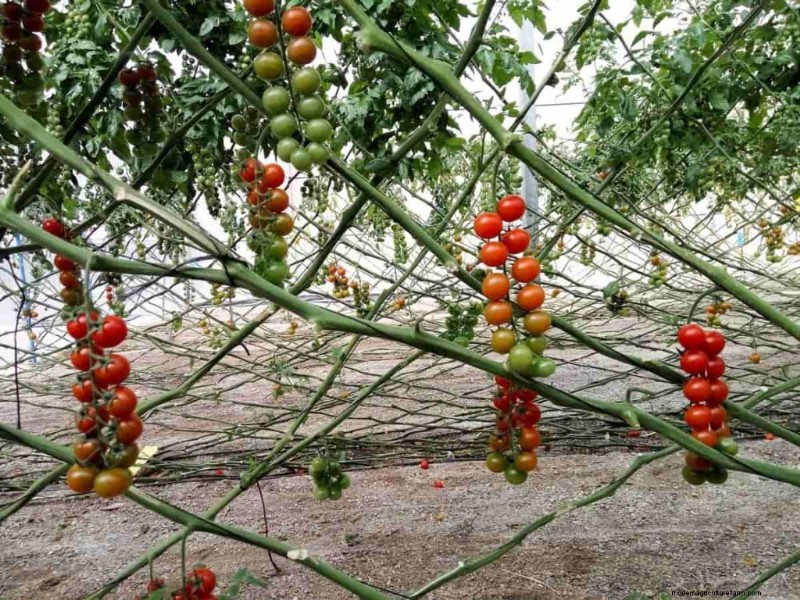
Through the process of Supercharge Your Soil for Tomato Growth, you are able to establish a living ecosystem that organically maintains the health of plants.
The process of diagnosing iron chlorosis in tomatoes using soil analysis entails recognizing interveinal chlorosis, which is characterized by the yellowing of the leaves between the veins. It is possible that chelated forms of these micronutrients will be required in order to correct zinc deficiencies in tomato garden soil.
It is helpful to lower pH levels, which in turn makes iron more accessible to plants. Understanding the importance of sulphur in tomato soil helps maintain this.
The process of crop rotation helps improve the quality of the soil in tomato beds by reintroducing nutrients and preventing the accumulation of pests. The soil can be made more fertile for the cultivation of abundant tomatoes by alternating with nitrogen-fixing crops such as beans.
Tomatoes are deserving of the best soil, and this approach is in line with that attitude, which helps to ensure the success of a garden over the long term.
In order to improve the quality of the soil for tomato beds, cover crops should be tilled beneath. This will prevent erosion and contribute organic matter to the soil. The nitrogen in the atmosphere is fixed by legumes in particular, which enriches the soil for the growth of abundant tomatoes.
Tomatoes are deserving of the best soil, and this approach is in line with that attitude, which helps to ensure the success of a garden over the long term.
Germination and early establishment are both affected by the relationship between the temperature of the soil and the growth rates of varieties of tomatoes. In order to reduce the risk of transplant shock, measuring the soil’s temperature helps identify the best planting window.
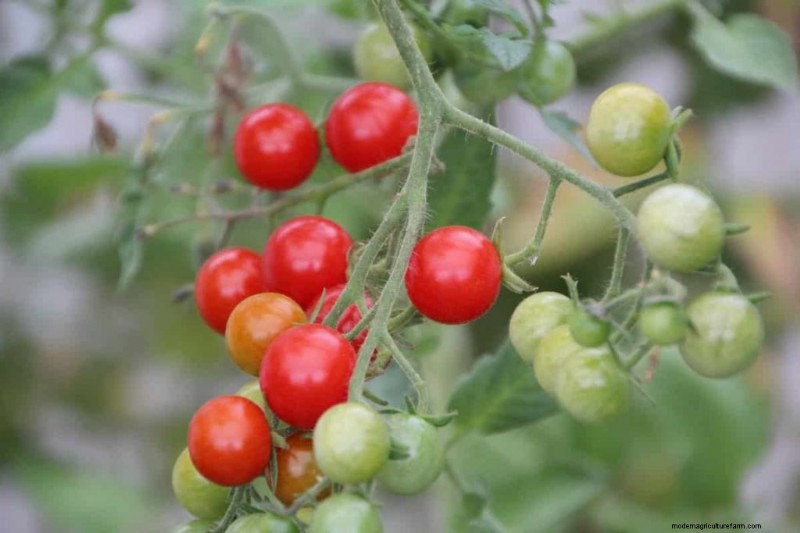
In order to achieve effective soil management for tomatoes, it is necessary to monitor temperatures in order to align them with the natural rhythms of the plant.
Testing on a regular basis allows for the identification of common nutrient deficiencies in tomato soil, such as deficiencies in potassium or magnesium. The electrical conductivity (EC) of tomato soil should be measured and adjusted in order to monitor salt levels, which can have an effect on the uptake of nutrients.
When common soil problems for tomatoes are resolved, yields are guaranteed to be constant, and the plants are subjected to less stress.
Over-fertilization can have a number of negative effects on tomato soil health, including the possibility for nutrient imbalances and the destruction of beneficial bacteria. The application of fertilizers must be done with caution and according to the findings of tests in order to improve tomato health through soil balance.
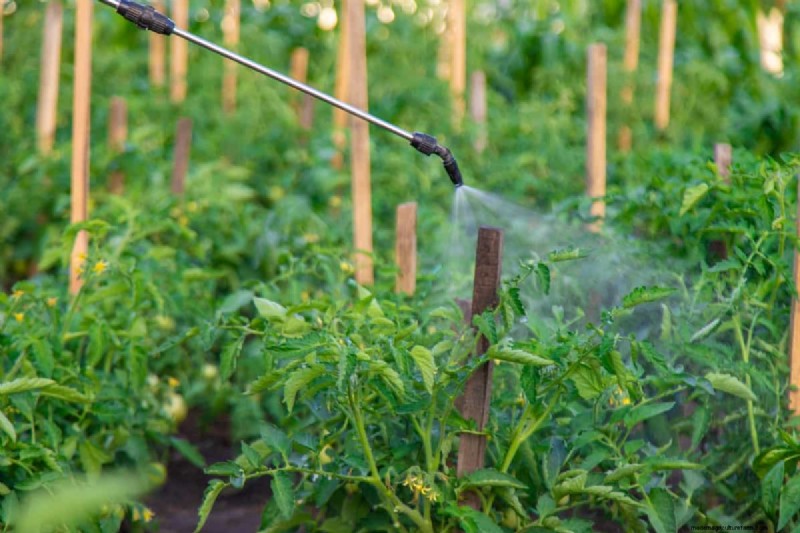
A more secure alternative that encourages the progressive release of nutrients is provided by organic amendments in the process of improving tomato soil quality.
Tomatoes are heavy feeders, and they require soil that is rich in nutrients and has good drainage in order to thrive. Beginning with a mixture of garden soil and organic compost is the ideal way to create the best soil for growing tomatoes. Compost is rich in vital minerals and nutrients such as nitrogen, phosphorus, and potassium, which are essential for tomato growth.
By incorporating perlite or vermiculite into the soil, drainage can be improved, preventing waterlogged roots that can lead to rot. Additionally, coconut coir is an excellent additive because it retains moisture while allowing for proper air circulation. Aim for a soil mixture consisting of fifty percent garden soil, thirty percent compost, ten percent perlite or vermiculite, and ten percent coconut coir.
After the mixture has been prepared, the pH level of the soil should be tested. Tomatoes thrive in slightly acidic to neutral soil with a pH range of 6.0–6.8. Lime can be used to raise the pH, and sulfur can be used to lower it if necessary. This well-balanced blend ensures your tomatoes receive all the nutrients and growing conditions they need to develop healthily and produce abundant fruit.
Growing tomatoes in containers requires a lightweight, nutrient-rich soil mix that drains efficiently while retaining sufficient moisture. Start with a high-quality potting mix as the base because it is free from weeds and pathogens that could harm your plants. Enriching the potting mix with compost adds organic matter and essential nutrients to support plant growth.
To enhance drainage and prevent root rot, incorporate sand or perlite into the mix. A good ratio is seventy percent potting mix, twenty percent compost, and ten percent sand or perlite. After mixing thoroughly, fill the container with the soil blend, leaving some space at the top for watering.
Before planting, check the soil’s pH level and adjust it to fall within the optimal range of 6.0–6.8. Properly prepared soil ensures your potted tomatoes receive the right balance of nutrients, drainage, and moisture for optimal growth.
Raised beds are highly recommended for growing tomatoes due to their superior drainage and aeration qualities. The best soil for tomatoes in raised beds should include topsoil, composted manure, peat moss, and coarse sand. Topsoil provides the structural foundation, while composted manure enriches the soil with nutrients essential for tomato growth.
Peat moss helps retain moisture, keeping the soil hydrated during dry spells, while coarse sand improves drainage to prevent waterlogging. A recommended mix is 40% topsoil, 30% composted manure, 20% peat moss, and 10% coarse sand. When filling the raised bed, ensure the soil is evenly distributed and free of air pockets.
Before planting, test the soil’s pH level and adjust it to maintain the ideal range of 6.0–6.8. This combination creates a fertile, well-draining environment that promotes strong root development and bountiful harvests.
Tomatoes have specific soil requirements that must be met to ensure healthy growth and maximum yield. First, the soil’s pH level should be between 6.0 and 6.8, as this range allows tomatoes to absorb nutrients efficiently. Proper drainage is crucial; poorly drained soil can lead to root rot and other fungal diseases.
The soil texture should ideally be loamy or sandy loam, as these types offer good aeration and allow roots to penetrate easily. Nutrient content is another critical factor—tomatoes need nitrogen for early growth, phosphorus for flowering and fruiting, and potassium for overall plant health. Organic matter, such as compost or well-rotted manure, should be incorporated into the soil to improve fertility and structure.
Mulching around the plants helps retain moisture, regulate soil temperature, and suppress weeds. Regular crop rotation and soil testing are also recommended to prevent nutrient depletion and identify any deficiencies. By meeting these basic soil requirements, you can create an ideal growing environment for your tomato plants.
The key to obtaining success with tomato plants is to have the soil thoroughly prepared and maintained. Every stage in the process of analyzing the soil for healthy tomato plants helps to vigorous growth and bountiful harvests. This includes ensuring that the calcium levels in the soil are appropriately balanced in order to prevent tomato diseases and applying organic amendments in order to improve the quality of the tomato soil.