Welcome to Modern Agriculture!


Glen is an exceptional gardener with over 15 years of hands-on experience in garden maintenance, design, and landscaping services. When he’s not working on beautifying a client’s garden, he is busy creating helpful content for this blog.
Latest posts by Glen Chandler (see all)
I’ve always found timing to be the secret sauce to successful gardening, especially when it comes to peppers in New Jersey. 🌶️ Peppers need just the right weather conditions to thrive, which can sometimes feel like solving a puzzle. The sweet spot for planting peppers is vital for ensuring a vibrant harvest. Oh, and who doesn’t love the idea of picking fresh peppers from their own garden?
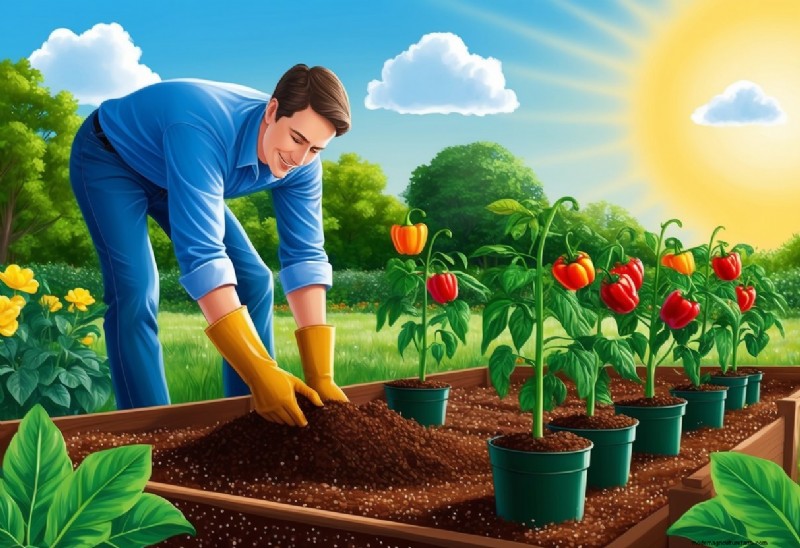
Timing your outdoor planting for after the last frost, usually late April, is crucial for success. Do you remember those late spring frosts that sneak in and ruin everyone’s planting plans? 🌱 Gardening in New Jersey means keeping a close eye on the weather! From experience, nothing beats the fresh crunch and sweet heat of homegrown peppers. So prep those seeds and get planting.
Peppers love the warmer weather, and they need to be planted after the last frost. In New Jersey, it’s usually safe to plant peppers outdoors when the last frost date has passed, which is around late April. The weather should be warm enough by this time for them to grow well. 🌱
Growing peppers is like baking a perfect cake. Timing is everything! Keep in mind the frost dates as your guide. Since NJ weather can be a bit tricky sometimes, I always recommend keeping an eye on local weather forecasts. A sudden frost could make your peppers do a disappearing act! 🌶️
For those who like to plan, a planting calendar is a lifesaver. It helps ensure everything is set for a successful growing season. Peppers need around 180 days from the last spring frost to the first fall frost, so timing is crucial to match their growing schedule.
If you’re planting seeds indoors, start 8-10 weeks before the last frost date. This means kicking off the growing process around late February to early March.
Getting the soil ready for planting peppers involves understanding its characteristics and making necessary improvements. Testing the soil and amending it to suit peppers will help ensure a bountiful harvest. Trust me, a little work upfront makes all the difference. 🌱
Before I plant anything, I always start by testing my soil. This is like doing a health check! A simple test can tell me about the pH levels and nutrients in the soil. 🌈 I usually use a home kit, which is easy and quick.
💥 Test the soil annually to keep your garden on track!
Peppers love slightly acidic to neutral pH levels, about 6.0 to 7.0. If the pH is too high or too low, they just sulk! And who can blame them? Imagine trying to grow in a soil that isn’t quite right. So, I adjust based on my test results. You can add lime to raise pH or sulfur to lower it.
Once I know what’s in my soil, it’s time to roll up my sleeves and amend it. Peppers thrive in well-draining, loamy soil with lots of organic matter. 🐝 I toss in some good compost or aged manure to promote healthy growth. This adds nutrients and helps with drainage.
🤎 Fertilizer
Adding balanced fertilizer enriches garden soil.
If I find sections compacted like clay, I aerate with a garden fork or shovel to improve texture. Peppers have a low tolerance for soggy roots, so proper drainage is key. Trust me, I’ve lost a few plants to waterlogged soil. It’s a lesson learned the hard way! 🐌
Planting peppers in New Jersey can be rewarding if done right. From picking the right types to starting them from seeds and getting them in the ground, here’s what I’ve learned through my own pepper-growing adventures.
When I first started planting peppers, I quickly found that not all varieties thrive in every soil and climate. Bell peppers, for instance, make a perfect choice for New Jersey gardens since they prefer slightly warm temperatures and moisture-rich soil.
If you’re like me and love a bit of heat, Jalapeños or even Habaneros can offer that spicy kick. When choosing, think about what flavors you like and your garden conditions.
Peppers need plenty of sunlight, so I always pick a spot that gets at least 6-8 hours daily. Some peppers can be a bit picky about soil, so adding compost can help. Stick to varieties that fit well with New Jersey’s climate.
Starting from pepper seeds is like planning a little farming adventure. I usually plant mine indoors about 8-10 weeks before the last frost, giving them the best head start.
Peppers are slow to germinate, so patience is crucial. Keeping temperatures steady around 70-85°F speeds up the process, something I learned the hard way!
Containers with good drainage help because those little seeds don’t enjoy swimming much. Once they sprout, exposing them to plenty of light keeps them growing strong.
I find it useful to label each type since baby peppers all look alike.
Once your indoor seedlings reach about 6 inches tall and have at least a couple of sets of leaves, it’s time to move them outside. New Jersey’s last frost is often near mid-May, so timing is key.
I harden off my plants first, a fancy term for letting them get used to the outdoor conditions. Over a week, take them outside for a few hours, gradually increasing the time. 🌱
Transplanting is like setting their permanent home. Pick an overcast day or late afternoon to reduce stress, and make sure they are spaced about 18-24 inches apart for room to grow. Giving them a good drink of water after planting helps reduce shock. 🐝
I’m always amazed at how properly caring for pepper plants can make them thrive. With the right watering, fertilization, and pest management, your peppers can be the star of your garden. Let’s get into the specifics to ensure those peppers grow strong and healthy!
Peppers prefer consistent moisture. I usually keep the soil lightly moist, but never soggy, to prevent root rot. It’s important to water at the base of the plant to keep the leaves dry and avoid diseases.
🚰 Water Requirements
Water deeply once or twice a week, or more often in hot, dry weather.
Drip irrigation systems can be a lifesaver, offering a consistent supply of moisture. It’s like giving your plants a little straw to sip from, without overdoing it. Remember, early morning is the best time to water, so they stay hydrated all day. 🌱
Feeding your peppers is like giving them a vitamin boost! A balanced, slow-release fertilizer works wonders. I usually apply it when planting and then every few weeks during the growing season.
❀ Fertilizer
A good N-P-K ratio for peppers is 5-10-10.
For a natural option, I love using compost or well-rotted manure.
Just watch out for over-fertilizing; too much nitrogen can lead to lush leaves but fewer peppers. Keep it balanced, and you’ll see fantastic results. 🌸
Dealing with pests is the trickiest part for me. Aphids and spider mites seem to love peppers as much as I do. Keeping an eye out for these little troublemakers is key.
I use a mix of natural remedies and barrier methods. Row covers can help protect tender young plants from insects.
⚠️ A Warning
Avoid using harsh chemicals, as they can harm beneficial insects.
Companions like marigolds or basil are great natural defenders against pests. Remember, happy garden = happy peppers! 🐞
Growing peppers is a delight, especially when they turn the perfect shade. Signs of ripeness include color change, size, and firmness.
For most peppers, look for a vibrant color, like red or yellow, depending on the variety. The skin should be smooth and firm to the touch, not wrinkly.
💥 Ripeness is all about the perfect hue and texture!
Keep an eye on the size. If a pepper is as big as the one in the seed packet picture, it’s probably ready.
Give it a gentle squeeze; it shouldn’t be too soft.
📏 Harvesting is where patience meets perfection. Use sharp scissors or a knife to cut peppers off the plant.
✂️ Be careful not to yank them; this can damage the plant. Hold the plant steady with one hand and snip with the other.
💥 Handle with care to keep your plants healthy and productive!
Avoid breaking stems or leaves. 🌱 This can stunt the plant’s growth.
Remember, the healthier the plant, the more peppers you’ll get. Peppers should easily come away without tearing or tugging.
Enjoy filling your basket and kitchen with home-grown goodness! 🌶️
I’m thrilled to share tips on making the most of your pepper harvest. Whether you want to keep those vibrant colors and flavors or add them to some tasty dishes, you’ve got options!
Storing peppers correctly is key to keeping them fresh.
Freezing is my go-to method. I wash, slice, and remove the seeds before freezing. Lay the slices on a cookie sheet until frozen, then store in a freezer bag.
Another method is pickling. Slice peppers, pack them in a jar, and fill with vinegar, water, and spices.
Storing them at around 50° to 60°F in a moist place helps them last a couple of weeks.
If you want something quicker, you can just pop them in an airtight container in the fridge for short-term use.
Now, let’s spice up the kitchen! Peppers add zest to any dish.
Chop them into salads for a fresh crunch or sauté them as a tasty pizza topping! It’s like giving your taste buds a joyride.
Have you tried stuffed peppers? Just pack them with your favorite mix of rice, meat, or veggies.
And for a little culinary adventure, turn them into a spicy pepper sauce.
Blend them with some garlic, vinegar, and a pinch of salt for a homemade delight. 🌶️
Whether it’s spicing up soups or creating dips, these peppers are a treasure in any kitchen.