
Welcome to Modern Agriculture!

Gourd plants belong to the Cucurbitaceae family, which includes cucumbers, pumpkins, and melons. Pruning Gourds allows you to remove dead or diseased parts, improving overall plant health. Training, on the other hand, helps control vine direction and spacing, maximizing sunlight exposure for optimal growth.
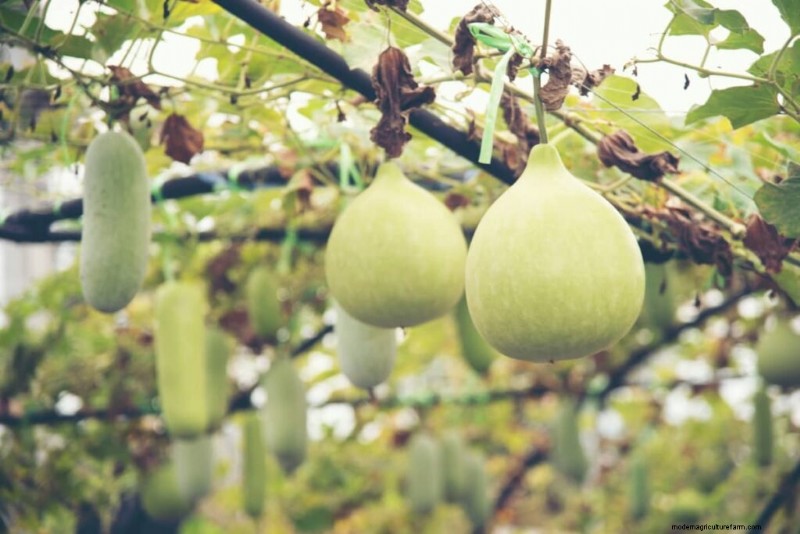
Pruning and training your Gourd plants can lead to a bountiful harvest and healthier vines. By removing excess foliage, you allow more sunlight to reach the fruit, promoting better growth and ripening. Trimmed vines also benefit from improved air circulation, reducing the fungal diseases that thrive in damp conditions. Training Gourds to grow on trellises or supports not only saves space but also makes harvesting easier.
With proper guidance, vines can be directed to climb vertically, preventing them from sprawling all over your garden. Pruning boosts the plant to focus its energy on producing fruit rather than unnecessary leaves or stems. This results in larger and more robust Gourds ready for culinary use or crafting projects.
These vigorous climbers have tendrils that help them latch onto supports as they reach for sunlight. GGourd vines can quickly sprawl over large areas if left unattended. Knowing how these plants produce fruits is essential for Gourd growth. Female flowers typically appear first and require pollination from male flowers to set fruit. Understanding this process can help maximize your Gourd harvest.
Gourds grow in warm climates with plenty of sun and well-draining soil. They benefit from regular watering during the growing season. Proper care and attention to their specific growth habits will result in healthy plants and abundant fruit production.
Some essential equipment includes sharp pruning shears for clean cuts, gardening gloves to protect your hands, and a sturdy trellis or support system for vine guidance. Additionally, you may need twine or ties to secure vines gently without causing damage. A pair of pruning snips can also come in handy for more delicate trimming tasks.
In case you missed it: Bitter Gourd Farming Information Guide
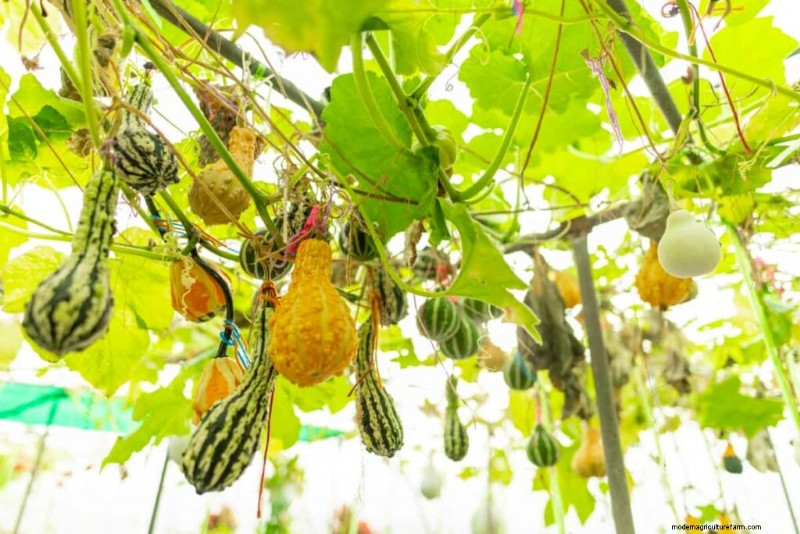
Don’t forget about a good quality ladder if you have tall Gourd vines that need attention high up. Having these tools readily available will ensure that you can effectively prune and train your Gourds for optimal growth and harvest. Remember, investing in proper equipment now will pay off with healthier plants and more abundant yields later on.
The best time to prune these vines is in the early morning or late afternoon when temperatures are cooler. This helps minimize stress on the plants and allows them to heal faster. Pruning during the growing season, typically after the plant has produced a few fruits, can help redirect energy towards fruit development rather than excessive vine growth.
It’s important to regularly inspect your Gourd plants for any damaged or diseased branches that need removal. Avoid pruning during high humidity periods or right before heavy rain, as this can increase the disease transmission risk through open wounds. By being mindful of the timing of your pruning efforts, you can promote healthier Gourd plants and maximize their potential yield.
In case you missed it: How to Grow Bitter Melon in Greenhouse: Bitter Gourd Farming in Protected Environment
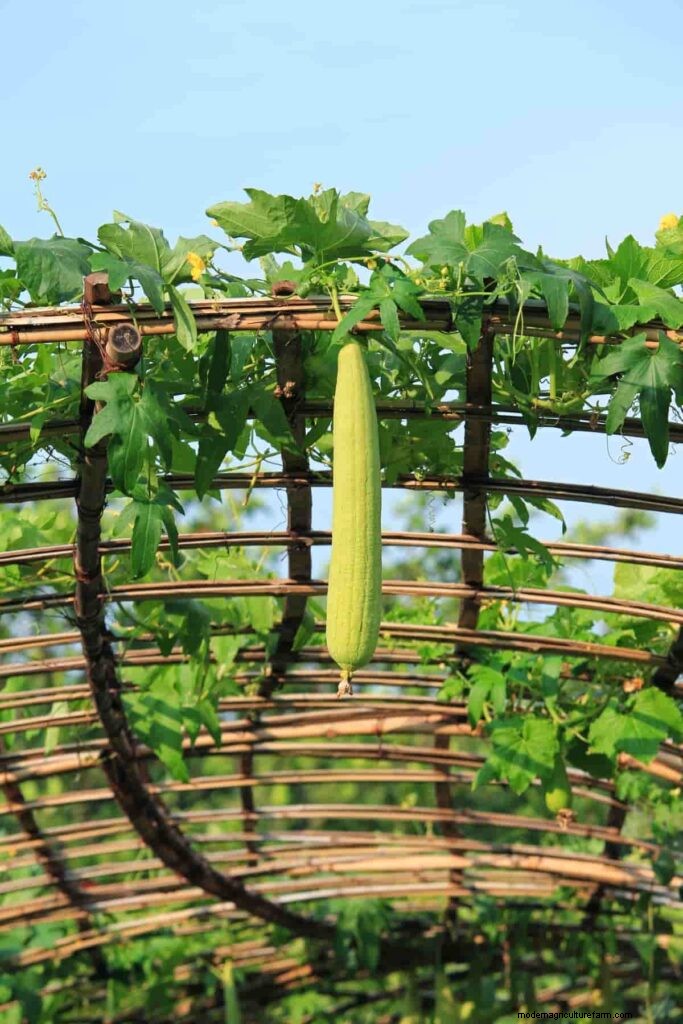
Training techniques for Gourd vines can help you maximize space and yield in your garden. The effective method is using trellises to support the vines as they grow. By gently guiding the vines along the trellis, you encourage upward growth and prevent tangling. Another technique involves pruning excess lateral branches to redirect energy towards fruit production. This allows for better air circulation around the plant, reducing the risk of diseases like powdery mildew.
You can use soft ties or twine to secure growing vines to a structure, ensuring they don’t become weighed down or damaged by their weight. This method helps promote straighter Gourds and facilitates easier harvesting later on. Experiment with different training techniques to find what works best for your specific Gourd variety and growing conditions.
These structures not only provide essential support for the vines but also help create space for the plants to thrive. Trellises come in different shapes and sizes, from simple wooden frames to more intricate designs. Choose one that suits your garden layout and Gourd variety. Remember, sturdy support is key.
Installing trellises early on in the growing season helps guide the vines vertically, preventing them from sprawling all over the place. This vertical growth encourages better airflow and sunlight exposure, leading to healthier plants. Make sure your trellises are securely anchored into the ground or pots to withstand the weight of fully grown Gourds. Regularly check for damage signs or instability as the plants mature.
To ensure your Gourd plants thrive, it is crucial to manage vine growth for optimal sunlight and airflow. When vines are left to grow without direction, they can become tangled and inhibit proper air circulation, leading to issues like mildew or mold developing on the leaves. Positioning your trellises or supports so that the vines can spread out evenly will help maximize sunlight exposure.
In case you missed it: Bottle Gourd Cultivation Information Guide
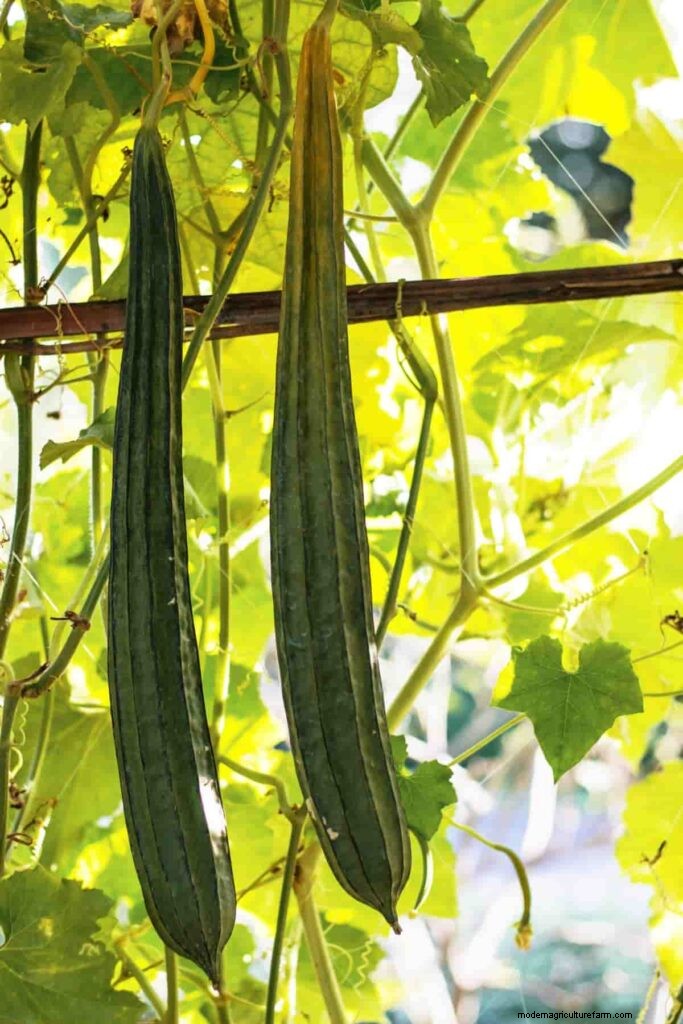
Proper spacing between vines also helps prevent overcrowding, which can block airflow and create a humid environment—perfect conditions for pests and diseases to take hold. By allowing adequate space between plants, you promote better ventilation and reduce the risk of plant stress.
The main mistake is cutting too much at once. Moderation is key when shaping your Gourd plants. Do not rush the process; take your time and trim strategically. Another mistake is neglecting proper tools and equipment. Make sure you have sharp, clean pruners or shears on hand to avoid damaging the vines. Additionally, failing to understand the growth habits of your specific Gourd variety can lead to improper pruning techniques.
Overlooking the importance of building sturdy supports for vine training can also be a misstep. Weak structures may not adequately support the weight of growing Gourds, leading to potential damage or breakage. Don’t forget about sunlight and airflow – maintaining a balance in vine growth ensures healthy development for your Gourd plants. By understanding their growth habits and utilizing the right tools, you can enhance the health and productivity of your Gourd plants.


