Welcome to Modern Agriculture!

Establishing a honeybee apiary is an interesting business enterprise that combines the responsibility of protecting the environment with the possibility of financial gain. Nevertheless, it is essential for aspiring beekeepers to have a solid understanding of the initial expenditure required for a honeybee apiary. Every facet of the business involves careful financial preparation, from the acquisition of bees to the acquisition of equipment. In this article, we will discuss initial investment for a honeybee apiary, including hive setups, permits, and hidden costs. Learn seasonal planning, budgeting tips, and long-term strategies for profitable honeybee cultivation.
When it comes to honeybee apiaries, the initial expenditure begins with the core equipment, which generally consists of the hive itself. A bottom board, brood boxes, honey supers, frames, and a roof are some of the components that are included in a basic Langstroth hive, which is the single most common type of hive. The price of high-quality wooden hives normally ranges from $150 to $300, depending on the size and the level of craftsmanship.
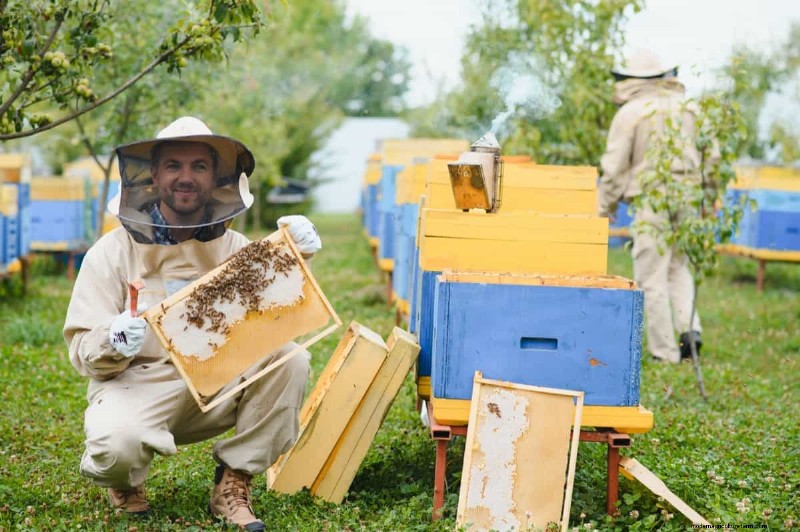
Frames and foundation sheets, which provide bees the framework they need to construct comb, add between $50 and $100. Choosing long-lasting materials such as cedar or cypress can help you save money in the long run. This is because less expensive alternatives may warp or deteriorate, which would necessitate regular replacements. If you are concerned about the environment, plastic or polystyrene hives are a good option because they are long-lasting but require a larger initial investment.
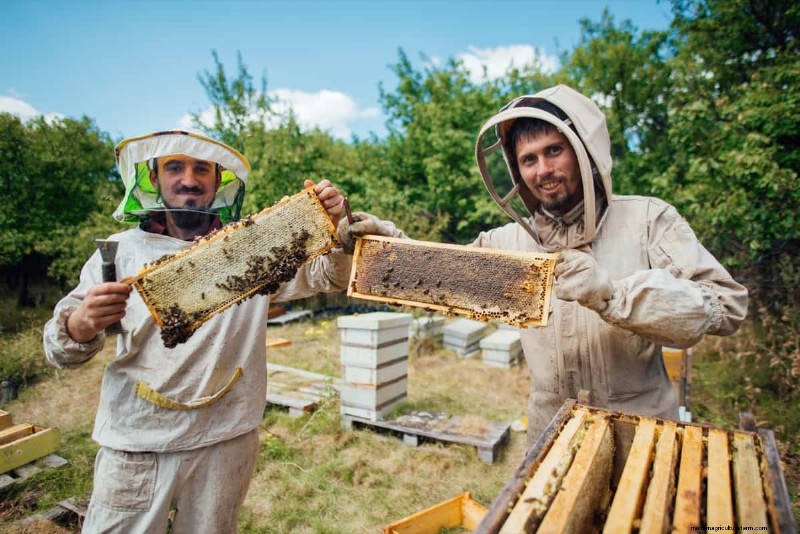
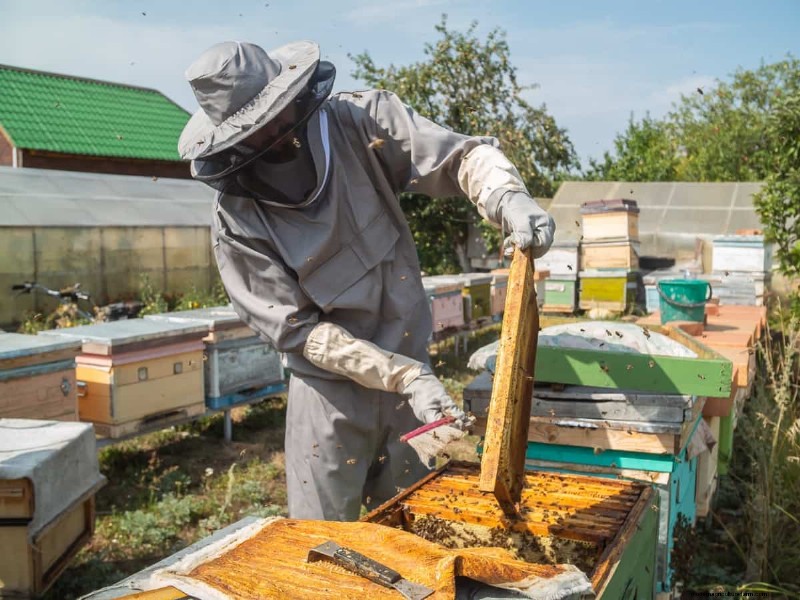
In addition to the hive, protective equipment and instruments are essential for the safekeeping of bee bees. The cost of a complete beekeeping costume, which includes a veil, gloves, and robust boots, can range anywhere from $100 to $250, depending on the quality of the cloth. A smoker, which is necessary for relaxing bees during inspections, may be purchased for between $30 and $60, while a hive tool that can be used to break apart frames can be purchased for between $10 and $25.
Skipping protective gear puts beekeepers at risk of injury and stress during hive inspections, which is why these items are non-negotiable for novice practitioners. When it comes to larger operations, the use of more advanced gear such as a queen catcher or frame grip might increase prices but also improve efficiency.
The selection and preparation of an appropriate location for an apiary has a considerable impact on expenditures. There is a wide range of land rental fees, although rural areas typically provide more reasonable rates, which can be as low as $50 to $200 per year. The cost of removing debris from the site, leveling the land, and constructing fences to dissuade predators might be anywhere from $200 to $500.
For the purpose of hydration and honey production, it is essential to provide bees with access to clean water sources, whether they are natural or obtained through a trough. In addition, proper location reduces the likelihood of pest infestations; for instance, placing hives on stands that are twenty to fifty feet tall inhibits ants and rats.
There is a significant portion of the initial expenditure for a honeybee apiary that is comprised of the cost of bees. Costs range from 120to180 for a nucleus colony, often known as a nuc, which consists of a queen and worker bees on established frames. On the other hand, the number of bees that come in a package of three pounds and include a queen might range anywhere from $100 to $150.
Local suppliers typically produce healthier colonies that have been accustomed to the environment of the region, hence minimizing the likelihood of diseases. The collection of swarms for free is an option for certain beekeepers, despite the fact that it requires skill and timing.
For the duration of their formation, new colonies could require additional feeding, particularly in the early spring or when dry conditions are present. Bees are able to maintain their health by consuming a sugar-to-water syrup mixture that is 5:1 in ratio and is administered through a hive-top feeder that is between $20 and $50.
These medications, such as oxalic acid for mite control or antibiotics for bacterial infections, add between $50 and $100 annually. Essential oil blends and drone brood removal are two examples of organic therapies that offer environmentally beneficial alternatives; nevertheless, these treatments may need more labor.
The cost of permits for beekeeping might range anywhere from 50to200, depending on the restrictions of the region. Although it is not required, liability insurance protects against unanticipated occurrences such as allergic responses or complaints from neighbors. The annual premium for liability insurance normally ranges from $100 to $300.
Beekeepers in urban areas could be subject to additional zoning costs or inspections that are required. In order to prevent penalties or shutdowns, it is vital to conduct research on state and local rules, such as those requiring a certain distance between the hive and the property lines.
For honey extraction, specific tools are required, beginning with an uncapping knife (anywhere from $20 to $50) to remove wax cappings. Centrifugal extractors that are operated manually begin at $200.
To sieve honey, filters and buckets add between $50 and $100. It is possible to lower initial expenses by renting equipment through local beekeeping organizations or cooperatives; however, acquiring equipment becomes more cost-effective for operations that are conducted on a larger scale.
Costs are affected by the timing of the introduction of your apiary. The springtime is the best time to develop colonies since blossoms supply a sufficient amount of food. When equipment is prepared throughout the winter, suppliers are able to avoid paying rush-order charges.
It is possible to stabilize cash flow by creating a budget that accounts for seasonal swings, such as decreased honey output during drought years or increased feeding expenditures during severe winters.
Beekeeping starter kits, which range from $300 to $500, include hives, frames, and fundamental tools, making it easier for newcomers to make purchases. However, they might not be able to be customized to cater to particular climates or objectives.
Scalability can be achieved through the construction of a customized arrangement, although doing so requires research into suppliers and materials. As an illustration, if you add a queen excluder or additional supers at the beginning, you can save money later on.
Moving hives to the location of the apiary results in costs ranging from $50 to $200 for fuel or delivery. Wind damage can be avoided by securing hives with straps or weights, and the health of the colony can be improved by positioning the hives in areas that are both sunny and sheltered.
The elimination of future logistical problems, such as the need to navigate rough terrain during inspections, can be accomplished by ensuring that maintenance trucks have simple access.
The initial expenditure for a honeybee apiary may be reduced by purchasing less expensive equipment; however, it is more beneficial to prioritize quality. Taking a well-constructed hive as an example, it can last for decades, whereas a hive made of weak materials could need to be replaced after a few years.
Likewise, the acquisition of disease-resistant bee strains results in a reduction in the expenses of future medicine.
Mentorship and discounts on bulk purchases are two benefits that come with membership in local beekeeping associations. The initial expense for a honeybee apiary might be reduced by participating in one of the many clubs that provide free workshops or tool-sharing programs.
It is also possible to create early money to offset costs by forming partnerships with other farmers in order to provide pollination services.
The costs of apiaries are affected by climate. Colonies are protected from frost in colder places by insulated hives ($100-$200 extra), whereas in desert regions, additional water sources are required.
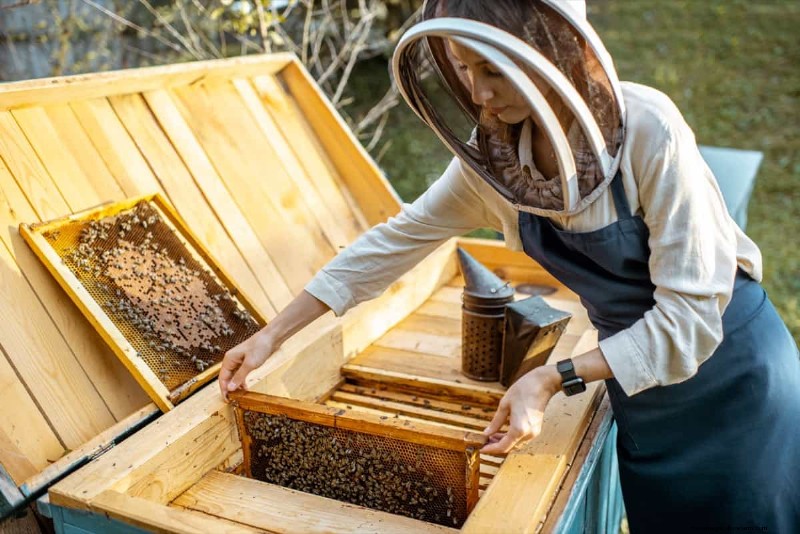
Researching the flora of the region guarantees that bees have sufficient forage, which cut down on the costs of feeding them.
Increasing the number of hives from one to numerous necessitates a proportional investment in both the equipment and the bees. There is a reduction in the cost per unit when purchasing in bulk, for as when purchasing frames or feed in volume.
When it comes to major operations, training employees or recruiting assistance can add to expenses, but it can also boost efficiency.
Unanticipated costs may develop, such as the replacement of a queen ($25–$50) or the restoration of hives that have been damaged by a storm. In order to alleviate the strain on one’s finances, it is recommended to set aside 10–15% of the original investment for a honeybee apiary as an emergency fund.
Starting a honeybee apiary requires careful planning, from the initial setup of the hives to the continuous maintenance of the colony. It is possible to establish a prosperous and long-lasting business by first gaining an idea of the initial expenditure required for a honeybee apiary and then making preparations for both anticipated and unanticipated expenses.
If you are patient and use your money wisely, beekeeping can provide you with significant results that are beneficial to both the environment and your wallet.