Welcome to Modern Agriculture!

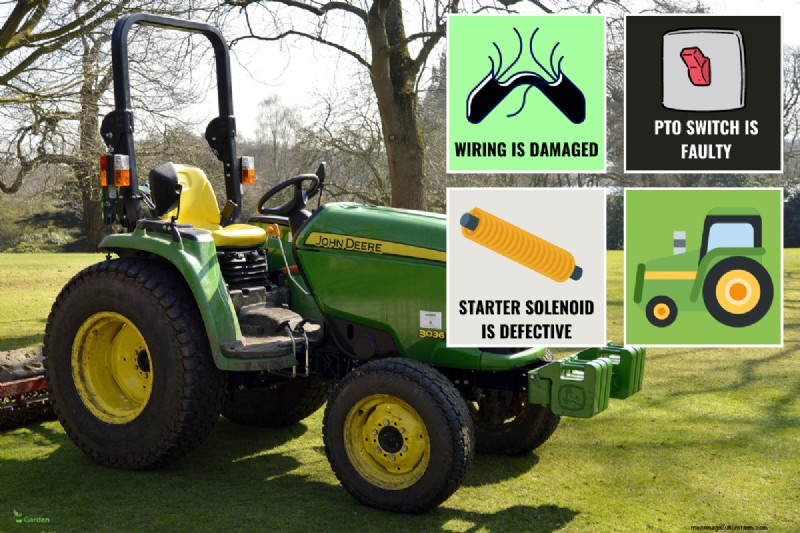
Does your John Deere lawn tractor keep blowing fuses? Repeated fuse blowouts usually point to an electrical fault that can damage the engine or create a safety hazard. In this guide we identify the most common causes—damaged wiring, a faulty starter solenoid, or a defective PTO switch—provide step‑by‑step troubleshooting, and explain how to replace a fuse correctly.
John Deere lawn tractors are built for year‑round use, from summer mowing to winter snow removal. Because they are exposed to the elements, electrical components can degrade over time, leading to fuse failures.
Since the fuse is a safety device designed to interrupt excessive current, it must be kept in good condition. If it blows repeatedly, the underlying issue must be addressed before replacing the fuse again.
Wires can lose insulation from heat, vibration, or corrosion. Once the insulation cracks or melts, stray current may find a short path—often to ground—triggering the fuse.
Loose or corroded connections can also cause over‑current. Inspect all visible wiring for signs of wear, fraying, or exposed strands. Replace any damaged cables with the correct gauge; using a wire that is too thin can overheat, while a too‑large gauge may allow excess current to flow undetected.
Secure loose terminals with durable nylon zip ties (available on Amazon). If you suspect a hidden internal fault, have a certified technician examine the harness.

The starter solenoid bridges battery power to the starter motor. A short or open circuit in the solenoid can draw a surge that blows the fuse.
To test the solenoid yourself, with the ignition on, locate the two red terminal posts on the solenoid. Touch both with a screwdriver shaft (handle insulated) simultaneously. If the engine cranks, the solenoid is likely bad and should be replaced. If it does not, the wiring to the solenoid may be the culprit.
The PTO (Power Take‑Off) switch powers the mower deck. A shorted or worn switch can create a high‑current condition that trips the fuse.
Use a multimeter to verify continuity when the PTO is engaged. If resistance is zero, the switch is probably stuck short and should be replaced.
After you have isolated and fixed the cause of the blowouts, replace the fuse with one of the same ampacity. John Deere tractors typically use a 20‑amp fuse. Using a lower rating will cause premature blowout; a higher rating can allow dangerous current to flow, potentially melting wires or starting a fire.

Failure to start can stem from a few simple, addressable issues:
Dust‑laden filters restrict airflow, forcing the engine to work harder and raising the risk of overheating and self‑ignition. Replace or clean the foam pre‑filter after ~25 hours of use and the paper filter after ~300 hours, as recommended in the owner’s manual.
A depleted battery will not spin the starter. Winter storage often drains the battery. Check voltage with a multimeter; 12.6 V or higher indicates a good charge. Inspect terminals for corrosion—clean with a baking‑soda paste and a wire brush, then re‑tighten.
Carbon build‑up or a cracked electrode can prevent ignition. Remove the plug, inspect for fouling, and replace if the gap is wrong or the electrode is damaged.
Gasoline is best used within 30 days. Musty fuel not only reduces performance but can corrode internal components. Add fresh propylene glycol‑stabilized fuel or run the engine until the tank is nearly empty to flush old gas.
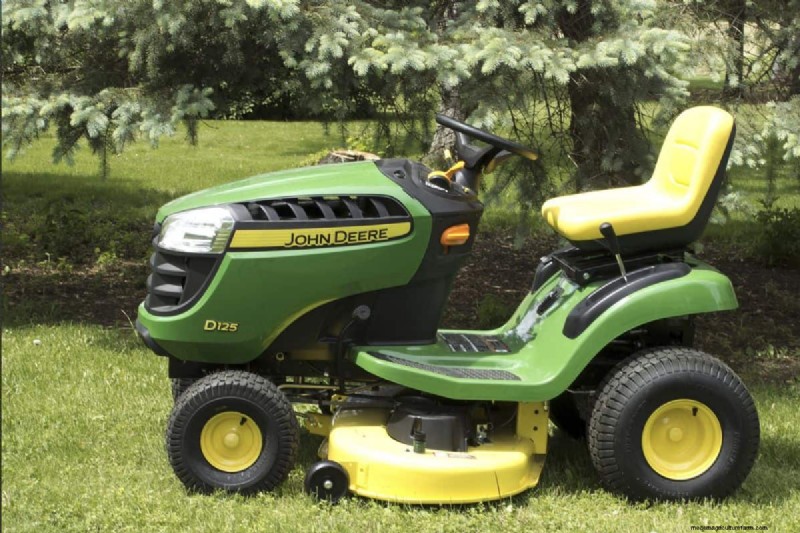
Regular upkeep extends the life of your John Deere:
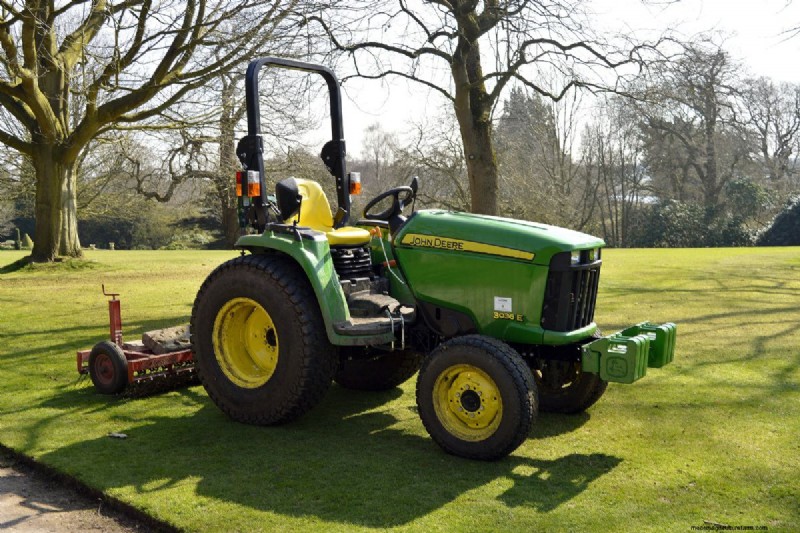
Persistent fuse blowouts usually point to damaged wiring, a failing starter solenoid, or a bad PTO switch. Addressing these root causes and using the correct fuse rating will restore reliability and protect your investment.
If the problem persists after your own checks, contact a certified John Deere dealer—only they have the diagnostic tools and expertise to resolve complex electrical faults.
For more tips, see our guides on Checking Fault Codes on a John Deere and How Long a John Deere Riding Mower Lasts?
Written by
E. Shana Waigi
Shana is a passionate reader and writer who loves nothing more than getting lost in the world of words. When she’s not crunching financial data or dressing for the day, she indulges her love of gardening and sharing her knowledge with others. With a keen eye for detail and a dedication to bringing her A game, Shana is committed to providing informative and engaging content for fellow gardening enthusiasts.
Meet the GardenTabs team →
Editorial oversight
GardenTabs content is reviewed by Steve Snedeker, a seasoned gardener with decades of hands‑on landscaping experience.