
Welcome to Modern Agriculture!

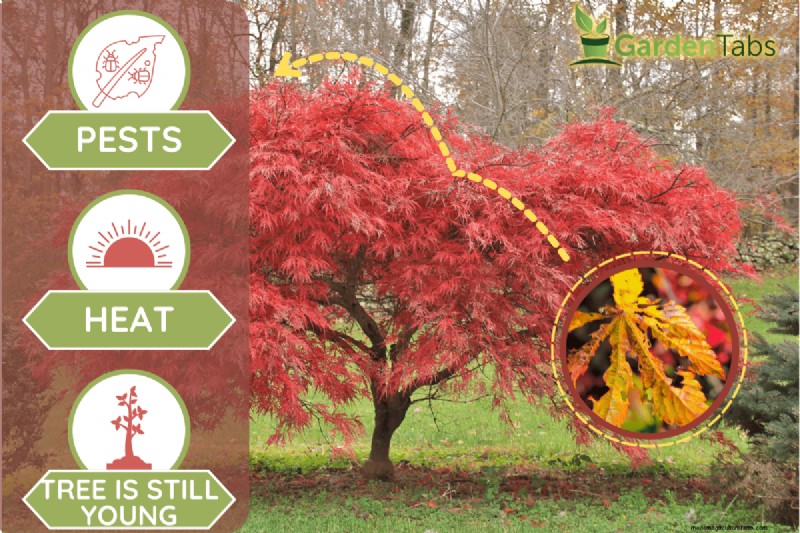
Japanese maples are celebrated for their delicate foliage and graceful form, but spotting holes in their leaves can be a red flag. Understanding the root cause—whether pests, heat stress, or the tree’s age—helps you protect this valuable ornamental asset.
Leaf‑eating insects are the most frequent culprit. These pests can quickly damage both foliage and stems if left unchecked.
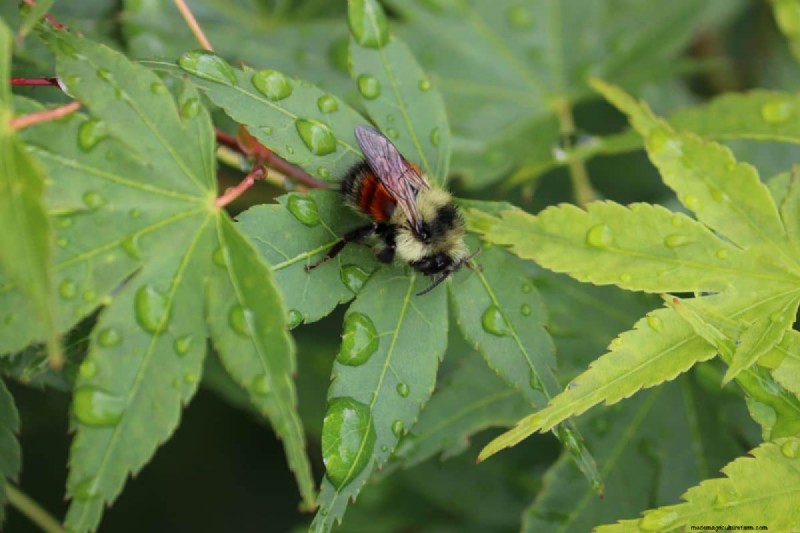
Common bugs chew through the leaf base, spreading rapidly across the canopy. If you notice a cluster of damaged leaves, a light insecticide spray is usually effective. Avoid neem oil, as it can harm beneficial insects on Japanese maples.
Scale insects are tiny, shell‑covered pests that latch onto new growth. They sap nutrients, leading to premature leaf drop and yellowing. Physical removal—scraping off scales and discarding them—or a targeted application of insecticidal soap can control them.
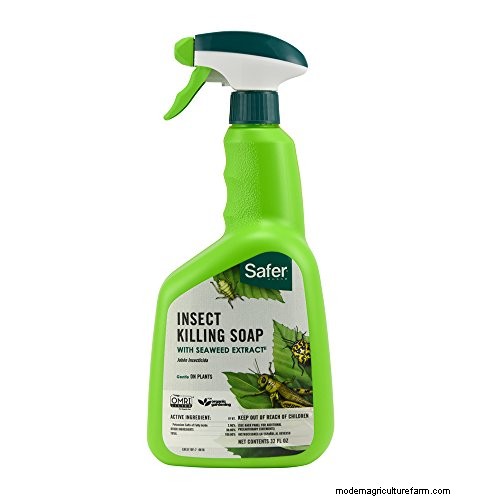
Mites burrow into leaf tissue, extracting sap and causing a pale, brown discoloration. Wash affected branches with a strong water spray or use a mild pesticide if the infestation is severe.
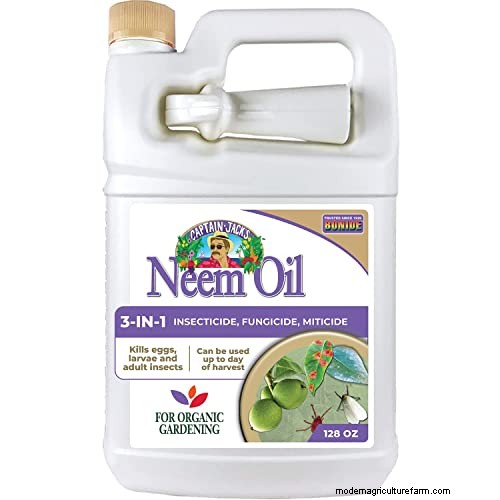
These soft‑bodied insects puncture leaves to feed, excreting honeydew that supports sooty mold growth. They are notoriously difficult to eliminate with standard insecticides. Neem oil applied every 7–10 days, or manual removal of small colonies, can curb their spread.
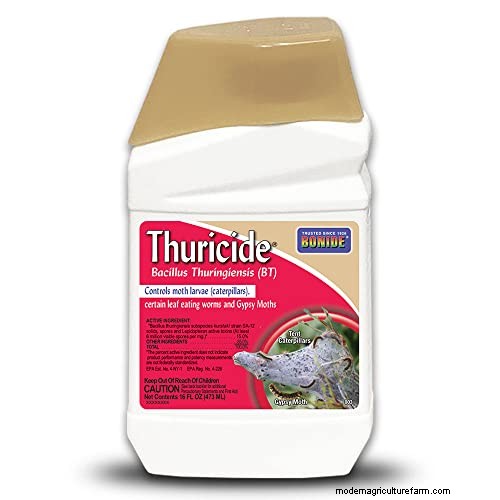
Bagworms create silk cocoons and consume leaf tissue. Handpicking and disposal, or a Bacillus thuringiensis spray—an environmentally safe biopesticide—effectively reduces their numbers.
Weevils gnaw at leaf edges, creating holes. Mulching and introducing beneficial nematodes around the base can disrupt their life cycle.
Wood‑boring larvae tunnel into stems and branches, weakening the tree’s structure. Their activity often leaves behind sawdust and can be difficult to eradicate once established.
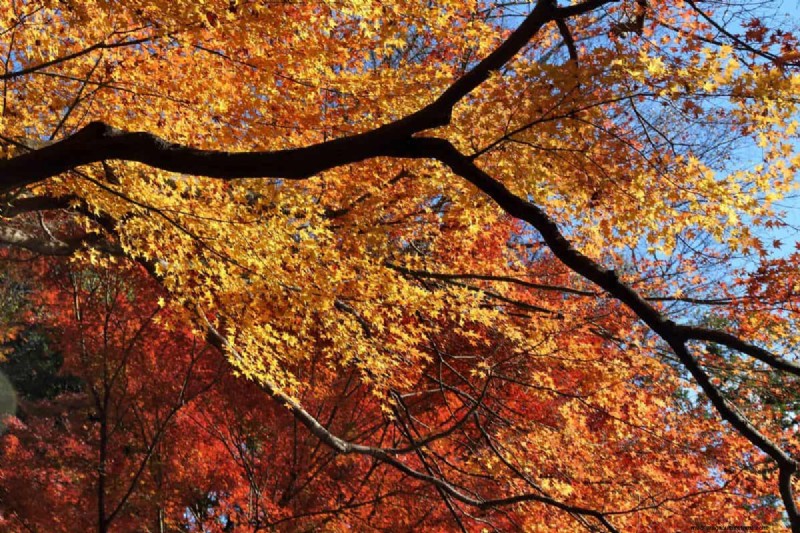
Excessive afternoon heat can cause small, water‑driven holes in leaves. Early‑morning irrigation allows foliage to dry before midday sun, mitigating damage.
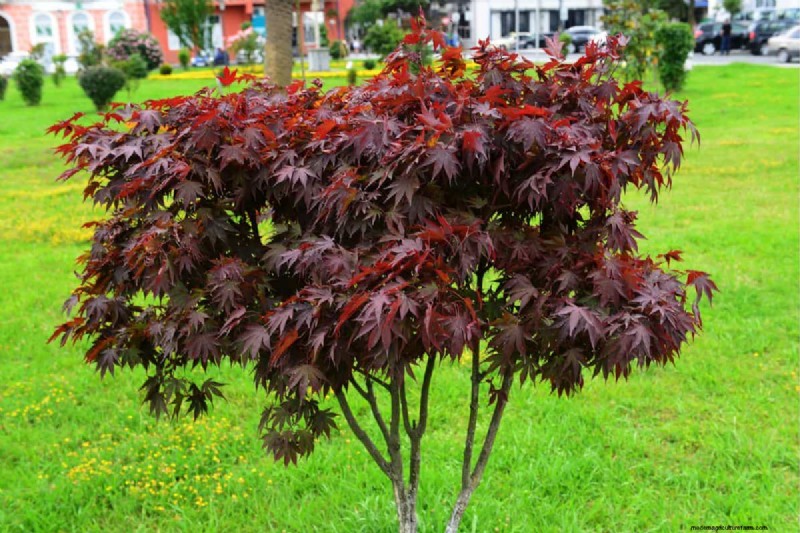
Newly planted trees often exhibit leaf holes because they rely on external sugars before fully establishing photosynthetic pathways. Proper fertilization and protection from pests during this period is essential.
Begin by removing heavily damaged leaves and disposing of them away from the tree. Inspect for signs of scale or other pests; if present, treat with your chosen pesticide or neem oil. Organic options such as insecticidal soap are suitable for mild infestations.
Regularly apply neem oil to all affected areas, ensuring coverage of leaf undersides where pests often hide. Vinegar, containing oxalic acid, can be a supplementary deterrent for small bug populations.
Avoid overhead watering to reduce fungal growth; water at the base in the morning to allow leaves to dry fully during the day.
Strategic pruning removes dead or heavily infested branches, improving air circulation and reducing pest habitats. Use sharp, sterilized shears to make clean cuts. 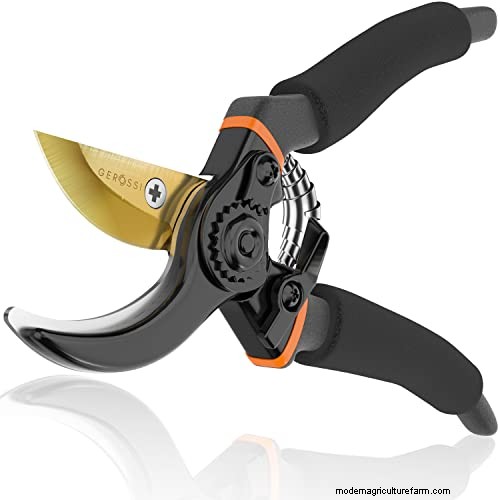
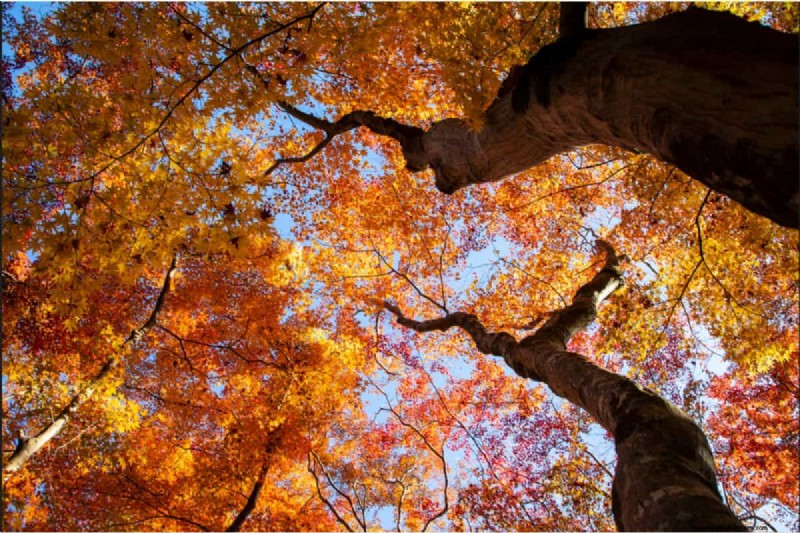
In cultivation, Japanese maples typically reach 10–25 feet tall, though some wild specimens can grow over 40 feet.
Identifying the underlying cause—pests, heat, or age—is key to restoring your maple’s health. Prompt use of neem oil or a suitable pesticide, combined with good cultural practices, will keep leaf holes at bay and preserve the tree’s beauty.
For more insights on caring for Japanese maples, read our related posts:
• Why Is My Japanese Maple Dying? (and How to Save It)
Written by Andrea Garcia
Andrea is a content writer and electronics engineer who loves gardening, pets, movies, and indie music. Editorial oversight by Steve Snedeker, a veteran gardener with decades of experience.