Welcome to Modern Agriculture!

 Shutterstock
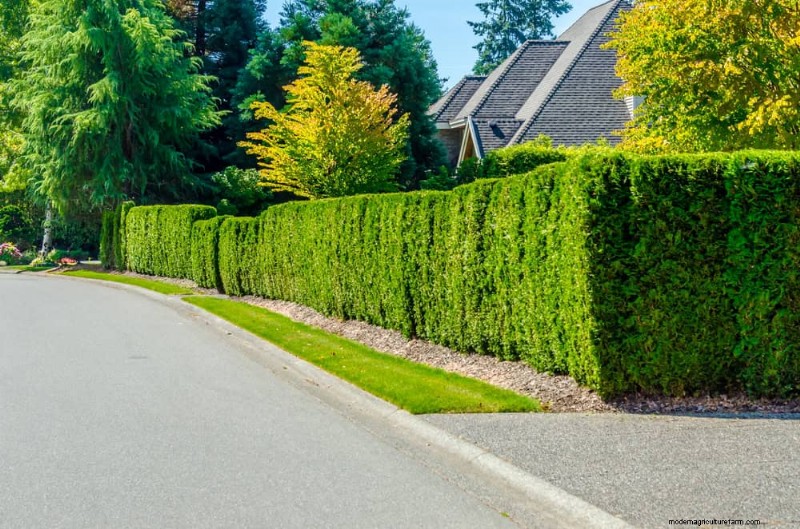
Looking for a stylish, natural alternative to wooden fences? Growing a lush green barrier with plants can simultaneously offer privacy, beauty, and environmental benefits. Ranging from tall hedges to dense climbers, there’s a plant for every garden style and climate. Plus, living walls enhance air quality, reduce noise, and create habitats for wildlife.
Here are stunning plants to help you grow a gorgeous green barrier around your property.
When you need screening in a hurry, growth rate becomes the primary selection criterion, and a handful of species reliably outpace everything else.
 DepositPhotos.com
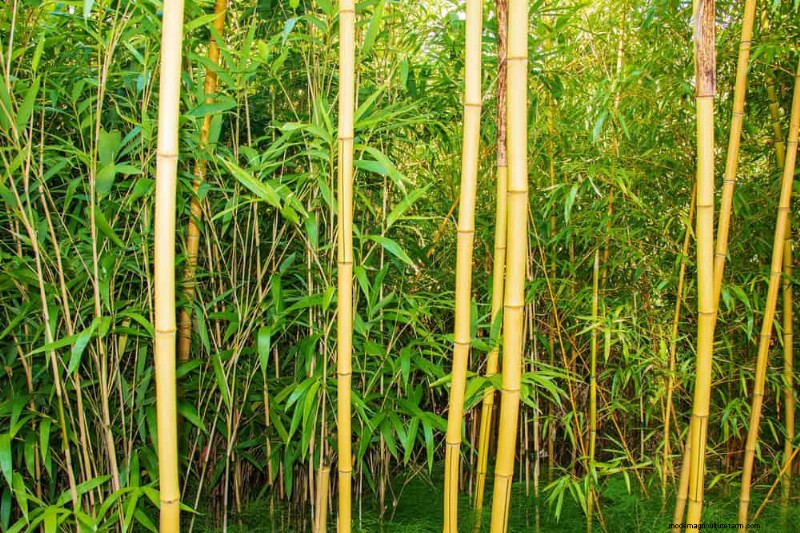
Bamboo is an excellent choice for creating a fast‑growing, tall privacy screen. Clumping varieties like Golden Bamboo or Buddha Belly Bamboo are less invasive and easier to control. Use root barriers and regular trimming to keep clumping bamboo contained. It thrives best in full sun to partial shade and well‑drained soil.
 Shutterstock
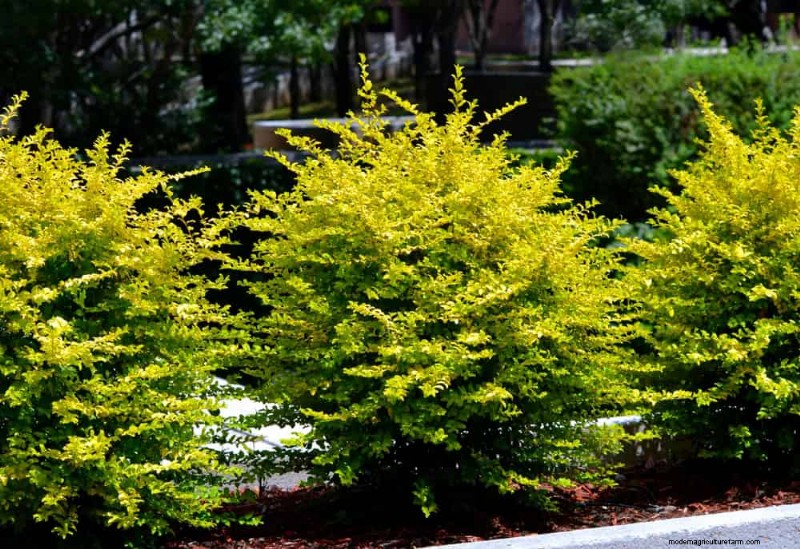
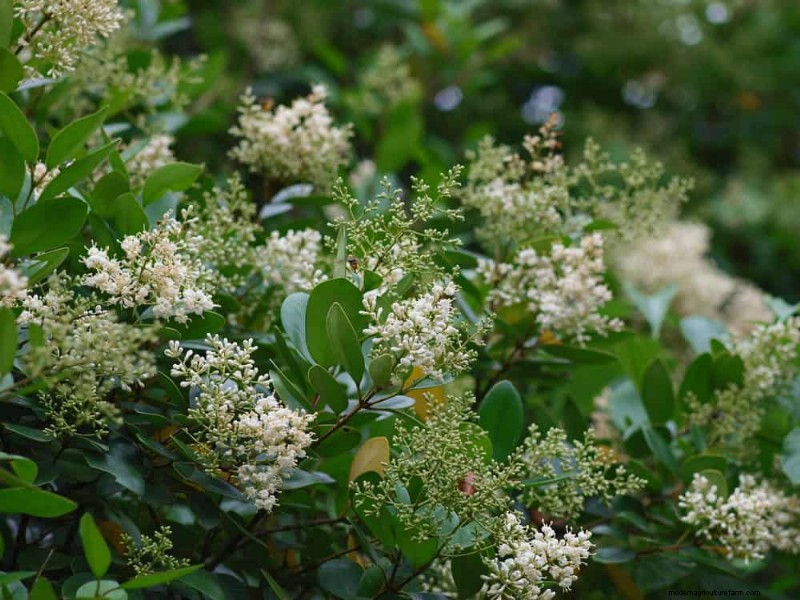
Privet is a hardy, fast‑growing shrub often used for privacy screens and windbreaks. Its dense foliage provides excellent coverage, and its tolerance to pruning allows for easy shaping. Popular varieties include Japanese Privet and California Privet, both known for their resilience and adaptability.
 Shutterstock
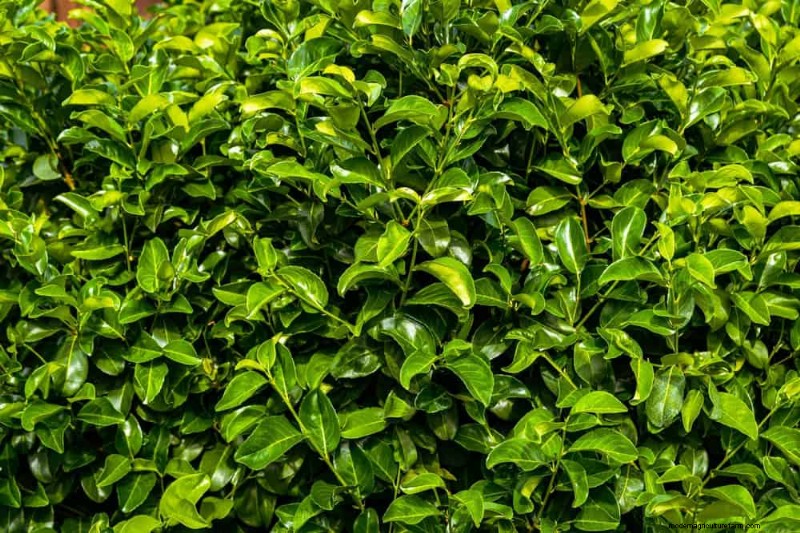
Cherry Laurel is a fast‑growing, evergreen shrub with glossy dark‑green leaves and thick growth. It’s great for creating tall, dense screens that provide year‑round coverage. It requires only occasional pruning and produces fragrant white flowers in spring, followed by dark berries that attract birds.
 Shutterstock
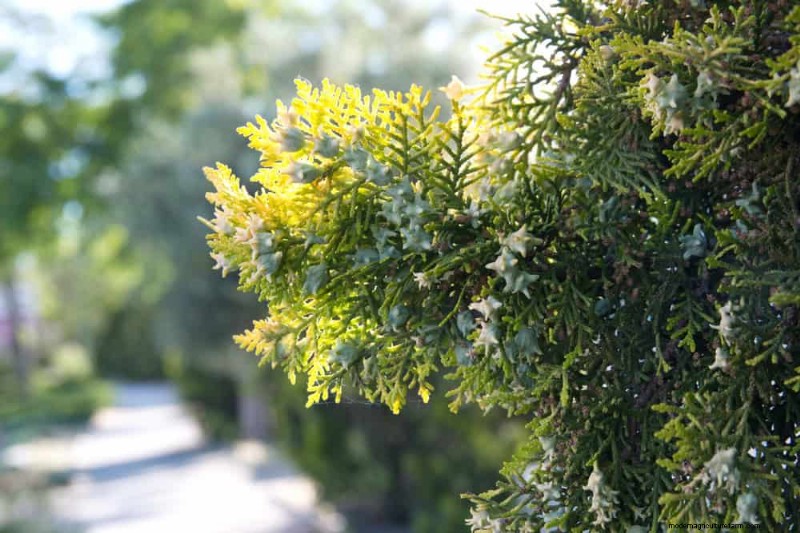
Leyland Cypress is one of the fastest‑growing privacy plants available, forming a dense, lush barrier that can reach impressive heights. It thrives in full sun and well‑drained soil, and regular trimming keeps it in shape.
 Shutterstock
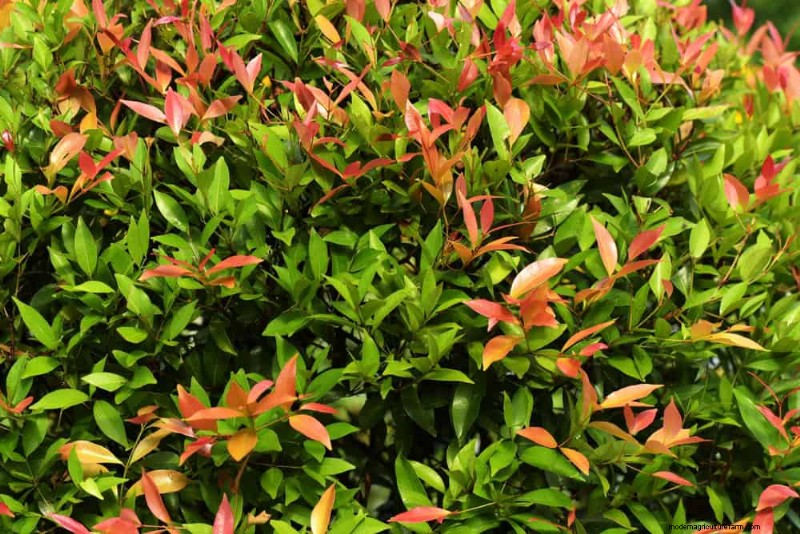
Red Tip Photinia offers vibrant, red‑tinted foliage that matures to dark green. Its dense growth and fast rate make it ideal for privacy hedges. It’s drought‑tolerant, thrives in full sun to partial shade, and benefits from regular pruning.
Save this article & also instantly unlock today's gardening deals!
Nothing holds a tidy shape through winter like a well‑chosen evergreen, making these the backbone of any structured garden boundary.
 Shutterstock
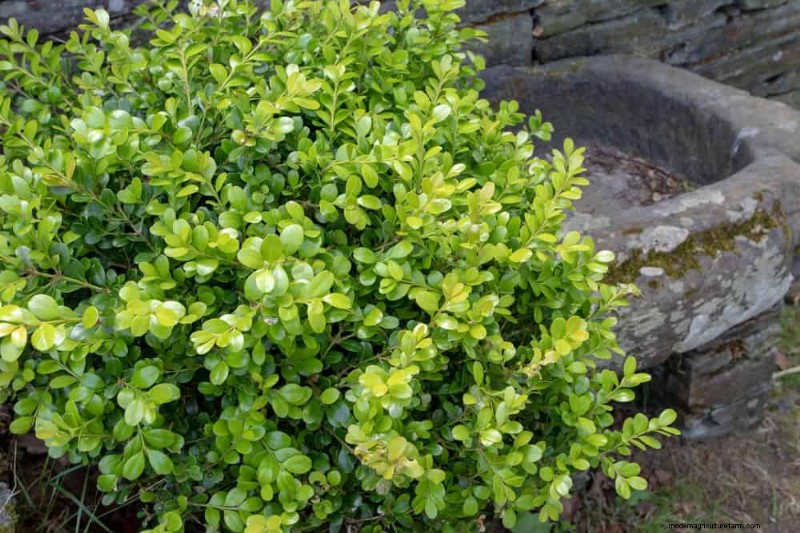
Boxwood is a classic choice for hedging due to its dense, evergreen foliage and ease of shaping. It prefers partial to full sun and well‑drained soil. For a dramatic effect, try English Boxwood for formal designs or American Boxwood for larger hedges.
 Shutterstock
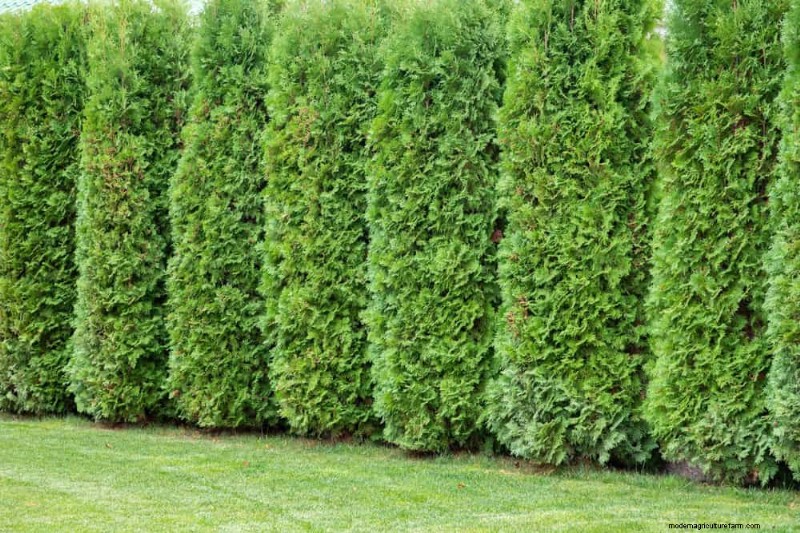
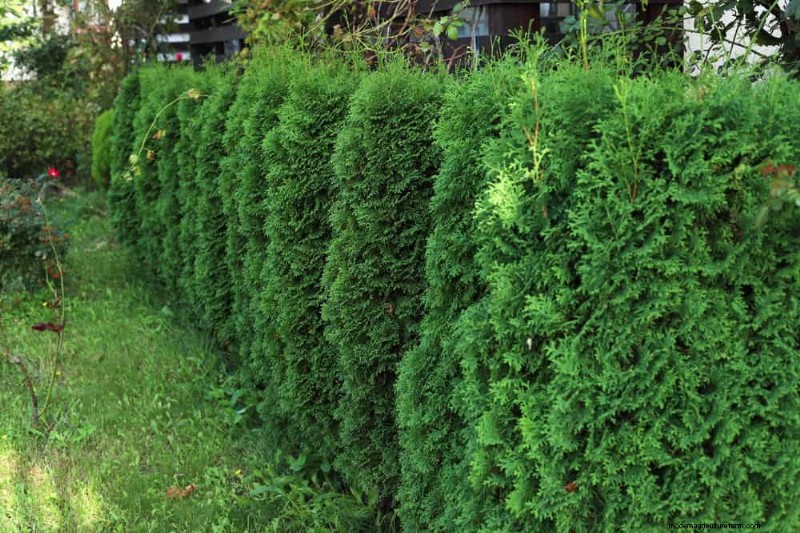
Arborvitae is popular for creating dense, evergreen privacy screens. Its narrow, columnar shape suits tight spaces where height is needed. Varieties like Emerald Green and Green Giant grow rapidly and add beauty.
 Shutterstock
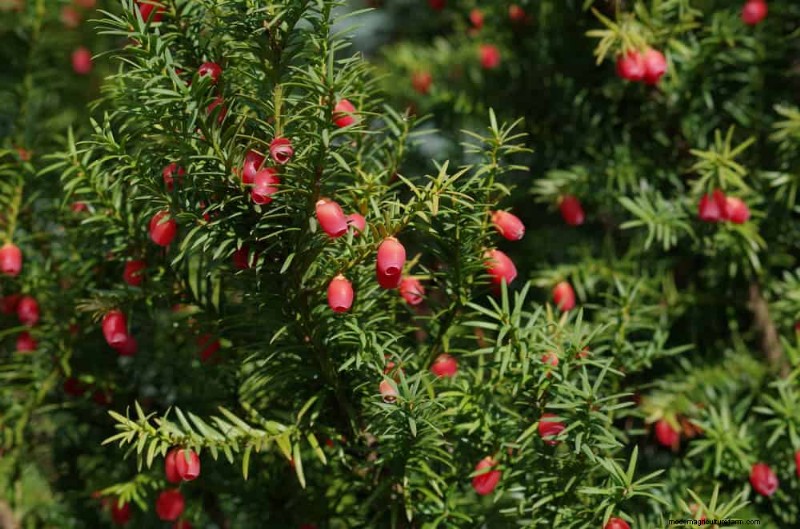
Yew is a versatile, slow‑growing evergreen that thrives in shade and various soils. Its dense foliage provides a classic look, and it responds well to pruning, allowing clean, sculpted shapes.
 Shutterstock
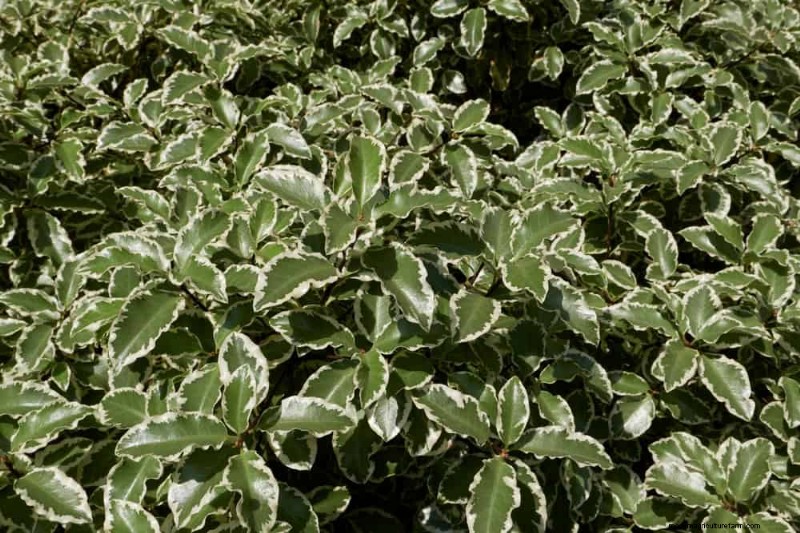
Pittosporum offers glossy leaves that can be shaped into formal hedges or left natural for a relaxed look. It blooms with fragrant small flowers in spring and is low‑maintenance.
 Shutterstock
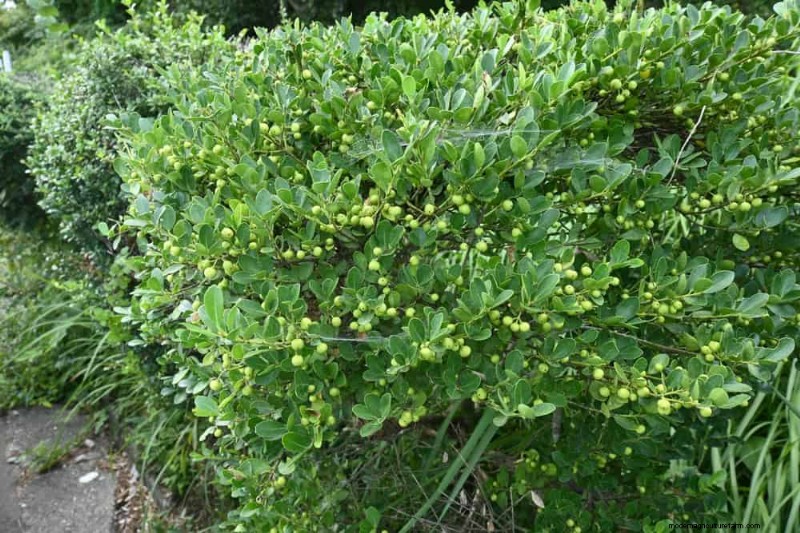
Japanese Holly mimics boxwood with small dark leaves, making it a popular alternative for formal hedges. It’s resistant to pests and diseases and thrives in slightly acidic, well‑drained soil.
A privacy hedge doesn’t have to be a plain green wall; the best ornamental species earn their keep across every season.
 Shutterstock
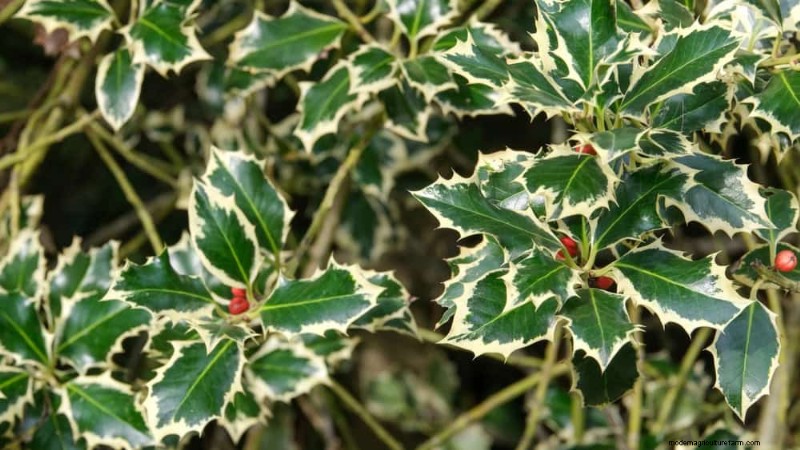
Holly bushes provide glossy leaves and vibrant red berries, creating a dense, attractive barrier. They’re deer‑resistant and thrive in full sun to partial shade.
 Shutterstock
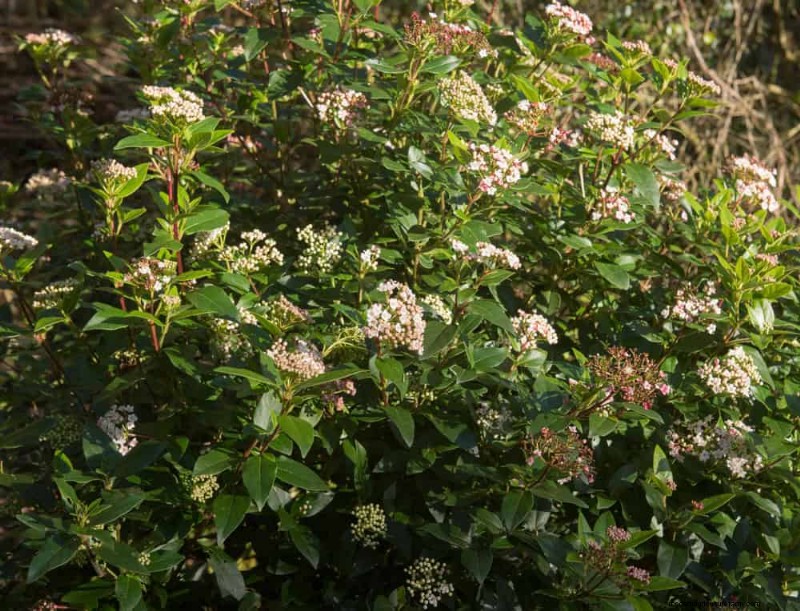
Viburnum offers dense foliage, fragrant flowers, and colorful berries. It grows well in full sun to partial shade, and its spring blooms attract pollinators.
 Shutterstock
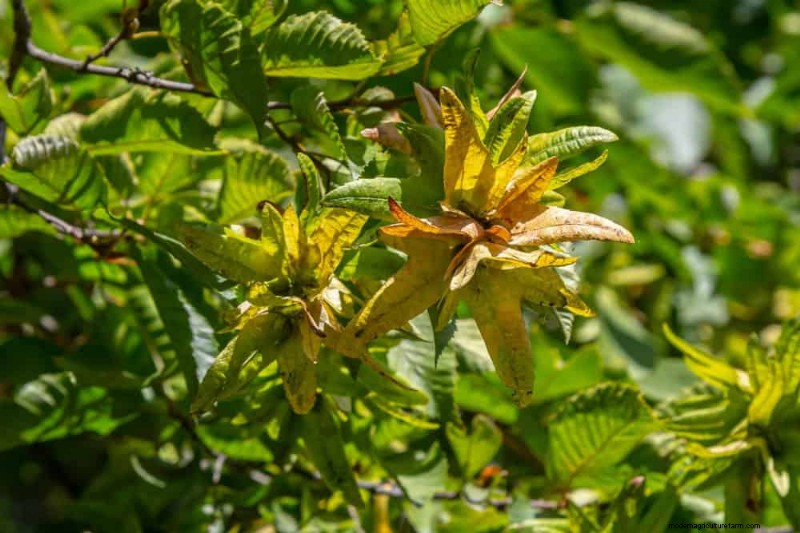
Hornbeam is a deciduous tree used for dense hedges that remain interesting through the seasons. Its golden‑yellow leaves in autumn add color.
 Shutterstock
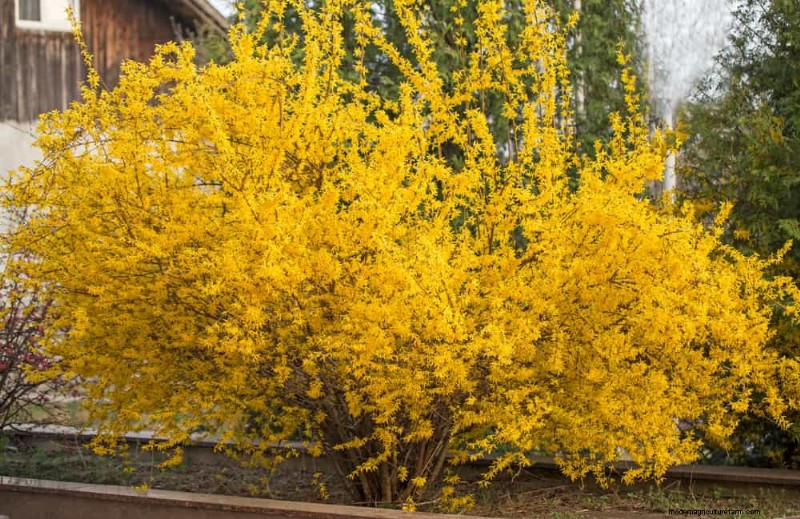
Forsythia bursts into bright yellow in early spring, making it ideal for informal, flowering hedges. It thrives in full sun and well‑drained soil.
 Shutterstock
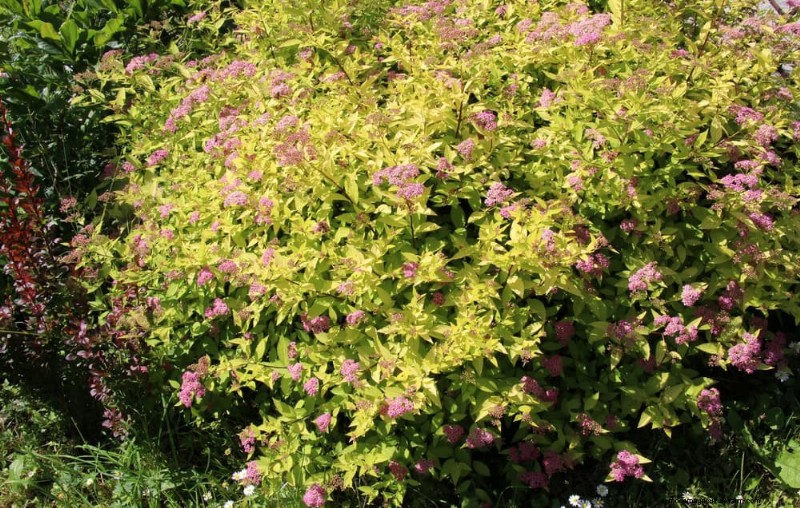
Spirea offers delicate arching branches with white or pink flowers. It grows quickly and densely, perfect for informal hedges.
 Shutterstock
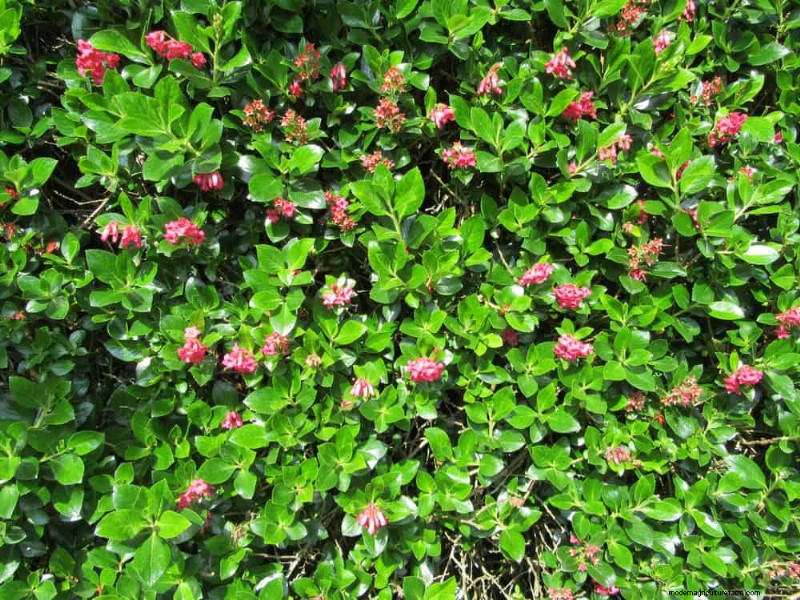
Escallonia is a fast‑growing, evergreen shrub with glossy leaves and pink, white, or red flowers. It’s ideal for dense, flowering hedges.
 Shutterstock
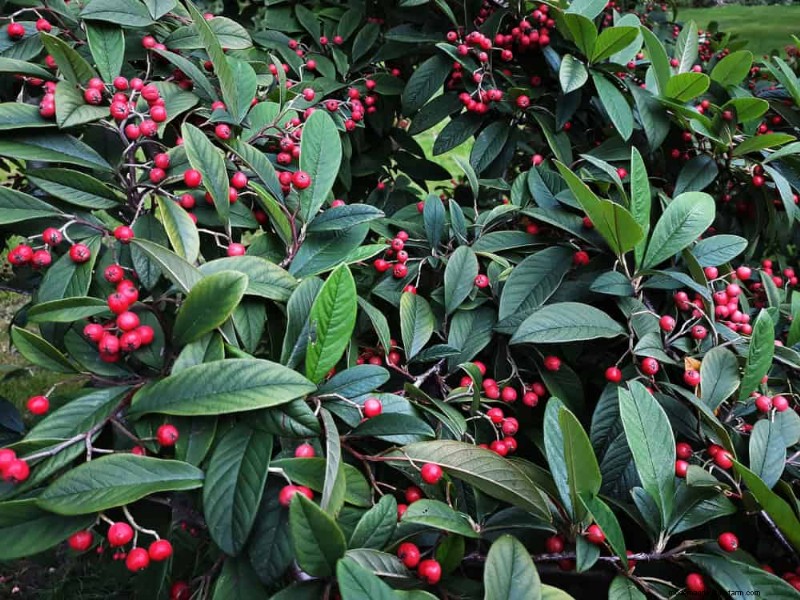
Cotoneaster provides dense glossy foliage and bright berries. It thrives in full sun to partial shade and adapts to various soils, supporting pollinators and birds.
For boundaries where deterrence matters as much as screening, plants with spines or dense thorny growth provide a genuine physical barrier.
 Shutterstock
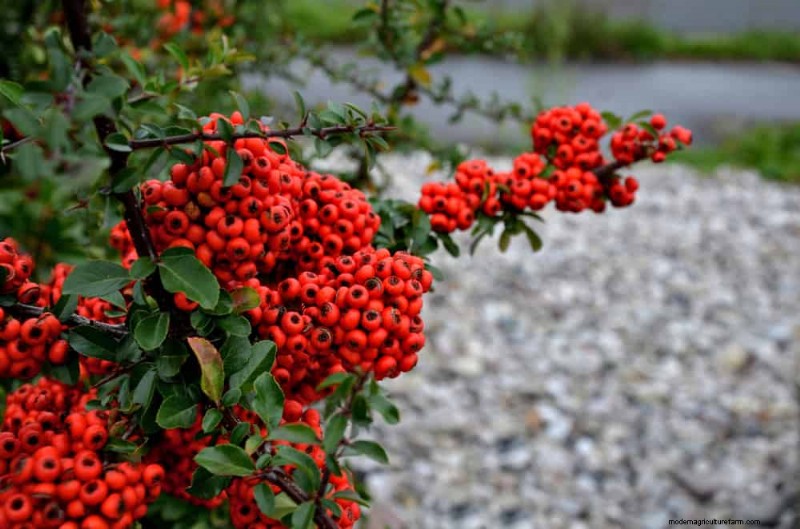
Firethorn offers dense foliage, bright berries, and a prickly nature that deters intruders while providing cover for wildlife.
 Shutterstock
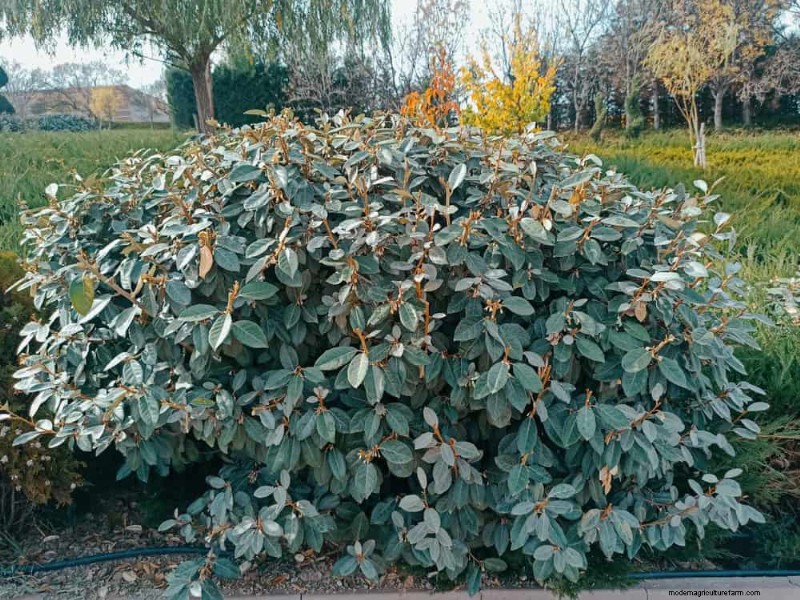
Silverthorn, or Thorny Olive, grows densely and can spread aggressively. It thrives in sun to partial shade and attracts birds with its red berries.
Low‑growing fragrant plants create sensory borders that double as culinary ingredients.
 Shutterstock
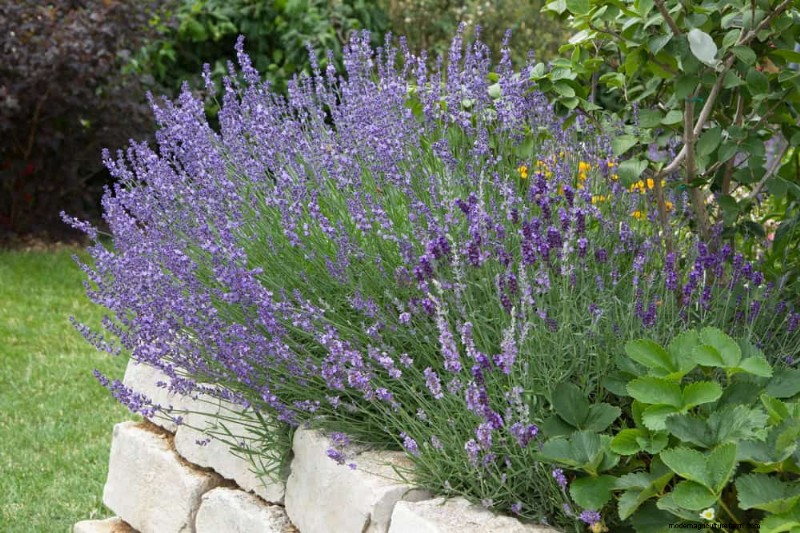
Lavender provides fragrant, purple blooms and silver‑green foliage. It thrives in full sun and well‑drained, slightly sandy soil, and is drought‑tolerant once established.
 Shutterstock
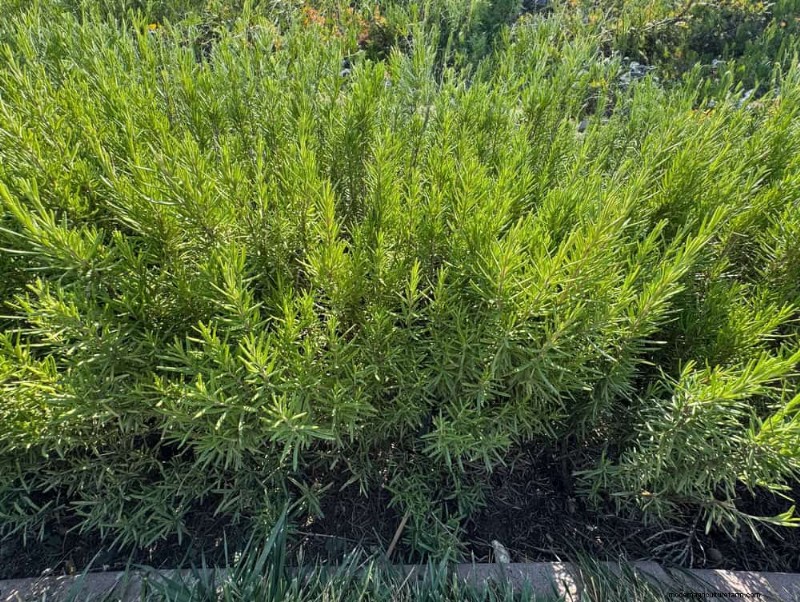
Rosemary offers aromatic, needle‑like leaves and small blue flowers. It prefers full sun and sandy soil, making it perfect for Mediterranean‑style gardens.
In climates with dry summers or poor soil, these tough species maintain privacy with minimal irrigation.
 Shutterstock
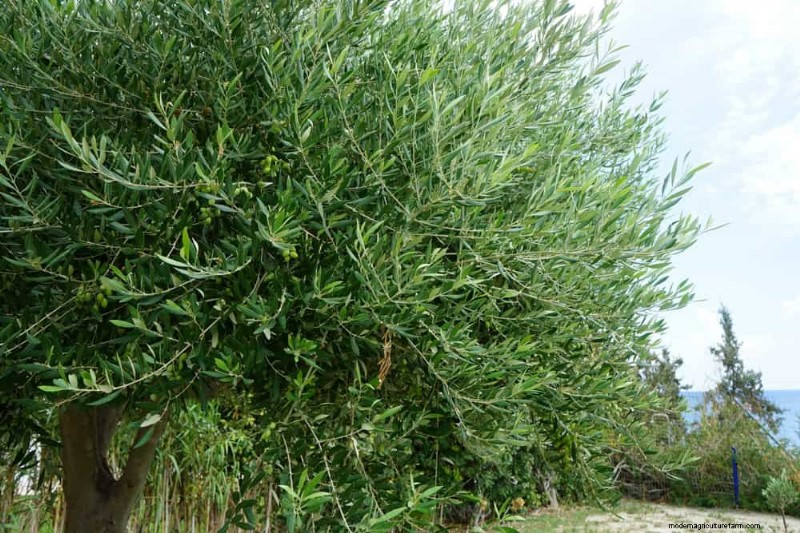
Olive trees create tall, narrow hedges with silver‑green foliage. They thrive in full sun and well‑drained, slightly alkaline soil, and require occasional pruning.
 Shutterstock
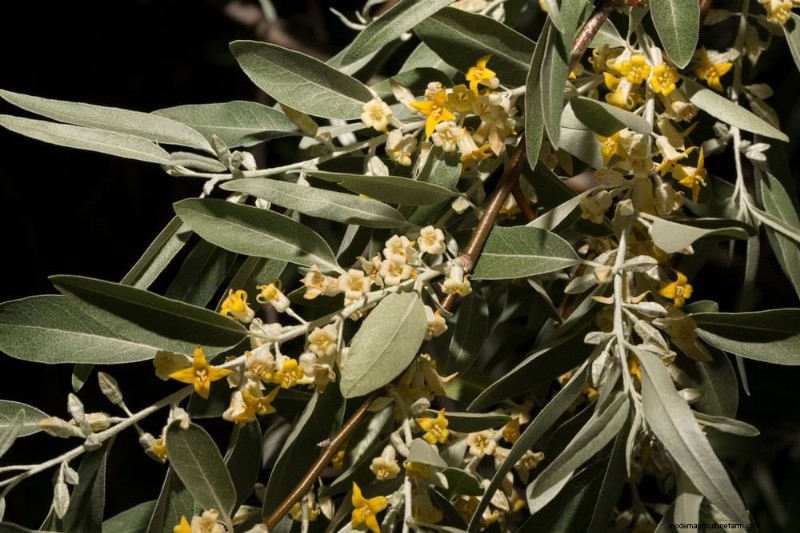
Olive Willow, or Russian Olive, is a fast‑growing, drought‑tolerant shrub with silvery foliage. It forms dense thickets but requires root barriers to manage its invasive potential.
 Shutterstock
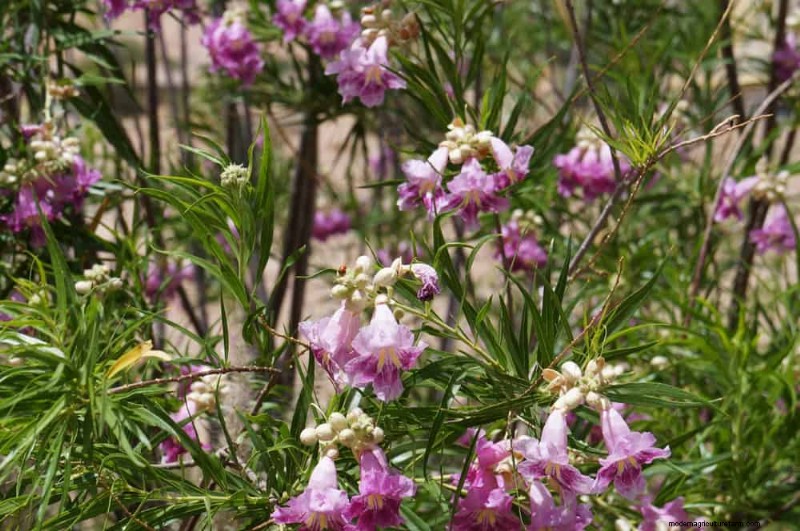
Desert Willow is a deciduous shrub or small tree with willow‑like leaves and trumpet‑shaped flowers. It thrives in full sun, attracts hummingbirds, and is low‑maintenance.
Where the planting strip is tight but height is still needed, narrow upright species and non‑invasive bamboo offer the best height‑to‑footprint ratio.
 Shutterstock
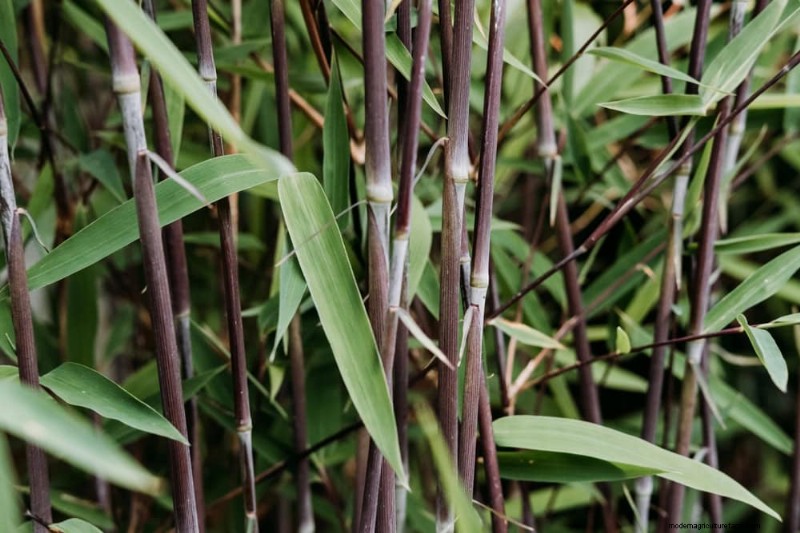
Fargesia Bamboo, or Clumping Bamboo, is non‑invasive and ideal for dense, tall screens. It thrives in partial to full shade and moist, well‑drained soil.
 Shutterstock
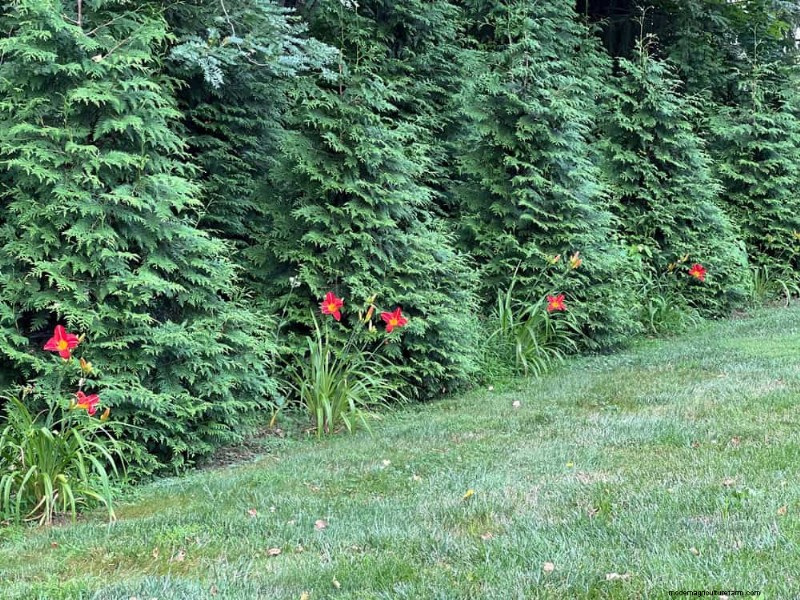
Thuja Green Giant is a fast‑growing, evergreen tree with tall, dense foliage. It’s hardy, pest‑resistant, and thrives in full sun to partial shade.
 Shutterstock
Japanese Privet remains a robust evergreen shrub with glossy leaves and dense growth, perfect for privacy screens or windbreaks.
Living privacy screens reward patience with results that improve each year, look better with age, and never need repainting.
 Shutterstock
Replacing wooden fences with lush, natural plant barriers is a beautiful and sustainable choice. No matter whether you prefer dense hedges, elegant climbers, or colorful flowering shrubs, there’s a perfect plant for every garden style.
These living screens offer privacy, enhance air quality, reduce noise, and provide shelter for wildlife. With proper care and creativity, your green barrier will flourish and elevate your property’s charm. From fast‑growing bamboo to classic laurels, the options are endless.

Editorial oversight GardenTabs content is reviewed by Steve Snedeker, a seasoned gardener with decades of hands‑on landscaping experience.