Welcome to Modern Agriculture!

Miscellaneous ●
Fertile, well-drained soil.
Full sun.
None. Annual coreopsis cannot tolerate cold temperatures.
Mix a light application of a balanced organic fertilizer into the soil prior to planting. Annual coreopsis needs less fertilizer and water compared to other flowers.
Lettuce and Pomegranate. The narrow, airy plants rise up suddenly in late summer, making them great replacements for early season bloomers. Annual coreopsis is an excellent flower to grow in wildflower meadows.
Single Plants: 11" (30cm) each way (minimum)
Rows: 11" (30cm) with 11" (30cm) row gap (minimum)
Sow seeds in moist seed starting mix indoors, or wait until after the last frost has passed and plant seeds where you want the plants to grow.
Our Garden Planner can produce a personalized calendar of when to sow, plant and harvest for your area.
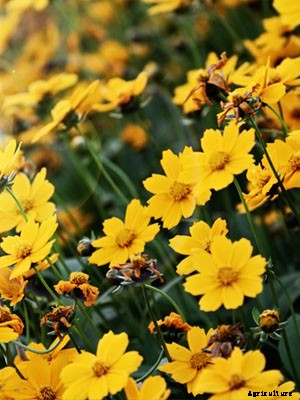
The bicolored blooms of coreopsis attract butterflies and beneficial insects.
Snip off spent blossoms to keep plants looking neat, and to prolong flowering. Tall plants benefit from staking.
Be patient with this wildflower, which blooms in late summer and fall. Plants will reseed themselves with a little encouragement.