Welcome to Modern Agriculture!

 Depositphotos
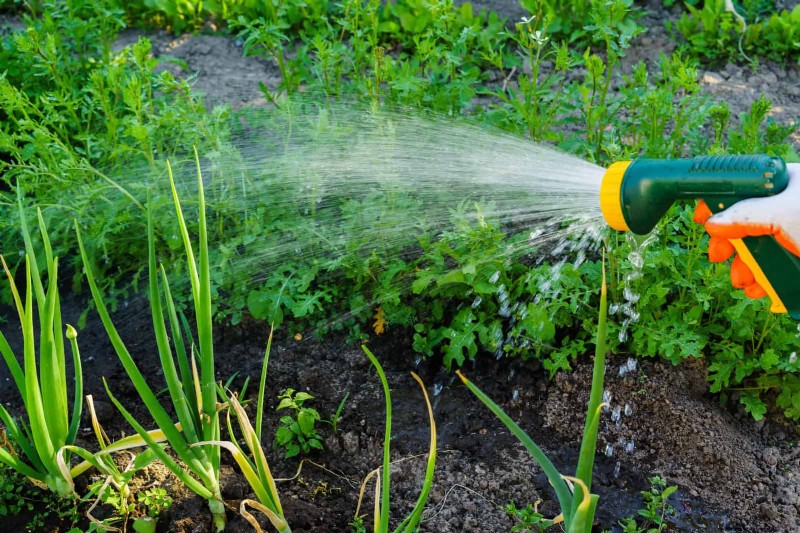
We’ve all been there. You look at your water bill and wince. Then you glance at your yard: brown patches, struggling plants, and a landscape that’s seen better days. The culprit might be hiding in plain sight: your watering habits.
Many homeowners unknowingly waste hundreds of gallons of water while simultaneously damaging their landscapes. Good news though! A few simple adjustments to how water can transform your yard and utility bills.
These practical changes don’t require fancy equipment or a complete garden overhaul. Some thoughtful tweaks to your current routine will help your plants thrive while keeping more money in your pocket.
 Depositphotos
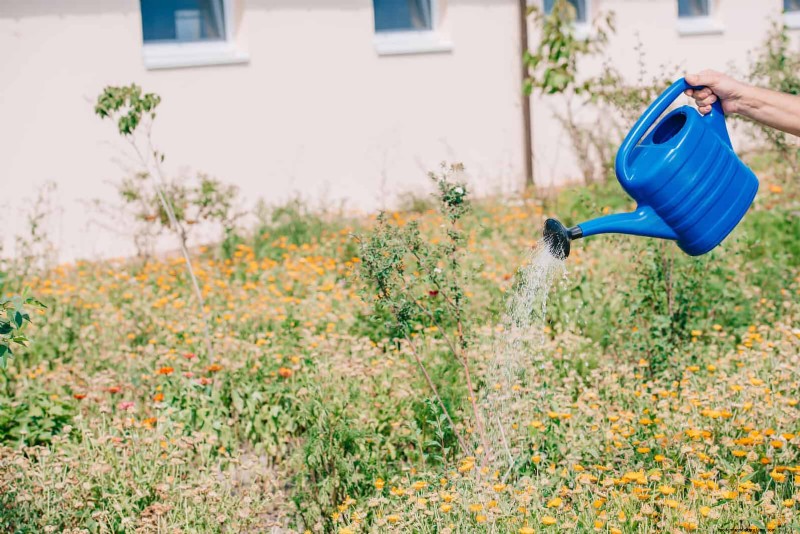
That midday watering session might seem convenient, but it’s one of the quickest ways to waste water. When you water during the hottest part of the day (typically 10 am-4 pm), up to 30% of that moisture evaporates before plants can absorb it.
The bright sun causes water droplets on leaves to act like tiny magnifying glasses, potentially scorching delicate foliage. You’ll also notice those water droplets creating a distinct sizzling sound on hot surfaces during peak heat; that’s the sound of your money evaporating!
The sight of steam rising from wet pavement should be a clear signal that your timing needs adjustment. This inefficient practice forces plants to compete for less available moisture, leaving them stressed and thirsty despite your watering efforts.
 Depositphotos
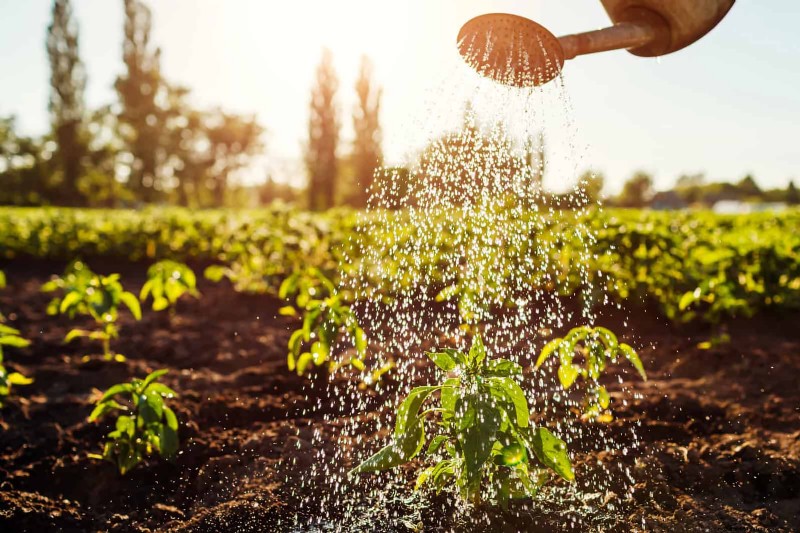
Early morning (before 9 a.m.) is ideal for watering. The gentle morning light allows plants to dry gradually while temperatures remain cool enough for maximum absorption. The garden feels refreshingly cool and calm during early watering, with dew still clinging to blades of grass.
You’ll notice birds are more active during these hours, too, helping control garden pests. Evening watering (after 6 p.m.) works well, too, though it is slightly less ideal as moisture sitting overnight can sometimes encourage fungal issues in humid regions.
For best results, set automatic timers to water around 5 to 7 a.m., giving your plants a refreshing morning drink. In most US climate zones, this timing works year-round, though you’ll adjust the frequency seasonally. Your plants will respond with deeper green color and more vigorous growth.
We'll email it to you so you can read it later!
By saving, you agree to receive occasional emails. Unsubscribe anytime.
 Depositphotos
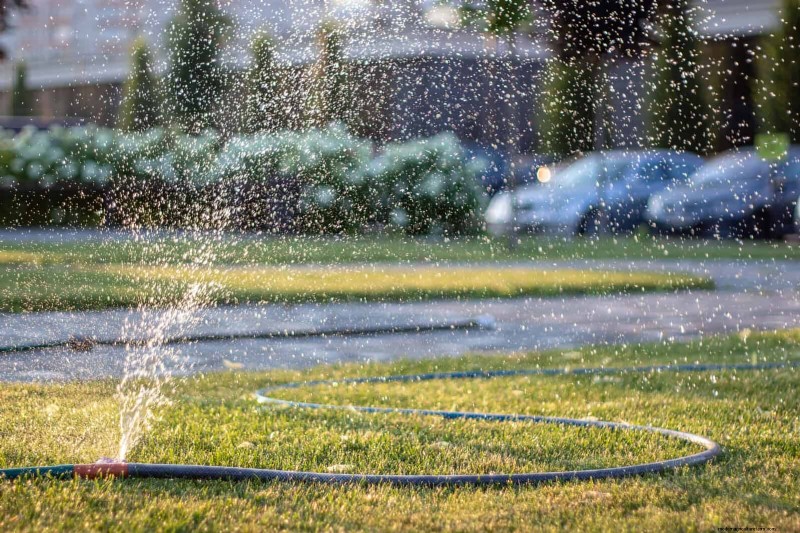
Running sprinklers during a rainstorm is a classic water-wasting blunder. Yet many homeowners with automatic systems do exactly this, creating the absurd spectacle of sprinklers spraying while rain falls. This wastes water and can lead to soil erosion as excess water rushes across the saturated ground.
After such double-watering events, muddy runoff might stain driveways and sidewalks. The aftermath of unnecessary irrigation during rainfall is evident in squelchy, waterlogged soil that makes an unpleasant sucking sound when walked upon.
This creates ideal conditions for root rot in many plants and encourages shallow root development. The excess moisture can wash away valuable nutrients and create anaerobic soil conditions that harm beneficial soil microorganisms essential for plant health.
 Depositphotos
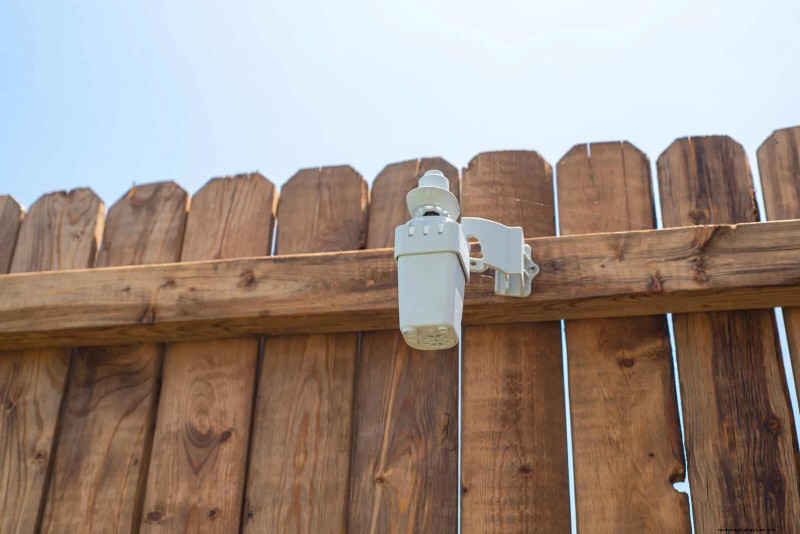
Rain sensors are surprisingly affordable devices that connect to your irrigation system and prevent watering when nature has already done the job. These small weather-responsive gadgets detect rainfall and automatically override scheduled watering cycles.
Most models cost between $20 to $50 and can save thousands of gallons annually. Installation is typically straightforward; most homeowners can set them up in under an hour. Position the sensor in an open area where it can accurately measure rainfall, not under eaves or tree cover.
After rainfall, you’ll notice the satisfying click as the sensor resets when dry conditions return. These sensors are particularly valuable for gardeners in regions with variable rainfall patterns, like the Pacific Northwest or the Southeast, for maintaining optimal soil moisture without waste.
 Depositphotos
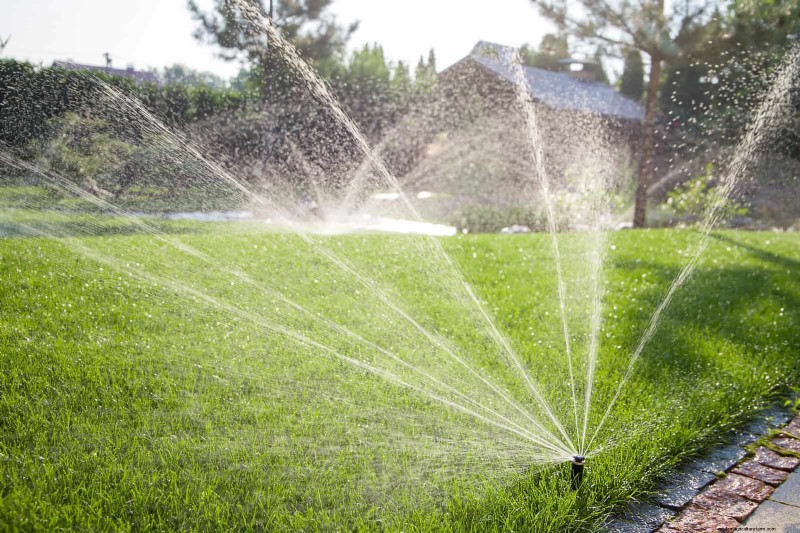
Watering concrete won’t grow anything except your water bill. Misaligned sprinklers sending precious moisture onto sidewalks, driveways, and streets is frustratingly common. This creates unsafe slippery surfaces and wastes hundreds of gallons each month.
You’ll often see the telltale rust-colored stains on concrete from iron-rich water repeatedly hitting hardscapes. Beyond wasting water, misdirected sprinklers can damage concrete over time.
Water seeps into tiny cracks, and in colder climates, freeze-thaw cycles gradually widen these fissures. The constant wet-dry cycle also encourages algae growth, creating slick green patches that become treacherous when wet. In drought-prone areas like California and Arizona, watering pavement might even violate local water restrictions.
 Depositphotos
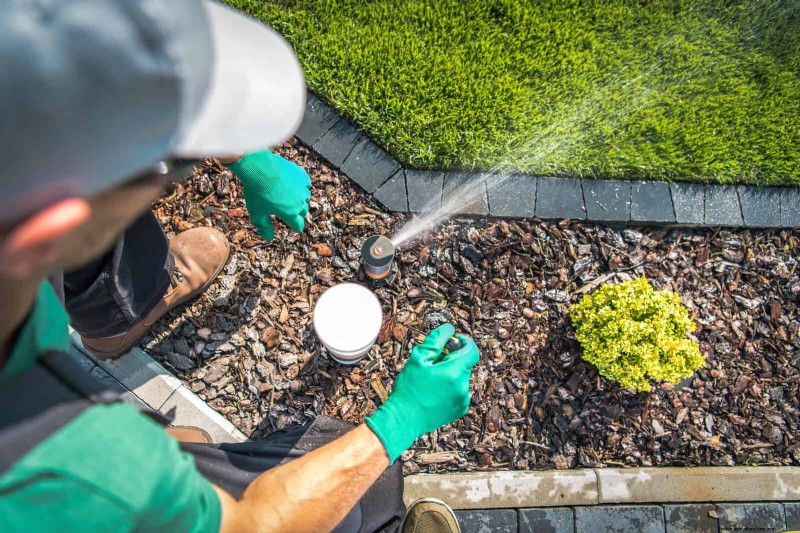
Take 30 minutes to observe your sprinklers in action and adjust any heads spraying beyond planted areas. Most sprinkler heads have simple adjustment screws or dials to modify spray distance and arc. Use a screwdriver to reduce the radius or redirect the spray pattern.
The satisfying click as you make these adjustments confirms you’re saving water with each twist. For irregularly shaped areas, consider replacing standard spray heads with rotary or multi-stream nozzles that apply water more precisely.
Modern sprinkler technology, like Hunter MP Rotators or Rain Bird R-VAN nozzles, delivers water in multiple rotating streams rather than misting, reducing drift and providing more uniform coverage. The gentle patter of these rotary sprinklers distributes water more slowly, allowing better soil penetration while dramatically reducing runoff onto hardscapes.
 Depositphotos
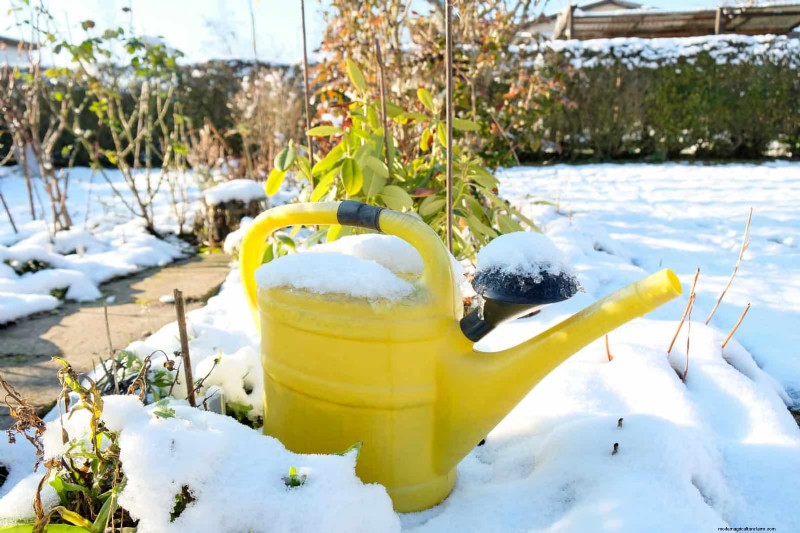
Plants don’t need the same amount of water in January as they do in July. Yet many irrigation systems run on the same schedule all year, regardless of seasonal needs. This “set and forget” approach ignores the natural rhythm of plants and climate.
Your lawn requires significantly less water during cooler months when evaporation rates drop and plant growth slows. The consequences show in your landscape. Winter overwatering creates soggy soil that suffocates roots and promotes fungal diseases.
Plants may show yellowing leaves or develop root rot from consistently waterlogged conditions. Meanwhile, summer underwatering stresses plants during their peak growth period. This inconsistency with natural cycles confuses plants and weakens their natural resilience.
 Depositphotos
Adjust your irrigation controller at least four times per year to match seasonal conditions. Spring (March-May) typically requires moderate watering as plants wake up and temperatures warm.
Summer (June-August) demands more frequent watering, especially for lawns and shallow-rooted plants. The crisp air of fall (September-November) signals a gradual reduction in watering frequency.
Winter (December-February) needs minimal irrigation in most regions. In USDA zones 7 and warmer, you might water established landscapes just once every 2 to 3 weeks during winter. In colder northern zones, irrigation systems should be winterized and shut down completely.
Use the “seasonal adjust” feature on your controller to easily modify all zones at once. Reduce summer settings by 30 to 50% during fall and by 50-70% during winter months. By adapting to these natural seasonal rhythms, your plants will develop stronger roots.
 Depositphotos
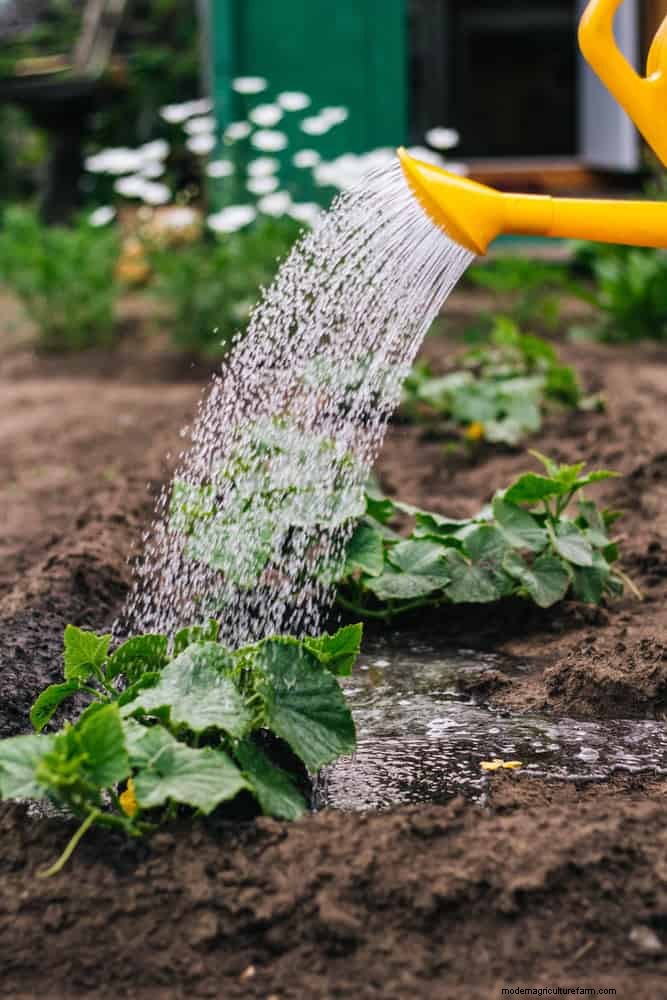
Daily light sprinkling creates lazy plants with shallow roots. This common practice tricks plants into staying near the surface, where they become vulnerable to heat stress and drought. The telltale signs include wilting plants despite regular watering and lawns that quickly turn brown during brief dry spells.
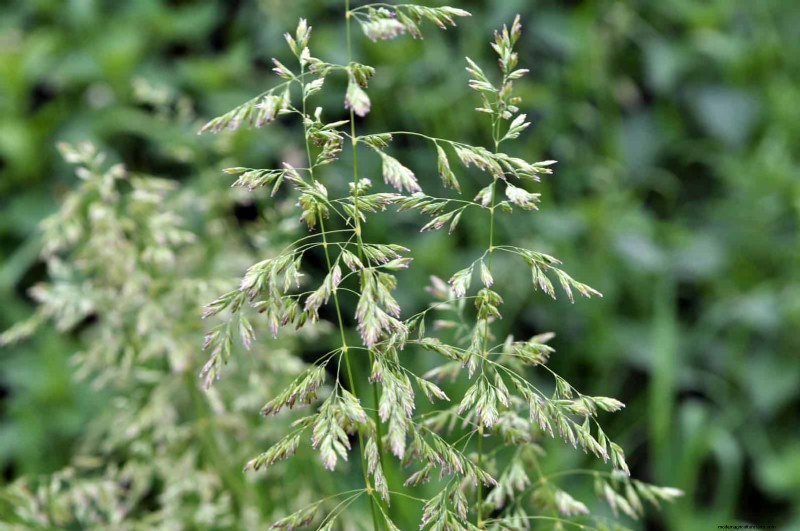
Kentucky Bluegrass (Poa pratensis) particularly suffers from this approach, developing weak surface roots instead of its naturally deep root system. The sound of sprinklers running briefly every day might seem reassuring, but it’s actually training your landscape to be dependent and fragile.
These shallow roots create a distinct tearing sound when pulled, rather than the resistance of healthy deep roots. Plants adapted to shallow watering display poor resilience to environmental stresses and require constant attention to prevent decline.
 Depositphotos
Water deeply but less frequently to encourage roots to grow downward in search of moisture. For established lawns, this typically means watering just 2 to 3 times weekly in summer, applying about 1 inch of water each session.
Kentucky Bluegrass (Poa pratensis) responds exceptionally well to this approach, developing roots that can extend 6 to 8 inches deep compared to just 2 to 3 inches with frequent shallow watering.
To measure proper depth, push a screwdriver into the soil after watering; it should slide easily 6 to 8 inches deep, indicating good penetration. The rich, earthy smell of properly moistened soil differs noticeably from the stale odor of chronically wet surface soil.
With deep watering, you’ll observe that your lawn maintains its lush blue-green color longer during hot spells, and plants develop a more robust structure with improved drought tolerance. This approach works particularly well in the transition zone states from Virginia to Missouri, where Kentucky Bluegrass is commonly grown.
 Depositphotos
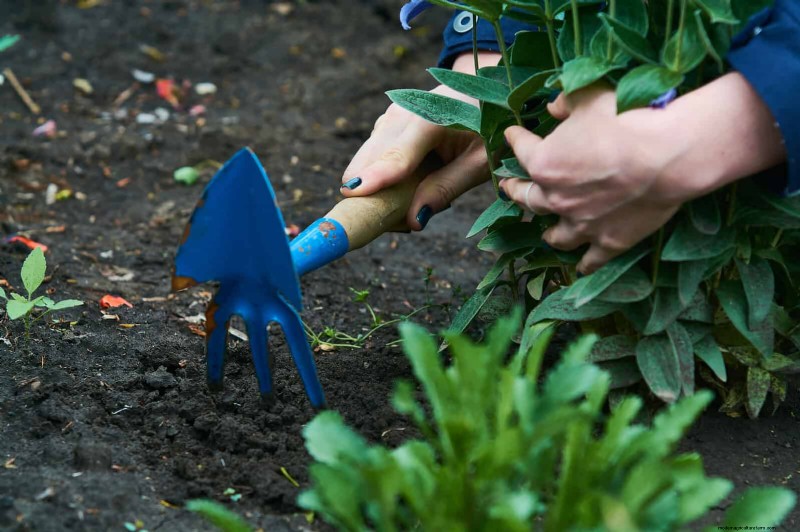
Bare soil around plants and trees is essentially an invitation for water to escape. Exposed soil creates a direct pathway for moisture evaporation, forcing you to water more frequently. During summer heat, unmulched soil can lose up to 70% more moisture than properly mulched areas.
The surface develops a hardened crust that water struggles to penetrate, creating runoff instead of absorption. Without the protective barrier mulch provides, soil temperatures fluctuate dramatically, stressing plant roots.
Unmulched garden beds also become weed magnets, with these unwanted plants competing for the limited available moisture. The visual contrast between mulched and unmulched areas becomes striking during hot periods; mulched plants maintain vibrant colors while their unmulched counterparts appear dull and stressed.
 Depositphotos
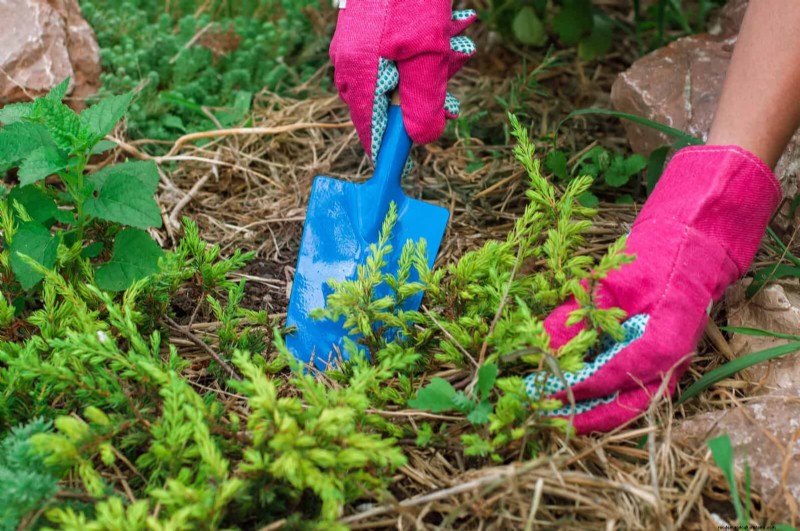
Maintain a 2 to 3-inch layer of organic mulch around trees, shrubs, and in garden beds. Options like shredded bark, compost, or pine straw create a protective blanket that significantly reduces evaporation. Good mulch has a pleasant earthy aroma and creates a satisfying soft crunch underfoot.
It moderates soil temperature, keeping roots cooler in summer and warmer in winter. Proper mulching can reduce watering needs by up to 50% while simultaneously suppressing weeds. Apply mulch in a donut shape around trees, keeping it several inches away from trunks to prevent rot.
For perennial beds, pine straw works beautifully in southern states, while shredded hardwood bark performs exceptionally well in northern regions. As organic mulches gradually break down, they improve soil structure and feed beneficial soil microorganisms, creating a vibrant below-ground ecosystem that supports healthier plants.
 Depositphotos
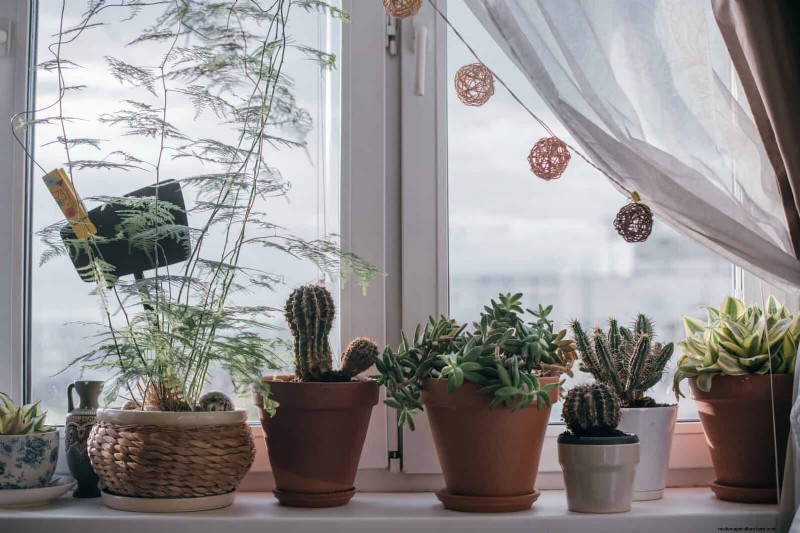
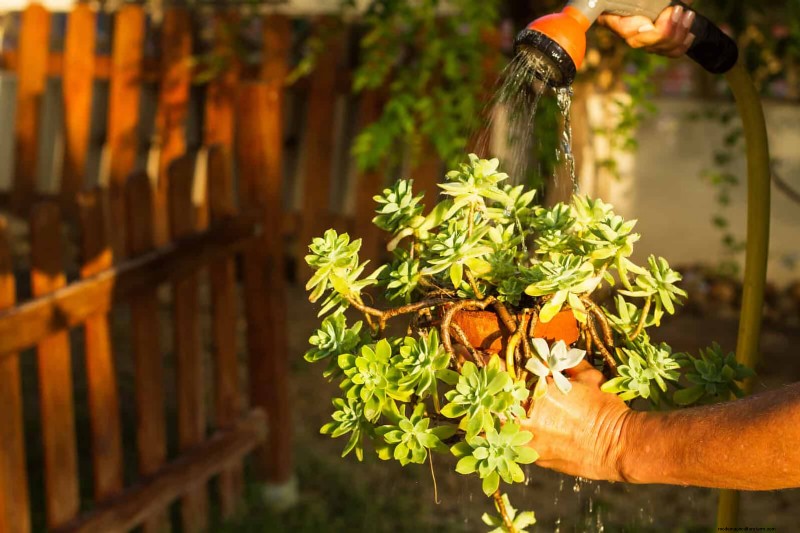
One-size-fits-all watering treats desert-adapted succulents the same as moisture-loving ferns. This common mistake ignores the vastly different needs of various plant species, leading to both waste and plant stress.
Cacti and succulents rot when given as much water as hydrangeas while water-loving plants wilt when subjected to the minimal irrigation appropriate for drought-tolerant varieties.
The symptoms of improper watering vary dramatically by plant type. Overwatered succulents develop soft, translucent leaves with an unpleasant musty smell. Underwatered hydrangeas (Hydrangea macrophylla) display drooping leaves and diminished flowering. This mismatch between plant needs and watering practices creates an unsightly landscape with plants that never quite thrive despite your best efforts.
 Depositphotos
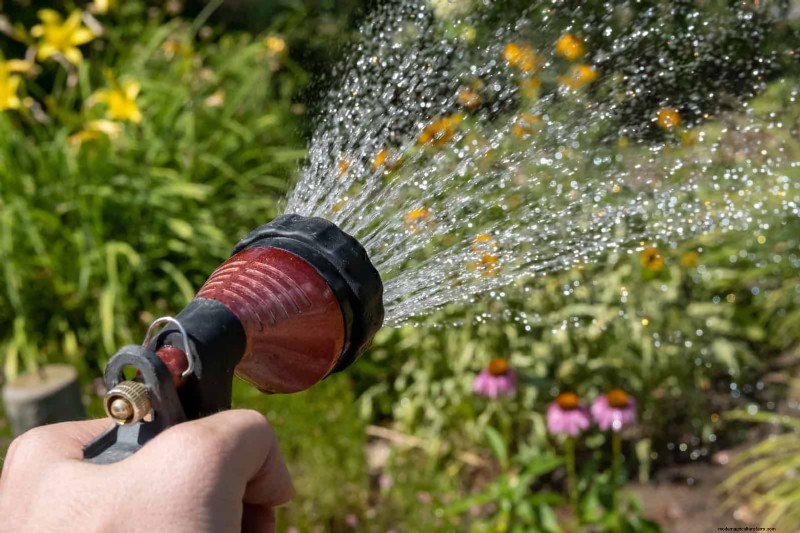
Organize your landscape into watering zones based on plant needs. This practice, called hydro zoning, groups high, medium, and low water users together.
For example, create a water-efficient zone with native prairie plants like Purple Coneflower (Echinacea purpurea) and Little Bluestem grass (Schizachyrium scoparium). Once established, these plants thrive with minimal irrigation. Their subtle rustling in summer breezes and striking seed heads create multi-season interest.
Reserve separate areas for moisture-loving plants like Astilbe (Astilbe x arendsii) and Cardinal Flower (Lobelia cardinalis). These plants can receive more frequent watering without wasting water on plants that don’t need it.
The brilliant red spikes of the Cardinal Flower attract hummingbirds while providing vivid color in these moister garden zones. When planning irrigation, assign separate valves to different hydro zones so each area receives precisely the right amount of water.
This thoughtful organization dramatically reduces waste while creating healthier plant communities suited to their moisture conditions.
 Depositphotos
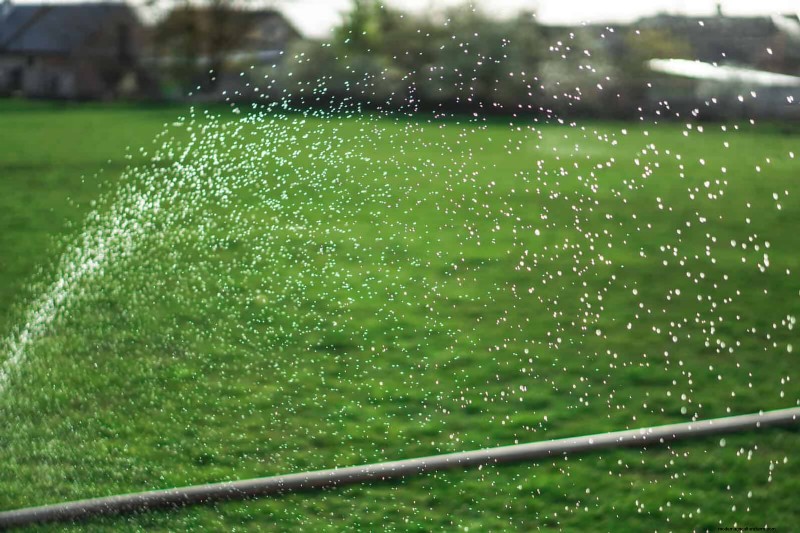
Ancient sprinkler systems with inefficient spray heads waste enormous amounts of water. These outdated systems often deliver water faster than soil can absorb it, creating runoff and uneven coverage. The characteristic fine mist produced by old spray heads is particularly vulnerable to wind drift and evaporation.
You might notice how quickly puddles form in some areas while others remain bone dry. Older controllers lack the intelligence to adjust for weather conditions, blindly running schedules regardless of recent rainfall or humidity levels.
The constant hiss of inefficient spray heads represents wasted water and money. These systems typically achieve only 40 to 50% efficiency compared to modern alternatives. In water-restricted areas like Nevada and Southern California, outdated systems make compliance with conservation mandates nearly impossible.
 Depositphotos
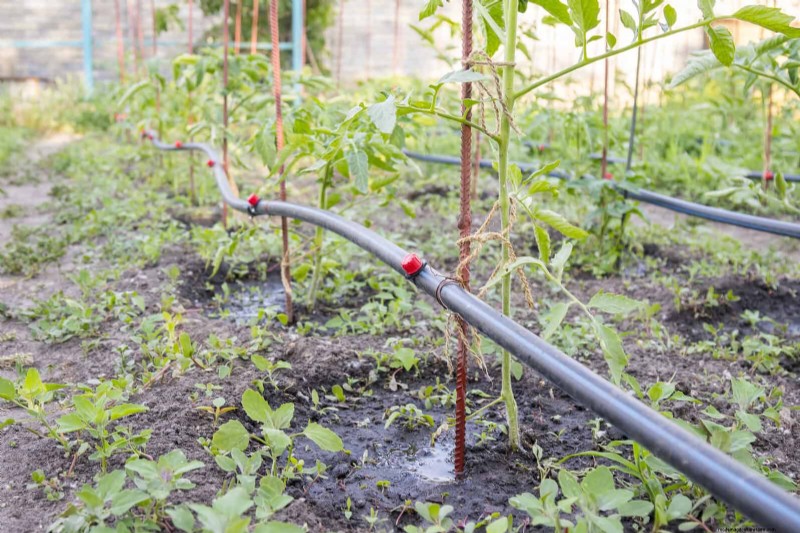
Smart irrigation controllers automatically adjust watering schedules using weather data or soil moisture readings. These intelligent systems connect to WiFi and use local weather forecasts to reduce watering before rain or during periods of lower evaporation.
Their quiet efficiency provides peace of mind as they silently optimize water use without constant reprogramming. For shrubs, vegetables, and flower beds, convert from spray irrigation to drip systems that deliver water directly to plant roots.
Drip irrigation achieves up to 90% efficiency compared to conventional sprinklers. The gentle pulse of water through drip emitters provides consistent moisture without waste. Many municipalities offer rebates for smart controller installation, making these upgrades more affordable.
In most climate zones across the US, these technology investments pay for themselves within 1 to 2 years through reduced water bills while dramatically improving plant health.
 Depositphotos
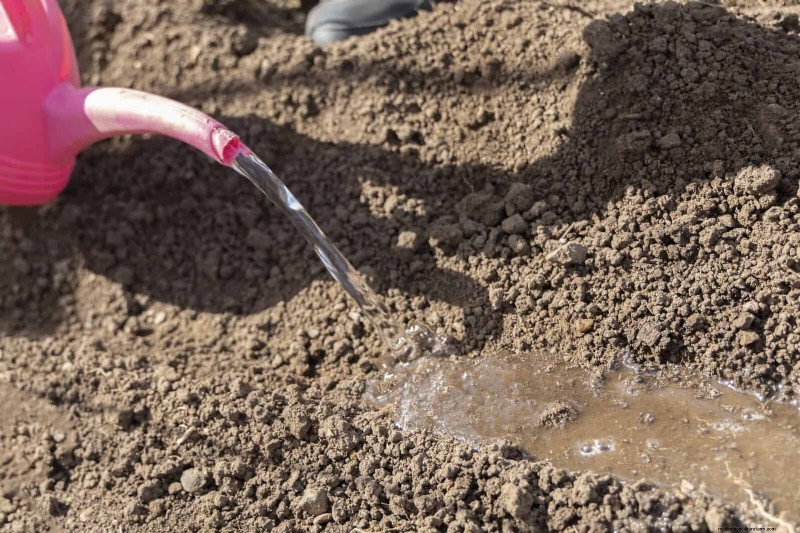
Poor soil structure creates water management nightmares. Heavy clay soil becomes compacted and repels water, creating puddles and runoff. Sandy soil drains too quickly, allowing water to pass through before plants can use it.
Either extreme forces more frequent watering, while plants struggle. You might notice a distinctive cracking pattern in clay soils or rapid drying in sandy areas despite regular irrigation. The sound of water hitting hard, compacted soil creates a different tone than when it meets healthy, organic-rich earth.
Struggling plants in poor soil develop shallow, constrained root systems that can’t efficiently access available moisture. This creates a frustrating cycle; plants perform poorly despite increased watering, leading to both wasted resources and disappointing results.
 Depositphotos
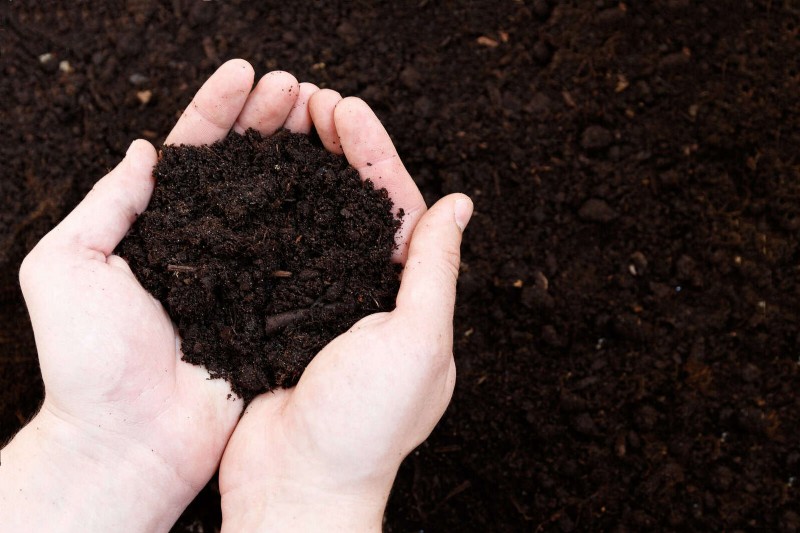
To transform soil structure, incorporate 2 to 3 inches of compost into garden beds annually. Quality compost feels crumbly between your fingers and has a rich, earthy scent that signals active, beneficial microorganisms.
In clay soils, compost creates crucial air spaces that improve drainage while simultaneously increasing the soil’s ability to hold moisture in a plant-available form.
For sandy soils, compost acts like a sponge, dramatically improving water retention. The dark, rich color of compost-amended soil contrasts visibly with poor soil. For established lawns, annual topdressing with a thin layer of compost (¼ inch) gradually improves soil without damaging grass.
In all US growing zones, fall is an ideal time for compost application, allowing winter precipitation to help incorporate organic matter. The result is soil that requires less frequent watering while supporting more vigorous plant growth; a win for both your landscape and your water bill.
 Depositphotos
Making these simple changes to your watering routine creates dramatic improvements. Your landscape will develop deeper roots, greater resilience, and more vibrant health. Plants properly watered at the right time and frequency develop stronger natural defenses against pests and diseases.
They’ll reward you with more prolific flowering and better overall performance. Your water bill will reflect these positive changes, too. After implementing these practices, most homeowners see reductions of 30 to 50% in summer water usage.
The satisfaction of maintaining a beautiful landscape while being environmentally responsible creates lasting value. Take it one step at a time; even implementing just two or three of these improvements will yield noticeable benefits for your yard and budget.