Welcome to Modern Agriculture!

 Depositphotos.com
Creating a beautiful landscape takes time, effort, and quite a bit of money. Homeowners often pour thousands of dollars into their outdoor spaces only to watch plants die, structures crumble, or design elements fail after just a few seasons. These costly mistakes can leave you with an unattractive yard and a significantly lighter wallet.
Understanding what not to do is just as important as knowing the right steps to take. The following landscaping mistakes can drain your budget while delivering disappointing results. By avoiding these common pitfalls, you’ll save money and create an outdoor space that thrives for years to come.
 Depositphotos.com
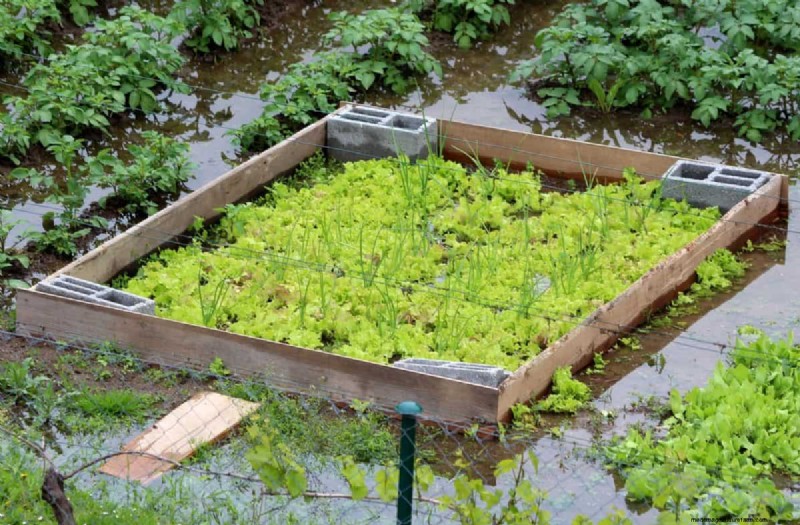
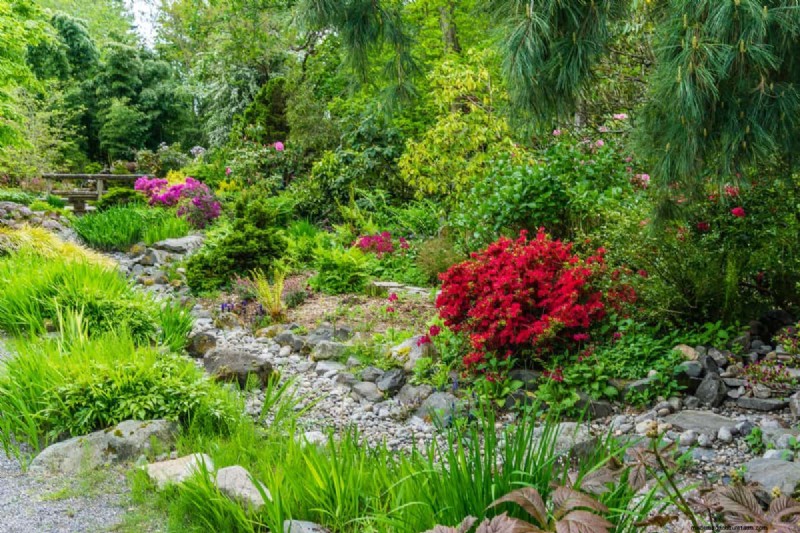
Water pooling around your foundation or creating soggy garden beds can destroy your landscape investments in record time. Poor drainage leads to root rot, foundation damage, and erosion that can cost thousands to repair. Many homeowners focus on the pretty plants while ignoring how water moves through their property.
Installing French drains, dry creek beds, or even simple grading adjustments before planting can prevent these expensive problems. These systems direct water away from structures and create paths for excess moisture to flow naturally. The initial investment in proper drainage might seem steep, but it’s nothing compared to replacing a waterlogged foundation or repeatedly replacing drowned plants.
 Depositphotos.com
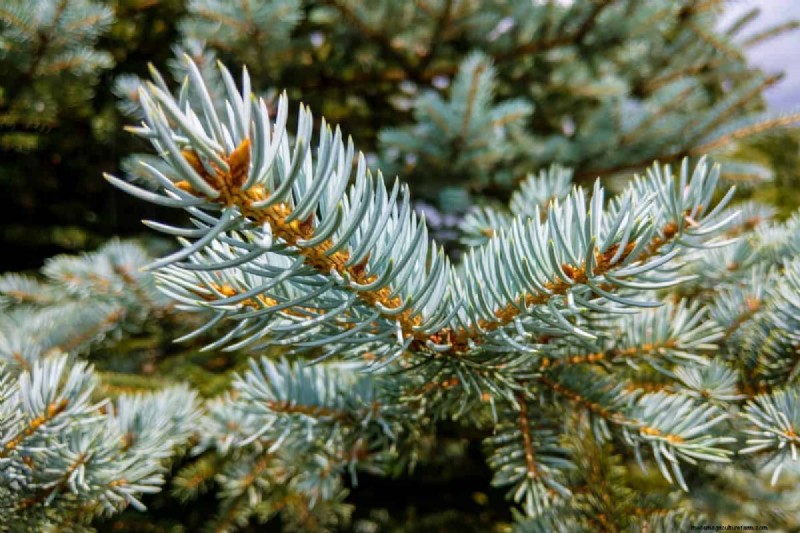
Falling in love with a plant that can’t survive in your region is a quick way to waste money. The USDA Plant Hardiness Zone Map divides North America into 13 zones based on average annual minimum temperatures. Plants that thrive in Zone 9 will likely perish during winter in Zone 5, no matter how much care you provide.
Research your specific climate zone and choose plants that naturally flourish there. For example, Blue Spruce (Picea pungens) may look stunning in Colorado landscapes, but will struggle in the heat and humidity of Florida. Conversely, Bougainvillea (Bougainvillea glabra) with its vibrant pink-purple blossoms might be a showstopper in Southern California but won’t survive a Massachusetts winter. Selecting climate-appropriate plants saves both money and heartbreak.
We'll email it to you so you can read it later!
By saving, you agree to receive occasional emails. Unsubscribe anytime.
 Shutterstock.com
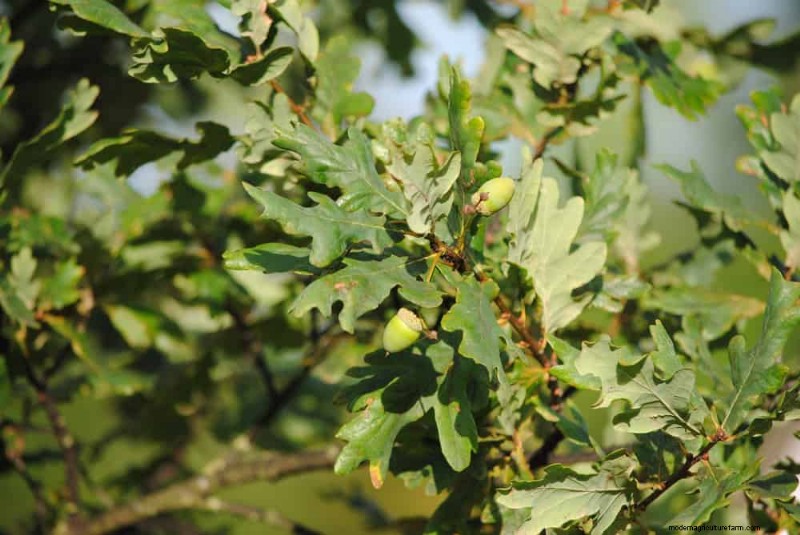
That cute sapling might look perfect next to your house today, but fast-forward fifteen years and you could face serious structural damage. Tree roots can crack foundations, invade sewer lines, and lift sidewalks. Branches can scrape against roofs and siding, while fallen limbs might damage your home during storms.
Always research a tree’s mature size before planting. As a general rule, large shade trees like Oak (Quercus spp.) should be planted at least 20 feet from structures, while medium-sized trees like Dogwood (Cornus florida) need at least 15 feet of clearance. Even small ornamental trees require 8-10 feet of space. This forethought prevents costly tree removal or structural repairs down the road.
 Depositphotos.com
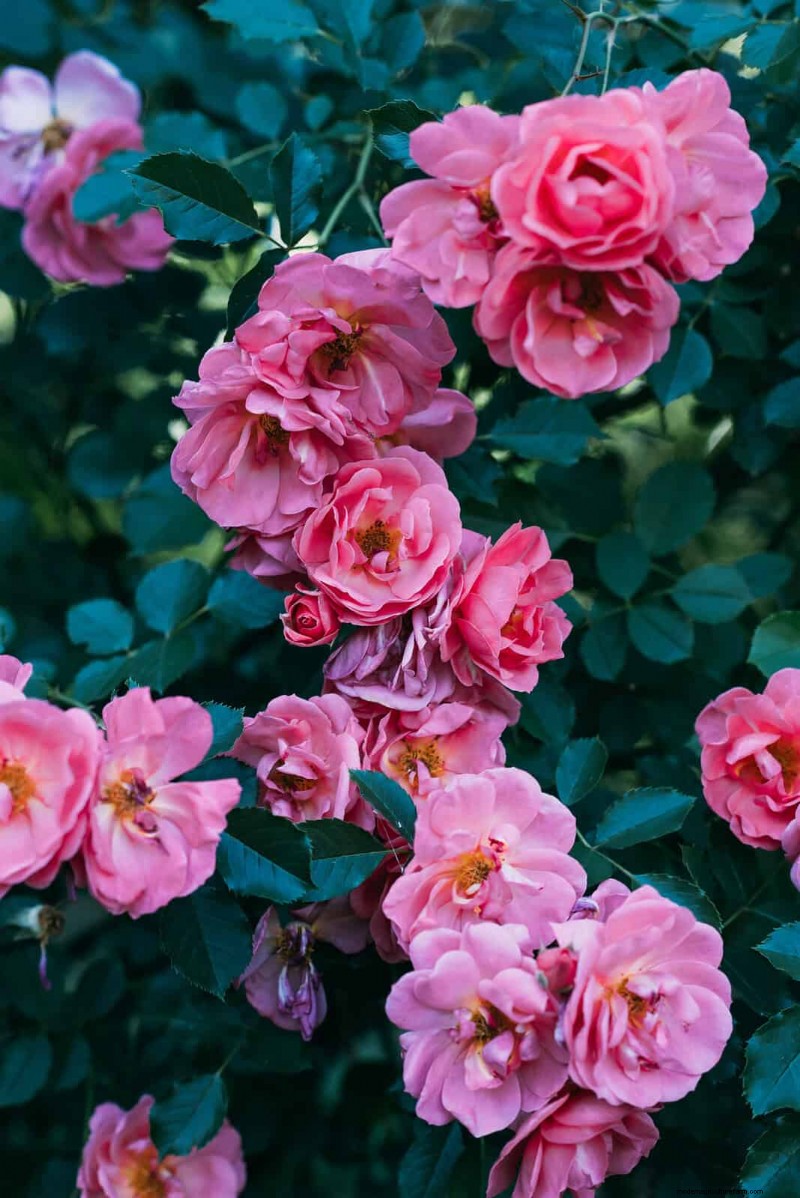
Elaborate rose gardens and meticulously pruned topiaries look stunning in magazines but demand significant time and money to maintain. Many homeowners underestimate the pruning, fertilizing, spraying, and general care some plants require. When life gets busy, these high-maintenance beauties often suffer, wasting your initial investment.
Assess your lifestyle honestly before selecting plants. If you travel frequently or have limited gardening time, choose low-maintenance options like Coneflower (Echinacea purpurea) or Russian Sage (Perovskia atriplicifolia). These hardy perennials offer beautiful blooms and textures without demanding weekly attention. Their rustling leaves add gentle sound to your garden while their drought tolerance saves on water bills.
 Depositphotos.com
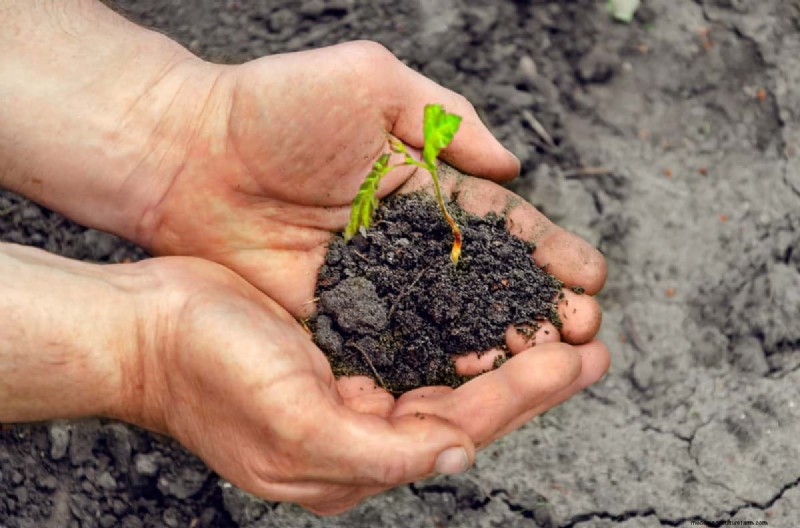
Planting directly into poor soil sets your landscape up for failure from day one. Different plants need different soil conditions to thrive, and your yard’s native soil might be too acidic, alkaline, sandy, or clay-heavy for your chosen plants. Without proper soil amendments, plants struggle to establish strong root systems.
Invest in soil testing through your local extension office (typically under $20) to understand exactly what your soil needs. Then take time to amend it properly with compost, sand, or other materials before planting. For example, blueberry bushes (Vaccinium corymbosum) require acidic soil with a pH between 4.5 and 5.5, while lavender (Lavandula angustifolia) prefers alkaline conditions. The right soil preparation increases plant survival rates dramatically, saving replacement costs.
 Depositphotos.com
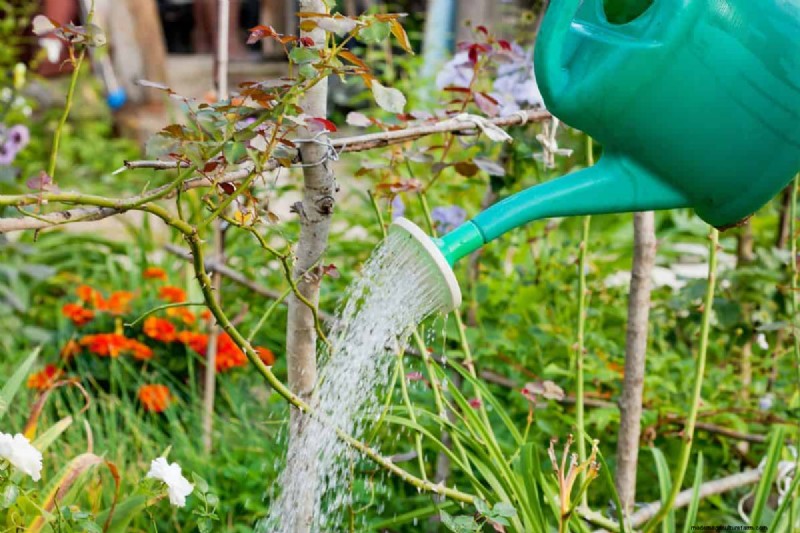
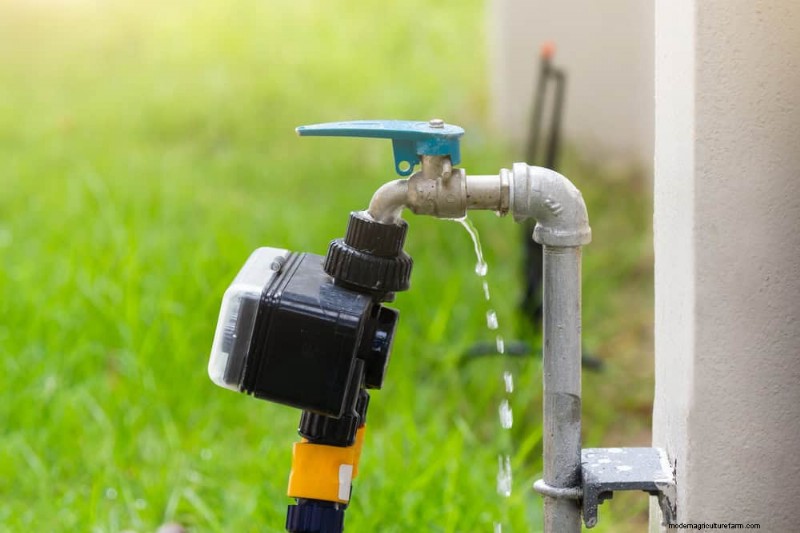
Watering by hand might seem economical, but it’s inconsistent and time-consuming. Conversely, installing an irrigation system without proper planning can waste water and money. Sprinklers that spray sidewalks or driveways, incorrect spray patterns, or systems without rain sensors lead to astronomical water bills.
Invest in zone-specific irrigation that delivers water directly to plant roots. Drip irrigation systems use up to 50% less water than traditional sprinklers and can be customized for different plant needs. Smart controllers that adjust watering based on weather conditions further reduce waste. The sound of water droplets hitting leaves creates a peaceful ambiance while ensuring your plants receive consistent moisture exactly where they need it.
 Shutterstock.com
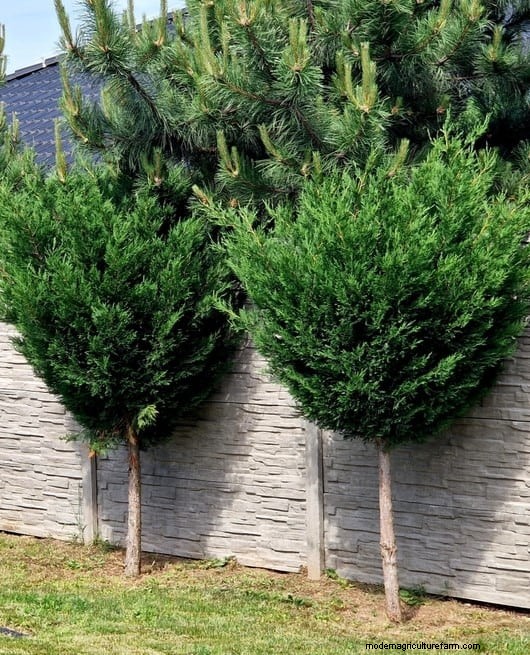
Those small shrubs packed tightly together might look full and lush when first planted, but many homeowners don’t account for mature size. Fast-growing plants like Leyland Cypress (Cupressocyparis leylandii) can quickly outgrow their intended space, creating an overcrowded, unhealthy landscape that requires expensive removal or constant pruning.
Always check plant tags for mature height and width before purchasing. Space plants according to their full-grown size, not how they look at the garden center. What seems like excessive space between young plants will fill in beautifully over time without creating competition for resources. Properly spaced plants develop stronger structures and resist disease better, saving on replacement costs and maintenance.
 Depositphotos.com
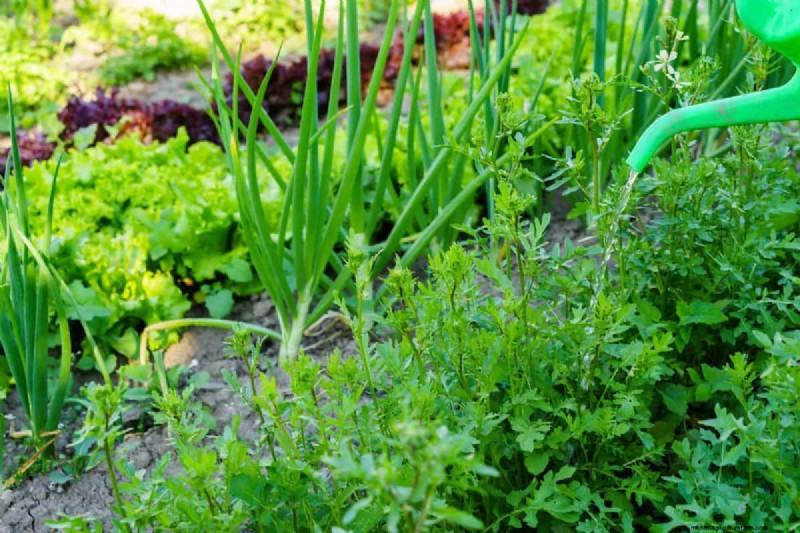
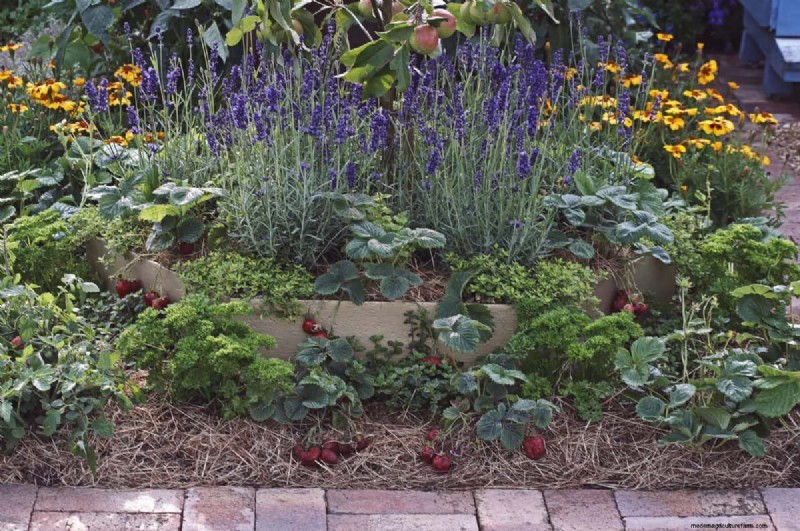
The temptation to fill every inch of a new garden bed leads many homeowners to plant too densely. While the immediate effect might be visually pleasing, overcrowded plants compete for water, nutrients, and sunlight. This competition weakens all plants involved, making them more susceptible to pests and diseases.
Practice patience when planting. Use annual flowers like Marigolds (Tagetes spp.) to fill gaps temporarily while perennials and shrubs mature. The gentle rustling of leaves against each other should be pleasant, not constant from overcrowding. Proper spacing improves air circulation, reducing fungal problems and creating healthier plants that won’t need costly replacements.
 Depositphotos.com
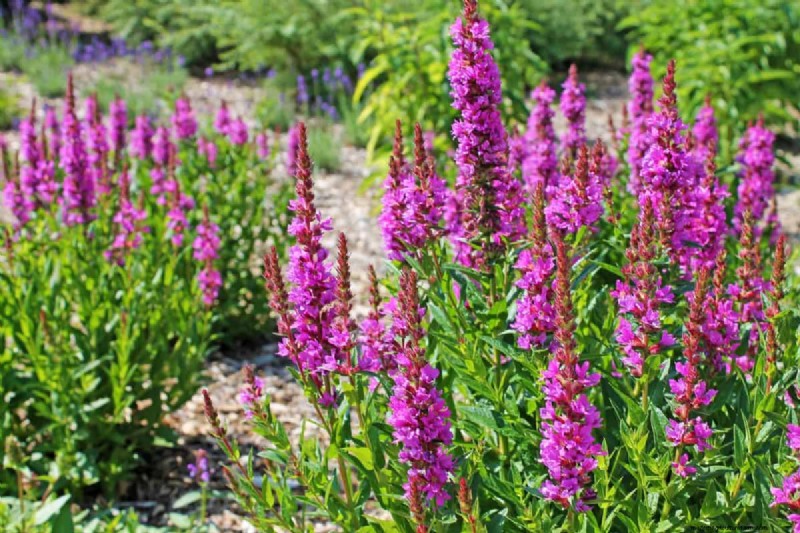
Some plants grow so vigorously they become neighborhood nightmares, spreading beyond property lines and choking out native vegetation. Species like English Ivy (Hedera helix) and Purple Loosestrife (Lythrum salicaria) might look attractive initially but can quickly dominate landscapes. The cost of removing these aggressive plants often exceeds their purchase price many times over.
Research potential invasiveness before purchasing any plant, especially in regions where it’s not native. Many states publish lists of problematic species to avoid. Instead, choose well-behaved alternatives that provide similar aesthetic benefits. For example, rather than invasive Japanese Barberry (Berberis thunbergii), consider the native Winterberry Holly (Ilex verticillata), which offers similar bright berries but stays where you plant it.
 Depositphotos.com
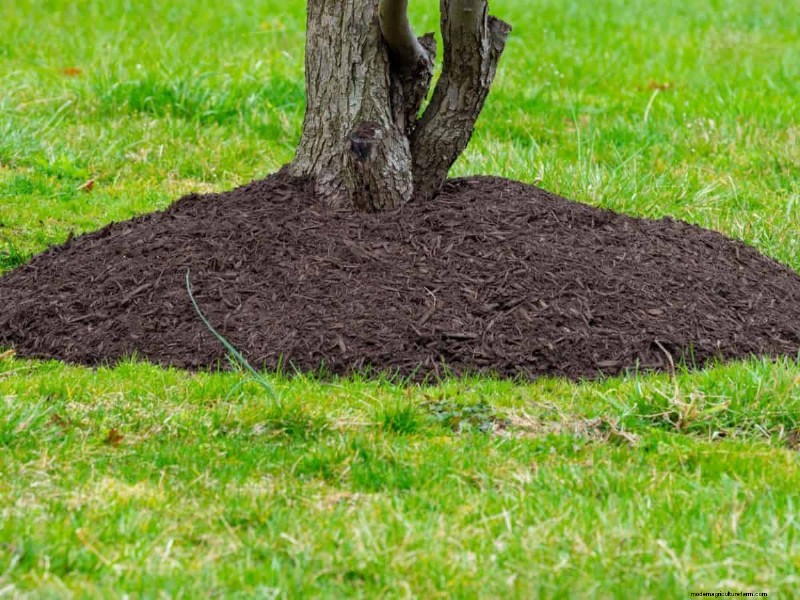
The infamous “mulch volcano” around tree trunks is a common but damaging practice. Piling mulch against tree trunks creates perfect conditions for rot, disease, and pest infestations. Similarly, using too little mulch elsewhere in the landscape fails to suppress weeds or retain moisture effectively.
Apply a consistent 2-3 inch layer of mulch around plants, keeping it pulled back several inches from trunks and stems. This proper mulching technique reduces water loss, moderates soil temperature, and suppresses weeds while allowing plants to breathe. The earthy scent of quality mulch adds sensory appeal to your garden while extending its useful life. Cedar mulch (from Cedrus spp.) offers a particularly pleasant aroma while naturally repelling certain insects.
 Depositphotos.com
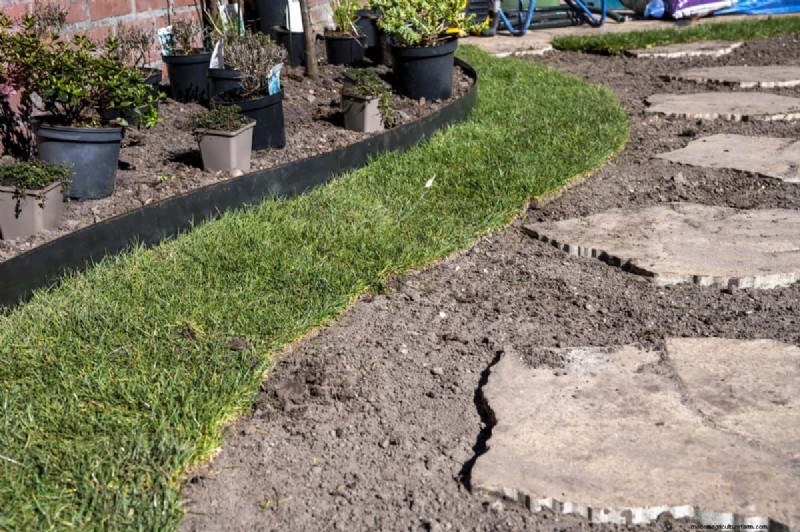
Patios, walkways, and retaining walls often fail prematurely because homeowners skimp on foundation work. A beautiful stone patio laid directly on soil will shift, crack, and become uneven within a few seasons. Similarly, retaining walls without proper drainage and footings frequently collapse, creating dangerous conditions and expensive repairs.
Invest in proper base materials and preparation for all hardscaping elements. For patios and walkways, this means excavating several inches of soil and installing layers of compacted gravel and sand before laying pavers or stones. For retaining walls over 2 feet tall, consult with professionals about necessary reinforcement and drainage systems. These unseen elements determine whether your hardscaping lasts for decades or fails within years.
 Depositphotos.com
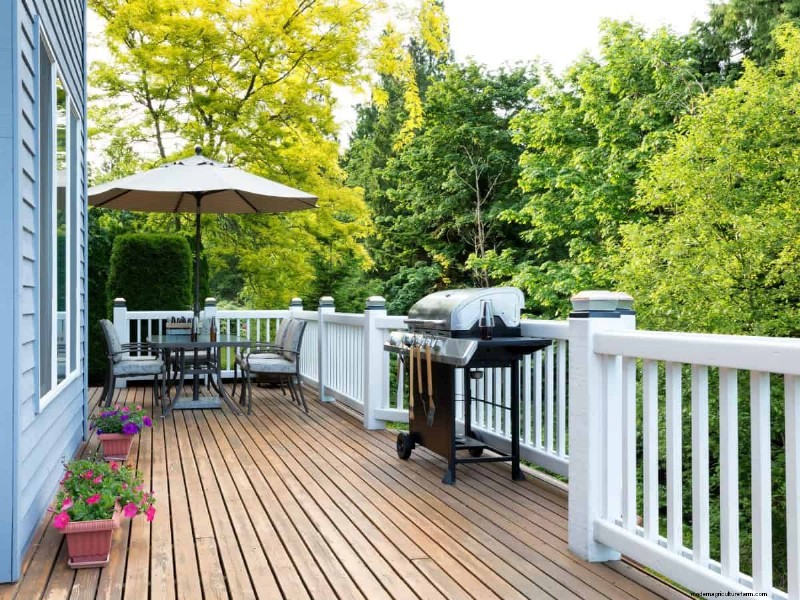
Choosing the cheapest fencing, decking, or outdoor furniture materials often leads to premature deterioration and replacement. Pressure-treated pine might seem affordable for a deck, but it typically needs replacement within 10-15 years. Similarly, low-quality outdoor furniture fades, warps, and breaks after just a few seasons of exposure.
Calculate the long-term cost before making materials decisions. Premium hardwoods like Ipe (Tabebuia spp.) or composite decking materials cost more initially but can last 25+ years with minimal maintenance. The smooth touch of quality materials and their resilience against harsh weather conditions justifies their higher price tags. The solid feel of a well-built structure provides confidence and safety that cheap alternatives cannot match.
 Depositphotos.com
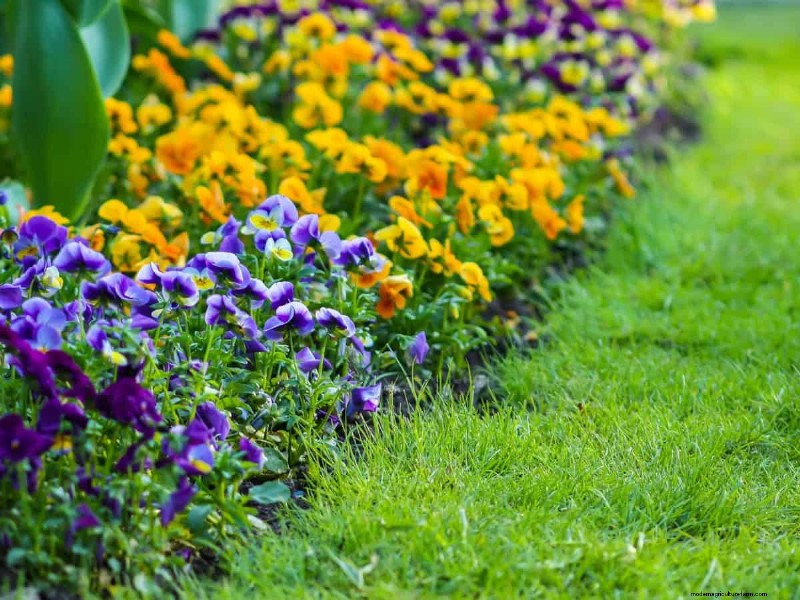
Many landscapes look spectacular in spring and summer but become barren, uninteresting spaces during fall and winter. This seasonal imbalance means you’re not getting full value from your landscape investment. A garden that only shines for a few months misses opportunities to create year-round enjoyment.
Plan for continuous visual interest by incorporating plants with multiple seasonal features. Serviceberry (Amelanchier spp.) offers spring flowers, summer berries, brilliant fall color, and interesting winter bark. Ornamental grasses like Switchgrass (Panicum virgatum) add movement and sound all summer, golden colors in fall, and structural interest through winter as their seed heads catch snow. Evergreens provide consistent structure while deciduous plants change with the seasons.
 Depositphotos.com
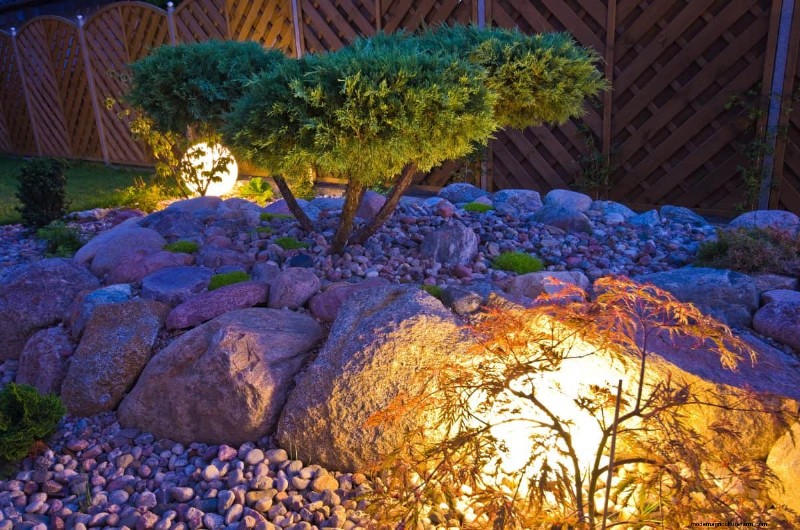
Outdoor lighting is often an afterthought, with homeowners haphazardly placing fixtures without consideration for effect, safety, or energy efficiency. Poor lighting creates harsh shadows, wastes electricity, and fails to highlight your landscape’s best features. Cheap fixtures corrode quickly in outdoor conditions, requiring frequent replacement.
Develop a comprehensive lighting plan that addresses pathways for safety, accent lighting for focal points, and ambient lighting for outdoor living areas. LED fixtures cost more initially but use 75% less energy than incandescent bulbs and last years longer. The warm glow of properly placed lights transforms your nighttime landscape while extending usable hours. The gentle illumination of a Japanese Maple (Acer palmatum) creates magical shadows that add drama after sunset.
 Depositphotos.com
Ambitious DIY landscapers often tackle projects beyond their skill level, resulting in costly mistakes and potential safety hazards. Retaining walls collapse, irrigation systems leak, and improperly installed lighting creates fire risks. What starts as a money-saving effort often ends up costing more than hiring a professional initially.
Assess projects honestly before deciding to DIY. Simple tasks like planting and basic maintenance are great for homeowners, but complex hardscaping, large tree removal, or extensive drainage work often requires professional expertise. Professionals bring specialized equipment and knowledge that ensures work is done correctly the first time. The peace of mind from proper installation often justifies the additional expense.
 Depositphotos.com
The purchase price of plants and materials is just the beginning of landscape expenses. Many homeowners fail to budget for ongoing maintenance like pruning, fertilizing, mulching, and eventual plant replacement. Without planning for these recurring costs, landscapes often deteriorate as maintenance is deferred.
Calculate annual maintenance expenses before installing complex landscapes. Lawns require regular mowing, fertilizing, and watering. Formal hedges need frequent trimming. Even low-maintenance landscapes need some attention. Setting aside funds for professional help with larger tasks ensures your landscape continues to thrive. The soothing sound of wind through well-maintained trees and shrubs reminds you that your investment continues to pay dividends in beauty and enjoyment.
 Depositphotos.com
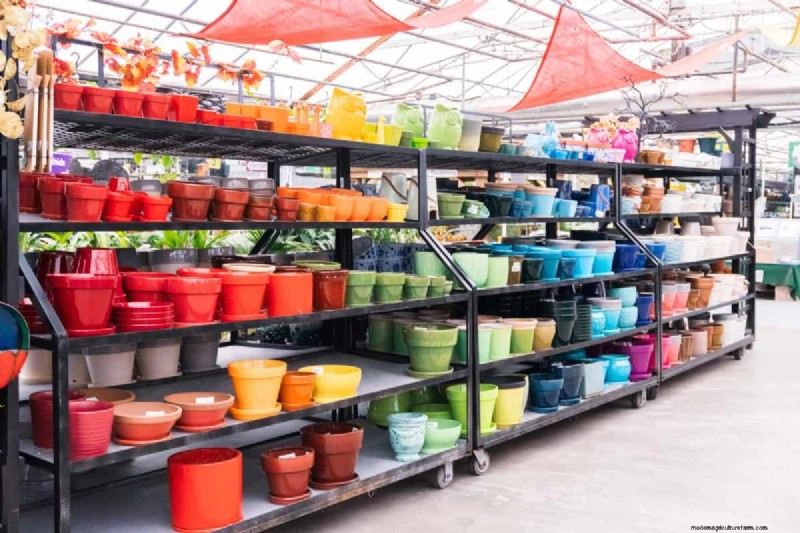
Impulse purchases at garden centers lead to disjointed landscapes without cohesion or purpose. Without an overall plan, homeowners often create scattered plant collections rather than unified designs. This piecemeal approach rarely results in satisfying spaces and frequently leads to expensive reworking.
Invest time in creating a master plan before purchasing plants or materials. This plan should address functional needs, aesthetic preferences, and maintenance capabilities. Even simple sketches with plant lists help avoid costly mistakes. Professional design services typically cost 5-10% of your total landscape budget but can save far more by preventing errors. A well-planned landscape feels intentional, with each element contributing to the whole experience.
 Depositphotos.com
Creating a beautiful landscape doesn’t have to drain your bank account. By avoiding these common and costly mistakes, you’ll develop an outdoor space that increases your property value while providing years of enjoyment. Smart planning and proper execution pay dividends in reduced maintenance, lower replacement costs, and greater satisfaction.
Remember that landscapes are living investments that grow more valuable over time when properly installed and maintained. The rustle of healthy leaves, the fragrance of appropriate plants, and the visual delight of a well-designed space reward your careful planning. With thoughtful consideration of these potential pitfalls, your landscape will thrive without breaking your budget.