Welcome to Modern Agriculture!

 Depositphotos
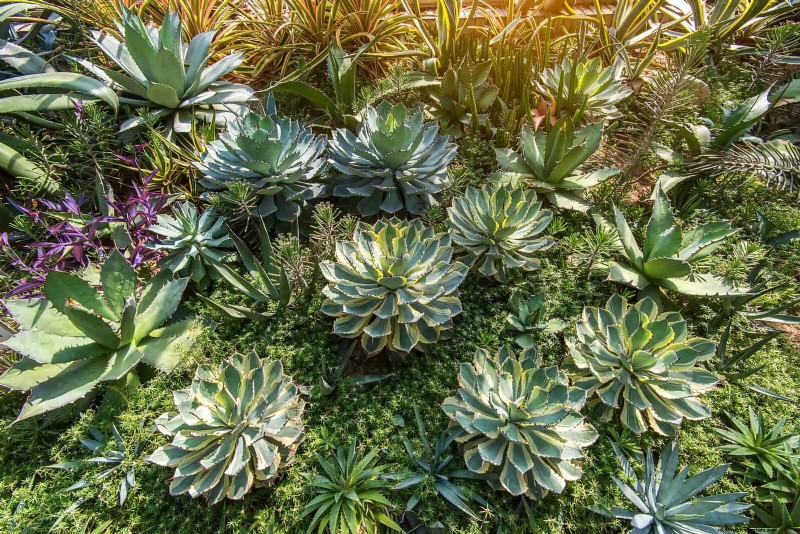
Unplanned summer showers can spell disaster for many succulents, but a handful of species have evolved mechanisms to keep their tissues dry and healthy. These 15 varieties are proven to resist rot even after heavy rainfall, making them ideal for unpredictable climates or casual growers who may overwater.
Plants in this group share thick, water‑channeling stems that were selected in environments where downpours alternate with extended drought.
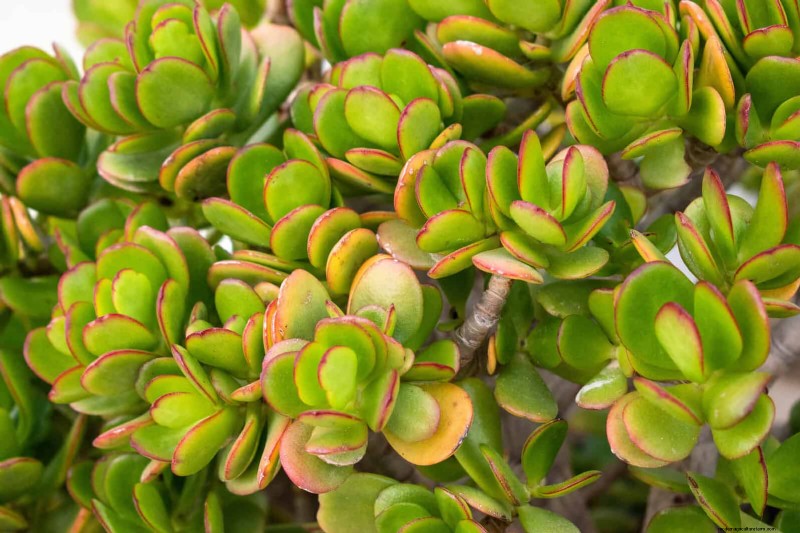
A classic favorite, the Jade Plant’s robust woody stems and plump, oval leaves store water efficiently while allowing excess moisture to shed naturally. Use well‑draining soil enriched with perlite or pumice, and the plant can thrive for decades, developing into a small tree with glossy green foliage that sometimes gains a subtle red edge in bright light.
 Depositphotos
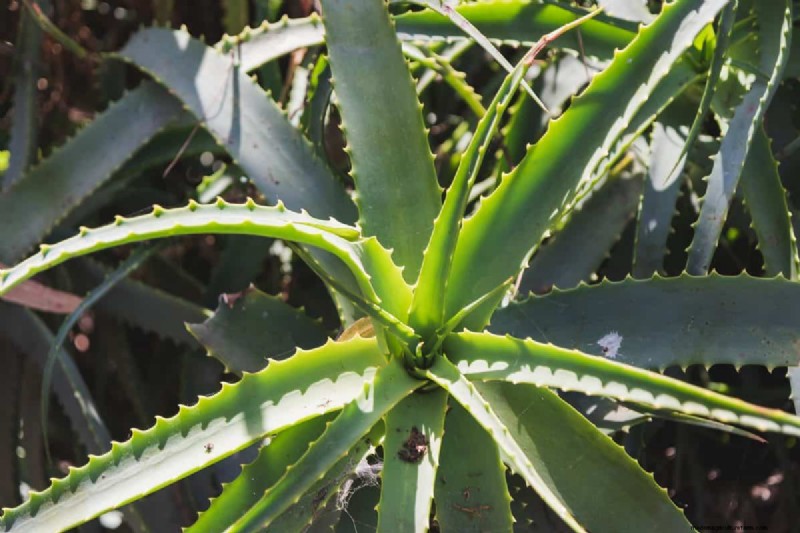
Beyond its well‑known medicinal uses, Aloe Vera’s pointed leaves channel rainwater away from the crown, preventing rot that plagues more delicate succulents. Position it in a sunny spot with brief afternoon shade; the rosette’s distinct architecture will add a striking feature to any garden.
 Depositphotos
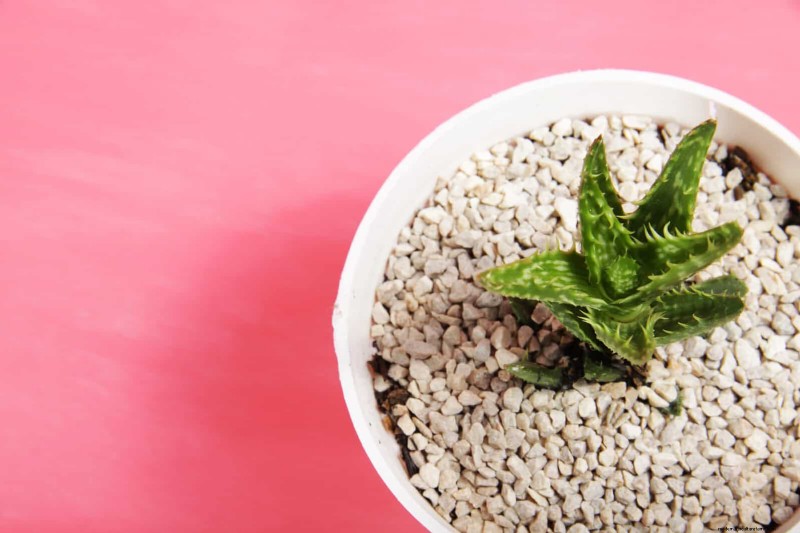
This compact aloe keeps water at bay with tightly arranged, toothed leaves. Standing no taller than 12 inches, it is perfect for small spaces and produces occasional bright orange tubular flowers that attract hummingbirds and butterflies.
 Depositphotos
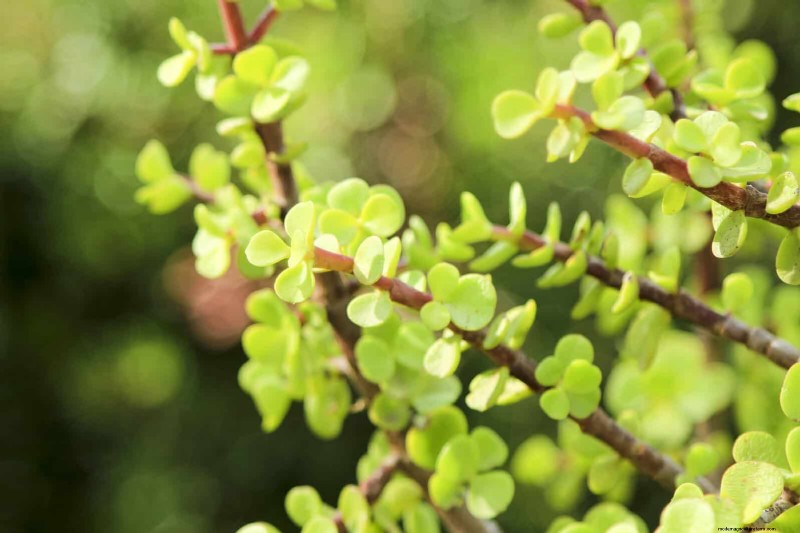
Native to South Africa, Elephant Bush endures both flooding and drought. Its woody stems and rounded leaves shed water quickly while storing moisture. Whether grown as a small shrub or bonsai, its reddish stems and bright green leaves provide an eye‑catching contrast. The plant is also edible, offering a tart flavor similar to purslane.
 Depositphotos
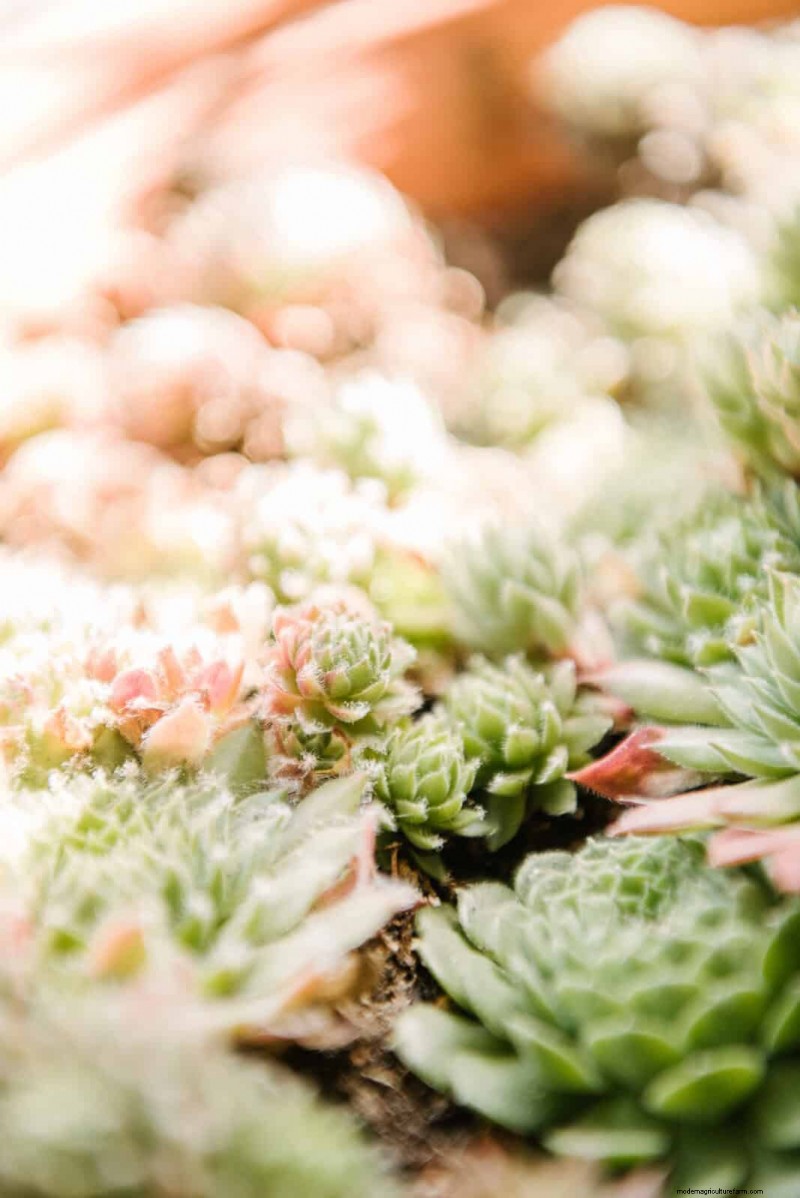
Tight rosette structures are nature’s most effective defense against waterlogging, keeping crowns dry during heavy showers.
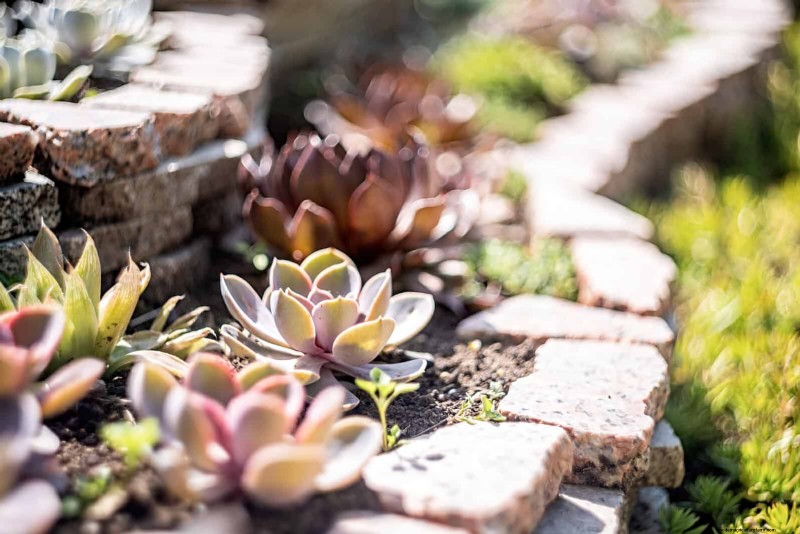
With a history of thriving on European rooftops, Hens and Chicks spread by producing offsets, or “chicks.” Their dense rosettes shed water efficiently, and their cold hardiness (zones 3‑8) makes them versatile for outdoor gardens. Color ranges from green to purple to red, shifting with the seasons.
 Depositphotos
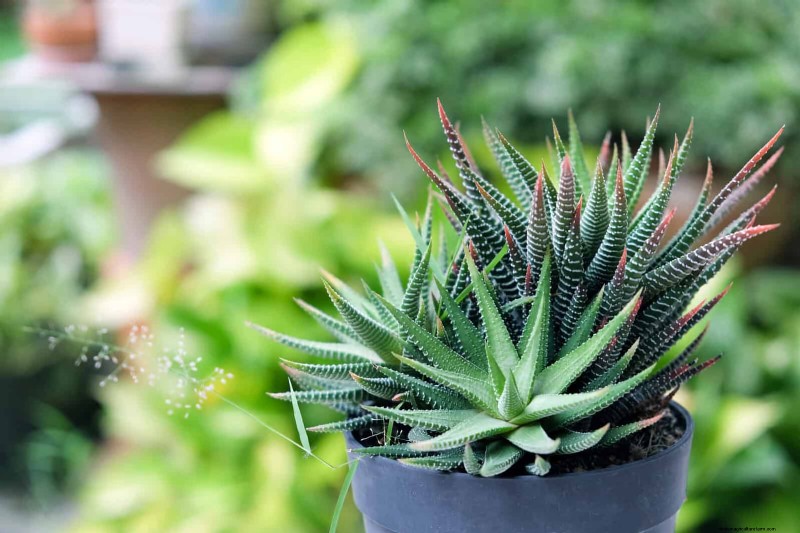
Haworthias have evolved to manage occasional flooding in their South African homeland. Their compact growth and vertical stripes direct water away from roots. At less than 6 inches tall, they are ideal for windowsills and small containers, preferring bright indirect light.
 Depositphotos
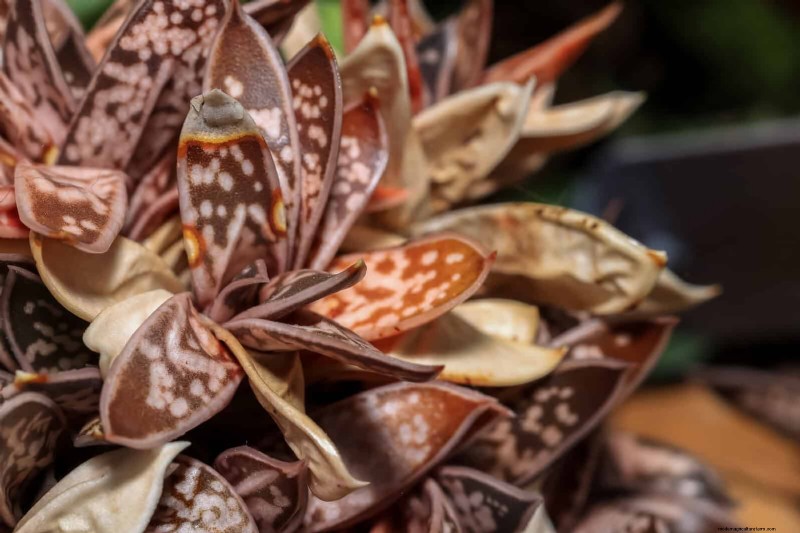
Gasterias feature tongue‑shaped leaves arranged in two ranks, creating a natural drainage channel. They are slow‑growing, rarely exceeding 12 inches, and many display striking white dots or bands. Their tall stalks bear small, stomach‑shaped flowers.
 Depositphotos
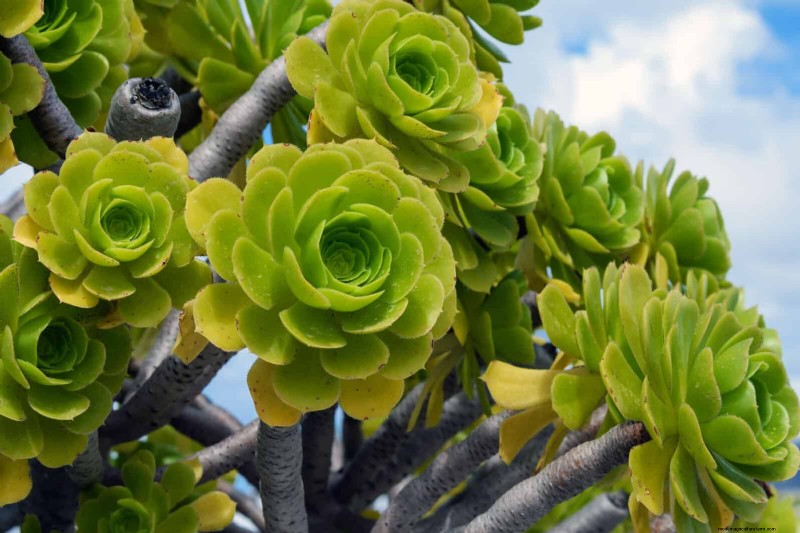
Aeoniums thrive in the occasional rain of the Canary Islands. Their rosettes open wider in low light, improving airflow after rain. Growing on branching stems, varieties like ‘Zwartkop’ provide dramatic near‑black foliage. In hot summers, they enter a semi‑dormant state, resuming growth when temperatures cool.
 Depositphotos
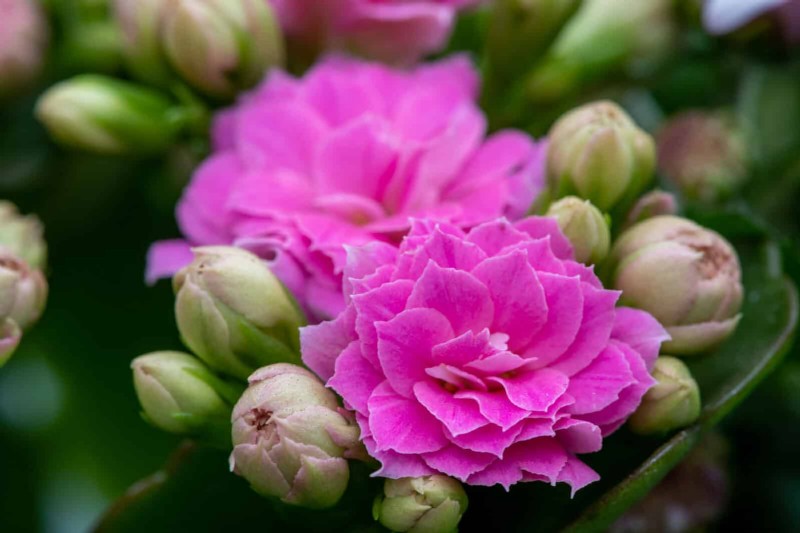
With waxy, slightly curved leaves, Kalanchoes act as natural gutters during heavy downpours. Their flowers range from yellow and orange to pink and red, blooming for weeks with proper care. Most varieties reach 8‑12 inches, making them perfect for containers or succulent displays.
 Depositphotos
Bold, structural plants that channel rainwater are ideal for rain‑prone landscapes.
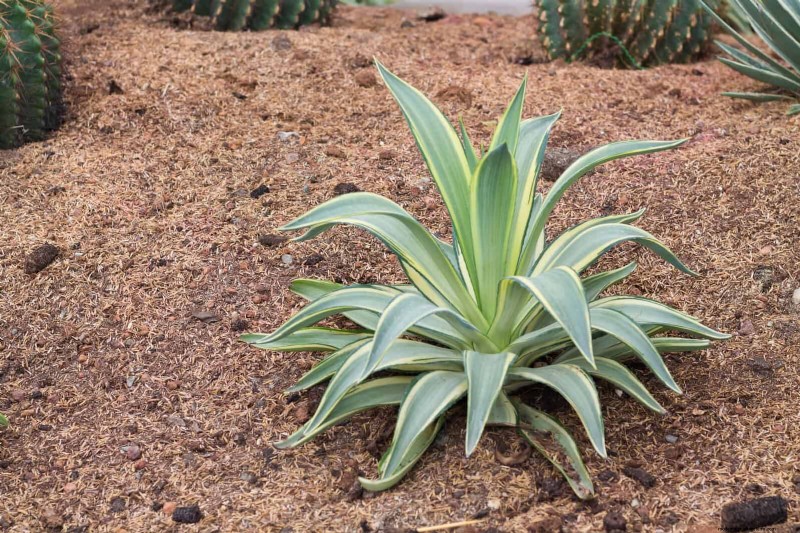
Agaves withstand thunderstorms thanks to upward‑pointing, channeled leaves that guide rain away from the center. Their fibrous structure resists rot even during prolonged damp periods. Some varieties span up to 6 feet wide, providing an impressive statement mandatorily kept at a safe distance from pathways due to sharp leaf tips.
 Depositphotos
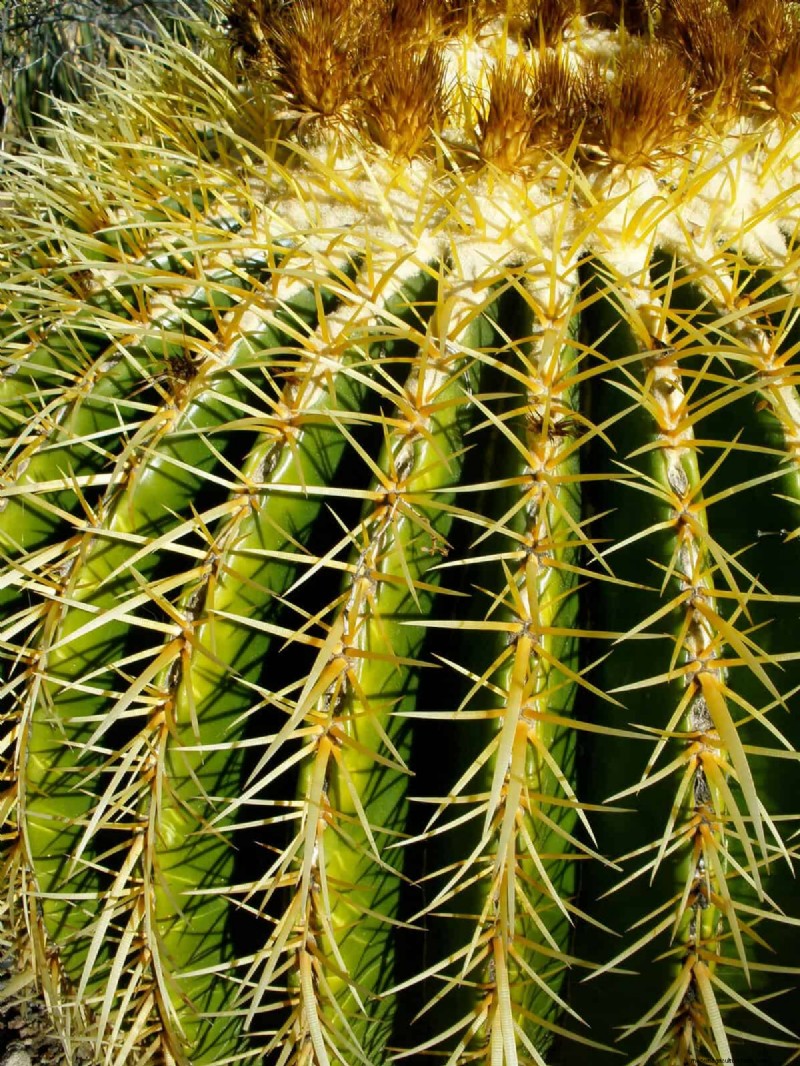
The barrel cactus’s ribbed body channels water directly to the roots while keeping the surface relatively dry, a vital adaptation for its native region where rains are intense but infrequent. Some specimens reach 3 feet in diameter and produce golden spines that gleam in sunlight. Older plants may display small yellow flowers and pineapple‑shaped fruits.
 Depositphotos
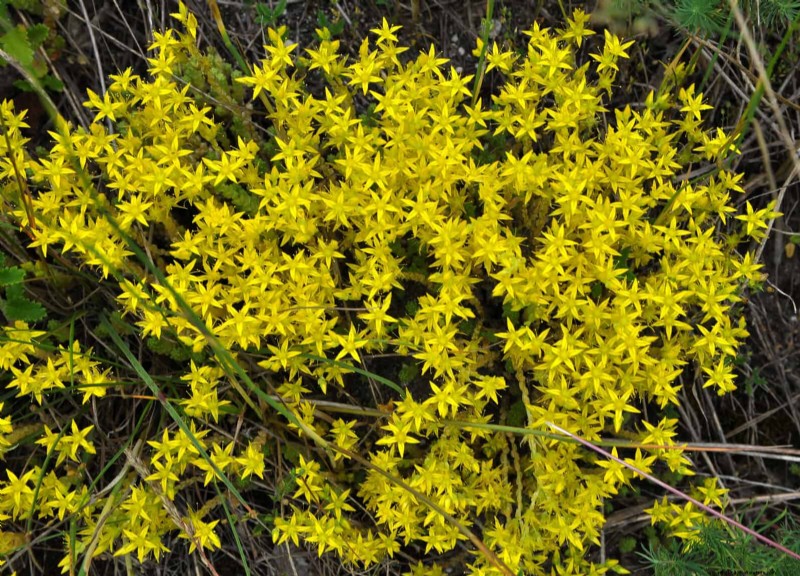
Stonecrop varieties are among the most rain‑tolerant succulents. Their shallow roots absorb and process water quickly, preventing root rot. Low‑growing types like Sedum spurium provide drought‑tolerant ground cover, while taller cultivars such as Autumn Joy bloom late in the season, attracting butterflies.
 Depositphotos
These cascading or mat‑forming plants use leaf shape and coating to shield themselves from overhead moisture.
Its densely packed, overlapping leaves form a natural “umbrella,” directing rain down the stems and preventing damage. With trailing stems several feet long, it thrives best in hanging baskets or tall pots where its mandarin‑green foliage can drape beautifully.
 Depositphotos
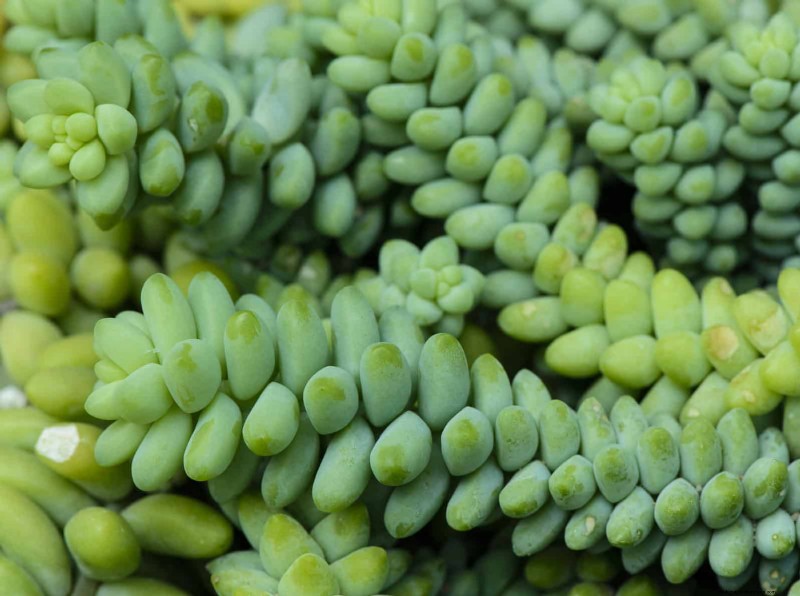
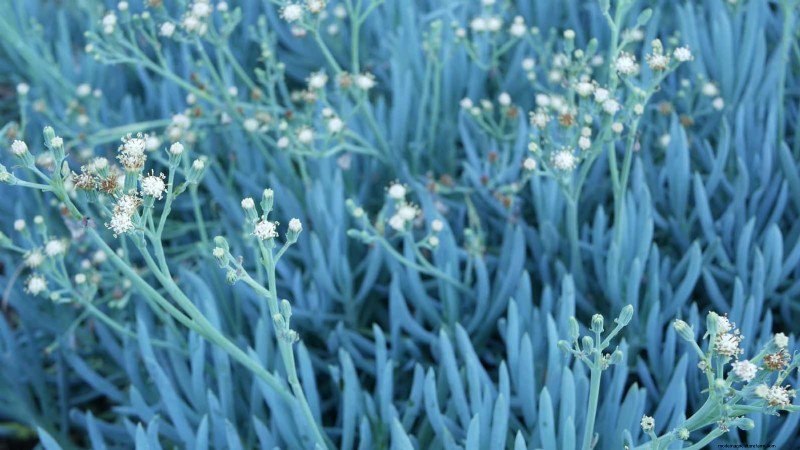
Finger‑like, bluish‑green leaves produce a dense mat that resists rot thanks to a waxy coating that speeds drying. Thriving in full sun and well‑draining soil, it is ideal for gardens facing unpredictable summer storms. Its drought tolerance makes it a standout border or groundcover.
 Depositphotos
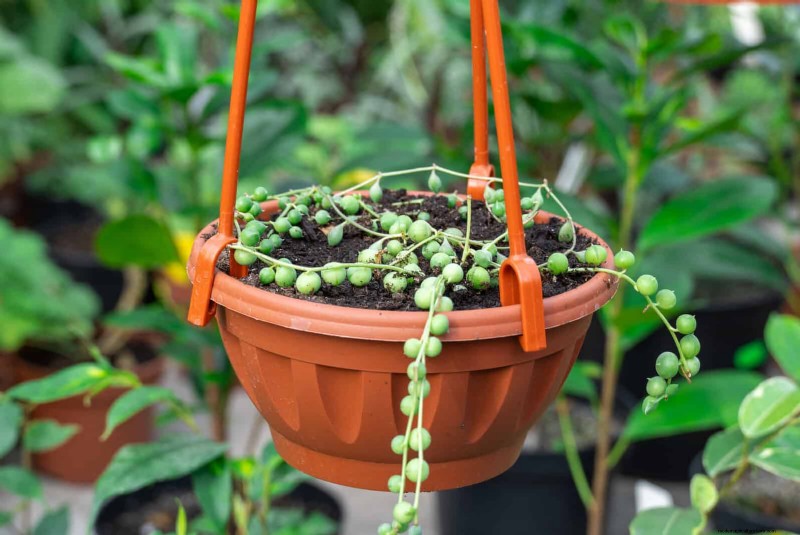
Bead‑shaped leaves reduce exposed surface area, lowering the risk of rot. The trailing vines of green pearls can grow several feet, punctuated by small white, cinnamon‑scented flowers. Its self‑propagating prop roots keep it self‑propelled and self‑propagating.
 Depositphotos
Choosing the right varieties is just the first step. Site preparation and soil choice are equally vital for long‑term success.
Consistency is key: use well‑draining soil, provide adequate sunlight, and allow the soil to dry between waterings. These 15 rain‑resistant succulents can thrive with minimal fuss, granting you a low‑maintenance garden that withstands unpredictable weather.
 Depositphotos
With these hardy species, you can confidently create a resilient, eye‑catching succulent garden that remains beautiful through any storm.

Editorial oversight
GardenTabs content is reviewed by Steve Snedeker, a seasoned gardener with decades of hands‑on landscaping experience.