Welcome to Modern Agriculture!

Before adding Cape Honeysuckle (Tecoma capensis) to your landscape, many gardeners ask whether its roots will become a problem. The answer is reassuring: the plant’s root system is generally non‑invasive, though careful planting and maintenance can keep it in harmony with neighboring plants.
Known for its striking clusters of orange and deep‑red trumpet flowers that bloom from late fall through spring, Cape Honeysuckle is an evergreen shrub or vine that can add visual interest to any garden. As a shrub, it reaches 7–10 feet tall and wide; as a vine, it can extend 25–30 feet long and sometimes climb up to 50–100 feet.
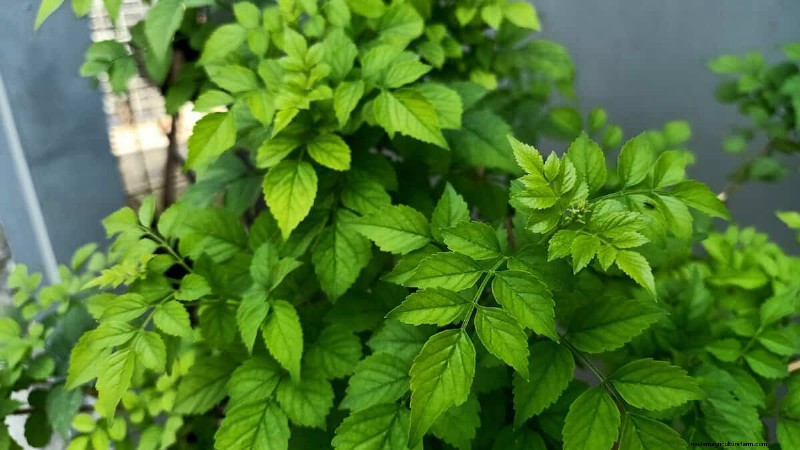
Unlike some of its relatives—such as Japanese Honeysuckle and Morrow’s Honeysuckle, which are known invasive species—Cape Honeysuckle’s roots do not aggressively spread or damage structures.
The plant’s roots primarily spread horizontally just below the soil surface, with a few deeper anchoring roots that provide stability. Because the majority of root growth is shallow, the likelihood of roots surfacing or encroaching on nearby foundations is low. Roots may alter their trajectory in response to obstacles, but they are not known to damage hardscapes.
Like any vigorous plant, Cape Honeysuckle competes for water, light, and nutrients. Proper spacing—at least 3–4 feet apart from other shrubs or trees—helps prevent overcrowding. Regular pruning keeps the plant’s canopy from overwhelming companions and ensures light reaches the ground layer.
Intense growth can shift soil pH and nutrient balances, potentially affecting nearby flora and microorganisms. Monitoring soil health, adding organic mulch, and using natural fertilizers can mitigate these effects and support a diverse garden ecosystem.
Trim Cape Honeysuckle annually to control size and shape, removing any overly dense growth that might compete excessively with neighbors.
Water deeply but infrequently. This encourages roots to grow deeper into the soil profile, promoting a healthier root system and reducing the chance of surface root proliferation.
Even though the roots are non‑invasive, planting the shrub or vine at a respectful distance—ideally at least 5–6 feet—from structural walls, driveways, or sidewalks minimizes future root interference.
Cape Honeysuckle offers vibrant color and year‑long interest without the invasive root concerns that plague some other honeysuckle species. With mindful planting, regular pruning, and routine soil care, it can thrive in a balanced garden setting.
Looking for other low‑impact plants? Consider these options:
Written by
Shane Desuasido
Shane is a seasoned content and copywriter with over a decade of experience in the gardening industry. Her expertise spans technical writing, e‑commerce, and social media, all while championing eco‑friendly and sustainable practices.
Meet the GardenTabs team →

Editorial oversight: GardenTabs content is reviewed by Steve Snedeker, a veteran gardener with decades of hands‑on landscaping experience.