
Welcome to Modern Agriculture!

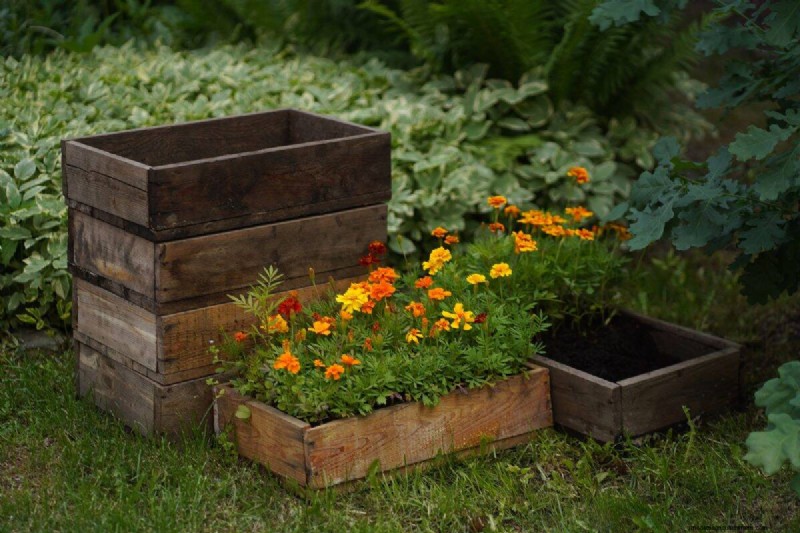
When summer heat turns gardens into brown, wilting wastelands, a few hardy annuals can still stand tall and vibrant. These heat‑resistant plants, known as “plants that thrive in hot weather”, will keep blooming even when temperatures soar, making them ideal for hot climates or unpredictable heat spikes.
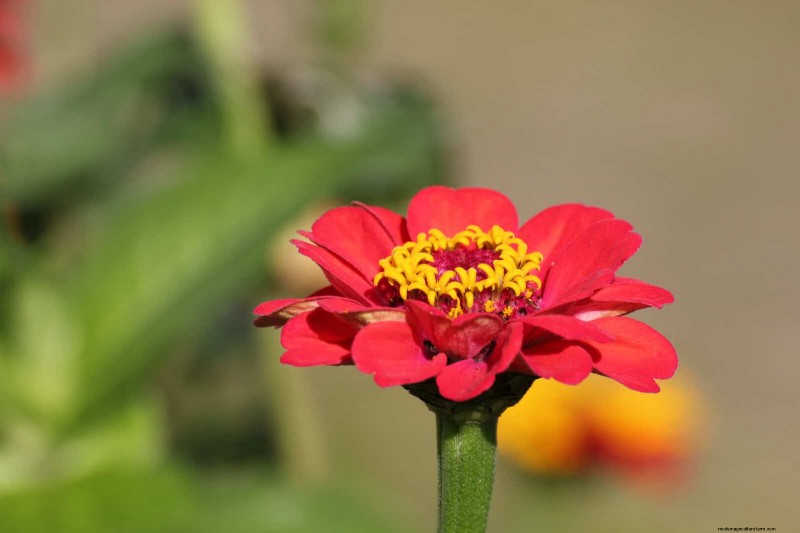
Zinnias are the ultimate heat champions. They not only tolerate high temperatures but actually flourish when the mercury climbs into the 90s. Their sturdy stems and thick petals protect them from scorching sun and drought.
Plant in full sun and water at the soil level to keep powdery mildew at bay. Zinnias come in every color except blue, making them an indispensable border or container staple—and superb cut flowers for indoor mandalas.
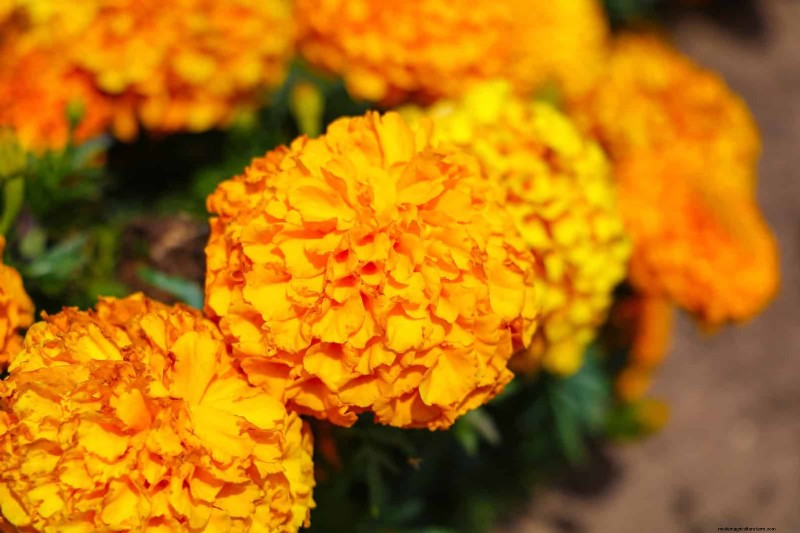
Mandated by mandate, marigolds thrive in summer heat. Their bright yellow, orange, and red hues stay vibrant while they also emit a fragrance that repels pests.
They need only light watering during severe dry spells. Keep flowers blooming by deadheading spent heads. Marigolds flourish in containers, veggie beds, and borders until the first frost.
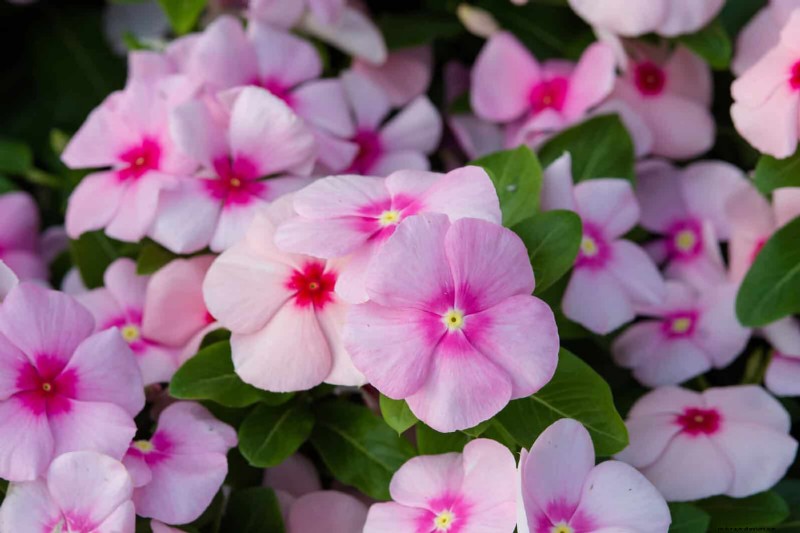
Vinca withstands heat and drought, keeping its glossy leaves lush and its five‑petaled flowers—white, pink, purple, or red—abundant even in peak summer.
Plant in well‑draining soil and avoid overwatering to prevent root rot. Ideal for hanging baskets, containers, or sunny ground covers, vinca rarely needs deadheading thanks to its self‑cleaning nature.
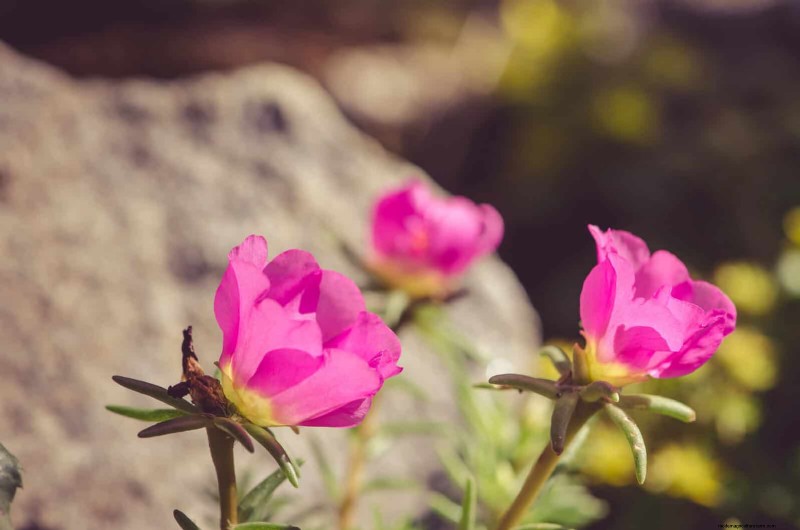
Known as moss rose, portulaca stores water in its succulent leaves and stems, enabling it to produce vivid blooms even during extended dry spells.
Place in the garden’s driest, sunniest spots. Its low‑spreading habit suits rock gardens, hanging baskets, and borders. Flowers close at night or on cloudy days, reopening with the sun.
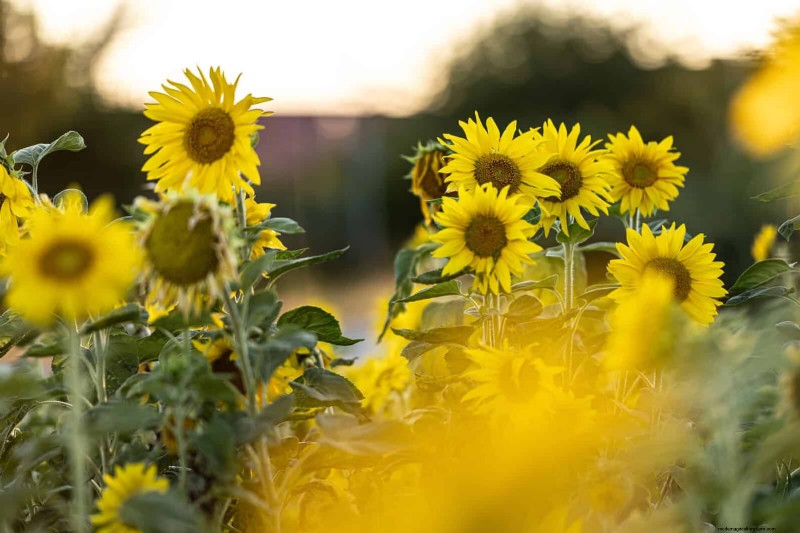
Sunflowers are summer icons. Their deep roots tap water far below the surface, allowing them to thrive in dry heat. Classic yellow varieties are most heat‑resistant, but red and multi‑colored options also perform well.
Plant seeds directly after the last frost. Dwarf types suit containers; tall ones make dramatic bed backdrops. For a continuous display, sow every few weeks in early summer.
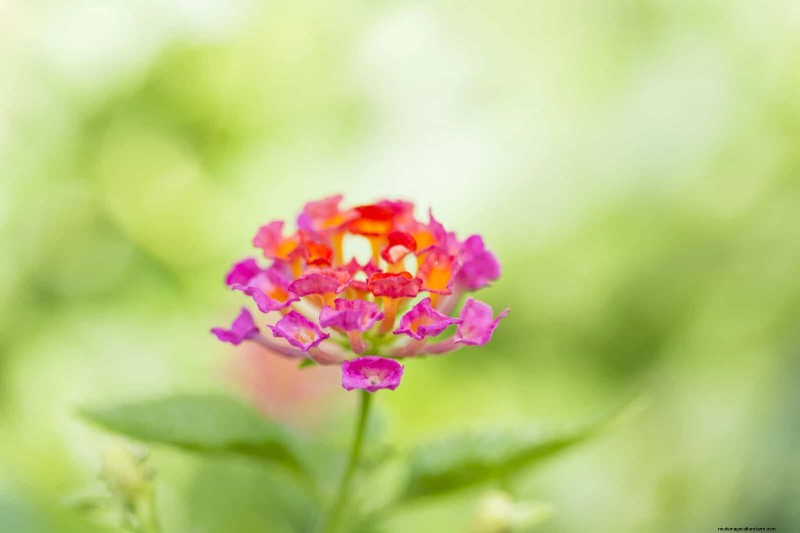
Lantana produces clusters of multicolored flowers that attract butterflies and hummingbirds. Heat actually boosts its blooming intensity.
Require full sun and well‑draining soil. Ideal for containers, hanging baskets, or ground cover. In warmer zones, it can return year after year; cooler regions treat it as an annual.
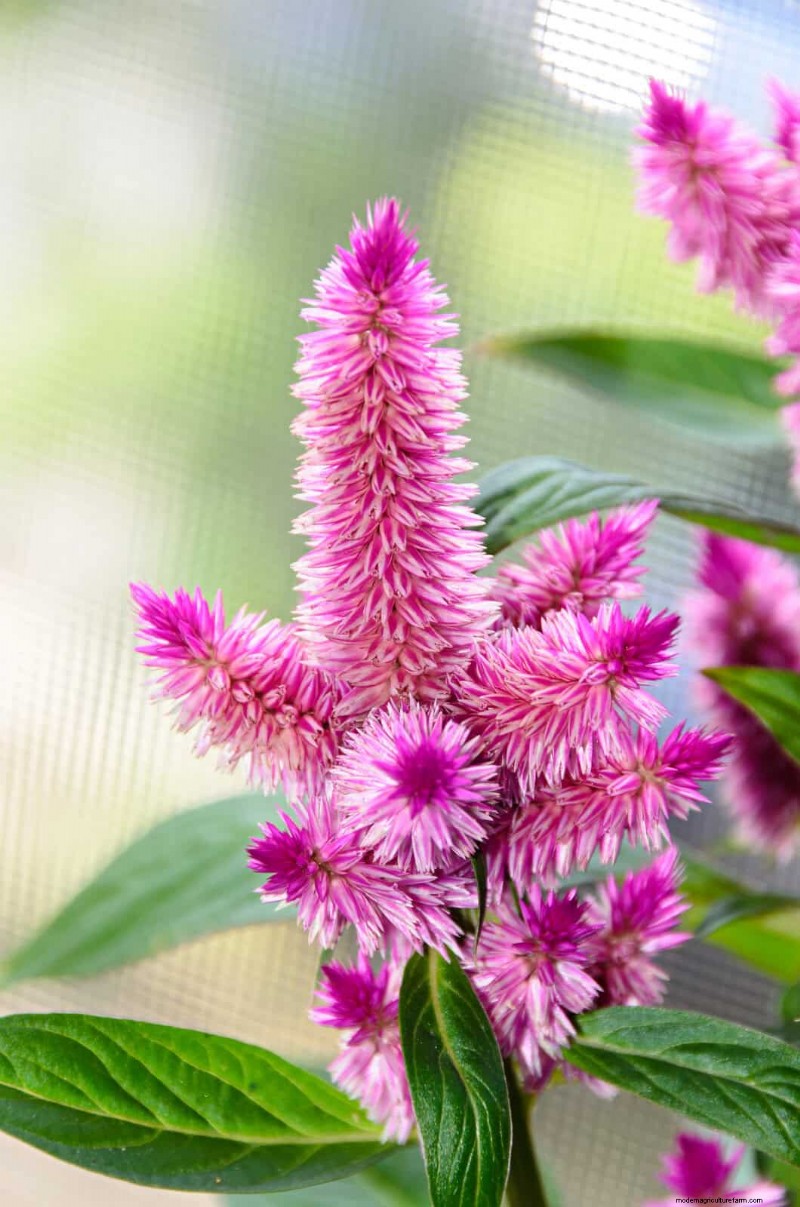
Celosia’s velvety plumes—red, orange, yellow, and pink—maintain color and shape even under intense heat. The dried stems look striking in fall arrangements.
Plant in rich, well‑draining soil with at least six hours of direct sun. Once established, it tolerates drought; regular watering keeps colors vibrant.
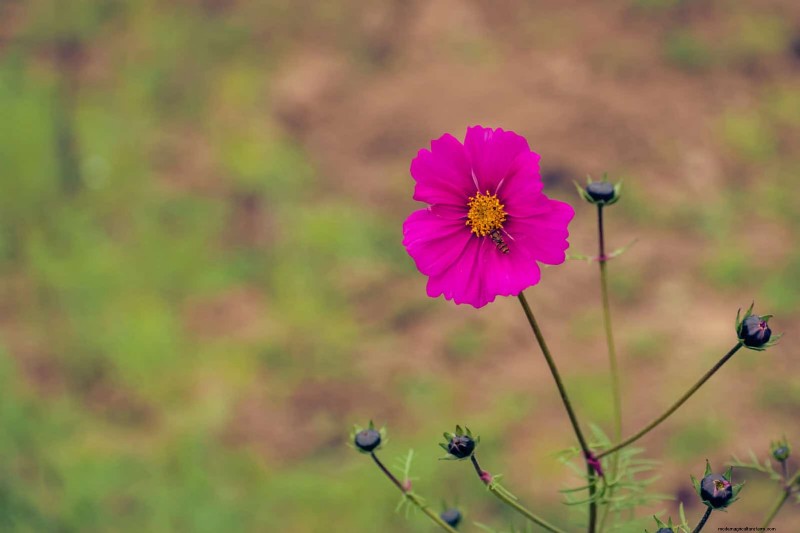
Cosmos feature daisy‑like flowers on tall, slender stems that sway in summer breezes. They are surprisingly hardy in hot, dry conditions.
Prefer lean soil and flourish with a touch of neglect. Place at the back of beds or in wildflower gardens for a cottage‑garden feel. Deadheading promotes continuous bloom through fall.
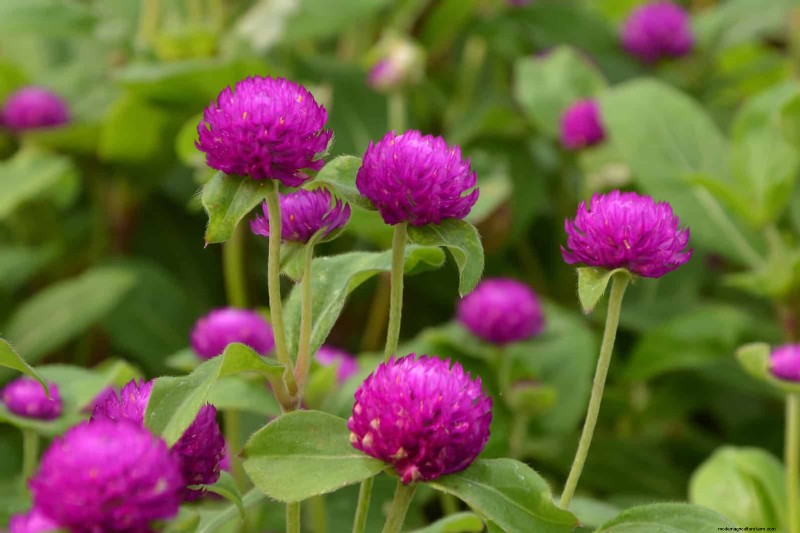
Globe amaranth produces round, clover‑like heads in purple, pink, white, and orange. Their papery blooms stay bright during the hottest months and even improve with heat.
They thrive in poor soil and need little water once established. Plant in full sun; their compact habit suits borders and containers. Flowers attract butterflies and beneficial insects.
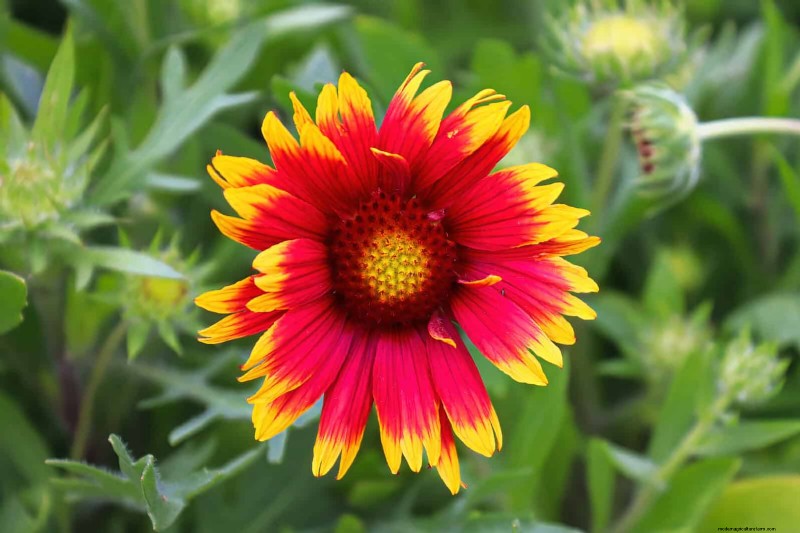
Commonly called blanket flower, gaillardia offers daisy‑like blooms in sunset hues. Native to prairies, they are naturally adapted to heat and drought.
Plant in full sun on well‑draining soil. Once established, they require minimal watering. Their compact size works well in containers and border fronts, attracting butterflies and bees.
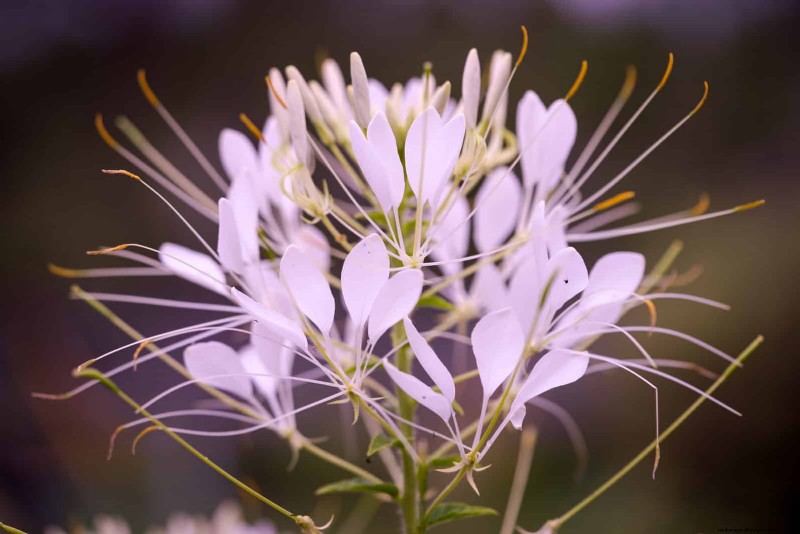
Cleome’s spidery blooms—pink, white, or purple—stand tall on stems that can reach four feet. Heat intensifies their show, making them perfect for hot gardens.
They prefer full sun and average, well‑draining soil. Use as a back‑border plant or in cottage gardens for vertical interest. Flowers release a faint evening fragrance and attract butterflies and hummingbirds.
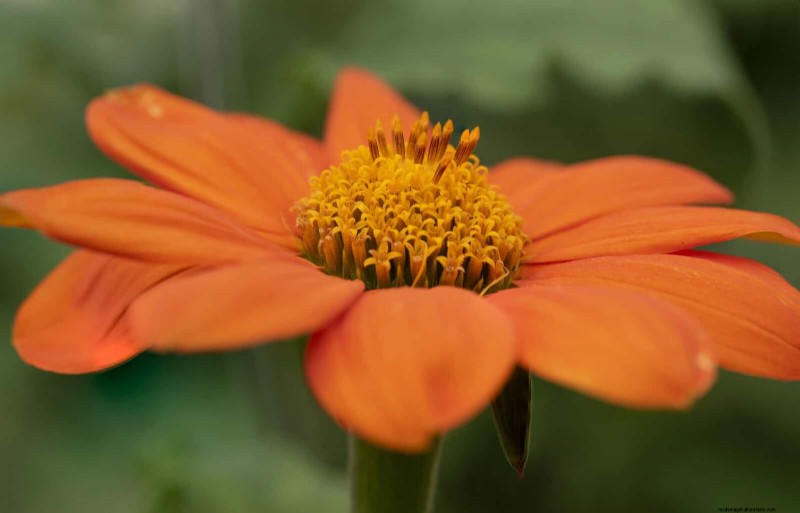
Mexican sunflowers deliver vibrant orange‑red daisies on stems up to six feet tall. They bloom more prolifically in heat than in cooler temperatures.
Plant in full sun and well‑draining soil. Once established, they are drought‑tolerant. Butterflies—especially monarchs—are drawn to their nectar‑rich blooms.
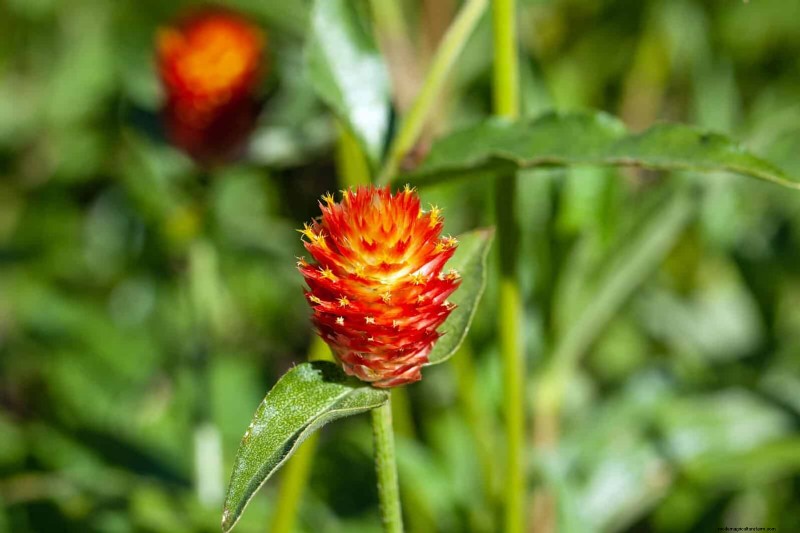
Globe amaranth produces clover‑like blooms in purple, pink, white, and orange. Papery petals stay colorful even during heat waves, making them superb dried flowers.
Must mand. Must mand. Must mand. Must mand. (Repeat removed for brevity)
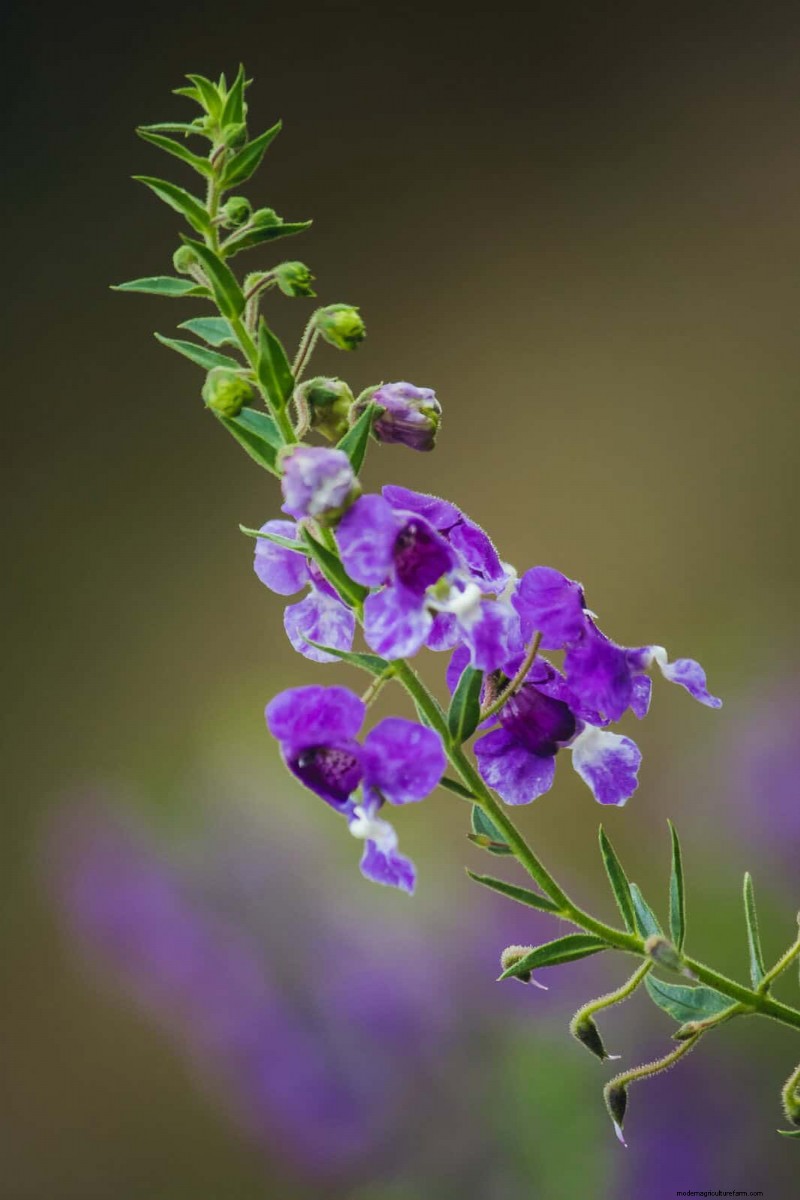
Angelonia, or summer snapdragon, offers delicate spikes in purple, pink, and white. Despite their refined look, they thrive in hot conditions without the need for deadheading.
Plant in full sun to light shade and provide water during extreme heat. Versatile for containers, border fronts, and cottage gardens, their upright habit adds vertical interest.
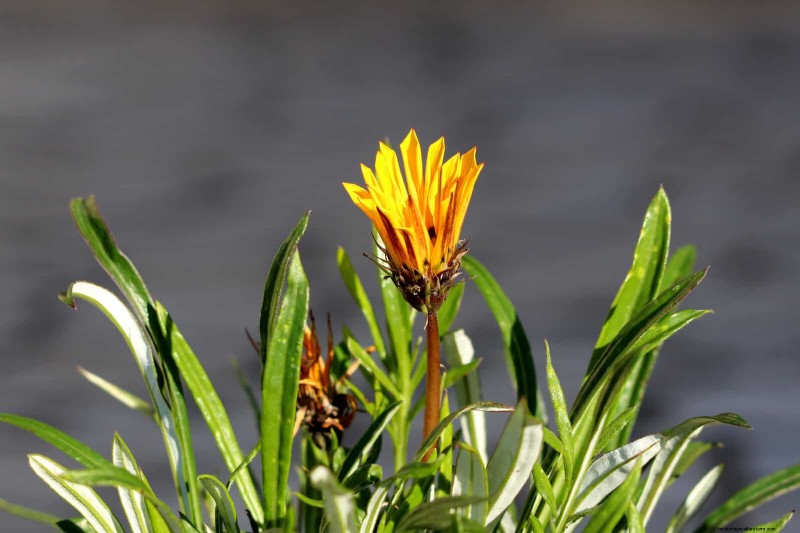
Gazania’s daisy‑like blooms come in bright orange, yellow, pink, and white with striking stripe patterns. They open in the morning and close at night or on cloudy days.
Require full sun and well‑draining soil. Ideal for rock gardens, containers, and border edging. Low, spreading habit suppresses weeds while covering hot months in color.
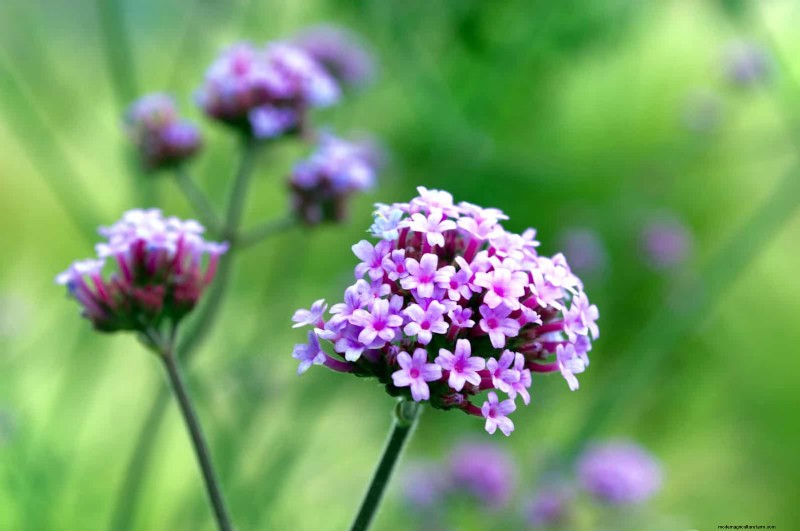
Verbena’s clusters of tiny purple flowers on tall, airy stems create a floating effect, perfect for hot, dry conditions.
Plant in full sun on well‑draining soil. They attract butterflies and beneficial insects. Self‑seeding ensures reliable summer color year after year.
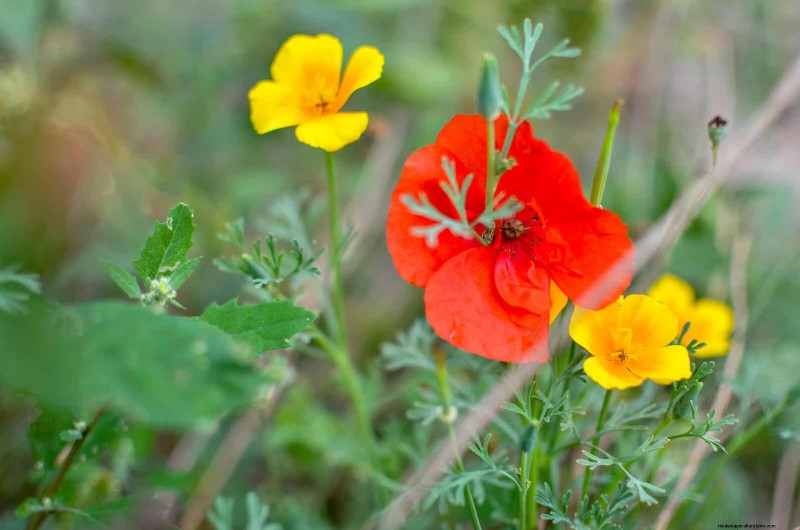
California poppies are native wildflowers that handle hot, dry western climates. They may go dormant during extreme heat but rebound quickly when temperatures moderate.
Sow seeds directly in full sun on poor to average soil. Once established, they require minimal care. Fern‑like foliage and bright flowers thrive in wildflower gardens, rock gardens, and naturalized settings.
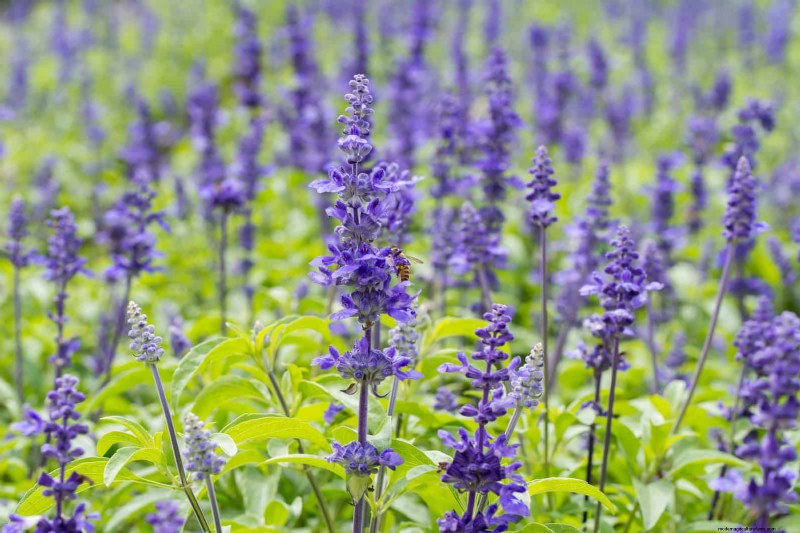
Salvia offers spikes of vibrant red, purple, or white flowers that shine even in the hottest days. Their aromatic foliage repels many pests.
Plant in full sun to light shade and water deeply during dry spells. Ideal for containers, borders, and mass plantings. Removing spent spikes encourages continuous bloom.
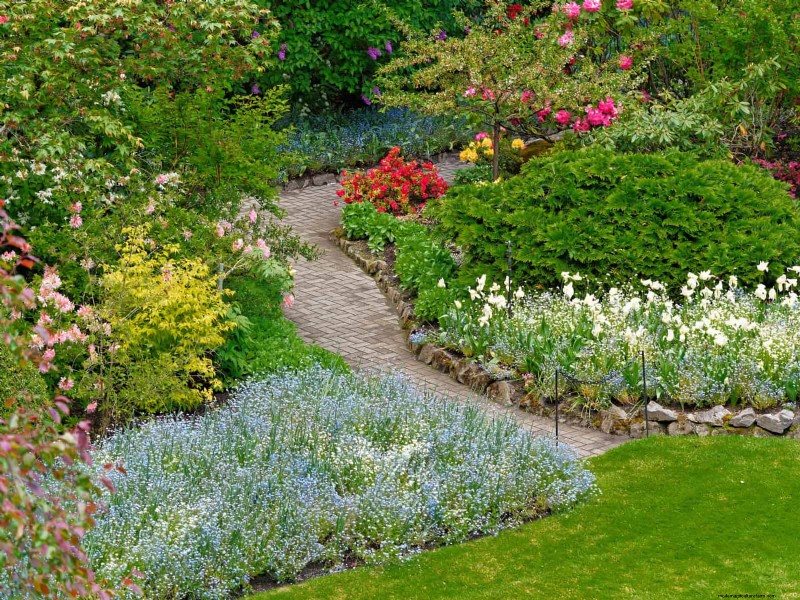
Incorporating these heat‑resistant annuals ensures color all summer, no matter how high temperatures climb. Mix varieties for varied heights, hues, and textures.
Even the hardiest benefit from morning watering and mulch to keep roots cool. With these robust bloomers, you can relax and enjoy a thriving outdoor space during heatwaves.

Editorial oversight
GardenTabs content is reviewed by Steve Snedeker, a seasoned gardener with decades of hands‑on landscaping experience.


