Welcome to Modern Agriculture!

Elevate your exterior with a simple, colorful wooden box under the kitchen window. A well‑designed window box draws the eye, softens hard lines, and tells a subtle story—without the need for a full landscaping overhaul.
Ideal for apartments, townhomes, and homes with paved or shaded front yards, the right window box feels intentional, not an afterthought.
Here are 15 window‑box concepts that instantly charm, complete with planting tips and design notes for each.
Great window boxes share two core principles: a cottage‑garden vibe in miniature, and a simple design formula that guarantees balance.
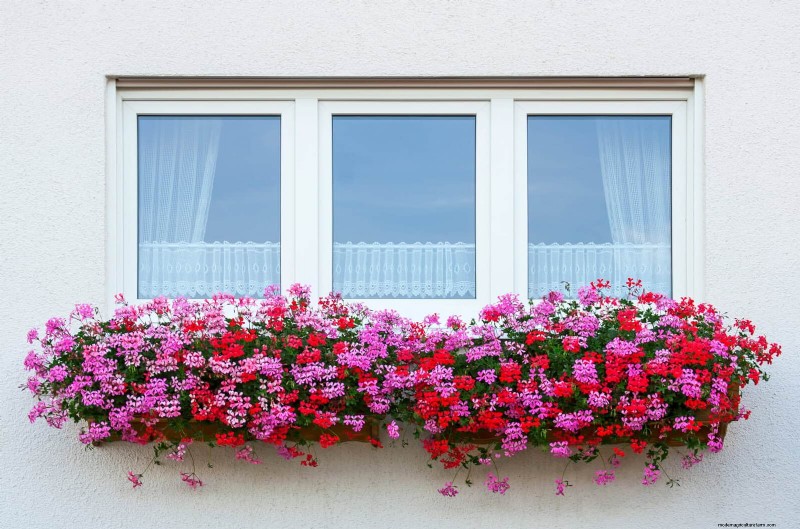
The cottage cascade is the go‑to image for a window box. Picture pink geraniums at the center, white petunias spilling over the edges, and a gentle ribbon of trailing ivy tying everything together. Warm, lived‑in, and romantic, this arrangement thrives in full sun and tolerates occasional missed watering.
For an even more cascading effect, swap ivy for sweet‑potato vine. The chartreuse leaves brighten dark frames better than traditional ivy.
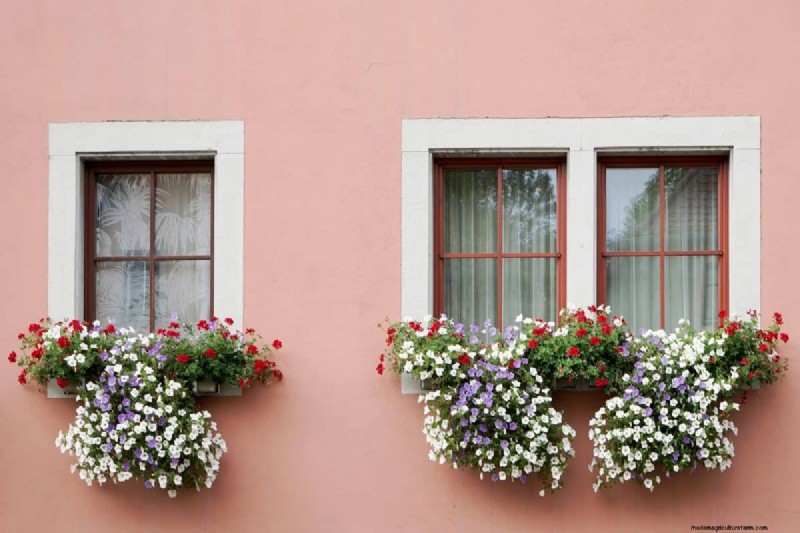
Design pros rely on a “thriller‑filler‑spiller” mandala. The thriller gives height (e.g., tall salvia, ornamental grass, or a spike plant). Fillers provide body (coleus, lantana, compact petunias). Spillers soften edges (creeping Jenny, lobelia, bacopa). Follow this rule and your box stays balanced, no matter the colors.
Save this article & also instantly unlock today's gardening deals!
Color is the fastest way to complement or contrast with your exterior. Use restraint for strong architecture, or go loud for neutral or modern homes.
A monochromatic white‑green box lets the building take center stage. Combine white impatiens or geraniums with silvery dusty miller or licorice plant, and finish with variegated ivy. The palette glows under porch lights—perfect for covered entries.
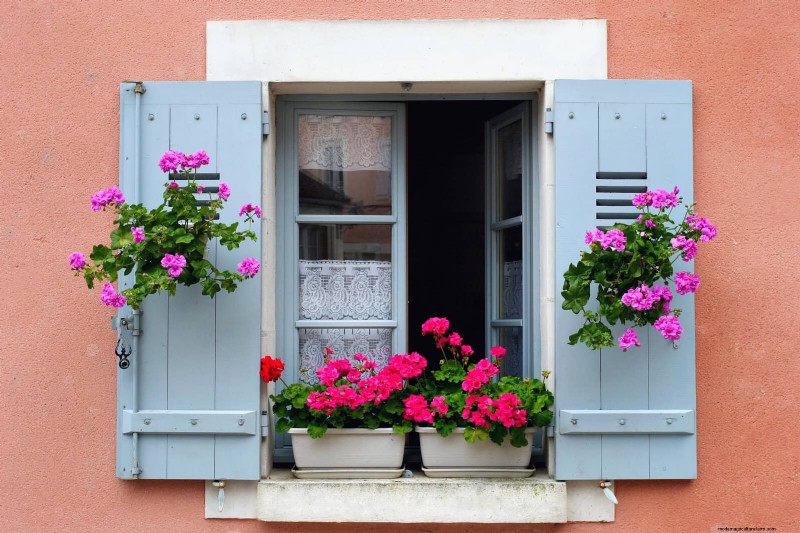
For bolder boxes, choose coral geraniums with violet lobelia and chartreuse sweet‑potato vine, or hot pink calibrachoa with deep purple verbena and lime green creeping Jenny. Commit to three or four strong colors for maximum impact.
Did You Know? Window boxes have boosted curb appeal for centuries, originating in Victorian England as a way for city dwellers to enjoy fresh blooms. The European tradition of overflowing boxes still shapes cottage and Mediterranean design.
The material determines maintenance, aging character, and how well it matches your home’s style.
Cedar resists rot and insects naturally, thanks to its natural oils. A clear sealant ages to a soft silver‑gray—ideal for craftsman, cottage, and farmhouse homes. Stain in walnut or natural pine for richer color; reapply every few seasons.
Add a galvanized steel liner inside to protect against moisture. For modern facades, powder‑coated black steel offers clean lines and a high‑contrast look when paired with bright blooms.
White begonias and trailing dichondra create an editorial vibe on black boxes, grounding airy plantings on stucco, dark brick, or board‑and‑batten siding.
Copper boxes start polished and evolve into sage‑green. This slow patina adds timelessness to Tudor, Victorian, or stone fronts. Pair with warm tones—terracotta geraniums, peach calibrachoa, bronze sedge—to amplify the metallic glow. A copper‑finish metal alternative offers similar aesthetics at a friendlier price.
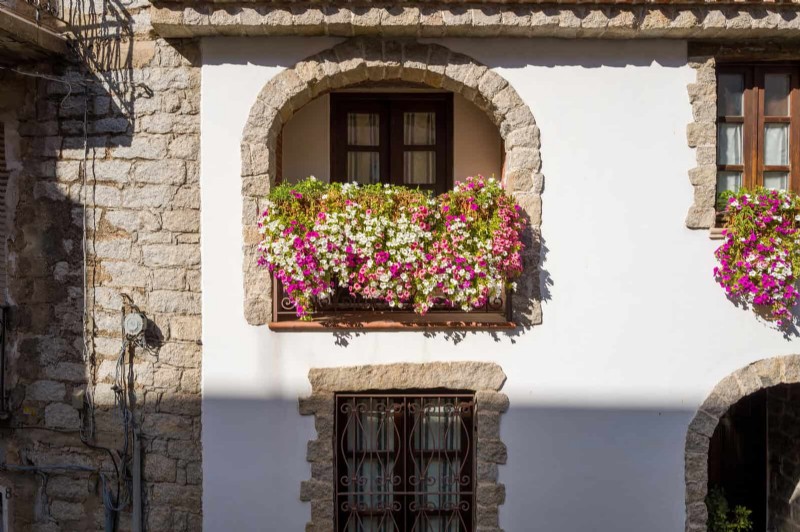
The wrought‑iron cage, lined with coco fiber, delivers a European street feel—perfect for Paris or Charleston. Replace the coco liner every 2‑3 seasons for minimal upkeep.
| Material | Best For | Upkeep Level |
|---|---|---|
| Cedar Wood | Cottage, farmhouse, craftsman | Low‑moderate |
| Powder‑Coated Steel | Modern, contemporary | Very low |
| Copper | Tudor, Victorian, stone | Very low |
| Wrought Iron with Liner | European, classic, transitional | Liner swap every 2‑3 years |
| PVC or Composite | Any style, coastal climates | Lowest |
Window boxes don’t always need flowers. A texture‑rich, all‑foliage box can keep your home looking dressed even when the sun is scarce.
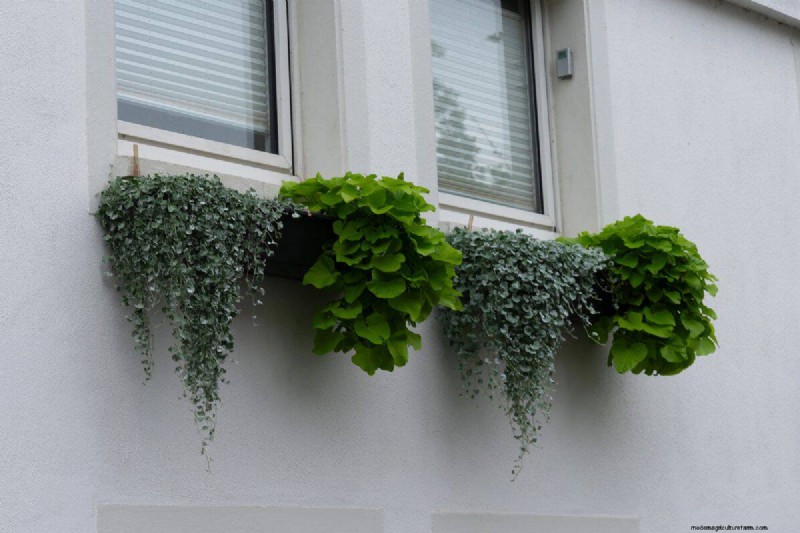
Combine asparagus fern, coleus, and trailing English ivy or potato vine for airy lightness and contrast. Ideal for low‑light windows.
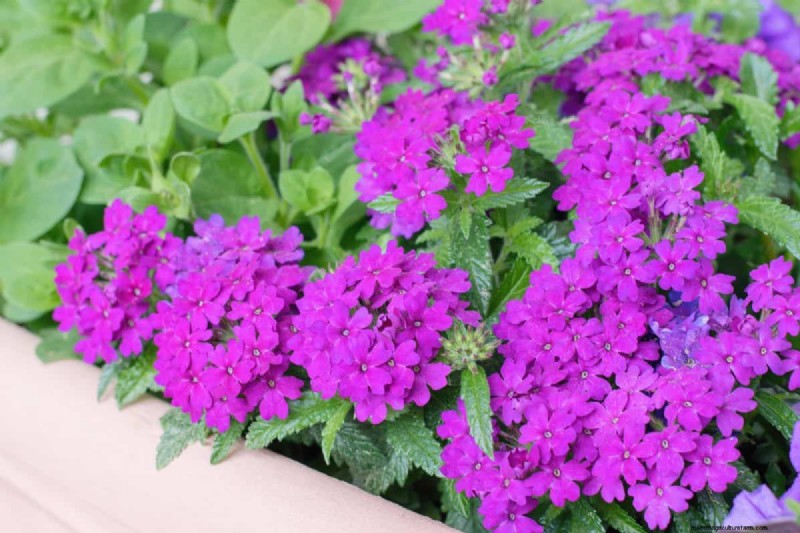
Window boxes are a top way to create a pollinator haven right at eye level. Lantana, salvia, verbena, and zinnias bloom profusely all summer. Add a single milkweed plant or some calendula for a meaningful stop‑over.
Skip pesticides—these plants welcome the bugs.
See more: Natural Pest Control Methods That Actually Work (18 to Try)
When summer blooms fade, transition to a fall display with small pumpkins, gourds, and dried corn. Layer evergreen sprigs of cedar or pine over the back, then top with mini white and orange pumpkins. Add dried hydrangea or ornamental cabbage for color and shape. Swap in about ten minutes, and the box stays vibrant for six weeks.
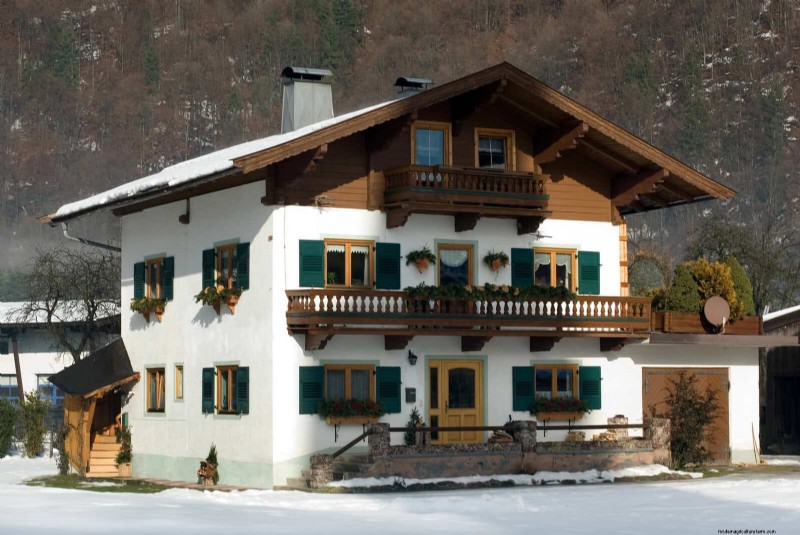
For winter, use evergreen boughs of fir, pine, and cedar for the back, and red winterberry stems for a pop of color. Add pinecones, birch logs, and weather‑proof ornaments for holiday charm that lasts into January. White twinkle lights among the greens transform the box at dusk. A frosted twig adds height without weight, and the arrangement holds up through snow and sleet with minimal maintenance.
A window box full of food is the ultimate blend of beauty and utility. Group herbs by water needs: rosemary, thyme, oregano, and sage for drier soil; basil, parsley, chives, and cilantro for moist soil. Use compact varieties like ‘Blue Boy’ rosemary, dwarf curly parsley, and ‘Minette’ basil. A six‑inch deep box suffices for most kitchen herbs.
Strawberries cascade beautifully over edges, and their white spring flowers look like a designed feature. Add loose‑leaf lettuce, baby spinach, or arugula at the front for early harvest. Sprinkle nasturtiums for edible orange and yellow blooms. When lettuce bolts, replace with compact basil or trailing cherry tomatoes.
Window Box Planting Checklist
Shade isn’t a dead end. North‑facing and porch‑shaded windows can host lush, full boxes with the right plants.
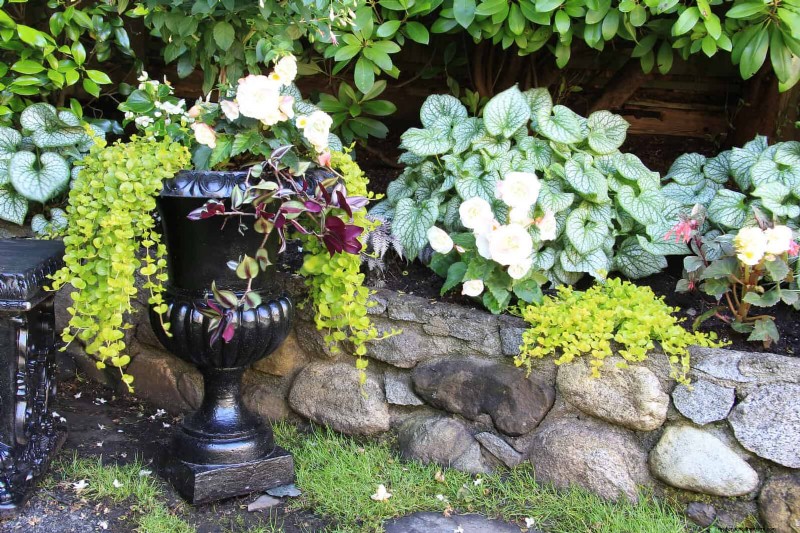
Begonias, impatiens, and torenia bloom with as little as three or four hours of indirect light. Combine with Boston fern, asparagus fern, or maidenhair fern for soft texture. Consider indoor low‑light houseplants to complement the porch or adjacent rooms.
Coleus is especially suited to shade, offering colors from chartreuse to deep burgundy.
The right container and a simple planting approach make the rest easier. Start with one box on your most visible window; the impact will motivate you to add more.
Pick plants you enjoy caring for, and choose a style that flatters your facade. A well‑chosen box will elevate the entire exterior and be easy to maintain.
Written by
Anne Moss
Anne Moss is the founder of GardenTabs and principal of Moss Digital Publishing. With over a decade of experience creating practical, reader‑first content, she guides the editorial direction and writes guides that help everyday gardeners find clear, usable answers.
Meet the GardenTabs team →

Editorial oversight
GardenTabs content is reviewed by Steve Snedeker, a seasoned gardener with decades of hands‑on landscaping experience.