
Welcome to Modern Agriculture!

 Depositphotos
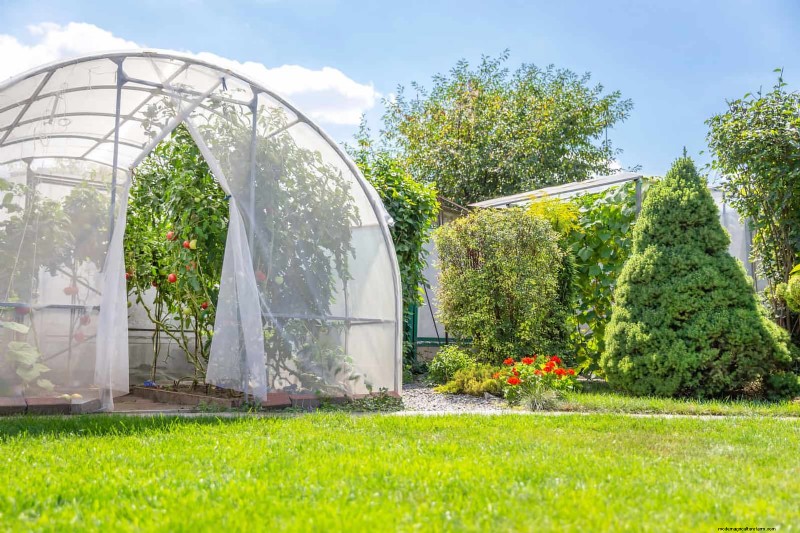
Gardening with delicate plants can feel like a delicate balance. Too much sun scorches tender leaves, while too little stunts growth and prevents flowering. Many beloved garden favorites, from ferns to hostas to delicate vegetable seedlings, need protection from harsh midday rays.
Finding the right shade solution makes all the difference between thriving plants and crispy disappointments. The perfect shade solution matches your plants’ needs and your garden’s style.
Some options require minimal setup, while others become beautiful garden features themselves. With the right approach, you’ll create microclimate havens where even the most sensitive plants flourish during summer heat waves.
 Depositphotos
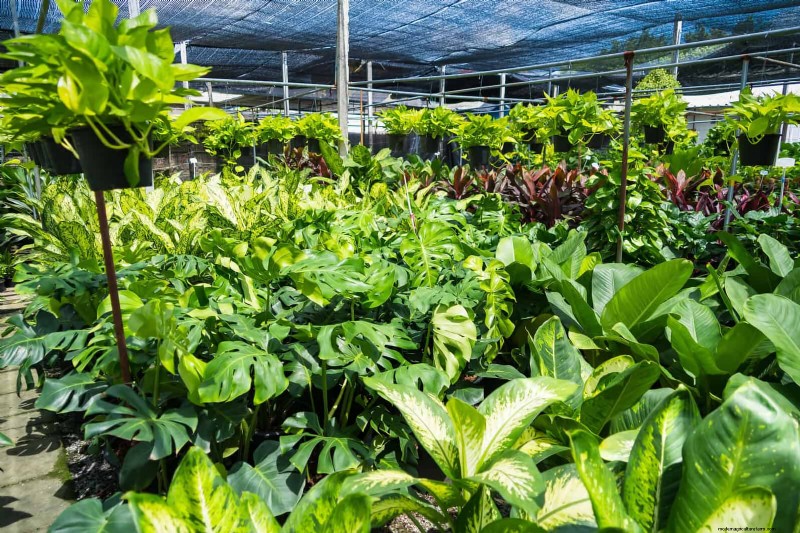
Shade cloth comes in various densities, measured by the percentage of sunlight blocked; 30% for light shade lovers like columbines (Aquilegia spp.) and 70 to 90% for deep shade plants like maidenhair ferns (Adiantum pedatum).
The woven, breathable fabric feels lightweight yet durable, creating a gentle, dappled light that mimics the protection of a forest canopy without trapping heat beneath.
Install shade cloth on a simple PVC frame for seasonal protection or attach it to permanent wooden structures for year-round coverage. For best results, leave 2 to 3 feet between the fabric and plants to allow air circulation.
In cooler climates like the Pacific Northwest, choose lighter density cloths that can be easily removed during cloudy periods, while southern gardeners might benefit from heavier options that stay in place throughout summer.
 Depositphotos
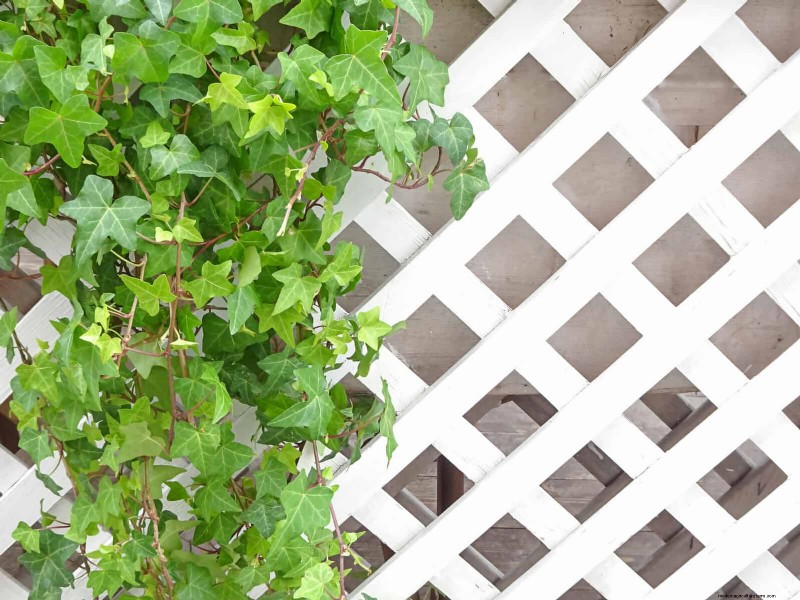
Lattice creates the magical interplay of light and shadow that sensitive plants adore. Filtered sunlight passing through the openings creates a dancing pattern across the ground as breezes move through the garden.
Wood lattice offers a traditional look, while vinyl versions require less maintenance and resist the cracking that can happen in harsh climates. Position lattice panels at a 45-degree angle from the harshest afternoon sun to maximize protection.
For extra versatility, mount lattice panels on hinges so they can be adjusted as the sun angle changes through seasons. Try pairing a lattice shade structure with delicate astilbes (Astilbe chinensis), whose feathery flower plumes will catch the patterns of light and shadow throughout the day.
We'll email it to you so you can read it later!
By saving, you agree to receive occasional emails. Unsubscribe anytime.
 Depositphotos
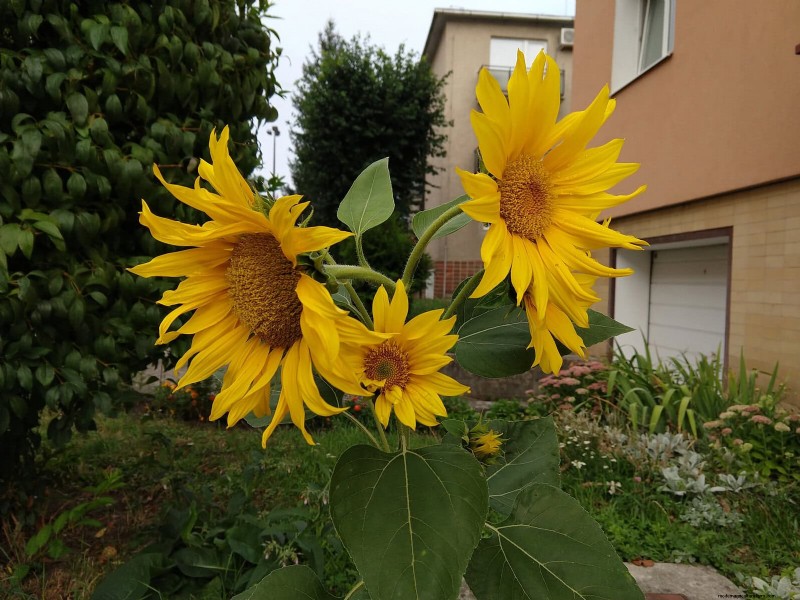
Tall, sun-loving plants can create natural umbrellas for sensitive understory specimens. The rustling of sunflower (Helianthus annuus) leaves provides a soothing soundtrack while their broad foliage creates cool, shaded pockets for heat-sensitive lettuces and spinach below.
The temperature difference can be remarkable, often 5 to 10 degrees cooler in these protected spots. Plant tall cosmos (Cosmos bipinnatus) or cleome (Cleome hassleriana) on the south or west side of delicate plants, spacing them about 12 inches apart.
As they grow, they’ll form a living screen that moves with the wind. This approach works especially well in vegetable gardens where tall tomato plants can shelter cool-season crops that would otherwise bolt in summer heat.
 Depositphotos
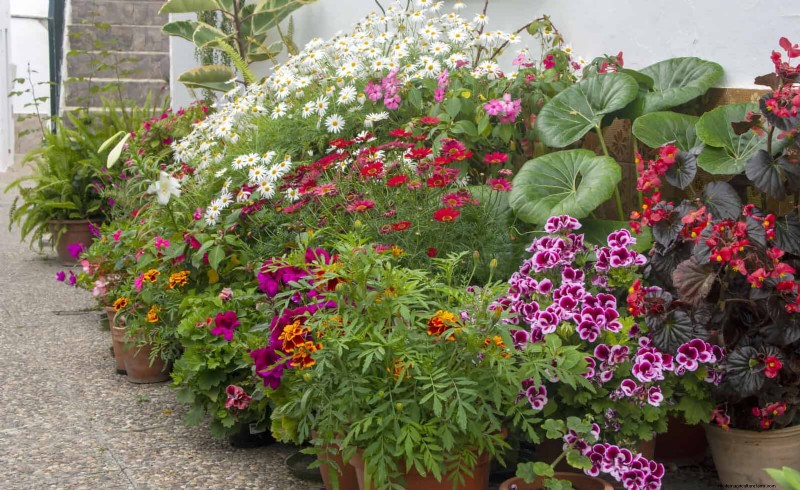
Containers on wheels or lightweight pots give you the ultimate flexibility to follow or escape the sun’s path throughout the day. Terra cotta pots develop a beautiful patina but dry out quickly, while glazed ceramic retains moisture longer, perfect for moisture-loving plants like Japanese forest grass (Hakonechloa macra) with its cascading, ribbon-like foliage that catches the gentlest breeze.
Group containers of different heights to create shade pockets for the most sensitive plants. Place taller containers with hardy specimens like ornamental grasses on the south side of lower pots containing shade-lovers.
For truly delicate specimens, consider keeping them on a rolling plant caddy that allows you to quickly move them to shelter during unexpected heat waves or storms.
 Depositphotos
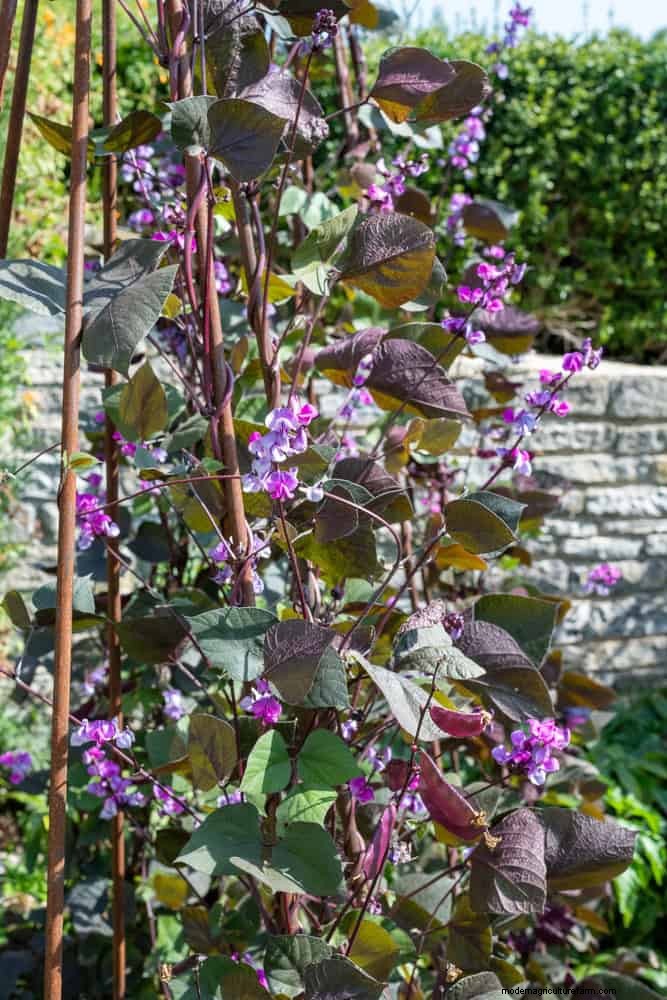
Annual vines transform a simple structure into a living shade canopy in just weeks. Morning glory (Ipomoea purpurea) unfurls new trumpet-shaped blooms each dawn that hum with bee activity, while the heart-shaped leaves create cooling shade below.
On breezy days, the soft rustling of vine leaves adds a soothing audio element to the garden. Plant quick growers like hyacinth bean (Lablab purpureus) with its purple stems and bean pods, or black-eyed Susan vine (Thunbergia alata) with cheerful orange blooms around a simple teepee of bamboo poles.
By midsummer, you’ll have a living tent that provides dappled shade for hostas, ferns, and other woodland plants placed beneath. For fall interest, try cardinal climber (Ipomoea sloteri), which attracts hummingbirds while shading sensitive plants below.
 Depositphotos
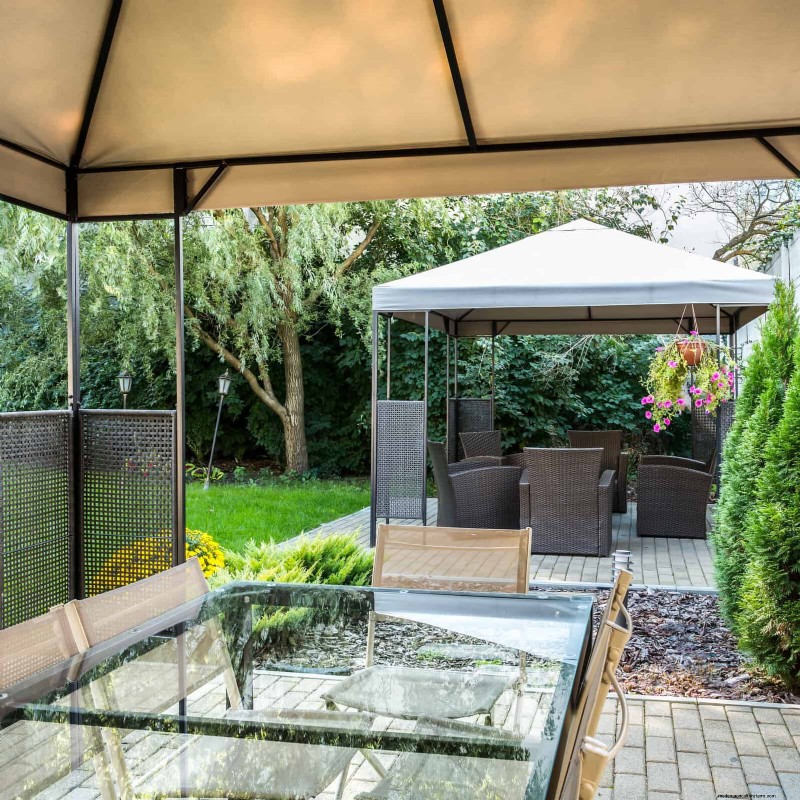
Temporary shade solutions like pop-up canopies save delicate plants during unexpected heat waves. These lightweight structures have become increasingly garden-friendly, with some models designed explicitly with UV-resistant tops and open sides for proper airflow. The gentle whooshing sound they make in light breezes adds a pleasant audio dimension to the garden experience.
Keep a portable pop-up shelter ready during transplanting season to protect freshly planted specimens from shock. Consider investing in a shade structure with adjustable height poles for larger gardens to accommodate plants of different sizes. These temporary solutions are especially valuable for gardeners in transitional climate zones like USDA 5 to 6, where temperatures can swing dramatically between spring and summer.
 Depositphotos
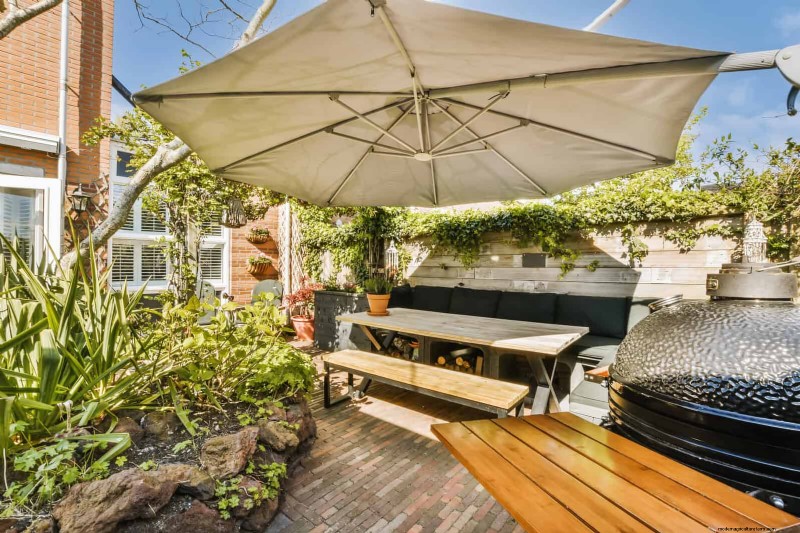
Garden umbrellas provide portable, instant protection for sensitive plants during intense sun periods. Look for models with UV-resistant fabric that won’t fade quickly and sturdy bases that prevent tipping in summer storms.
The satisfying sound of an umbrella popping open signals immediate relief for wilting plants on hot days. Position umbrellas to block the harsh afternoon sun between 1 and 4 p.m., when the rays are most intense. For container gardens on patios, choose clamp-on umbrella models that attach directly to deck railings to save floor space.
Market umbrellas work wonderfully for protecting newly installed shade plants like coral bells (Heuchera spp.) with their colorful foliage that can scorch before roots are established.
 Depositphotos
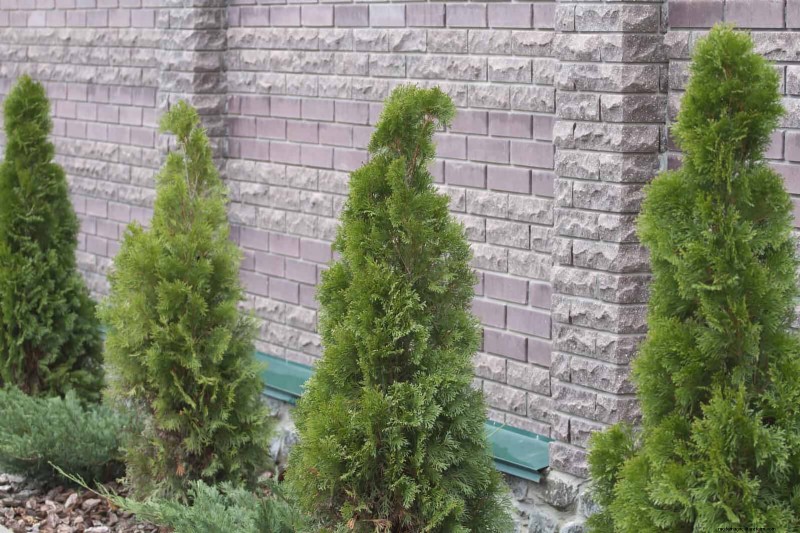
A living fence creates a cool microclimate on its north side, perfect for tender plants that need protection. A mixed hedgerow offers a rich sensory experience, including birds nesting among branches, the subtle fragrance of privet flowers (Ligustrum spp.), and the varied textures of different leaf shapes catching morning dew.
Even the sound changes as you step into the protected zone behind a living fence, becoming noticeably quieter and more intimate. Create mixed hedgerows using fast-growing shrubs like ninebark (Physocarpus opulifolius) paired with evergreens for year-round structure.
For narrow spaces, columnar arborvitae (Thuja occidentalis ‘Emerald Green’) creates a slim green wall without taking up much ground space. In southern regions, consider tea olive (Osmanthus fragrans) for its heavenly scented blooms and dense shade-casting ability.
 Depositphotos
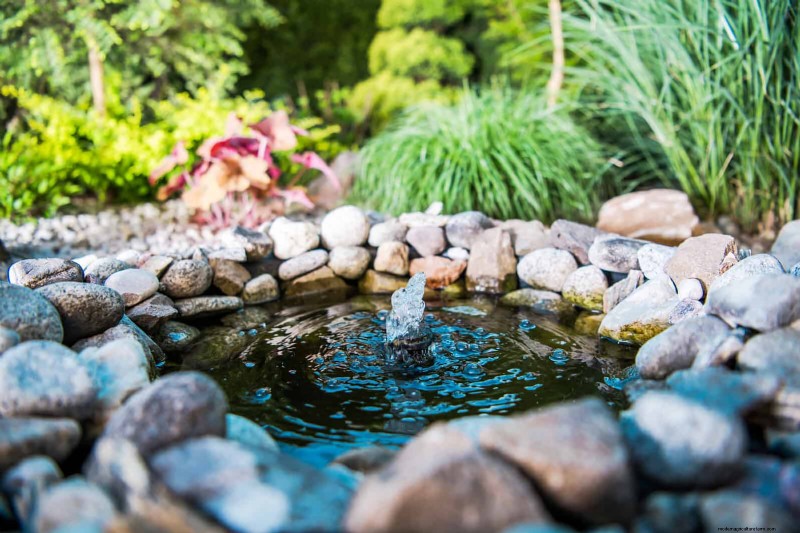
Water features cool surrounding areas through evaporation while tall aquatic plants provide natural shade. The gentle splashing of a small fountain can lower the perceived temperature by several degrees, creating a refreshing microclimate where moisture-loving plants thrive.
The atmospheric humidity around water features benefits ferns and other plants with delicate, thin leaves. To cast cooling shadows across the water surface and surrounding plants, position tall marginal plants like papyrus (Cyperus papyrus) or horsetail (Equisetum hyemale) on the south side of water features.
This reduces water temperature and algae growth while creating perfect conditions for shade-loving jewel orchids (Ludisia discolor) or peacock ferns (Selaginella uncinata), which have iridescent blue-green fronds that seem to glow in dappled light.
 Depositphotos
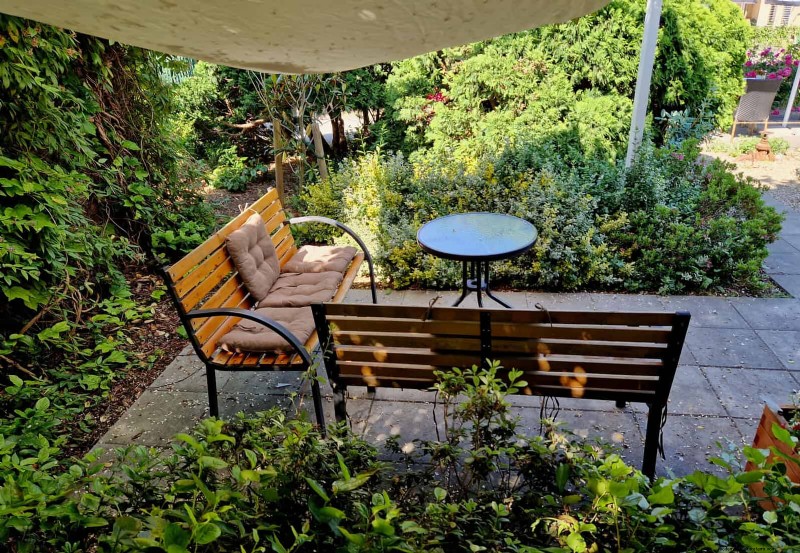
Simple wooden frames covered with lightweight fabric offer targeted protection for specific garden beds. Unlike permanent structures, these can be removed once plants establish or weather moderates.
The soft fluttering sound of fabric shade covers creates a peaceful ambiance while protecting delicate seedlings from intense summer rays. For emergency protection, construct basic A-frame supports using 1×2 lumber and cover with row cover fabric or old sheets.
For vegetable gardens, build rectangular frames that protect entire rows during establishment and remove them once plants have hardened off. These work particularly well for cool-season crops like spinach (Spinacia oleracea) and mesclun mixes, which tend to bolt in direct summer heat.
 Depositphotos
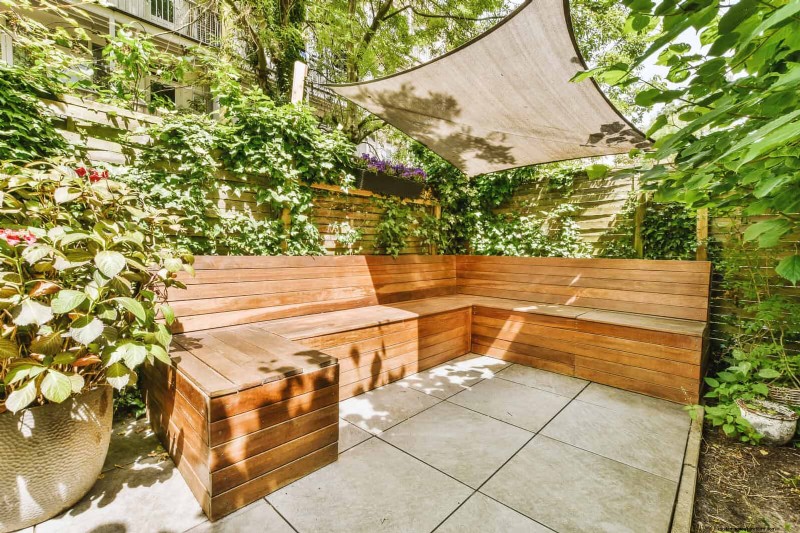
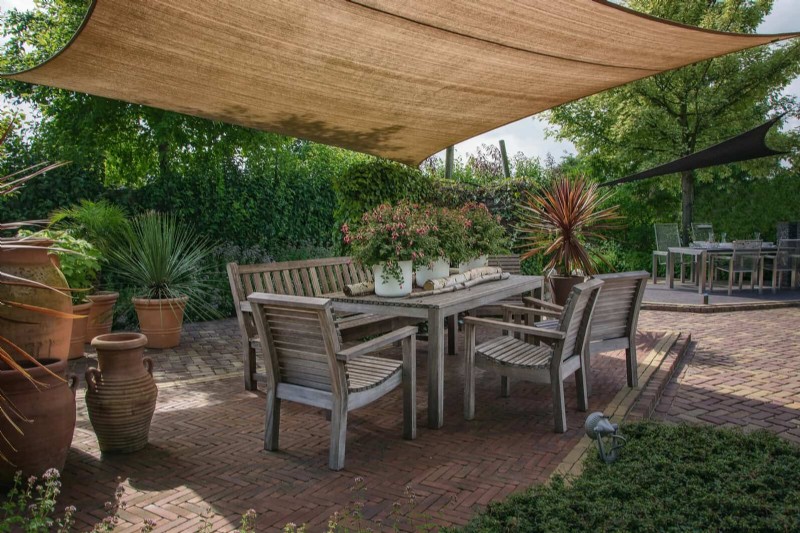
Architectural shade sails create dramatic shadows while protecting sensitive plants below. The gentle undulation of these tensioned fabrics adds kinetic interest to the garden, casting ever-changing patterns across the ground.
Unlike solid roofs, their porous weave allows rainfall to reach plants below while still blocking harmful UV rays. Install triangular or square shade sails at varying heights to create visual interest and accommodate plants of different sizes.
Choose light-colored fabrics that reflect rather than absorb heat for maximum cooling effect. Position sails to protect delicate Japanese maples (Acer palmatum) with their lacy foliage that easily scorches, or sensitive hydrangeas (Hydrangea macrophylla) whose large leaves act as nature’s moisture meters, quickly showing when conditions become too hot and dry.
 Depositphotos
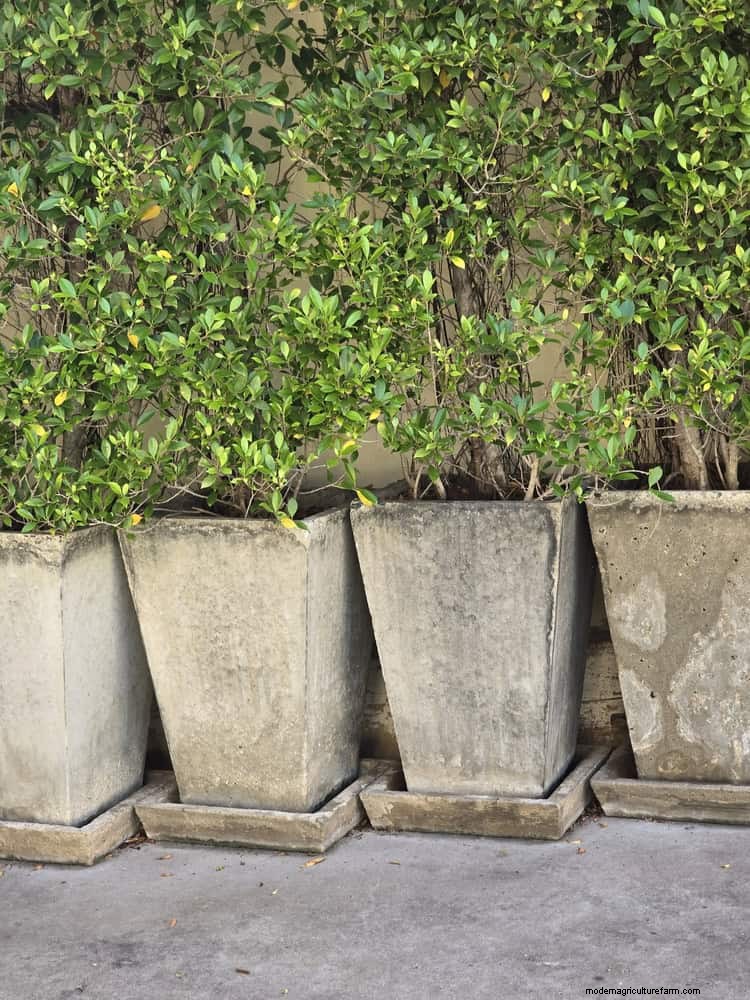
Container-grown trees create movable shade islands that can be positioned exactly where needed. The gentle rustle of dwarf Japanese maple leaves (Acer palmatum varieties) signals summer breezes while creating the perfect environment for shade-loving plants beneath.
The sensory experience extends beyond visual as the smooth, cool bark invites touch on hot summer days. Choose lightweight containers with wheels for maximum mobility, and select appropriate trees for container culture, such as dwarf crape myrtles (Lagerstroemia indica dwarf varieties) or container-friendly conifers.
Position these living umbrellas to shield delicate plants like shooting stars (Dodecatheon meadia) or Virginia bluebells (Mertensia virginica) that go dormant in summer heat but will persist longer with strategic afternoon shade.
 Depositphotos
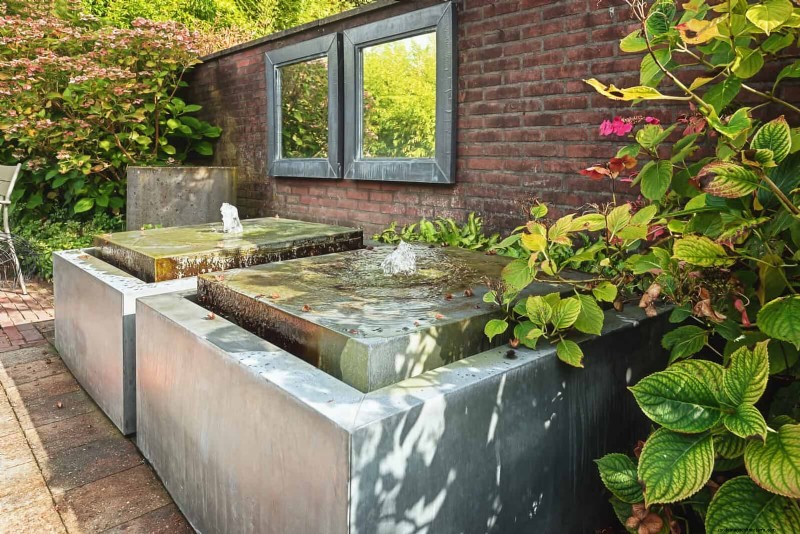
The north side of structures provides consistent shade without the temperature fluctuations that occur on east or west exposures. This cool, even light creates perfect conditions for woodland natives like foamflower (Tiarella cordifolia) with its delicate, star-shaped blooms rising above maple-like foliage.
The microclimate against north walls often feels several degrees cooler, with higher humidity levels that benefit moisture-loving plants. Enhance north-facing areas with light-colored mulch or small pebbles that reflect available light back onto plants.
Add strategically placed mirrors to bounce morning light into these spaces without introducing harsh direct sun. This placement works beautifully for shade-loving spring ephemerals like bloodroot (Sanguinaria canadensis) and trillium (Trillium spp.) that complete their life cycles before tree canopies fully leaf out in natural woodland settings.
 Depositphotos
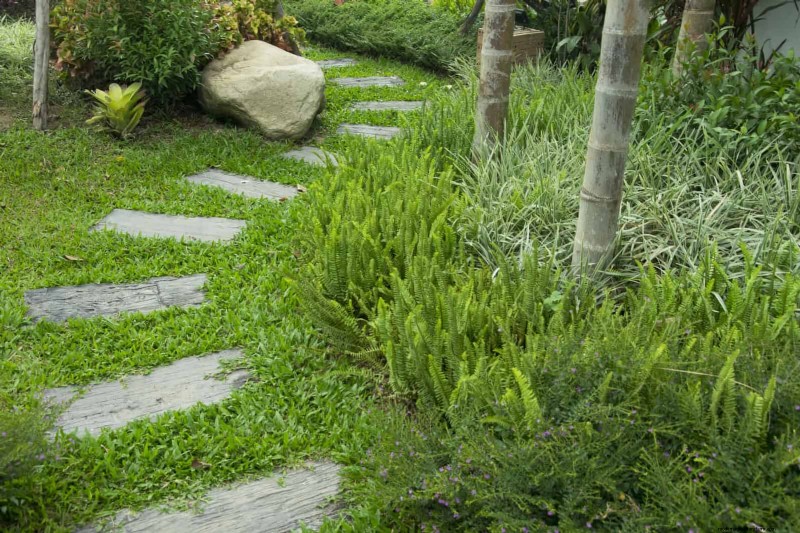
The dappled light beneath deciduous trees mimics natural woodland conditions, perfect for spring ephemerals and summer shade-lovers. The gentle patter of raindrops filtering through tree canopies creates a soothing percussion, while the subtle fragrance of leaf litter decomposing into rich humus adds an earthy dimension to the sensory experience.
The light shifts constantly as leaves move in the breeze, creating a kaleidoscope effect on the forest floor. Design concentric circles of plants beneath trees, positioning the most shade-tolerant varieties, like Christmas fern (Polystichum acrostichoides), nearest the trunk where shade is densest.
Gradually transition to partial shade lovers like coralbells (Heuchera americana) and finally to edge plants like woodland phlox (Phlox divaricata), which can handle dappled light. Remember that tree roots compete for water, so provide supplemental irrigation during establishment and drought periods.
 Depositphotos
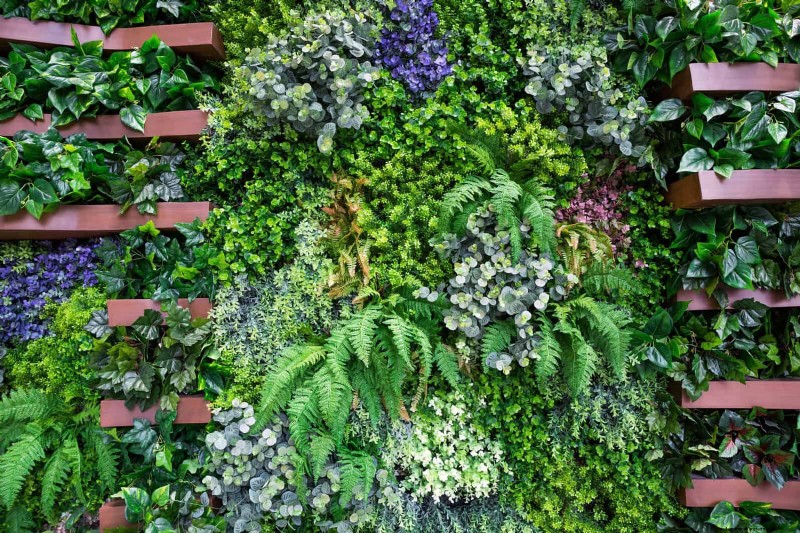
Living walls create natural air conditioning for adjacent garden areas while adding vertical interest. The textural tapestry of different foliage types, from the velvety gray of lamb’s ears (Stachys byzantina) to the glossy heart-shaped leaves of wild ginger (Asarum canadense), adds rich visual complexity.
These structures create distinctly cooler microclimates on their north-facing sides, perfect for plants that would otherwise struggle in summer heat. Construct simple vertical gardens using pocket planters attached to sturdy frames, then position them to cast afternoon shade on heat-sensitive plants.
Fill with shade-tolerant varieties like ferns, sedges, and small hostas that will tolerate the vertical orientation. For a low-maintenance approach, try shade-tolerant succulents like Sedum ternatum (woodland stonecrop), which survive with minimal water once established and provide year-round structure.
 Depositphotos
The most effective shade gardens combine several solutions to address changing conditions throughout the growing season. Start with understanding your site’s specific challenges: which areas receive harsh afternoon sun, where seasonal shade patterns change dramatically, and which plants show signs of sun stress.
Then implement targeted solutions that enhance rather than detract from your garden’s beauty. Remember that most shade-loving plants still need light for photosynthesis; aim for dappled light rather than deep shade for best results.
With thoughtful placement of these shade solutions, you’ll create a garden sanctuary where even the most sensitive plants thrive despite summer’s challenges. The reward comes in lush, vibrant plant communities that bring rich sensory pleasures throughout the growing season.


