Welcome to Modern Agriculture!

Starting seeds in pots indoors gives you a serious head start on the growing season. Instead of waiting until warm weather arrives to put seeds in the ground, you can have sturdy transplants ready to go the moment frost danger passes. According to the Old Farmer’s Almanac, most warm-season crops need anywhere from 4 to 10 weeks of indoor growing time before they’re ready for the garden.
The trick is timing. Count backward from your area’s average last frost date, and you’ll know exactly when to plant each seed. Here are 17 plants that thrive when started in pots now and moved outside after the final freeze.
 DepositPhotos.com
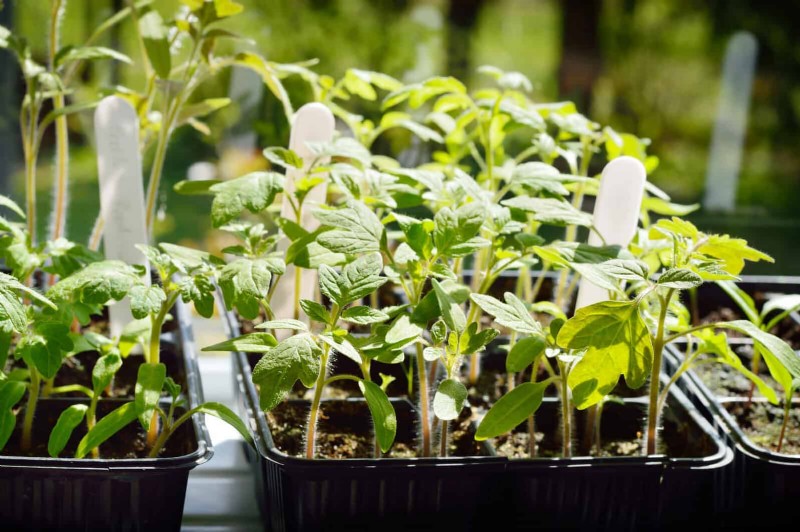
Tomatoes are the gold standard of indoor seed starting. Plant them 6 to 8 weeks before your last frost date, and you’ll have stocky seedlings with thick stems by transplant time.
Give them plenty of light (at least 14 hours a day under grow lights) and keep the soil around 70 degrees Fahrenheit for the best germination rates. Michigan State University Extension recommends potting up seedlings into 3-to-4-inch containers once they develop their first set of true leaves.
One often-overlooked step is burying the stem deeper when you transplant. Tomatoes grow roots along any buried portion of stem, so planting them up to their lowest set of leaves creates a stronger root system right from the start.
 DepositPhotos.com
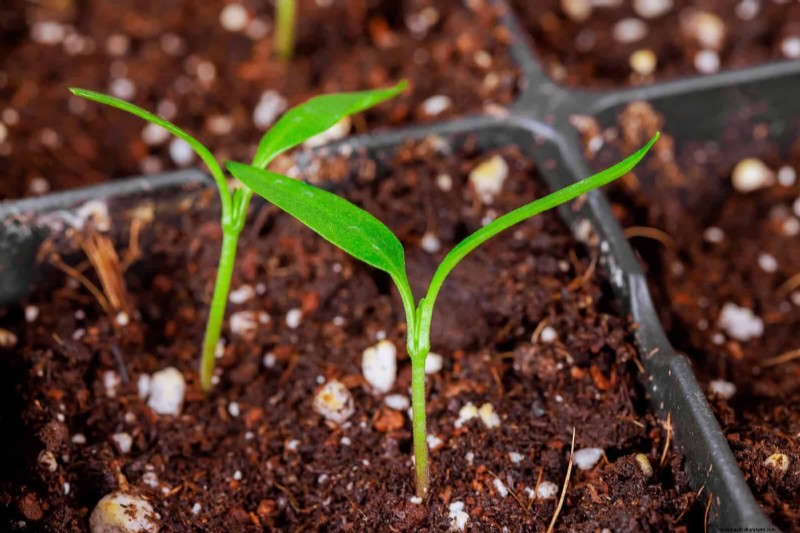
Peppers are slow growers, so they need more indoor time than most vegetables. Start them 8 to 10 weeks before your last frost date to give them enough runway.
Bottom heat makes a real difference here. A seedling heat mat keeps the soil at the 70 to 80 degrees Fahrenheit that pepper seeds need to germinate within two to three weeks. Without it, you could be waiting a month or longer for sprouts to appear.
Both sweet bell peppers and hot varieties like jalapenos follow the same starting schedule. Harden them off gradually over 7 to 10 days before planting out, because peppers are especially sensitive to cold shock.
View on Amazon
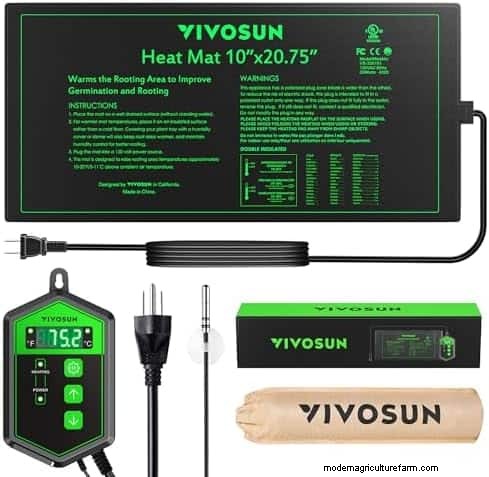
A heat mat and thermostat combo like the VIVOSUN set takes the guesswork out of soil temperature. It’s especially useful for peppers, eggplant, and any other heat-loving seeds that stall in cool conditions. (Amazon)
We'll email it to you so you can read it later!
By saving, you agree to receive occasional emails. Unsubscribe anytime.
 DepositPhotos.com
Eggplant is a heat lover that absolutely needs a head start indoors. Start seeds 8 to 9 weeks before your last frost date, and don’t rush them outside until nighttime temperatures consistently stay above 55 degrees Fahrenheit.
These plants want warm soil (around 75 to 85 degrees) for germination. A heat mat and a sunny south-facing window or grow light setup are your best tools for getting them going strong.
Eggplant seedlings grow slowly at first, then pick up speed once they’re established. Patience pays off here.
See more: 20 March Gardening Tasks You’ll Regret Skipping
You might not think of cucumbers as an indoor-start plant, but giving them 3 to 4 weeks in pots can make a noticeable difference in your harvest timeline. Use peat pots or other biodegradable containers so you can plant the whole thing directly in the ground, since cucumber roots don’t love being disturbed.
Cucumber seeds germinate fast in warm soil, often within just 3 to 5 days. Keep them in a bright spot and avoid overwatering, which can lead to damping off.
Transplant them after the soil has warmed to at least 60 degrees Fahrenheit. They’ll reward you with fruit weeks earlier than direct-sown seeds would.
View on Amazon
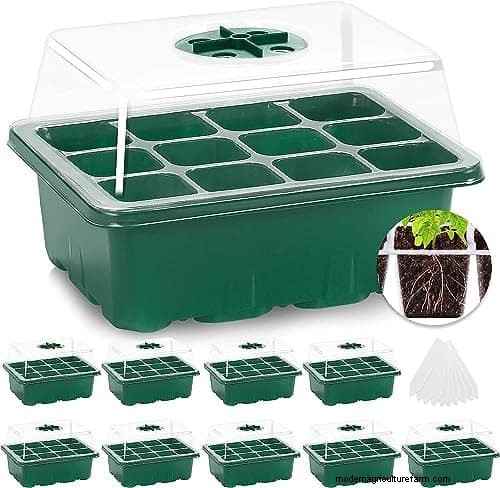
A starter tray kit with a humidity dome helps maintain the warm, moist conditions that cucumber and squash seeds need for quick germination. The individual cells also make transplanting easier when it’s time to move seedlings outside. (Amazon)
Zucchini grows so aggressively that many gardeners skip indoor starting altogether. But if your growing season is short, a 3-to-4-week head start in pots puts you ahead.
Use large pots (at least 3 inches) because zucchini seedlings get big quickly. Sow two seeds per pot and snip the weaker one at soil level after germination.
Handle the roots gently at transplant time. Like cucumbers, zucchini prefers minimal root disturbance, so biodegradable pots work well here too.
Watermelon needs a long, warm season to produce ripe fruit. Starting seeds indoors 3 to 4 weeks before your last frost date gives them critical extra growing time, especially in zones 5 and 6 where summers feel too short for this crop.
Plant seeds about an inch deep in individual pots, and keep the soil between 75 and 85 degrees Fahrenheit. Seedlings should have two to three true leaves before you move them outside.
Pro Tip: Hardening Off Don’t move seedlings straight from your warm windowsill to the garden. Start by placing them outdoors in a sheltered, partly shady spot for just an hour or two. Add more time and sun exposure each day over 7 to 10 days. This gradual transition prevents transplant shock and gives your plants the best chance of thriving in their new home.
Planning a fall pumpkin harvest starts now. Pumpkins need 75 to 100 days to mature depending on the variety, and starting seeds indoors 2 to 3 weeks before your last frost date ensures they have enough time.
Large pots (4 inches or bigger) give pumpkin seedlings room to develop their vigorous root systems. These are big plants with big appetites, so use a quality seed-starting mix.
Transplant once the soil is at least 65 degrees and the seedlings have their first true leaves. Space them generously because pumpkin vines can spread 15 to 20 feet in every direction.
Like watermelon, cantaloupe needs warmth and time. Start seeds indoors 3 to 4 weeks before your last frost, and use individual pots to protect those sensitive roots.
Cantaloupe seedlings need consistent warmth (at least 70 degrees Fahrenheit) and bright light. Leggy, stretched-out seedlings are a sign they need more light or slightly cooler daytime temperatures.
The University of Florida Extension notes that cantaloupe transplants establish best when they go into warm, well-drained soil with plenty of organic matter already worked in.
If you’re working with limited space, take a look at our guide to Container Gardening for Small Spaces and Low Energy.
Tomatillos are an underrated garden crop that deserves a spot on more seed-starting trays. Start them 6 to 8 weeks indoors, just like tomatoes, and treat them almost identically.
You’ll need at least two plants for pollination, since tomatillos are not self-fertile. Plan accordingly when you’re deciding how many pots to start.
These husked fruits grow prolifically once established. A single healthy plant can produce several pounds of tomatillos throughout the summer, perfect for homemade salsa verde.
 DepositPhotos.com
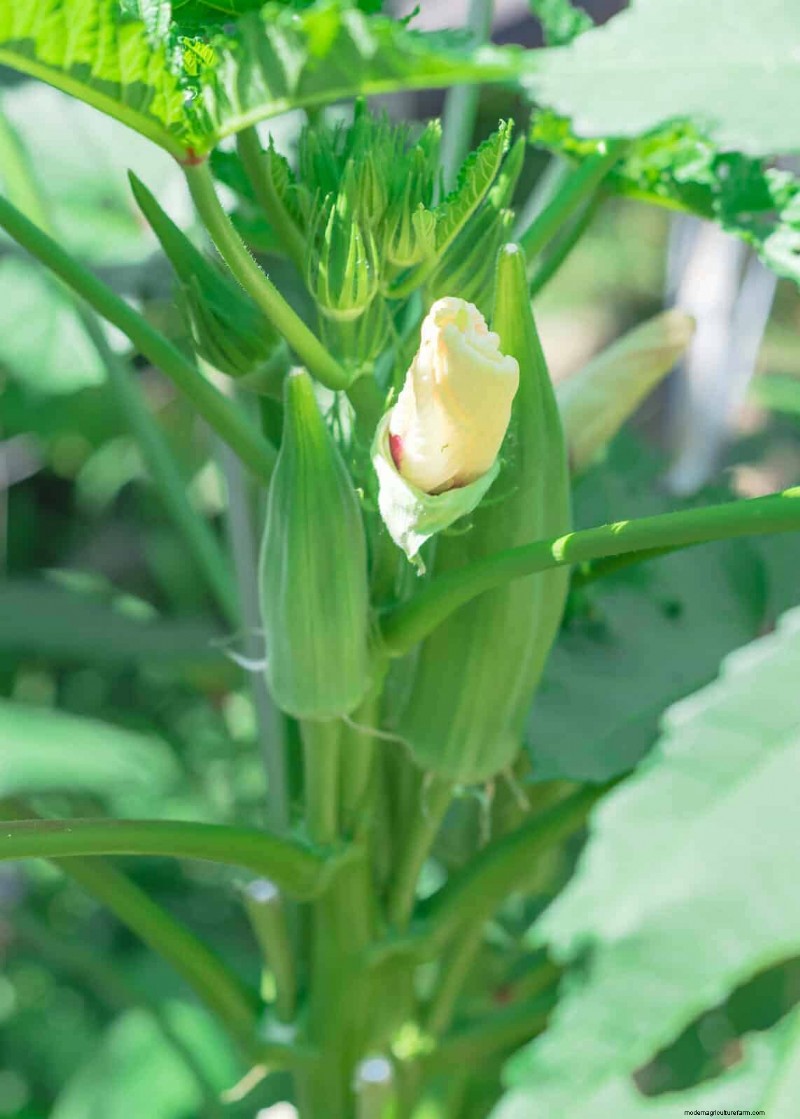
Okra is a warm-season crop that thrives in heat but germinates slowly in cool soil. Starting seeds indoors 4 to 6 weeks before your last frost gives them the warmth they need to get going.
Soak okra seeds overnight before planting to soften their tough outer coating. This simple step can cut germination time nearly in half.
Use deep pots (at least 4 inches) because okra develops a long taproot early. Transplant after soil temperatures reach 65 degrees Fahrenheit, and these plants will reward you with pods all summer long.
Seed Starting Supply Checklist
 DepositPhotos.com
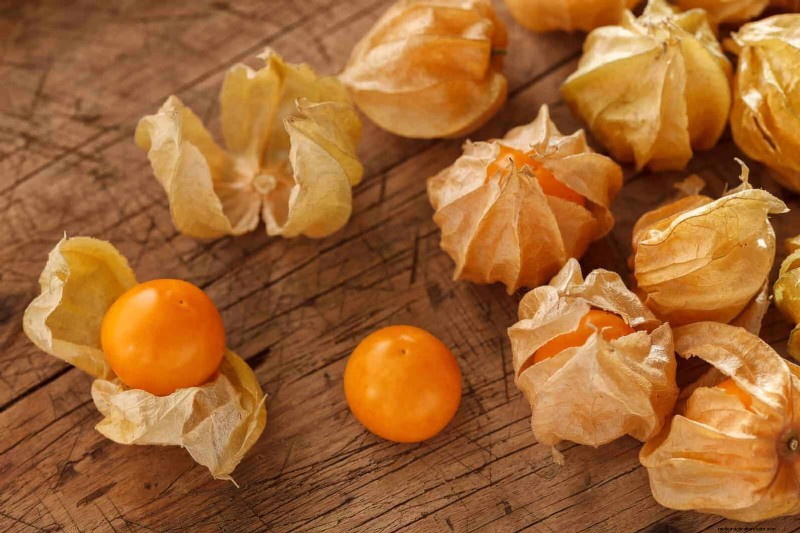
If you’ve never grown ground cherries, you’re missing out on one of the garden’s sweetest surprises. These small, husked fruits taste like a cross between pineapple and vanilla, and they grow on bushy plants that are easy to manage.
Start seeds indoors 6 to 8 weeks before your last frost date. They germinate and grow much like tomatoes, so if you can start tomato seeds successfully, ground cherries will feel familiar.
The plants produce dozens of marble-sized fruits that drop to the ground when ripe. Just peel back the papery husk and enjoy them straight from the garden.
 DepositPhotos.com
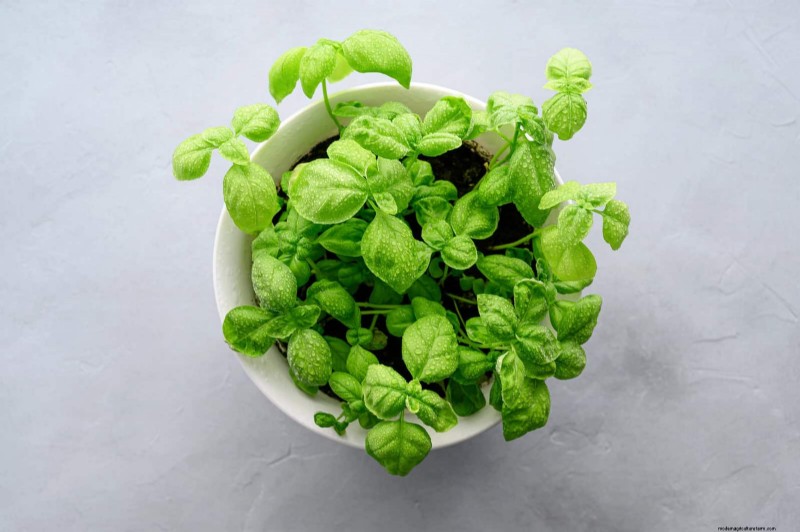
Basil is the most popular herb to start indoors, and for good reason. It’s fast-growing, incredibly useful in the kitchen, and easy to germinate on a sunny windowsill.
Start basil seeds 4 to 6 weeks before your last frost date. Press the seeds gently onto the surface of moist soil rather than burying them deeply; they need light to germinate. The University of Maryland Extension recommends keeping soil temperatures between 65 and 70 degrees for the quickest sprouting.
Wait until nighttime temperatures are reliably above 50 degrees before transplanting. Basil turns black at the first hint of frost, so err on the side of caution.
 DepositPhotos.com
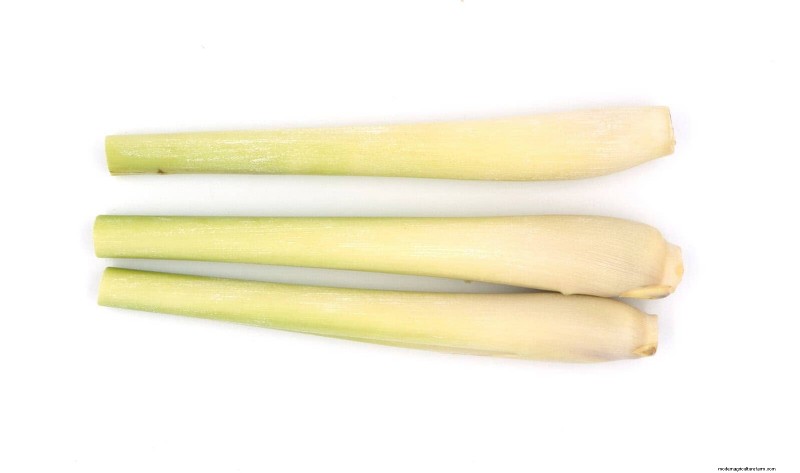
Lemongrass isn’t a plant most people think to start from seed, but it’s well worth the effort. This tropical herb adds bright citrus flavor to soups, teas, and stir-fries, and it doubles as a gorgeous ornamental grass in the garden.
Start lemongrass from seed 8 to 10 weeks before your last frost date, or root fresh stalks from the grocery store in a glass of water. The stalks-in-water method is faster and nearly foolproof.
Transplant after all frost danger has passed. Lemongrass needs full sun and warm temperatures to thrive, but once established, a single clump can produce enough stalks for an entire season of cooking.
 DepositPhotos.com
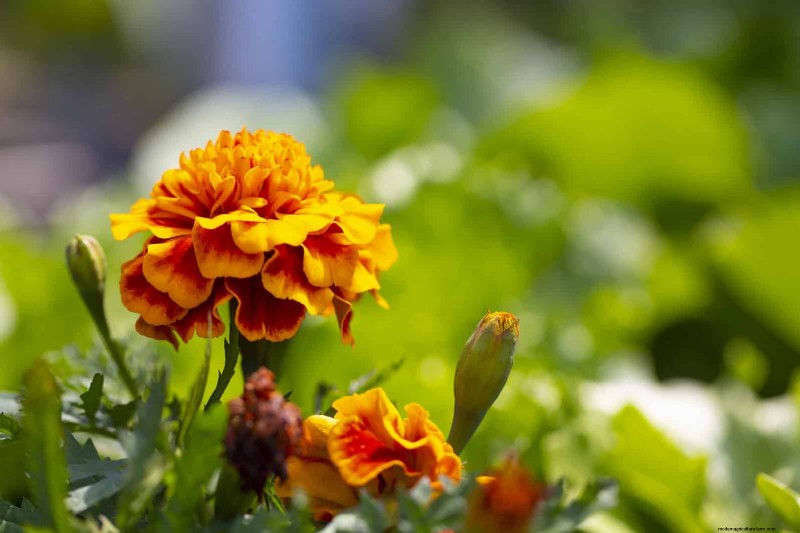
Marigolds are one of the easiest flowers to start from seed indoors. Plant them 6 to 8 weeks before your last frost, and you’ll have blooming transplants ready for the garden on planting day.
These cheerful flowers do more than look good. They’re known to repel certain garden pests, and many vegetable gardeners plant them as companions alongside tomatoes and peppers.
Marigold seeds germinate in about a week and grow quickly. Pinch back the first flower buds to encourage bushier growth and more blooms throughout the season.
Looking for more fast results in the garden? Check out Plants That Give You Quick Wins: Fast-Growing Varieties for Instant Satisfaction.
 DepositPhotos.com
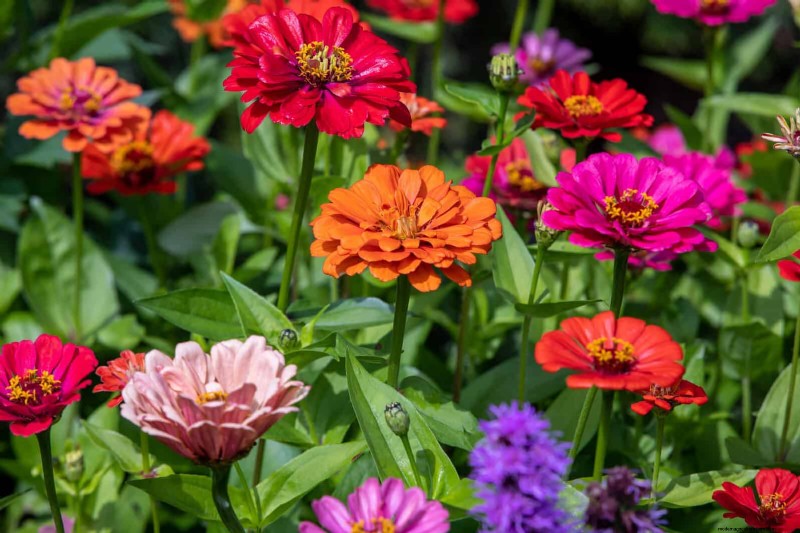
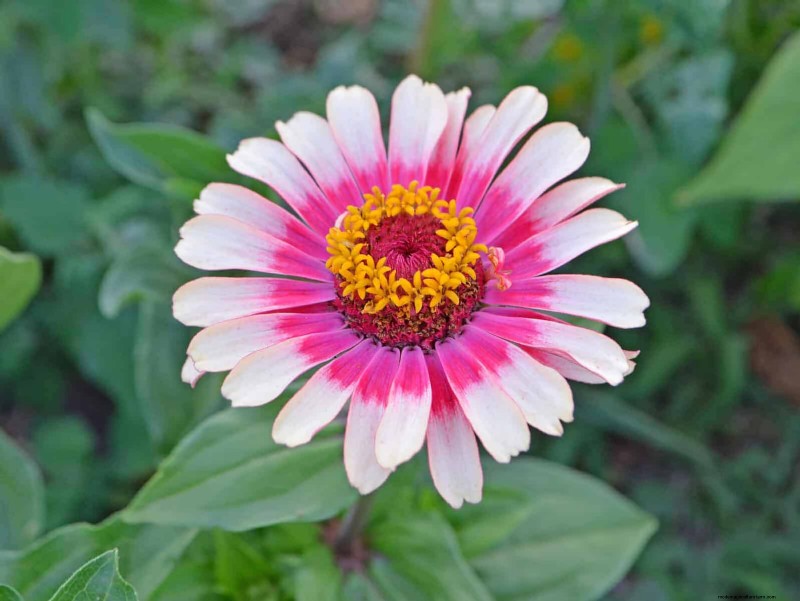
Zinnias are a cut-flower favorite that benefit from an indoor start in colder climates. Start them just 4 to 6 weeks before your last frost date, since they grow quickly and don’t like getting rootbound.
These flowers come in an incredible range of colors, sizes, and shapes. Tall varieties like ‘Benary’s Giant’ can reach three feet and produce blooms perfect for bouquets.
Transplant into full sun after the last frost. Zinnias are heat lovers that actually perform better in the warmest part of summer, making them a low-maintenance choice for sunny garden beds.
 DepositPhotos.com
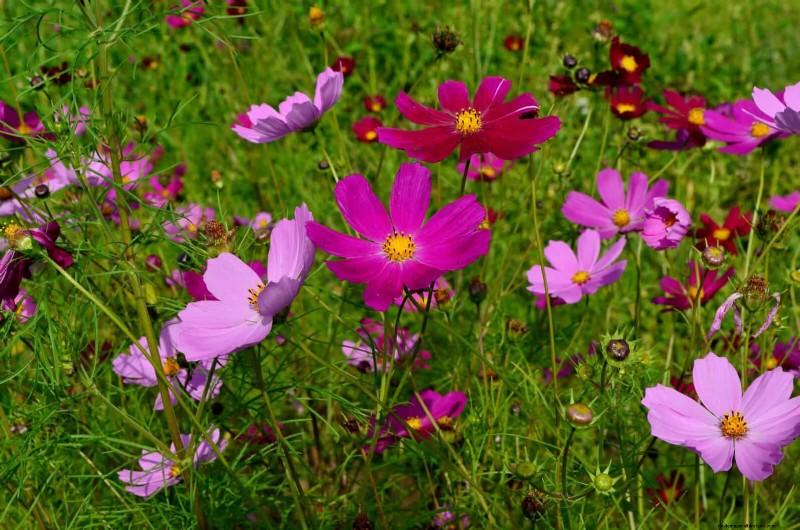
Cosmos seeds are large, easy to handle, and germinate within a week. Start them indoors 4 to 5 weeks before your last frost date for the earliest possible blooms.
These flowers practically grow themselves once transplanted. They prefer lean soil (too much fertilizer produces lots of foliage but few flowers) and full sun.
Cosmos attract pollinators like bees and butterflies, making them a great addition near your vegetable garden. They bloom continuously from early summer until the first fall frost, providing months of color with almost zero effort.
 DepositPhotos.com
Celosia produces some of the most striking flower forms in the garden, with varieties ranging from feathery plumes to velvety crested shapes that look almost like coral. Start seeds indoors 6 to 8 weeks before your last frost date.
These warm-season flowers need soil temperatures of at least 60 degrees for germination. A heat mat helps significantly, just as it does with peppers and eggplant.
Celosia makes an outstanding cut flower that lasts two weeks or more in a vase. The blooms also dry beautifully, holding their vivid reds, oranges, and purples for months in dried arrangements.
Getting these plants started in pots now means you’ll be weeks ahead of gardeners who wait to direct-sow after the last frost. The investment of a few trays, some potting mix, and a little counter space pays off in a longer harvest season and stronger, more established plants.
Mark your calendar, grab your seed packets, and start planting. Your future garden will thank you.