Welcome to Modern Agriculture!

April is one of the best times to get perennials in the ground. The soil has thawed, overnight temperatures are climbing, and your plants will have weeks of mild weather to establish roots before summer heat arrives.
The key is buying nursery starts or potted transplants rather than starting from seed, especially as seed-grown coneflowers can take two to three years to bloom, while nursery transplants often flower the same season. This list covers 21 perennials that respond well to April planting and can give you color in year one.
 DepositPhotos.com
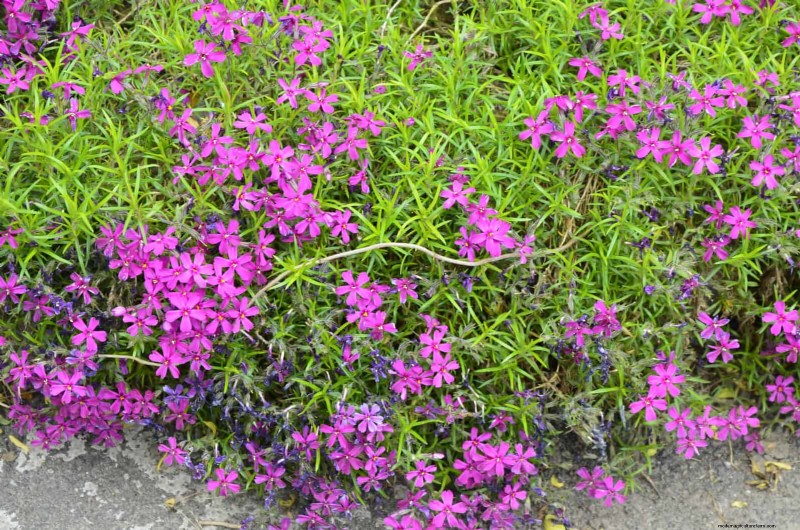
Creeping phlox is often the first perennial to put on a serious show each spring. Plant it in April and you may have blooms within weeks, with starry flowers in lavender, hot pink, and white covering a low mat of foliage just 4 to 6 inches tall.
Give it full sun and well-drained soil and it will thrive almost anywhere. Hardy in zones 3 to 9, the needle-like evergreen foliage stays tidy all year. A light trim after bloom keeps it compact for the following spring.
 DepositPhotos.com
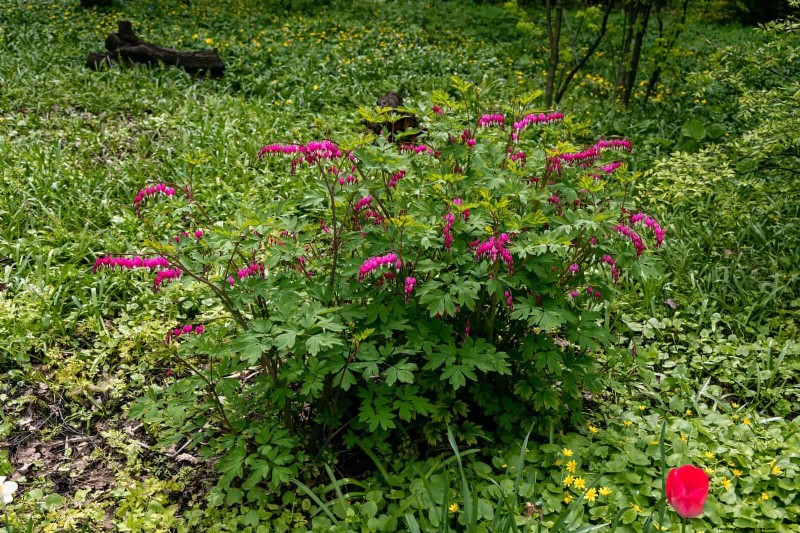
Those arching stems loaded with pendant, heart-shaped flowers can stop a visitor in their tracks. Plant nursery starts in April and expect blooms by May or June. Hardy in zones 3 to 9, bleeding heart thrives in partial to full shade with moist, humus-rich soil.
The classic variety goes dormant in summer heat, so plant hostas or ferns nearby to fill the gap. For longer bloom, look for fringed varieties (Dicentra eximia), which stay in flower much longer. Both types are deer and rabbit resistant.
We'll email it to you so you can read it later!
By saving, you agree to receive occasional emails. Unsubscribe anytime.
 DepositPhotos.com
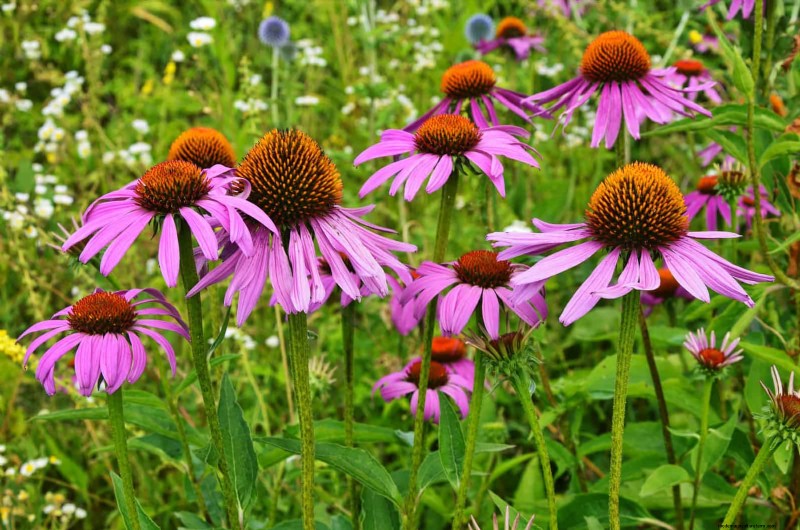
Coneflower handles poor soil, tolerates drought, resists deer, and blooms from midsummer into fall. Hardy in zones 3 to 9, it gives you color when many spring bloomers have finished. Buy transplants that already show buds developing for the best chance of first-year flowers.
Leave the seed heads standing in winter and you’ll attract goldfinches too. Coneflowers self-seed prolifically, so a single plant can become a small colony over a few years.
 DepositPhotos.com
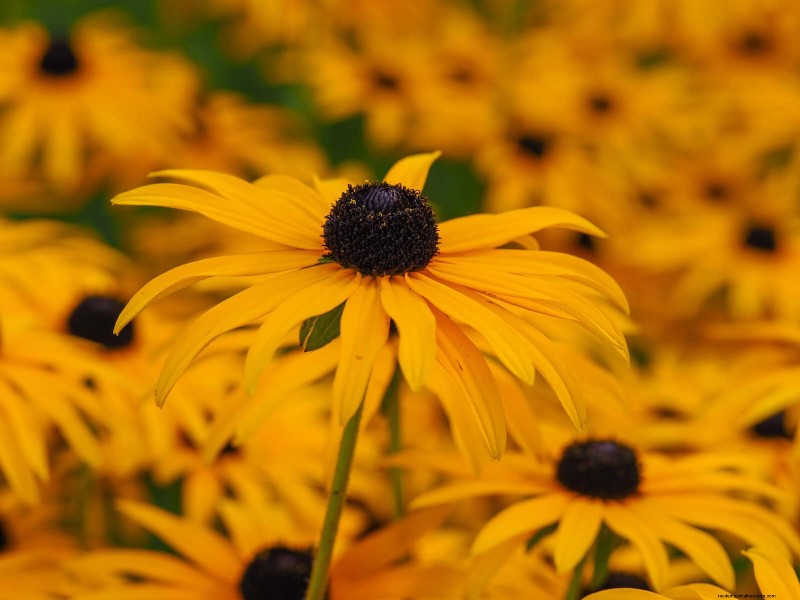
The Old Farmer’s Almanac notes that black-eyed Susans generally bloom from June through September, making them one of the longest-performing summer perennials. Planted in April, nursery transplants will be in full stride by early summer.
For reliable perennial returns, look for Rudbeckia fulgida ‘Goldsturm’ at the nursery. Plant in full sun, space 18 inches apart, and deadhead to keep blooms coming.
 DepositPhotos.com
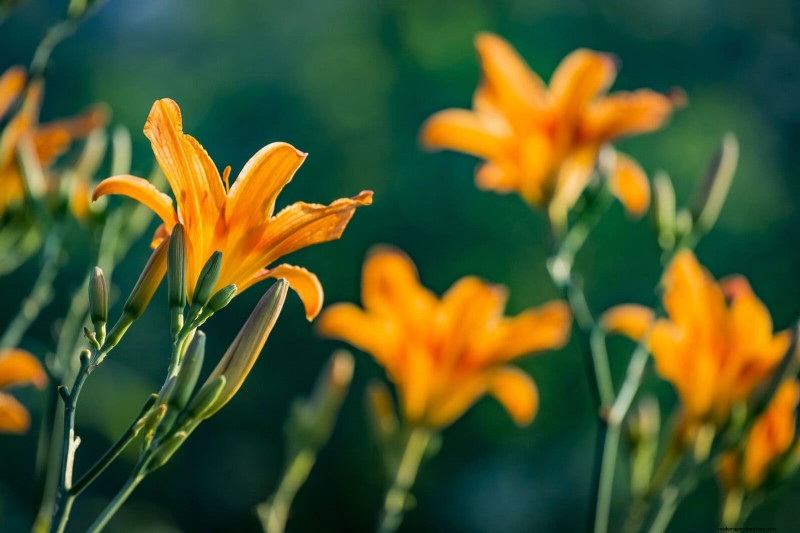
Daylilies grow in nearly any soil, tolerate drought, thrive in heat, and spread on their own over time. Each flower lasts a single day, but dozens of buds keep the show going for weeks. Plant in April and expect blooms by midsummer.
Modern hybrids come in cream, coral, burgundy, deep red, and nearly purple. Divide every few years for free plants. For tips on other spring garden tasks, take a look at 20 March Gardening Tasks You’ll Regret Skipping.
 DepositPhotos.com
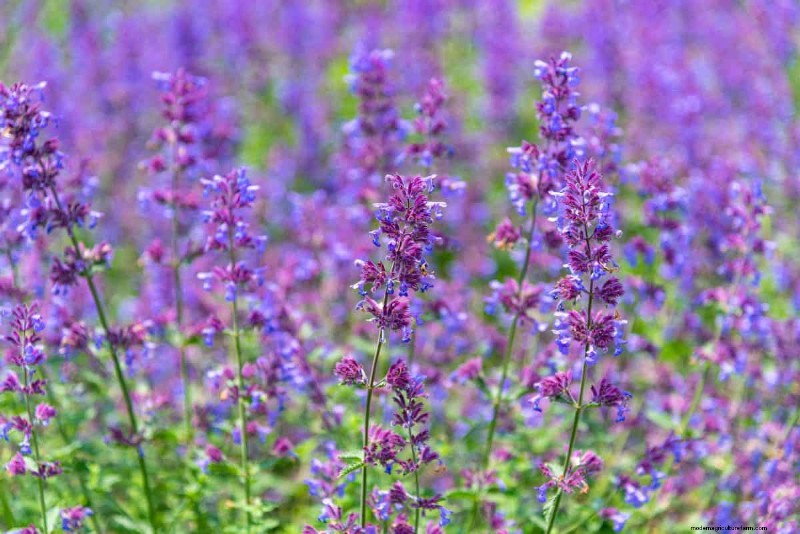
Catmint forms soft, mounding clumps of gray-green foliage covered in waves of lavender-blue flowers from late spring through fall. Pretty Purple Door found it to be one of the longest-blooming border plants available.
Shear it back by half after the first flush fades, and it rebounds with fresh flowers within weeks. Hardy in zones 3 to 8, it’s drought-tolerant and deer-resistant. Plant in full sun with well-drained soil.
 DepositPhotos.com
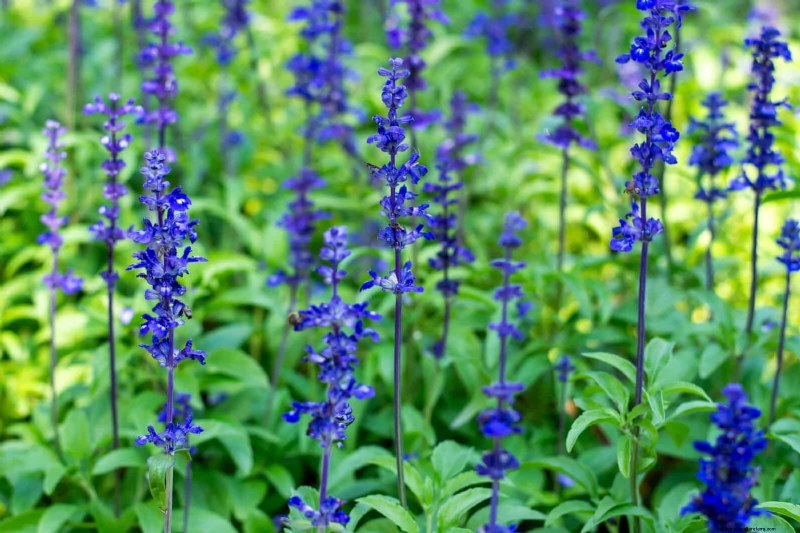
Perennial salvia delivers saturated blue-purple color in the early summer garden. The variety ‘May Night’ produces deep bluish-purple spikes starting in April or May. Full sun, lean soil, and excellent drainage suit it perfectly.
Like catmint, it rewards a post-bloom cutback with a fresh flush of flowers in late summer. Hardy in zones 4 to 9, the plant tolerates drought and resists deer.
 DepositPhotos.com
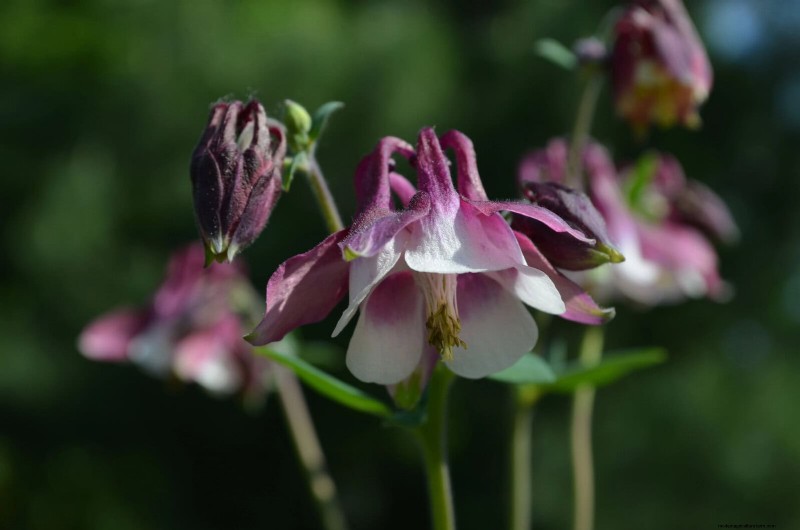
Columbine’s two-tiered, spurred flowers come in virtually every color of the rainbow. Hardy in zones 3 to 9, it thrives in partial shade, making it one of the few truly colorful options for areas without full sun. Plant in April for blooms by late spring.
The wild native columbine (Aquilegia canadensis) is an excellent hummingbird plant. Columbine self-seeds freely and tends to produce surprising color combinations in subsequent generations.
 DepositPhotos.com
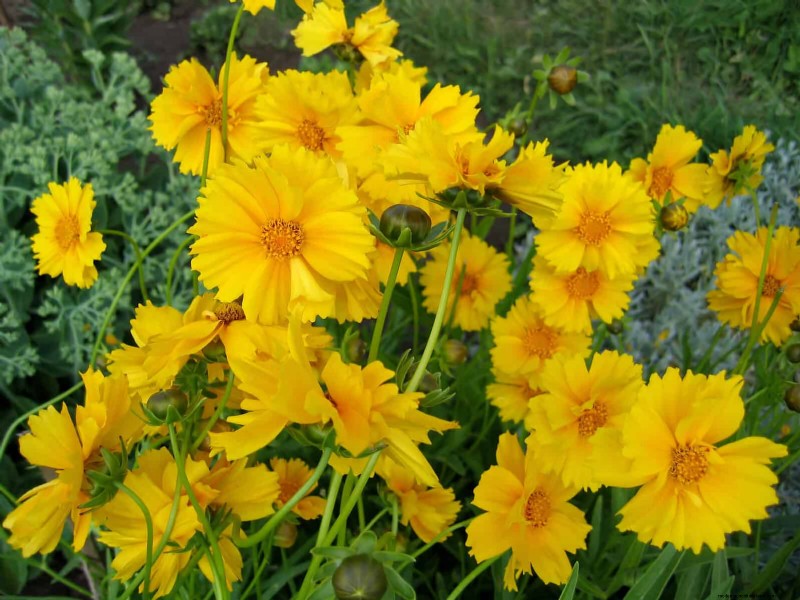
Coreopsis blooms from early summer all the way to the first frosts, especially with regular deadheading. Homes and Gardens describes it as one of the longest-flowering perennials available. It’s drought-tolerant and thrives in full sun.
The threadleaf variety ‘Moonbeam’ offers a softer, airier effect with pale yellow flowers. Hardy in zones 3 to 9, it’s also known as Florida’s state wildflower.
 DepositPhotos.com
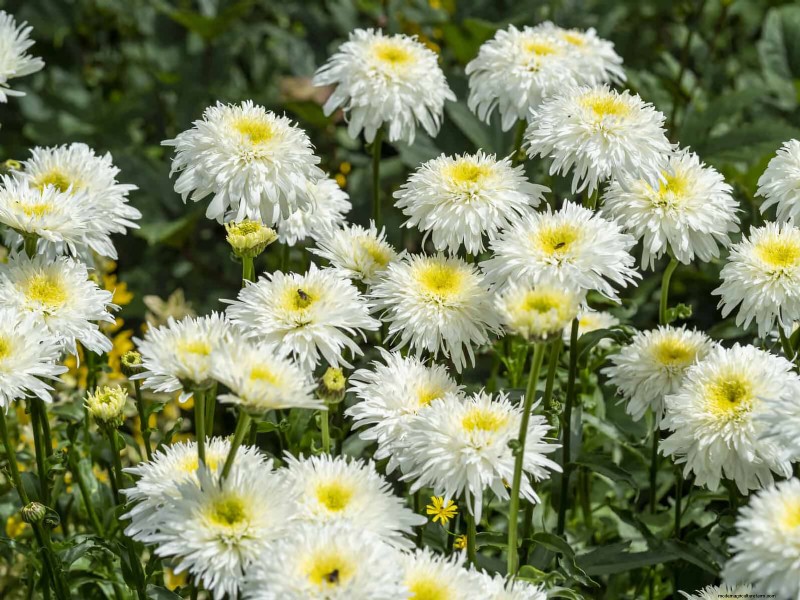
Classic white petals, bright yellow centers, and long straight stems make Shasta daisy a garden staple. Plant in April and expect reliable blooms from early to midsummer. Hardy in zones 4 to 9, newer varieties like ‘Becky’ handle heat and humidity well.
Divide every two to three years to keep plants vigorous. The flowers also make excellent, long-lasting cut flowers.
 DepositPhotos.com
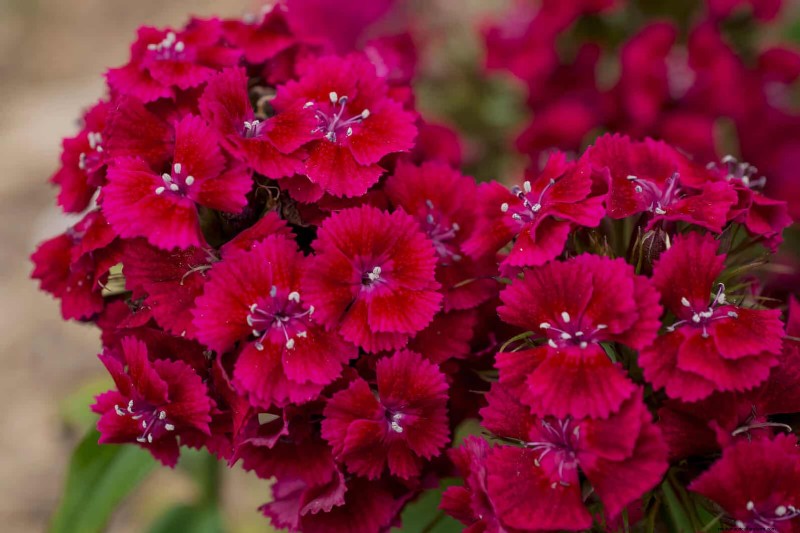
Dianthus brings a spicy, clove-like fragrance in shades of rose, pink, red, white, and bicolor. It blooms best in cool spring temperatures, which is exactly why April planting pays off. Hardy in zones 3 to 9, it reaches 10 to 15 inches tall.
Give it full sun, slightly alkaline soil, and avoid heavy mulching around the crown. A trim after the first flush often encourages a second round of flowers.
 DepositPhotos.com
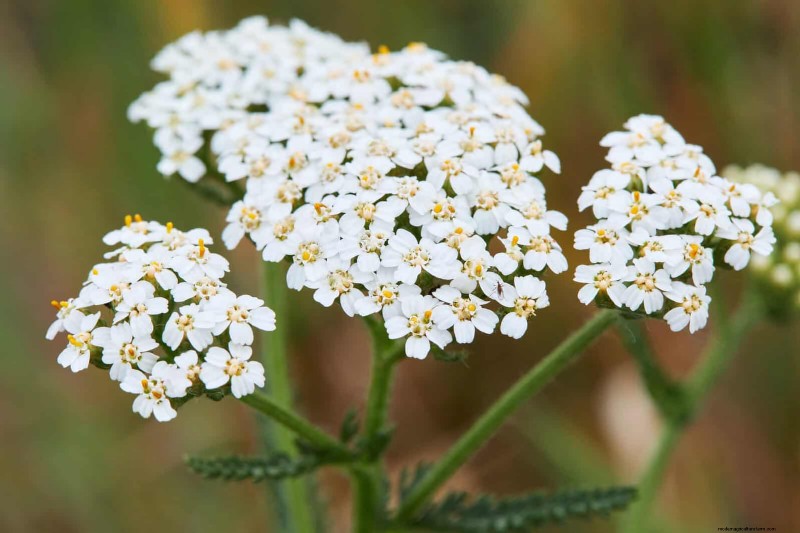
Yarrow handles rocky soil, dry slopes, and full sun with no irrigation. The flat-topped flower clusters come in yellow, red, pink, white, and orange, blooming from early summer through fall and considered hardy in zones 3 to 9.
Avoid fertilizing: too much nutrition produces floppy stems and fewer flowers. Looking to fill your garden’s challenging spots? See 24 Beautiful Plants That Actually Thrive Under Large Trees for ideas.
 DepositPhotos.com
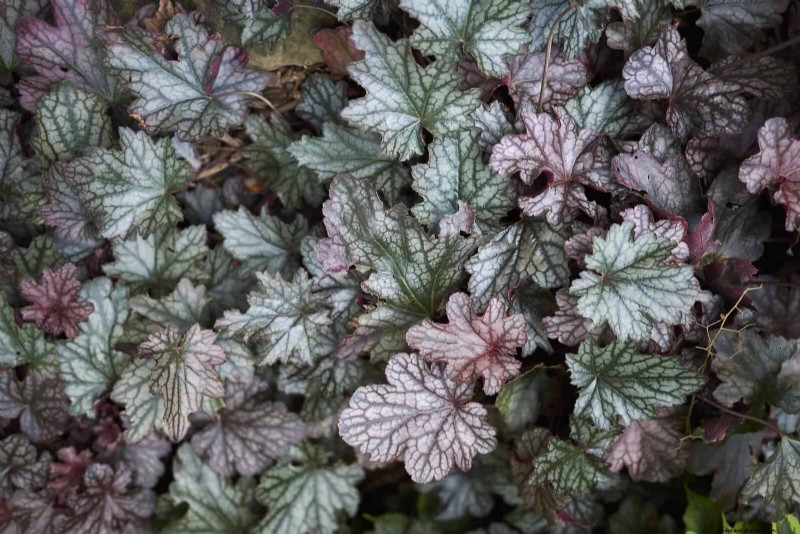
Coral bells offer extraordinary foliage in deep burgundy, lime green, copper, silver-streaked, and caramel. The tiny bell-shaped flowers attract hummingbirds in late spring and early summer and are hardy in zones 3 to 8 in partial shade.
The foliage looks excellent from the moment new growth emerges, giving you value long before and after bloom. Pair with hostas and ferns in shaded borders.
 DepositPhotos.com
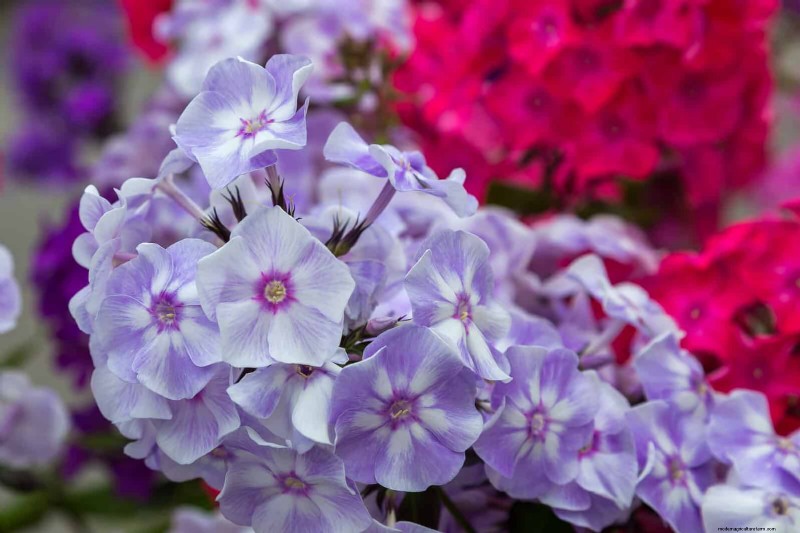
Garden phlox grows to about 3 feet tall and produces large, fragrant flower clusters in pink, purple, white, and bicolor from midsummer through late summer. Hardy in zones 4 to 8, the scent on a warm evening is worth planting it for on its own.
Choose mildew-resistant cultivars like ‘David’ (white) or ‘Robert Poore’ (purple-pink) and give plants good air circulation.
 DepositPhotos.com
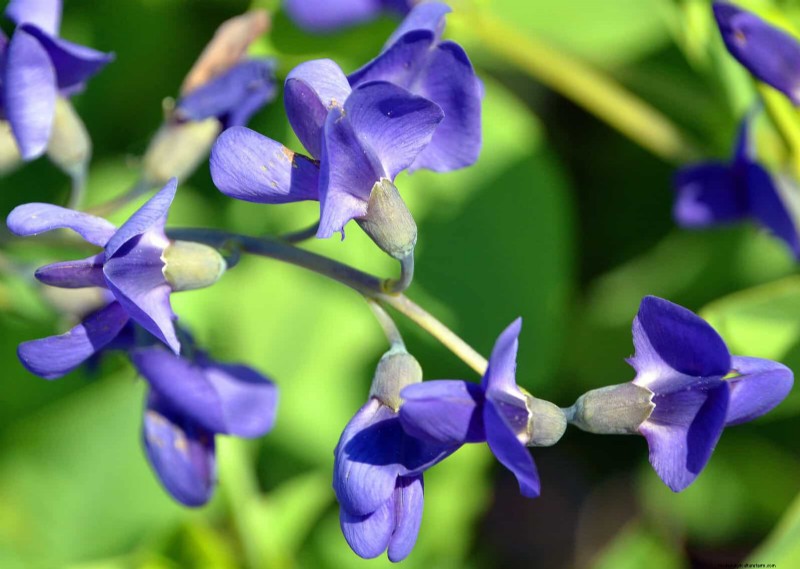
Baptisia blooms in late spring with tall spikes of deep indigo-blue flowers and develops into a large, shrub-like clump over several years. Nature Hills Nursery notes that it breaks dormancy early, needs no staking, and hosts specialist butterflies.
It develops a deep taproot and does not like to be moved, so choose its spot carefully. Hardy in zones 3 to 9, it’s also drought-tolerant and deer-resistant.
 DepositPhotos.com
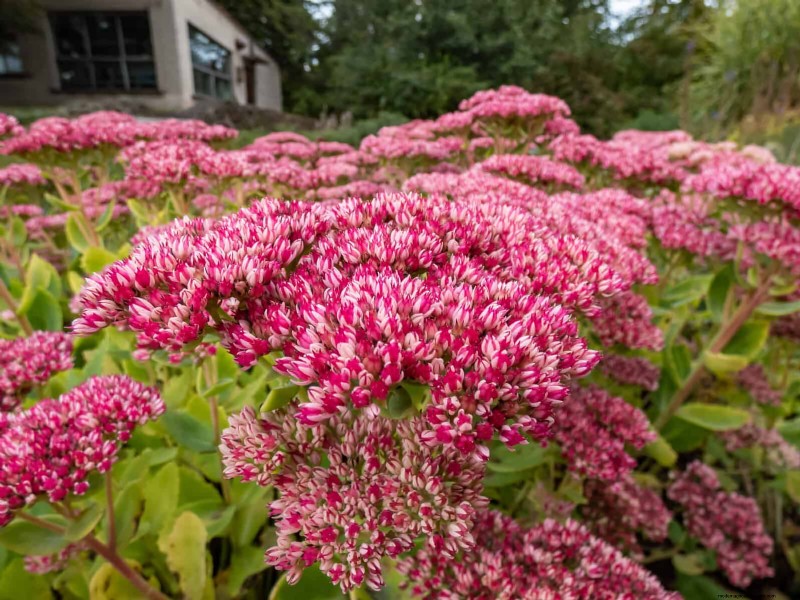
Sedum ‘Autumn Joy’ (hardy in zones 3 to 9) earns its keep from the moment it emerges in spring with attractive succulent foliage. The flower heads open pink in late summer and deepen to copper-red as frost approaches.
Drought-tolerant, handles poor soil, and thrives in full sun. Pinch stems back by a third in late spring for more compact growth. The late-season flowers are irresistible to bees and butterflies.
 DepositPhotos.com
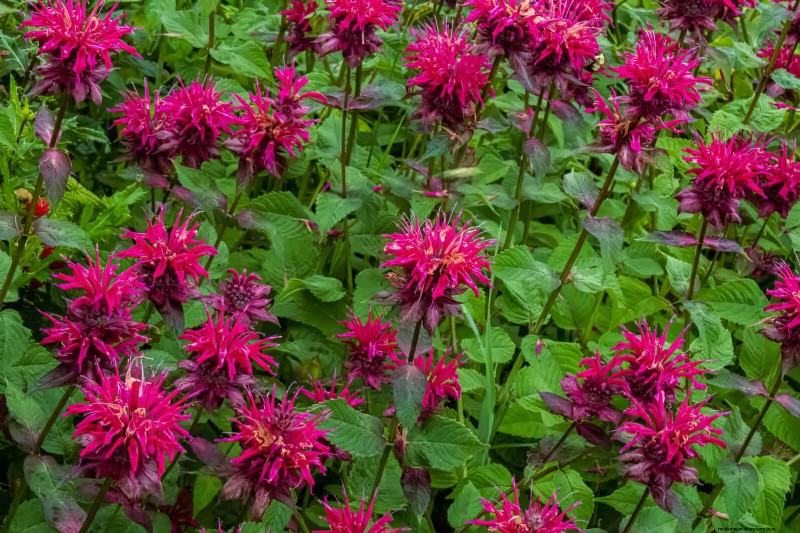
Bee balm’s shaggy, crown-shaped flowers in red, pink, purple, and white are absolute magnets for hummingbirds, bees, and butterflies. Plant in April and expect blooms by July. This perennial is hardy in zones 3 to 9 in full sun to light shade.
Choose mildew-resistant varieties like ‘Jacob Cline’ (red) or ‘Marshall’s Delight’ (pink). It spreads by rhizomes, so divide every two to three years to manage it.
 DepositPhotos.com
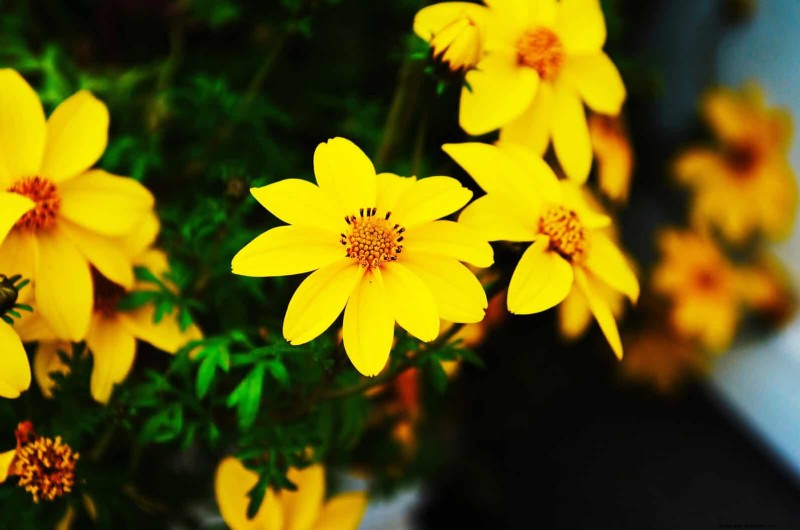
‘Moonbeam’ offers a delicate, airy cloud of soft pale yellow blooms from June all the way to frost. The fine, threadlike foliage is elegant even before flowers appear. It grows about 18 inches tall and wide, perfect for the front of a border.
Hardy in zones 3 to 9 and remarkably drought-tolerant, it does not require frequent deadheading to rebloom. Pair with salvias or catmint for a cool yellow-against-purple contrast.
 DepositPhotos.com
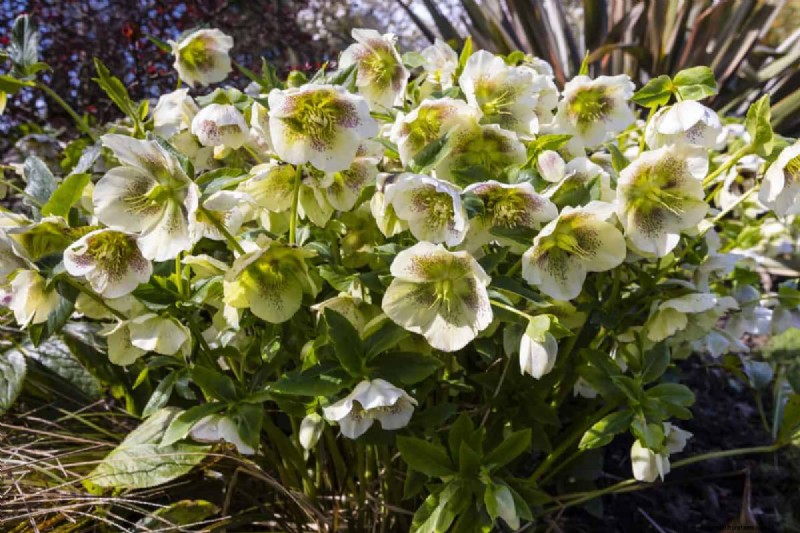
Hellebores (hardy in zones 3 to 9) push up flowers while snow is still a possibility, blooming in shades of white, cream, pink, deep plum, and nearly black. They prefer dappled shade beneath deciduous trees.
Petitti Garden Centers notes that hellebore flowers can last into June. They’re deer-resistant, pest-free, and self-seed to form colonies with subtle color variations over time.
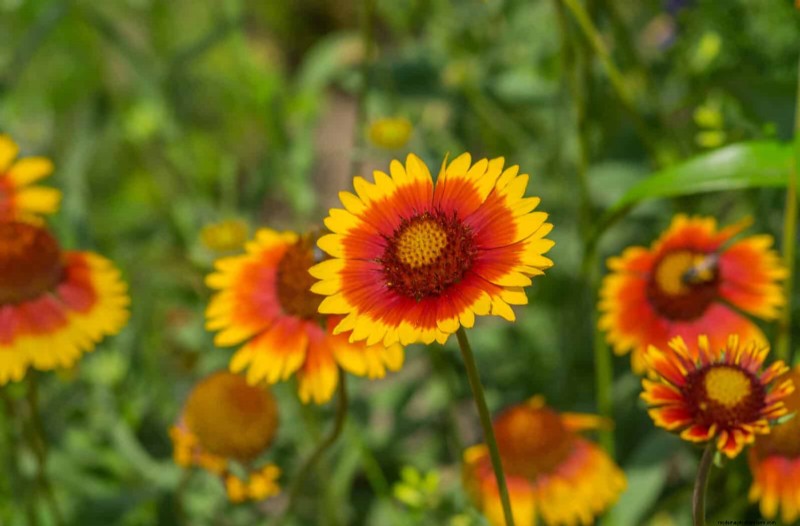
Blanket flower (hardy in zones 3 to 10) combines red, orange, and yellow in bold patterns that bloom from early summer to frost, even in poor, dry soil. The one thing it will not tolerate is wet soil in winter, which can cause crown rot.
It tends to be short-lived (three to four years) but self-seeds readily. Deadhead regularly or shear back by a third in midsummer for a fresh wave of color.
 DepositPhotos.com
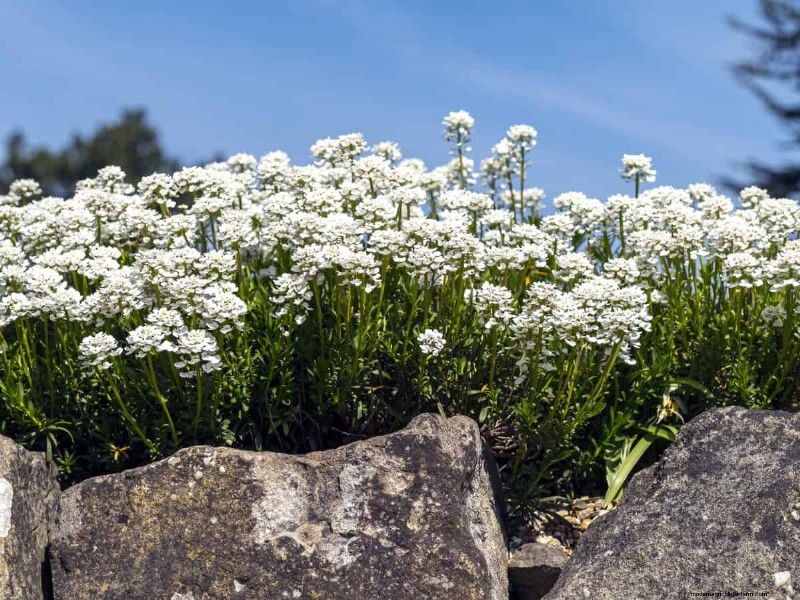
Candytuft produces a carpet of pure white blooms from March or April through summer. The dark green evergreen foliage remains attractive all year-round. Hardy in zones 3 to 9, it prefers full sun and grows best in well-drained soil.
It works beautifully at border edges, in rock gardens, or tumbling over retaining walls. Birds and Blooms highlights it as one of the earliest and longest-performing spring options.
Quick Tips for First-Year Blooms
A well-chosen mix from this list can carry color in your garden from May through October. If rabbits are a concern, check out How to Stop Rabbits From Eating Your Spring Garden before they get a head start.