
Welcome to Modern Agriculture!

 Depositphotos.com
Smart gardening isn’t just about growing beautiful plants. It’s also about being kind to our planet by reusing everyday items instead of throwing them away. Gardening can get expensive with all those special pots, tools, and supplies.
But guess what? Your home is full of perfect gardening treasures waiting for a second life. Let’s look at 15 common items you can reuse in your garden and save money while helping the environment.
 Depositphotos.com
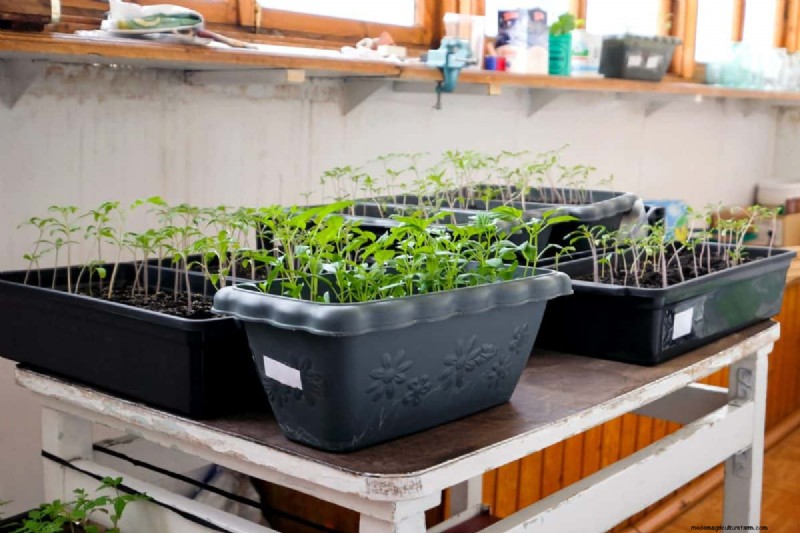
Those plastic containers from takeout meals, rotisserie chickens, and salad mixes make perfect mini greenhouses for starting seeds. Just wash them thoroughly, poke a few drainage holes in the bottom, add soil, and plant your seeds. The clear lids create a perfect environment for germination.
Yogurt containers, soda bottles cut in half, and plastic fruit containers work great too. Label them with a permanent marker so you remember what you planted. This simple trick saves money on seed-starting kits and keeps plastic out of landfills.
 Depositphotos.com
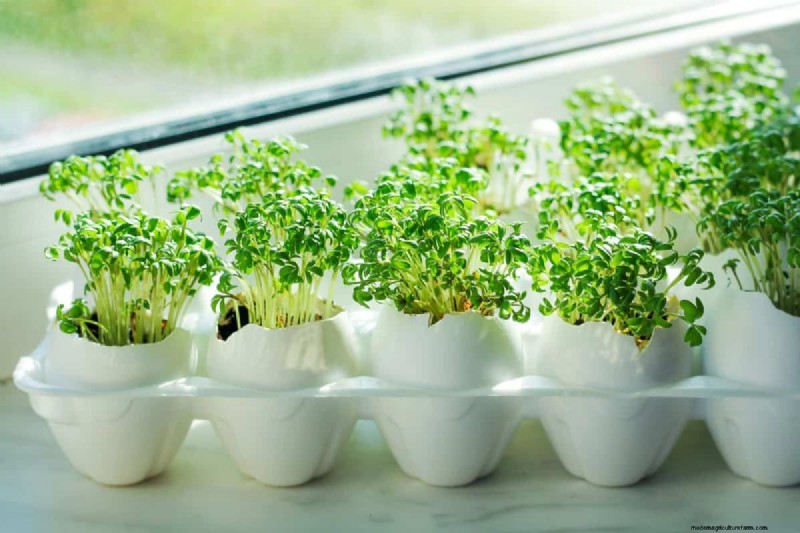
Instead of tossing eggshells in the trash, rinse them out and save the halves. They make perfect biodegradable seed starters that can go directly into the garden. Simply fill each clean half-shell with seed starting mix, plant your seed, and place in an egg carton until ready to transplant.
The calcium in the shells breaks down in soil and feeds your growing plants. This works especially well for small seeds like herbs and lettuce. Just crack the bottom slightly before planting so roots can easily grow through.
We'll email it to you so you can read it later!
By saving, you agree to receive occasional emails. Unsubscribe anytime.
 Shutterstock.com
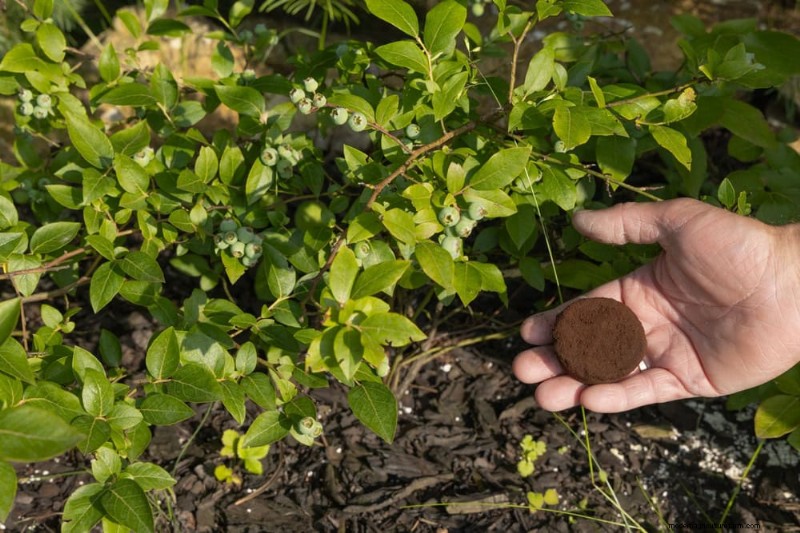
Your morning coffee ritual creates a garden gold mine. Used coffee grounds work as an excellent fertilizer, especially for acid-loving plants like blueberries, azaleas, and roses. They add nitrogen to the soil as they break down and improve soil structure.
Sprinkle used grounds directly around plants or add them to your compost pile. Some gardeners make “coffee tea” by steeping used grounds in water overnight and using the liquid as a gentle fertilizer. Many coffee shops even give away bags of used grounds for free if you ask.
 Depositphotos.com
Before you recycle that stack of newspapers, consider putting them to work in your garden. Layers of newspaper make an excellent weed barrier when placed around established plants and covered with mulch. The paper blocks light to prevent weed growth while slowly decomposing and adding organic matter to the soil.
Most modern newspapers use soy-based inks that are safe for the garden. Avoid glossy inserts or colored pages, as these may contain heavy metals. A layer about 5-10 sheets thick works best and will last an entire growing season.
 Depositphotos.com
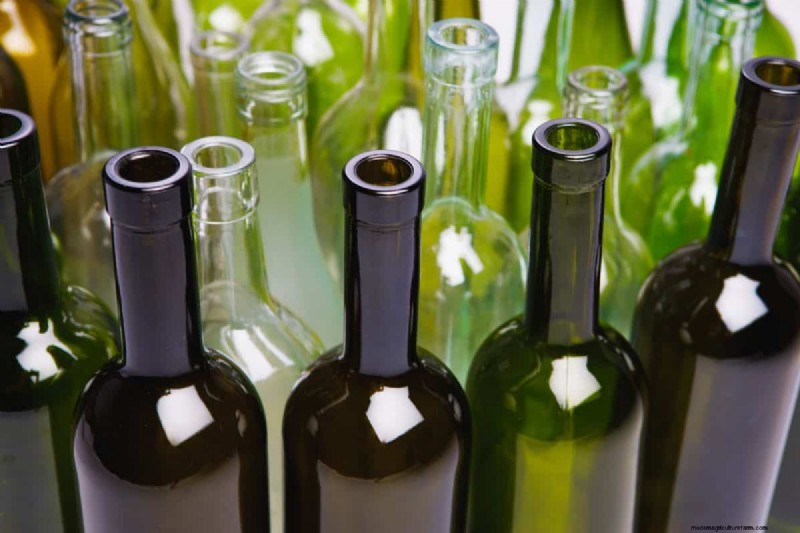
Empty wine bottles can create beautiful, colorful garden borders when partially buried neck-down in the soil. They catch light beautifully and add a touch of whimsy while clearly defining garden beds. Green and blue bottles look particularly striking in the garden.
For best results, bury bottles about one-third of the way into the soil. They work well along pathways and around flower beds. Some gardeners even use them to create bottle trees or other decorative garden art.
 Shutterstock.com
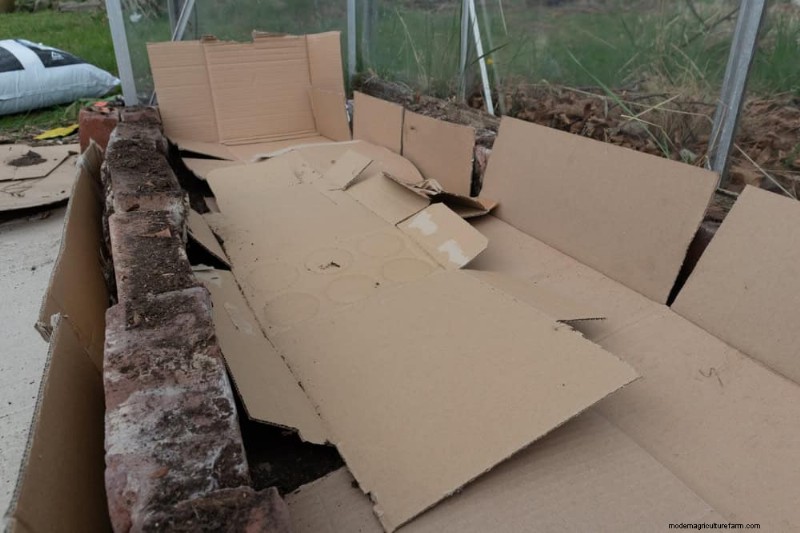
Those cardboard boxes from online shopping make perfect sheet mulch material. Lay flattened cardboard directly on grass or weedy areas, overlap the edges, and cover with compost and mulch. This creates a new garden bed without digging or using herbicides.
The cardboard smothers weeds and grass while gradually decomposing to feed the soil. Remove any tape or labels first, and use plain brown cardboard rather than glossy printed material. This technique works great for expanding garden beds or creating new ones with minimal effort.
 Depositphotos.com
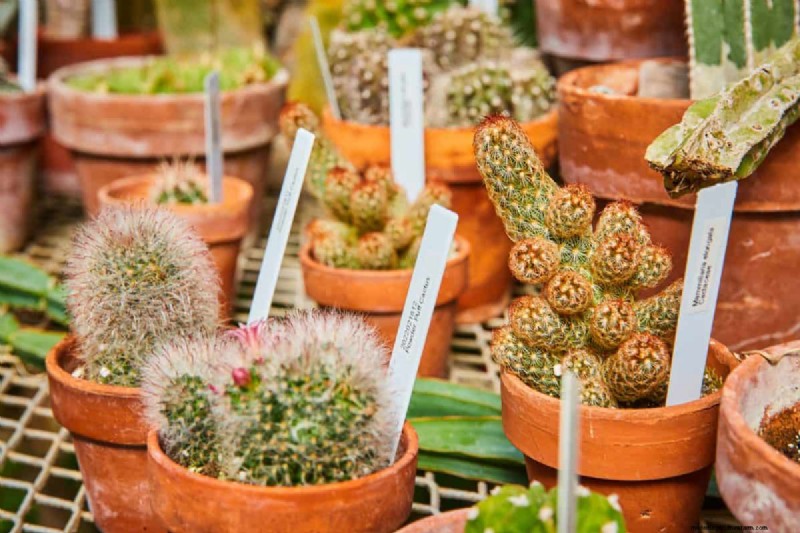
Small plastic yogurt cups can be cut into strips to make durable plant markers. Cut the sides into 1-inch strips, use a permanent marker to write plant names, and stick the pointed end into the soil. These last much longer than the flimsy plastic tags that come with plants.
For an even more visible option, leave the cups intact, write the plant name on the side, and place the cup upside-down on a stake near your plants. The white background makes plant names easy to read from a distance.
 Depositphotos.com
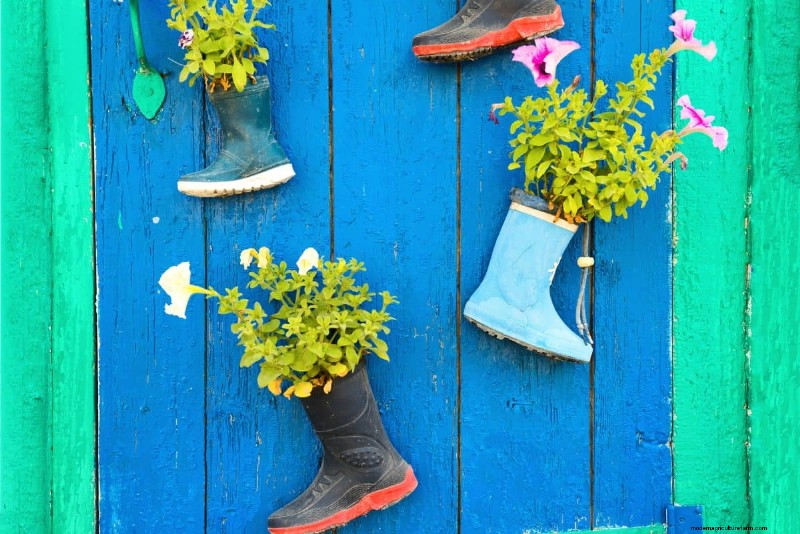
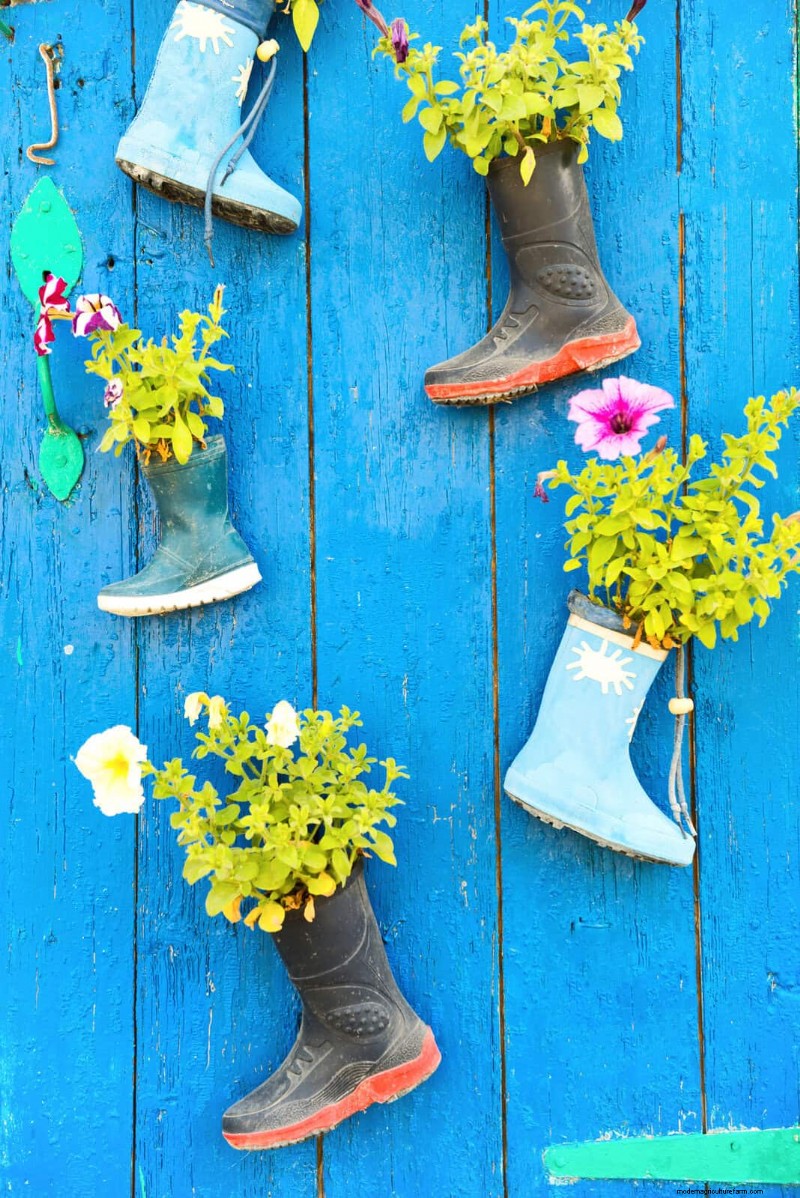
That worn-out pair of rain boots or work shoes can find new life as a charming garden planter. Drill a few drainage holes in the bottom, add potting soil, and plant flowers or trailing plants. Children’s outgrown boots work particularly well for small plants like succulents or herbs.
Place these quirky planters near your porch or garden entrance for a conversation starter. Rubber boots last longest outdoors, but leather shoes can work too if kept in somewhat protected areas. This adds personality to your garden while keeping perfectly good items out of landfills.
 Depositphotos.com
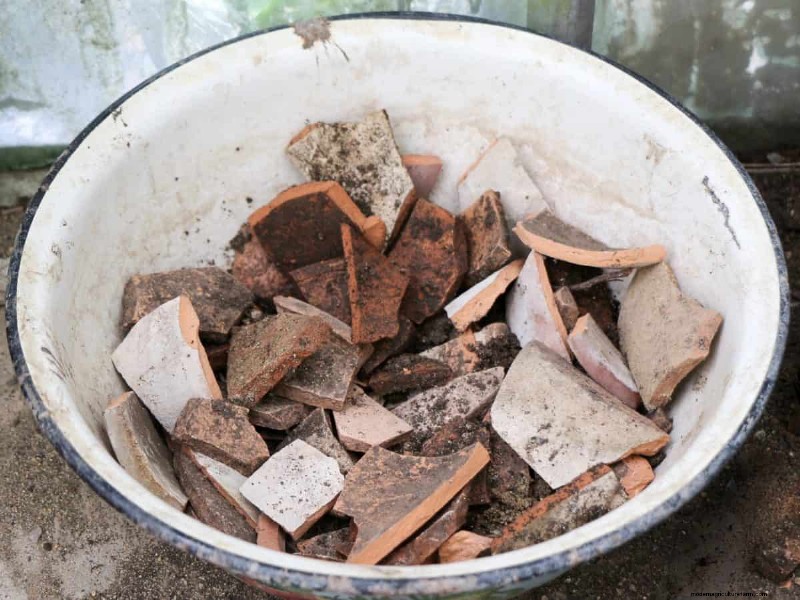
When a terracotta pot breaks, save the pieces. These broken bits make perfect drainage material for the bottom of new containers. Place a layer of pot shards over the drainage holes before adding potting soil to prevent soil from washing out while allowing excess water to drain.
Larger pieces can also be partially buried in the garden to create mini retaining walls or decorative accents. Some gardeners even break pots intentionally to create mosaic art for stepping stones or garden decor.
 Shutterstock.com
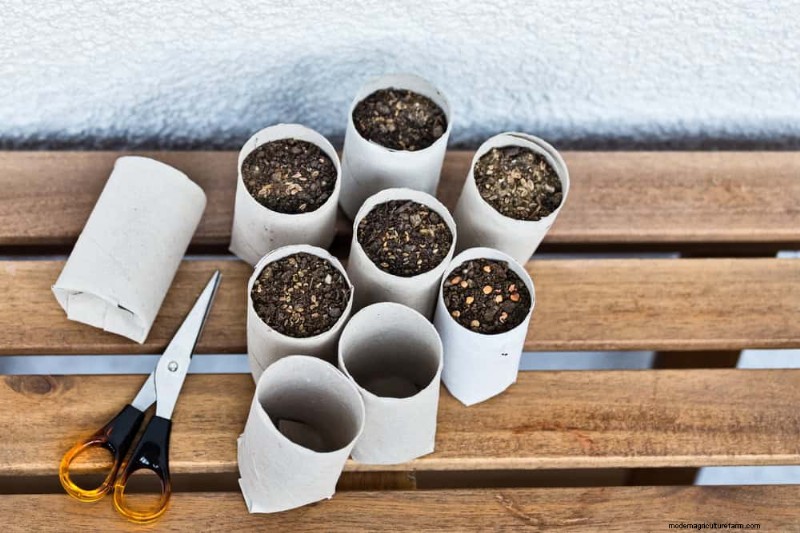
Those cardboard tubes from toilet paper and paper towels make perfect biodegradable seed starters. Stand them upright in a waterproof tray, fill with potting soil, and plant your seeds. When seedlings are ready to transplant, the whole tube can go directly into the garden.
For extra stability, make four small cuts at the bottom of each tube and fold them under to create a base. The cardboard breaks down quickly in the garden, and the tubes are the perfect size for most vegetable seedlings. This reduces transplant shock since roots aren’t disturbed during planting.
 Shutterstock.com
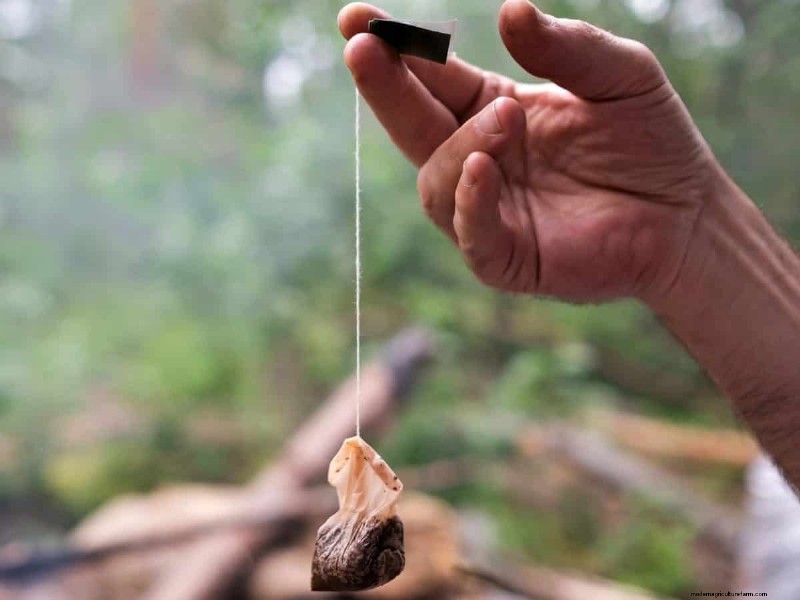
Used tea bags can benefit acid-loving plants like ferns, rhododendrons, and camellias. Bury slightly used tea bags near the roots of these plants to slowly release nutrients and gently increase soil acidity. Remove any staples or tags first, especially if using tea bags with synthetic materials.
Tea leaves can also be emptied directly into compost bins or sprinkled around plants as a light mulch. Many gardeners save tea bags throughout winter to use in spring planting. Green and black teas work best for this purpose.
 Depositphotos.com
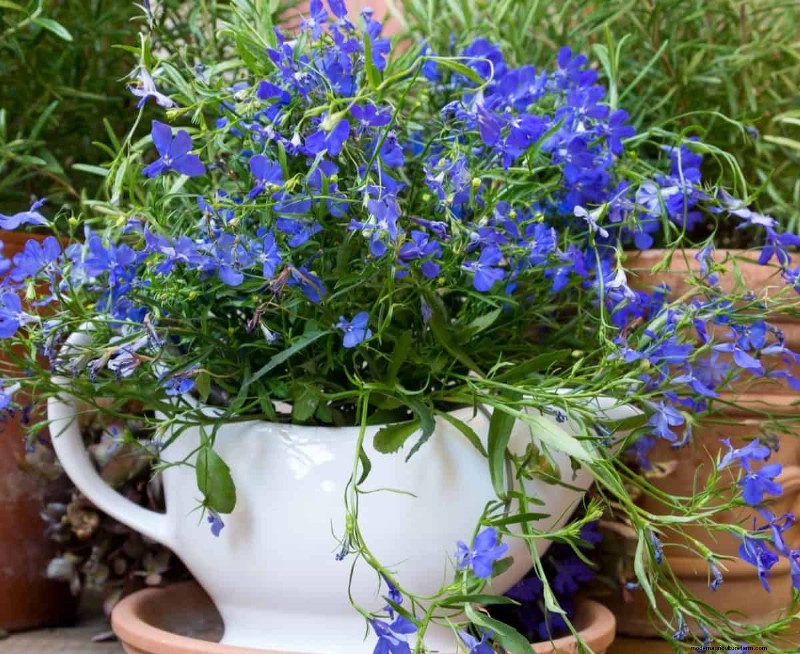
That chipped teapot, cracked bowl, or rusty colander doesn’t need to be trashed. Repurpose these items as unique garden containers. Old metal colanders and sieves already have drainage holes and look charming planted with cascading herbs or flowers.
Teapots and gravy boats work well for small indoor plants or succulents. An old metal washtub can become a mini vegetable garden. Even chipped mugs can find new life holding small plants on a sunny windowsill. This adds vintage charm to your garden while making use of items that would otherwise be discarded.
 Depositphotos.com
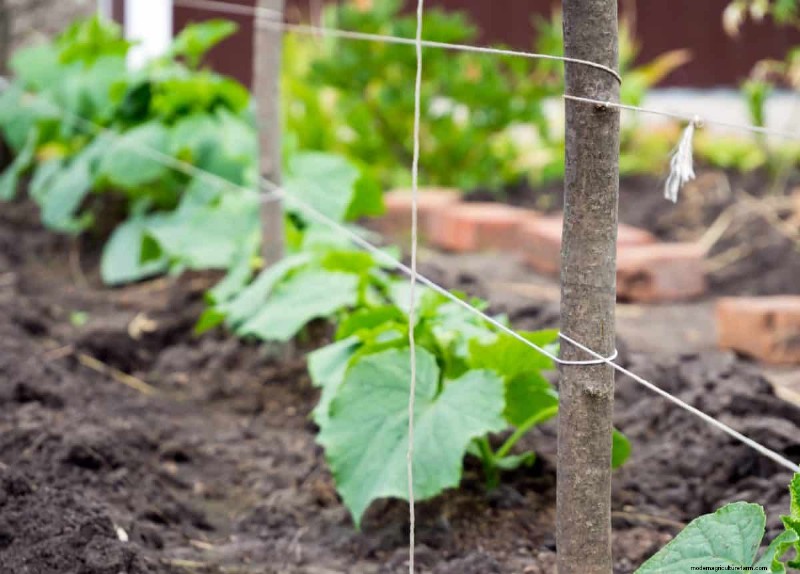
After pruning trees or shrubs, save sturdy branches to create natural-looking trellises and supports for climbing plants. Straight branches can be pushed into the ground around young tomato plants. Branches with many small offshoots work perfectly for supporting peas and beans.
For a more elaborate trellis, lash together several branches with garden twine to create tepee shapes or flat panels. These rustic supports blend beautifully into the garden landscape and decompose naturally after a season or two of use.
 Depositphotos.com
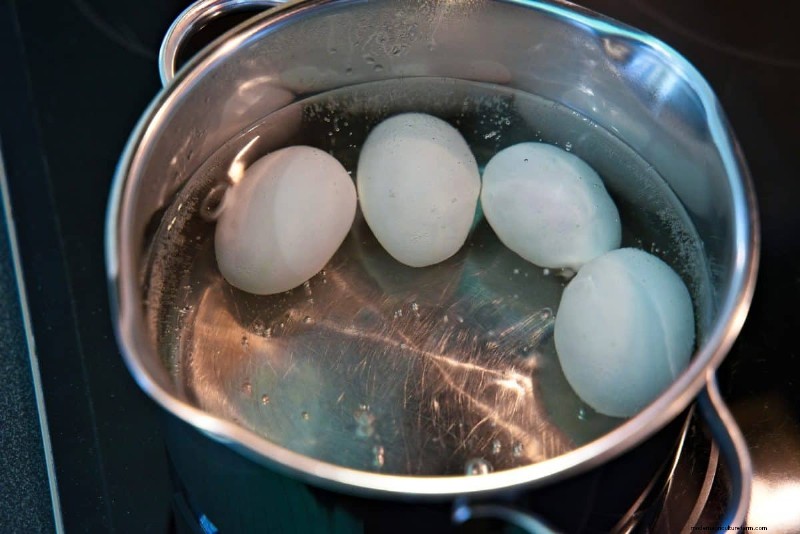
The water used to boil eggs, vegetables, or pasta contains valuable nutrients that plants love. Let it cool completely, then use it to water garden plants instead of pouring it down the drain. This slightly nutrient-rich water is especially good for container plants that need regular feeding.
Avoid using water that contains salt, oil, or butter. Plain cooking water from vegetables contains small amounts of the vitamins and minerals that leached out during cooking. Some gardeners collect this water in a designated watering can near the kitchen sink.
 Shutterstock.com
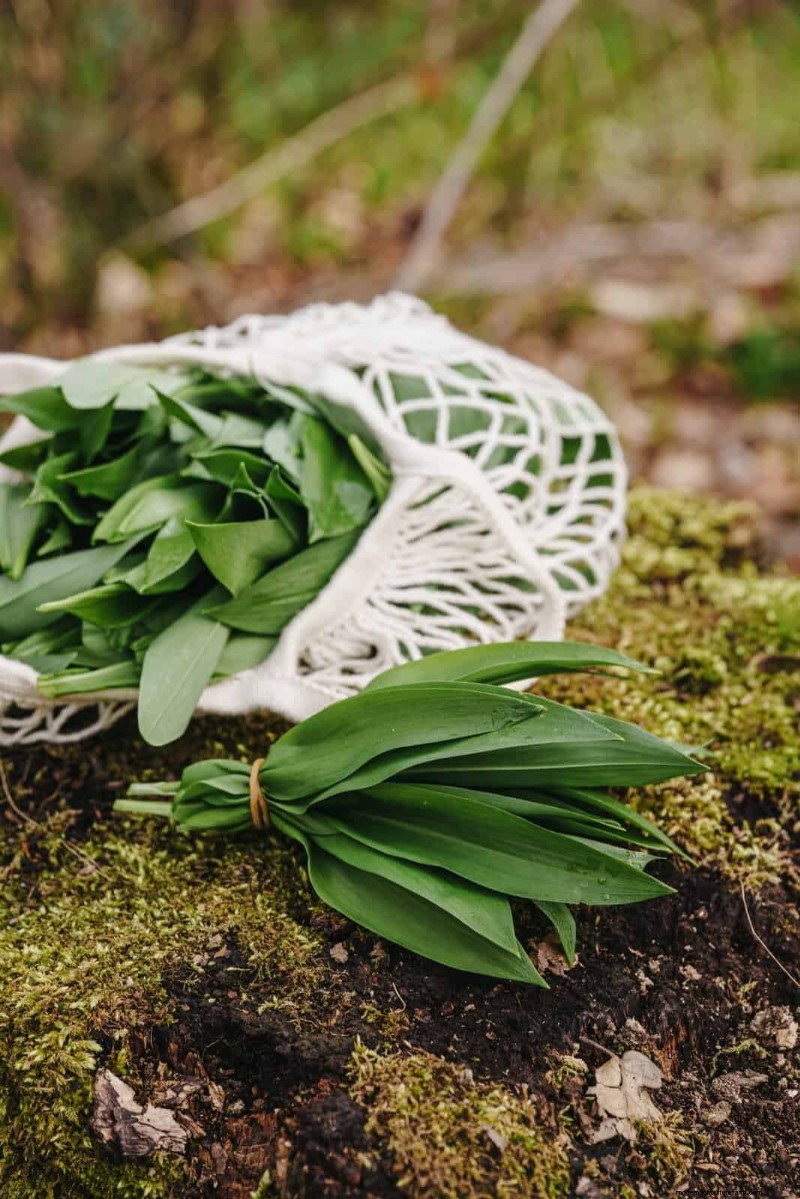
Those mesh bags that hold onions, citrus fruits, and other produce make perfect drying bags for garden herbs. Simply gather a handful of herb stems, tie them together with twine, place them inside the mesh bag, and hang in a warm, dry location. The mesh allows air to circulate while preventing dust from settling on the drying herbs.
These bags can also be used to store bulbs like garlic and shallots after harvest. Some gardeners even use them as scrubbers for cleaning dirty garden vegetables or as protective coverings for developing fruits to deter insects and birds.
 Depositphotos.com
Looking around your home with a gardener’s eye reveals countless opportunities to reuse everyday items. These creative solutions not only save money but also reduce waste and add character to your garden. The most sustainable garden is one that works with what you already have.
Next time you’re about to toss something in the trash or recycling bin, pause and ask yourself if it might have a second life in your garden. Smart gardeners know that yesterday’s trash often becomes tomorrow’s garden treasure with just a little imagination.


