Welcome to Modern Agriculture!

 Shutterstock
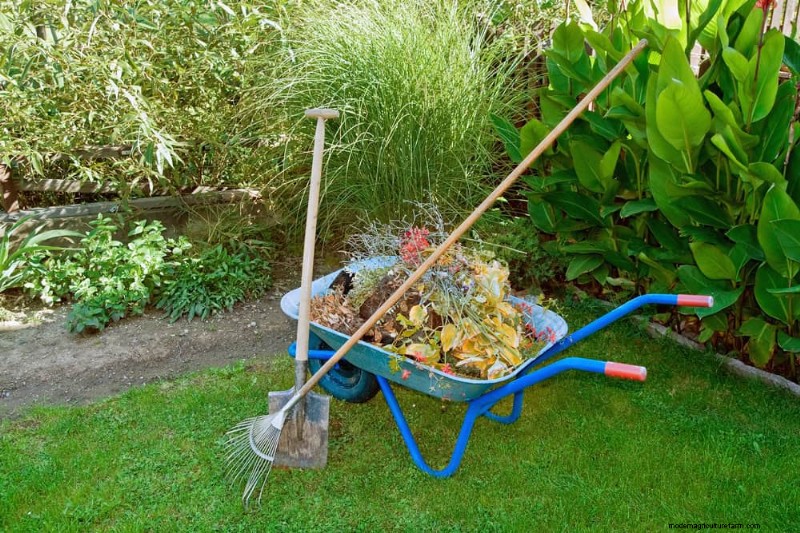
The air might still buzz with summer’s warmth, but savvy gardeners know that fall planning starts now. Those gorgeous autumn gardens with brilliant colors, abundant harvests, and perfect planting conditions don’t happen by accident. They require forethought and preparation during these late summer weeks.
Getting a jumpstart on your fall garden plans means you’ll avoid the rush and disappointment of sold-out bulbs and seasonal plants. You’ll give yourself time to properly assess, prepare, and plant for the most successful autumn garden possible. The rewards will stretch far beyond fall itself.
 Depositphotos
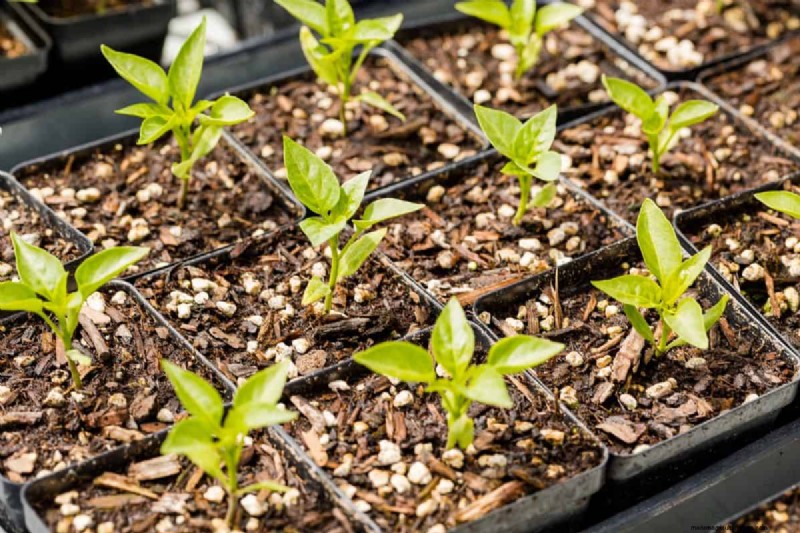
Late summer offers the ideal window for fall garden planning. The days remain long enough to provide ample working time outdoors, yet the intense heat begins to subside, making garden work more comfortable. This transitional period allows you to observe your garden at its summer peak while envisioning autumn improvements.
Nurseries and garden centers often discount their summer inventory during August, creating budget-friendly opportunities to stock up on tools and supplies. Seeds for fall vegetables become widely available, and early shipments of spring-flowering bulbs start arriving. Planning now means first pick of the best varieties before the autumn rush depletes inventories. Plus, your body acclimates gradually to cooler working conditions rather than facing the shock of sudden autumn chill.
 Depositphotos
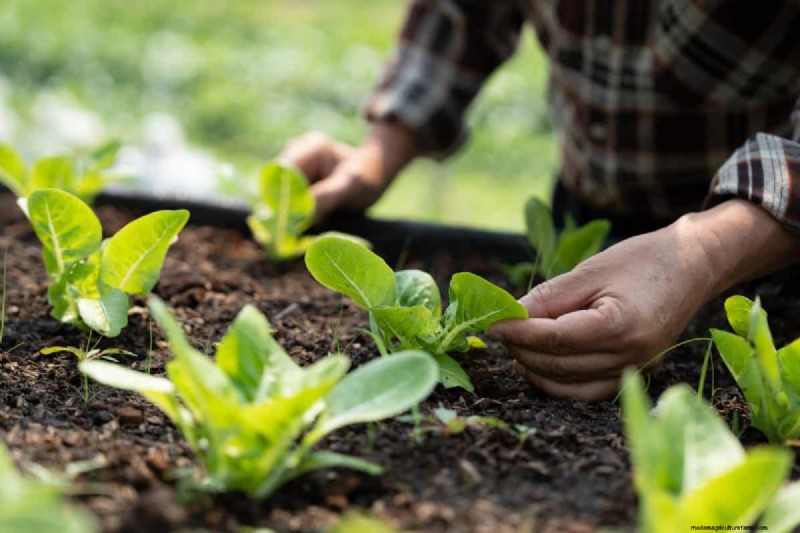
Fall gardening offers distinct advantages that summer simply can’t match. Cooler soil temperatures reduce plant stress while maintaining sufficient warmth for root development. This creates ideal conditions for establishing perennials, trees, and shrubs that will thrive next spring. Rainfall typically increases, reducing the need for supplemental watering.
The autumn growing season provides a second chance for cool-season crops like lettuce, spinach, and peas that struggled in summer heat. Many plants set deeper roots during fall, preparing them for stronger growth next year. Pest pressure often decreases naturally as temperatures drop. The slanted autumn sunlight creates magical effects in the garden, backlighting ornamental grasses and illuminating colorful foliage. These unique conditions can’t be replicated in any other season, making fall gardening especially rewarding for those who plan ahead.
We'll email it to you so you can read it later!
By saving, you agree to receive occasional emails. Unsubscribe anytime.
 Depositphotos
Take a notebook into your garden now and record areas that disappointed this season. Note bare spots where spring bulbs could add early color next year. Identify perennials that have outgrown their spaces and need dividing this fall. Photograph your garden from several angles to help visualize where autumn color might enhance the landscape.
Check soil moisture patterns after rainfall to spot drainage issues that fall plantings could improve. Test garden soil now to allow time for amendments before autumn planting. Note which areas first show stress during summer heat. These might benefit from drought-tolerant fall additions. Observe sun patterns as seasonal light angles change. Map existing plant locations and bloom times to identify gaps in your garden’s seasonal interest. This thorough assessment creates your roadmap for targeted fall improvements rather than random additions.
 Depositphotos
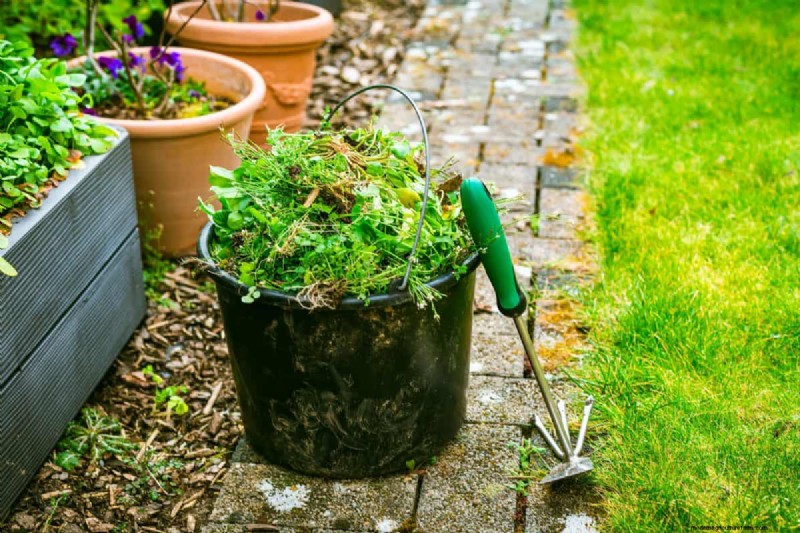
Fall planting success begins with proper soil preparation. Start by removing spent annuals and vegetable plants that have finished producing. Their space becomes prime real estate for autumn additions. Add a layer of compost to rejuvenate soil depleted by summer growth. For heavy clay areas, incorporate organic matter that will break down over winter to improve spring drainage.
Test soil pH now and add lime if needed to raise acidity levels before fall planting. Remember that lime takes months to affect soil chemistry. Gently loosen compacted soil without disturbing the soil structure. Avoid working wet soil that might compact further. For new planting beds, consider sheet mulching now with cardboard and compost to create planting spaces by fall. This preparation period allows soil microorganisms to reactivate before plants need their services, creating a welcoming environment for autumn additions.
 Depositphotos
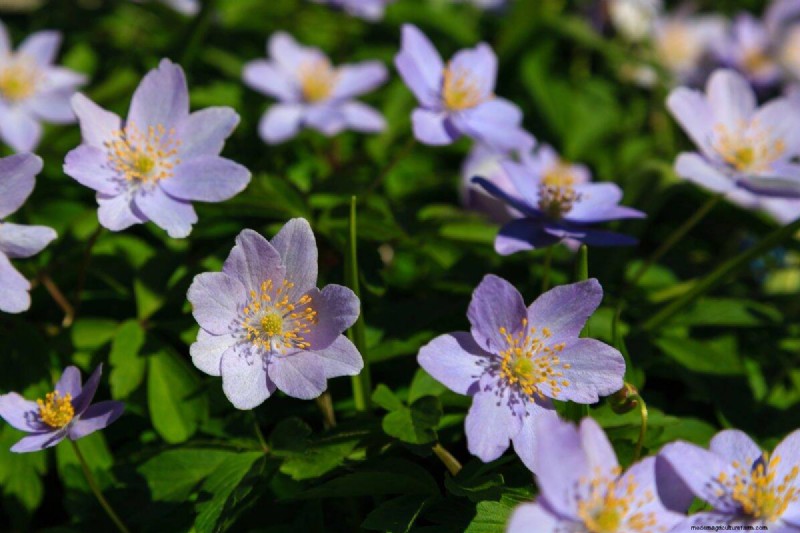
Fall gardens deserve the same floral abundance as spring and summer landscapes. Japanese anemones (Anemone × hybrida) offer elegant, wind-dancing blooms in pink or white atop tall stems. Sedums like ‘Autumn Joy’ (Hylotelephium ‘Herbstfreude’) develop broccoli-like flower heads in summer that transform to deep rose and russet through fall. Their fleshy leaves add textural interest even before blooming.
Asters provide essential late-season nectar for pollinators with their daisy-like flowers in purples, pinks and blues. New England aster (Symphyotrichum novae-angliae) reaches impressive heights while New York aster (Symphyotrichum novi-belgii) offers more compact growth. Toad lilies (Tricyrtis species) thrive in shady spots with their orchid-like spotted blooms. Goldenrod (Solidago species) adds sunny yellow plumes without causing allergies (contrary to common belief). Plant these fall bloomers now while you can still see summer garden gaps they’ll eventually fill.
 Depositphotos
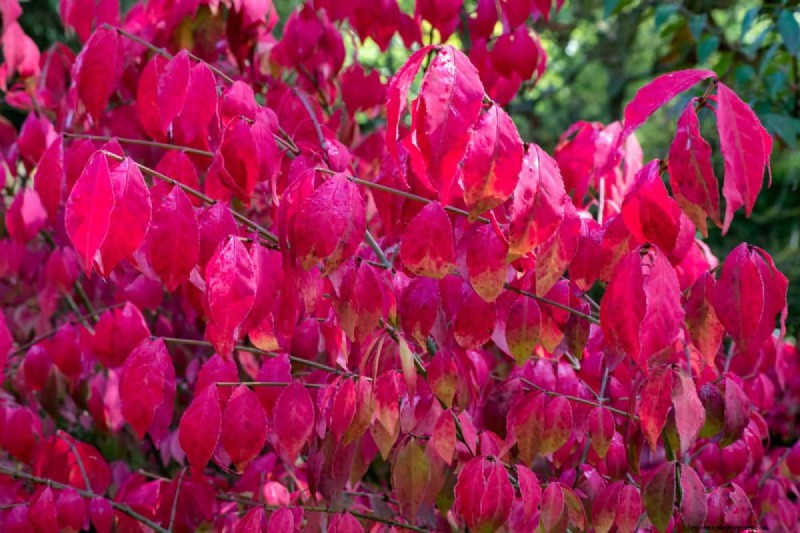
Beyond flowers, fall foliage creates the most spectacular autumn garden moments. Compact burning bush (Euonymus alatus ‘Compactus’) transforms from ordinary green to flaming crimson when temperatures drop. The papery bark of oakleaf hydrangea (Hydrangea quercifolia) provides winter interest after its burgundy-purple fall leaves drop. Fothergilla (Fothergilla gardenii) offers honey-scented spring flowers and kaleidoscopic autumn colors ranging from yellow to orange and red.
For smaller spaces, Japanese maples (Acer palmatum) provide sculptural elegance with leaves that shift through yellows, oranges, and crimson. The native witch hazel (Hamamelis virginiana) surprises with spidery yellow blooms as its leaves turn golden. Smoke bush (Cotinus coggygria) varieties like ‘Royal Purple’ contrast deep burgundy summer foliage with fiery fall tones. Plant these woody specimens in early fall to give roots time to establish before winter’s challenges arrive.
 Depositphotos
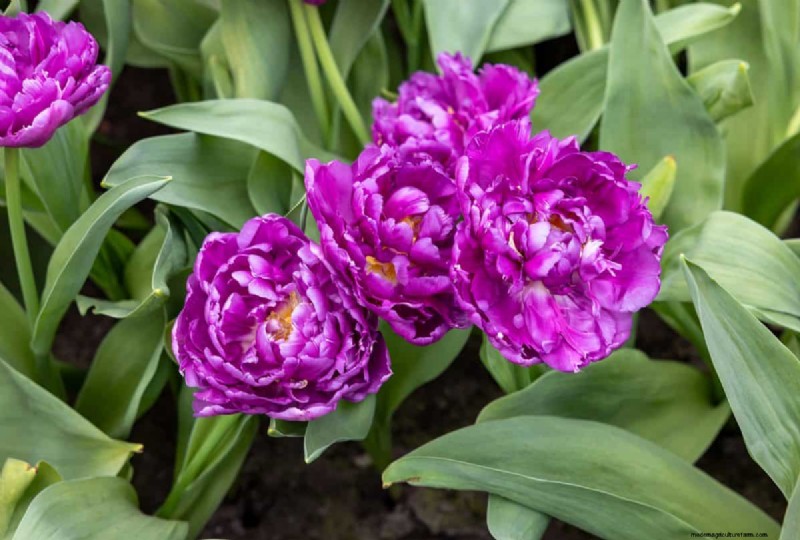
Spring-flowering bulbs must be planted in fall, making advance planning essential. Order specialty tulips (Tulipa species) and unusual daffodils (Narcissus species) before popular varieties sell out. Store them in a cool, dry place until soil temperatures drop below 60°F for planting. Plan naturalized drifts of smaller bulbs like grape hyacinth (Muscari armeniacum) under deciduous trees where they’ll receive needed spring sun before leaves emerge.
Consider layering bulbs in “lasagna” style plantings, with later-blooming varieties placed deeper than early bloomers in the same container or bed. This creates successive waves of color from the same space. Protect bulb plantings from digging animals with hardware cloth barriers placed just below the soil surface. Add species tulips that perennialize better than their showier hybrid cousins. Plant alliums for architectural interest that bridges spring into summer. The effort invested now transforms into effortless spring beauty after winter’s retreat.
 Shutterstock
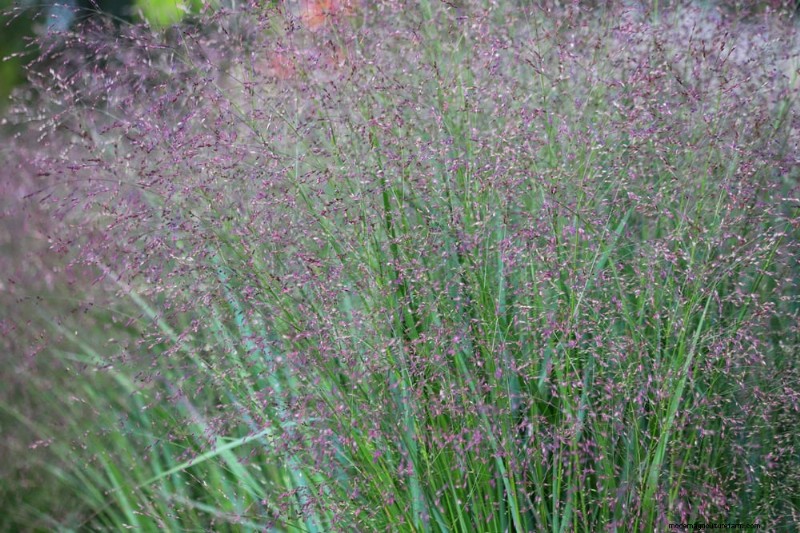
Ornamental grasses reach their glory in fall when seedheads catch morning dew and afternoon light. Plant switchgrass varieties (Panicum virgatum) like ‘Shenandoah’ that develop wine-red blade tips by late summer. The arching form of maiden grass (Miscanthus sinensis) creates movement with every breeze while its feathery plumes persist through winter. Little bluestem (Schizachyrium scoparium) offers blue-green summer color that transitions to russet-orange for fall.
Grasses provide more than visual appeal. Their rustling sounds add sensory dimensions to autumn gardens. Native prairie dropseed (Sporobolus heterolepis) emits a subtle coriander fragrance when its seedheads mature. Place grasses where backlighting will illuminate their translucent seedheads. Group varieties with different heights and textures for maximum impact. Most establish quickly when planted in early fall, giving them a head start on next year’s display.
 Depositphotos
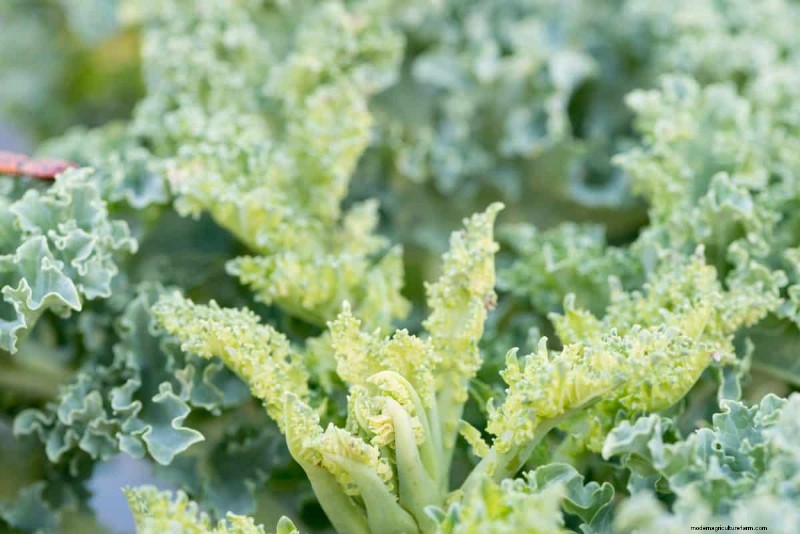
The vegetable garden enters a second productive phase with fall plantings. Sow quick-growing greens like arugula, spinach, and leaf lettuce in areas where summer crops have finished. Plant kale (Brassica oleracea var. sabellica) and Swiss chard for nutritious harvests that improve in flavor after light frosts sweeten their leaves. Replace spent beans with snow peas that thrive in cooler temperatures.
Root vegetables like carrots, turnips, and radishes develop sweeter flavors when maturing in cooling soil. Garlic and shallots planted in fall develop stronger root systems before winter dormancy, resulting in larger summer harvests. Cover cold-sensitive crops with floating row covers when frost threatens to extend the harvest season. Plant a cover crop like winter rye in emptied garden sections to prevent erosion and add organic matter when tilled under next spring. This productive approach keeps your garden working year-round rather than lying dormant.
 Depositphotos
September offers perfect conditions for lawn renovation with cooler temperatures and typically increased rainfall. Identify and address compacted areas by aerating now. This creates pathways for air, water, and nutrients to reach grass roots. Overseed thin areas with grass varieties suited to your specific light conditions and traffic patterns. Cool-season grasses like Kentucky bluegrass and fescues establish most successfully from fall seeding.
Apply a thin layer of compost over existing lawns to improve soil biology without smothering grass. Control broadleaf weeds now when they’re actively growing and vulnerable to treatments. Adjust your mower height gradually lower for the final few cuts of season. This prevents snow mold while avoiding the shock of a single dramatic height reduction. A fall lawn care program rewards you with thicker turf that naturally resists weeds and drought next summer.
 Depositphotos
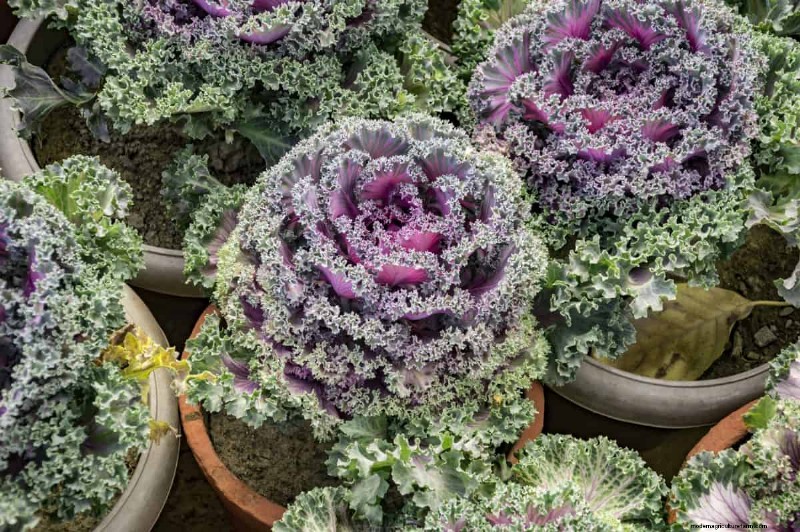
Refresh tired summer containers with fall-focused plantings. Replace leggy annuals with cool-season performers like ornamental cabbage (Brassica oleracea var. acephala) and colorful Swiss chard ‘Bright Lights’. Mums (Chrysanthemum × morifolium) provide instant autumn color, but choose varieties sold as “garden mums” for better hardiness if you plan to transplant them later.
Add structural elements like small ornamental grasses or dwarf evergreens that will persist through winter. Trailing ivy creates elegant container spillers that withstand light frost. Incorporate unexpected edibles like lettuce, kale, and herbs among flowering plants for containers that are both beautiful and functional. Group fall containers to create greater impact, and elevate some for visual interest at different heights. These refreshed focal points extend your garden’s peak beauty season well into autumn.
 Depositphotos
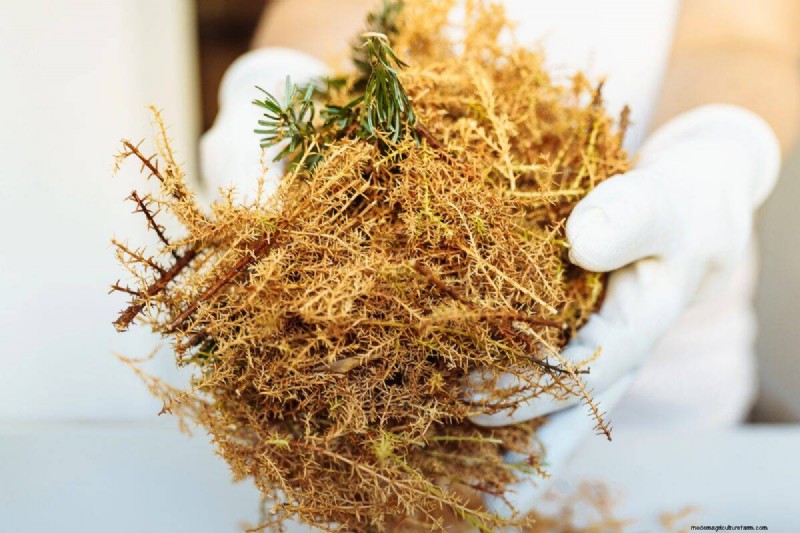
Fall mulching differs from spring applications in both timing and purpose. Wait until after several hard frosts before applying winter mulch around perennials and shrubs. This allows soil to cool gradually while preventing premature warming during winter thaws. Apply a 2-3 inch layer of shredded leaves, pine needles, or straw around plants without piling material against stems or trunks.
For vegetable gardens, consider planting areas with winter-killed cover crops like oats that will create their own protective mulch layer. Around roses, create soil mounds of compost or garden soil to protect graft unions after sustained cold arrives. Mulch newly planted trees in a wide ring rather than a narrow one to encourage broad root development. These protective measures insulate soil temperature fluctuations while gradually contributing organic matter as materials break down over winter.
 Depositphotos
Fall watering requires different approaches than summer irrigation. Water deeply but less frequently as temperatures cool and evaporation rates decrease. Pay special attention to evergreens that continue transpiring through winter months. They benefit from thorough watering until ground freeze, particularly in their first year after planting.
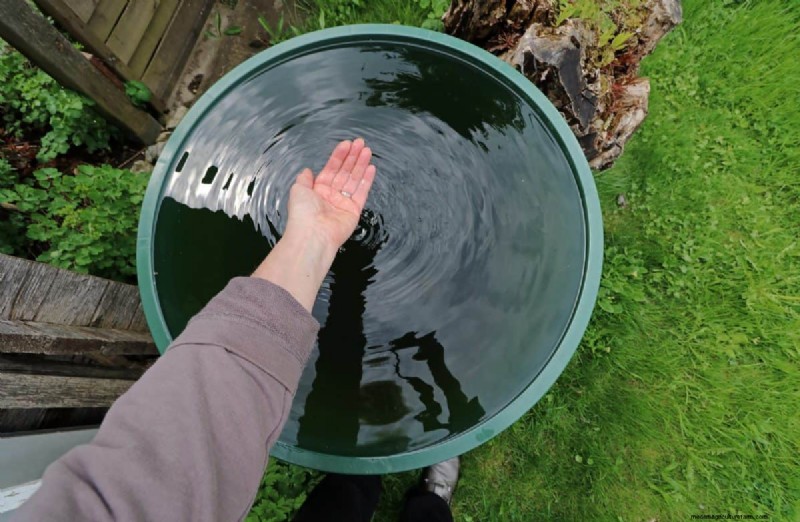
Install rain barrels now to capture autumn precipitation for use in indoor plants through winter. Clean and inspect irrigation systems before winterizing them. New fall plantings need consistent moisture until dormancy, even when temperatures feel cool. Set automatic systems to run less frequently but for longer durations to encourage deep root growth. These adjusted practices prevent both overwatering and drought stress during fall’s transitional weather patterns.
 Depositphotos
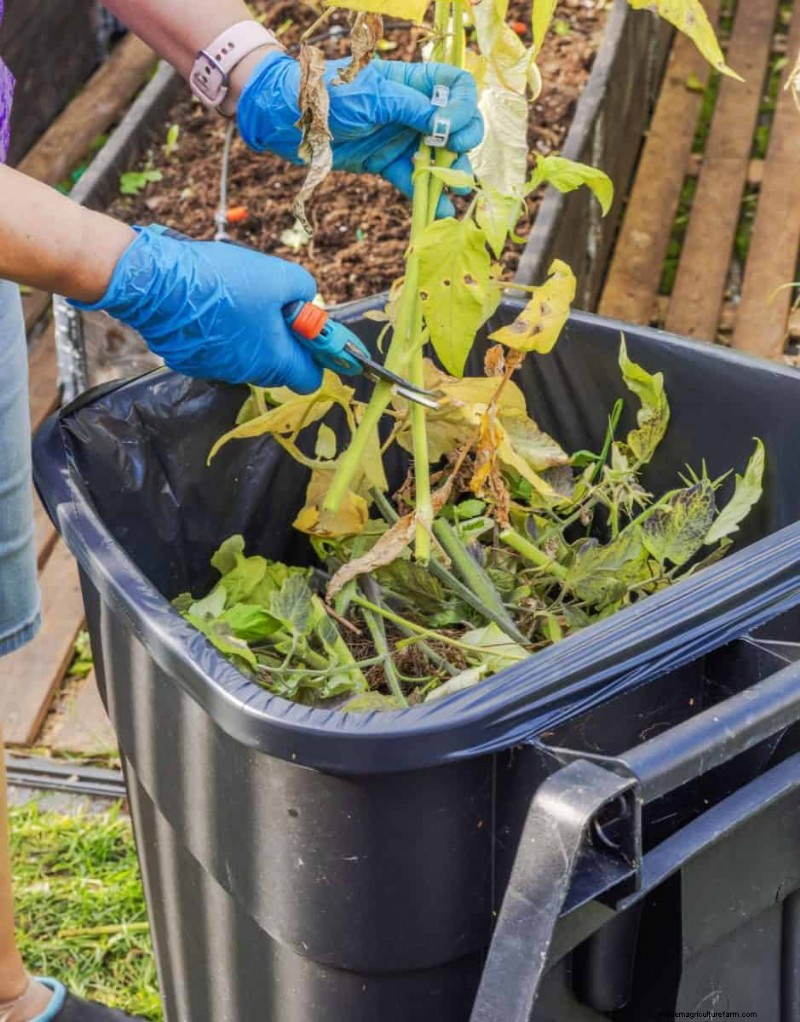
Strategic fall cleanup balances garden health with wildlife needs. Remove and dispose of diseased plant material rather than composting it. This includes peony foliage with botrytis, tomato plants with blight, and roses with black spot. Clear fallen fruit from beneath trees to break disease and pest cycles. Cut back perennials known to self-seed aggressively if you want to control their spread.
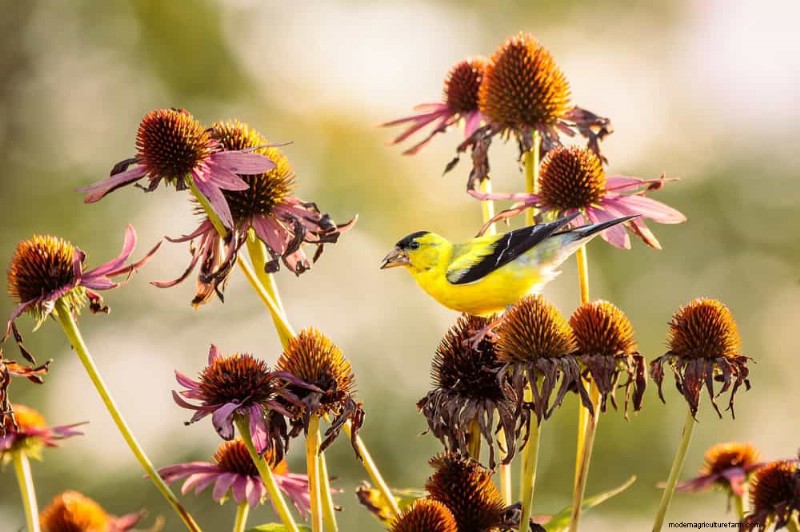
Leave some perennial seedheads standing for birds and beneficial insects. Ornamental grasses, coneflowers (Echinacea purpurea), and black-eyed Susans (Rudbeckia fulgida) provide both winter interest and wildlife food. Create brush piles in back corners for overwintering beneficial insects rather than removing all debris. This balanced approach maintains garden health while supporting the ecosystem that helps your garden thrive naturally.
 Depositphotos
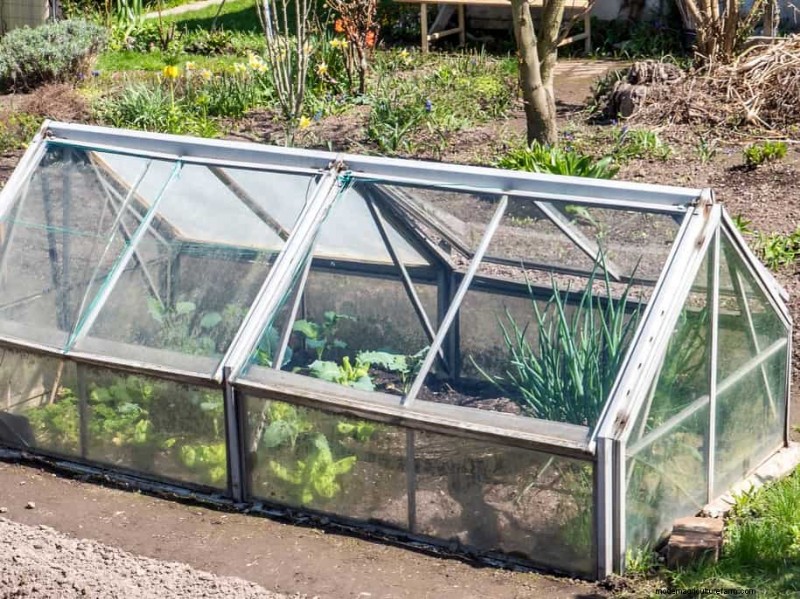
Simple season-extending structures transform fall’s potential. Build or purchase cold frames now to protect late crops. A basic cold frame requires only a wooden box with a transparent lid that captures solar warmth. Position it facing south for maximum sun exposure. Some gardeners repurpose old windows as lids, while others use twinwall polycarbonate for better insulation.
Individual plant cloches made from plastic milk jugs with bottoms removed protect tender plants from early frosts. Floating row covers draped over hoops extend the harvest of greens and root crops by creating mini-greenhouse effects. Install these protective measures before the first frost threatens rather than scrambling reactively. With minimal investment, these season extenders can add weeks or even months to your productive growing period.
 Shutterstock
Fall gardens serve crucial ecological functions beyond human enjoyment. Leave areas of undisturbed leaf litter where beneficial insects can complete life cycles. Native bees use hollow plant stems for winter shelter, so leave some standing until spring. Seedheads of coneflowers, sunflowers, and grasses feed birds through lean winter months.
Install bird feeders now to help migrating species refuel during their journeys. Clean and fill birdbaths regularly until freeze-up occurs. Create brush piles that shelter small mammals and birds from predators and weather extremes. Plant native shrubs like American beautyberry (Callicarpa americana) whose persistent berries provide mid-winter food when other sources deplete. These supportive measures transform your garden into a wildlife sanctuary while enhancing its natural balance.
 Depositphotos
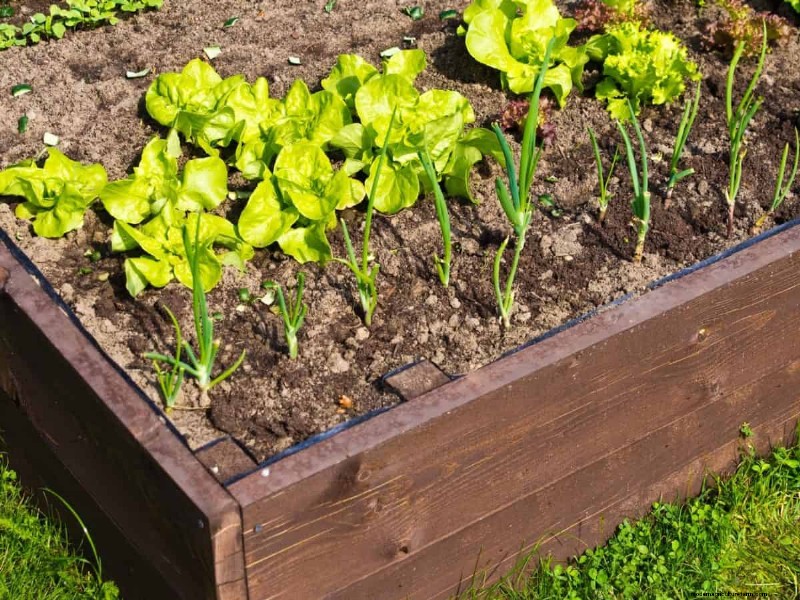
Cooler fall temperatures create perfect conditions for physically demanding hardscape installation. Build that flagstone path you’ve been considering while working conditions remain pleasant. Install raised beds now to prepare for early spring planting. The soil will settle naturally over winter, creating perfectly level growing spaces by spring.
Repair or build retaining walls before freeze-thaw cycles potentially worsen existing damage. Add outdoor lighting that will extend garden enjoyment through earlier fall sunsets and illuminate winter snow features. Construct new compost bins to accommodate the abundance of fall leaves and garden debris. Complete these structural improvements now when the ground remains workable but the air temperature makes physical labor more comfortable.
 Shutterstock
Fall presents the ideal time for comprehensive tool maintenance. Clean garden tools thoroughly to remove soil that holds moisture and promotes rust. Sharpen dull blades on pruners, shears, and hoes. Apply food-grade mineral oil to wooden handles that have dried during summer use. This prevents cracking and extends tool life.
Create winter storage systems that keep tools visible and accessible. Hanging organizers prevent damage and make spring startup more efficient. Drain and properly store hoses to prevent freeze damage. Service power equipment like mowers and tillers before storage by changing oil, sharpening blades, and stabilizing fuel. This maintenance investment pays dividends in extended equipment life and reliability when gardening resumes.
 Shutterstock
The steps taken now create garden momentum that carries through all seasons. Fall-planted trees develop stronger root systems that support vigorous spring growth. Divided perennials rejuvenate and multiply for future years. Soil improvements made now compound their benefits through successive growing seasons. Bulbs planted in autumn surprise with carefree spring color.
Develop a fall action calendar that spreads tasks across weeks rather than creating weekend work marathons. Prioritize activities that must happen during specific temperature windows. Record this year’s successes and challenges while they remain fresh in memory. This documentation becomes next year’s planning guide. The effort invested during these transitional weeks transforms not just your autumn garden but your landscape’s long-term health, beauty, and resilience through every season to come.