Welcome to Modern Agriculture!

 Depositphotos
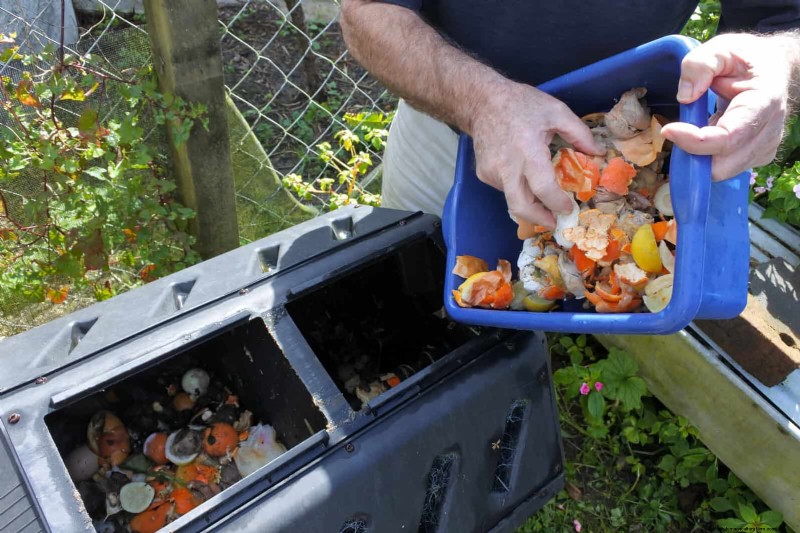
You’ve been eyeing that pile of kitchen scraps on your counter, wondering if they could do more than fill up your trash can. But turning banana peels and coffee grounds into garden gold comes with questions. Is backyard composting legal where you live?
Can you transform yesterday’s dinner leftovers into tomorrow’s garden nutrients without breaking rules? Composting food scraps can feel like a secret superpower for your garden.
But before you start tossing potato peels into a backyard pile, it’s worth understanding the legal landscape. Local regulations vary widely, and knowing the rules will help you compost confidently and keep relations with neighbors peaceful.
 Depositphotos
The good news is that backyard composting is legal in most places across the United States. Many local governments encourage the practice as part of waste reduction initiatives. It diverts organic material from landfills and creates valuable soil amendments.
But legality doesn’t mean there aren’t rules. Some cities have specific guidelines about compost pile size, location, and what materials can go into them. Check your city or county website for local waste management regulations before starting.
 Depositphotos
Composting your kitchen scraps creates a triple win for the environment. First, it reduces methane emissions from landfills where food waste would otherwise decompose without oxygen.
Second, it creates nutrient-rich soil that eliminates the need for chemical fertilizers. And third, it completes the natural cycle by returning organic matter to the earth. Nearly 30% of what we throw away could be composted instead of landfilled.
We'll email it to you so you can read it later!
By saving, you agree to receive occasional emails. Unsubscribe anytime.
 Depositphotos
Most composting regulations focus on preventing nuisance issues rather than prohibiting the practice. Standard rules include keeping compost bins far from property lines and managing them to avoid odors or pests.
Some localities require compost piles in bins rather than open piles, while others limit the size of backyard composting operations. San Francisco has pioneered mandatory composting laws, while other cities offer incentives like free compost bins to encourage the practice.
 Depositphotos
Urban areas tend to have more specific regulations about composting than rural communities. Cities like Seattle, Portland, and Minneapolis have embraced composting with supportive policies and curbside collection programs.
Some states have enacted legislation to promote composting. California, Massachusetts, and Vermont have all passed laws restricting food waste in landfills, making composting legal and sometimes necessary. Rural areas typically have fewer restrictions, though rules about attracting wildlife might still apply.
 Depositphotos
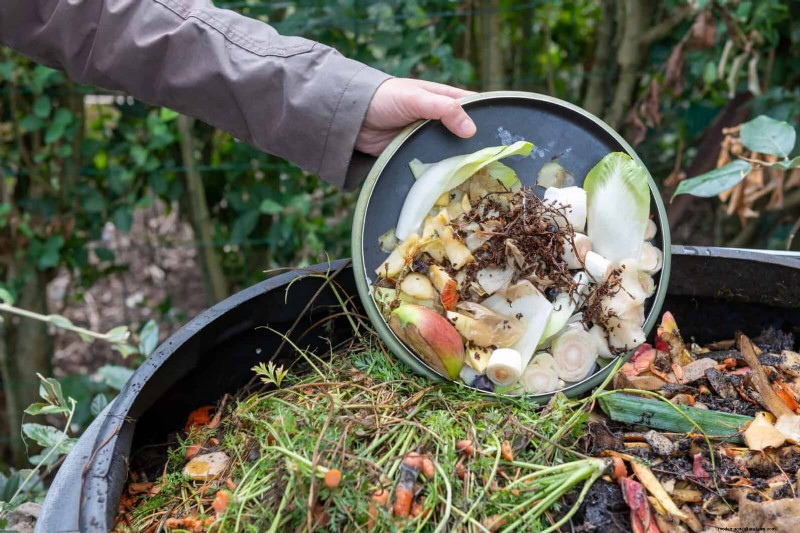
Fruit and vegetable scraps form the backbone of any good compost pile. Coffee grounds, eggshells, and tea bags also break down beautifully and add valuable nutrients to your finished compost.
Grains, bread, and plain pasta can be composted in moderate amounts. Just bury them in the center of your pile to discourage pests. Yard waste like leaves, grass clippings, and small twigs mix perfectly with food scraps to create the ideal carbon-to-nitrogen ratio.
 Depositphotos
Meat, fish, and dairy products should stay out of backyard compost piles. They break down slowly, create strong odors, and attract unwanted animal visitors. These items can quickly turn a legal compost operation into a nuisance violation.
Oily foods and large amounts of cooking fats should also be avoided. They slow decomposition and can create unpleasant smells. Diseased plants might spread problems throughout your garden when the compost is used.
 Depositphotos
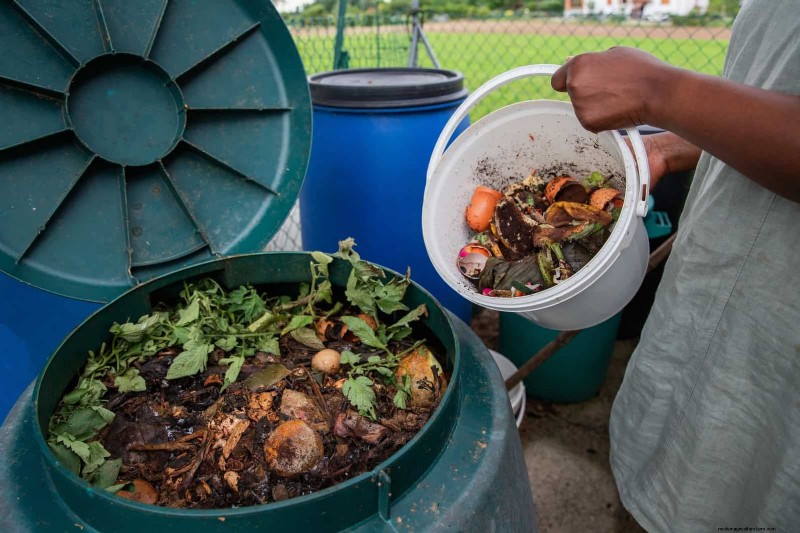
Location matters when setting up your compost system. Please place it conveniently, but not directly adjacent to your neighbor’s outdoor living spaces. Most municipalities recommend keeping compost at least 3 feet from property lines.
Consider using an enclosed bin system rather than an open pile. This contains materials, speeds decomposition, and prevents issues that could trigger complaints. Regular turning and proper moisture management will eliminate odors before they become problems.
 Depositphotos
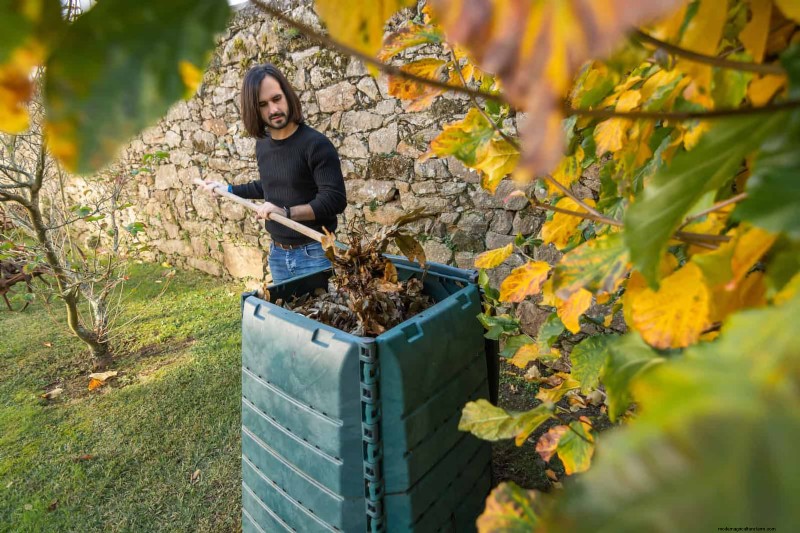
Successful composting happens when you balance “browns” (carbon-rich materials like leaves and paper) with “greens” (nitrogen-rich materials like food scraps). The ideal ratio is about three parts brown to 1 part green materials.
Microorganisms do the heavy lifting in your compost pile. Bacteria, fungi, and other tiny decomposers break organic matter into humus. They need proper moisture (about as damp as a wrung-out sponge) and oxygen to work efficiently.
 Depositphotos
Open piles cost nothing to start and accommodate large volumes of material. They work well in rural settings with plenty of space, but may violate regulations in more densely populated areas.
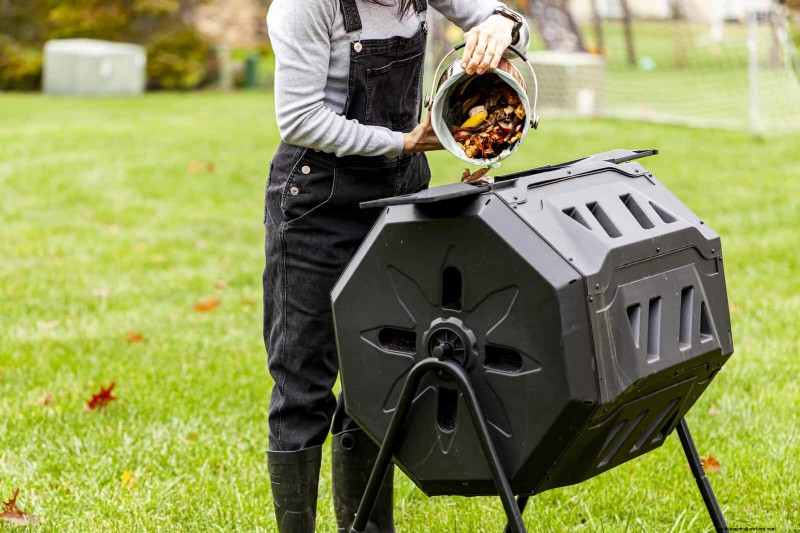
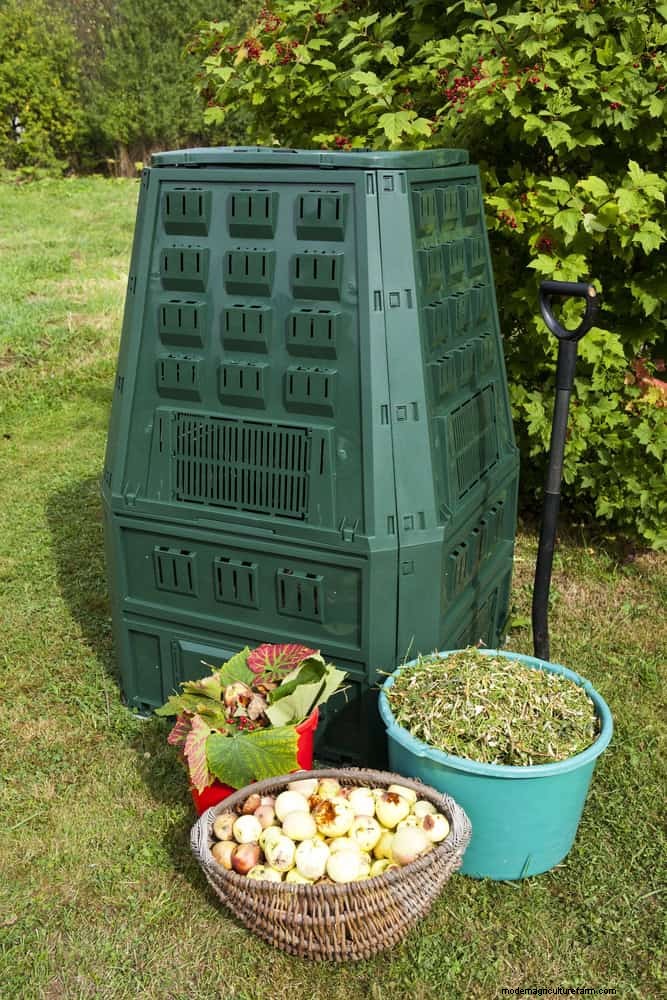
Enclosed bins come in many styles, from tumbling barrels to stacking systems. They contain materials better, discourage pests, and often satisfy local requirements for urban and suburban composting. Many municipalities offer discounted bins to encourage legal composting practices.
 Depositphotos
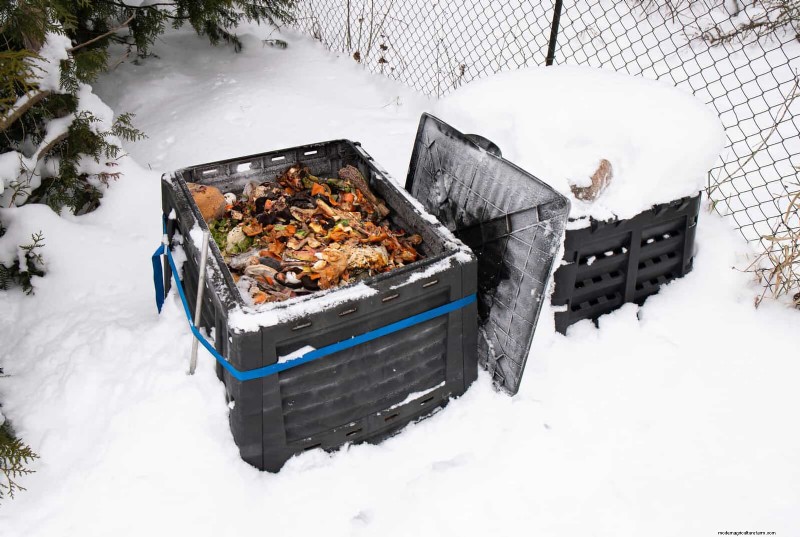
Compost piles slow down in cold weather, but don’t need to stop completely. Consider insulating your pile with extra leaves or straw in winter to maintain some microbial activity. You can continue adding kitchen scraps even when decomposition slows.
Summer brings rapid decomposition and potential odor issues if piles dry out or become anaerobic. Add water during dry spells and turn more frequently when temperatures rise. Covering your pile during heavy rains prevents nutrients from washing away.
 Depositphotos
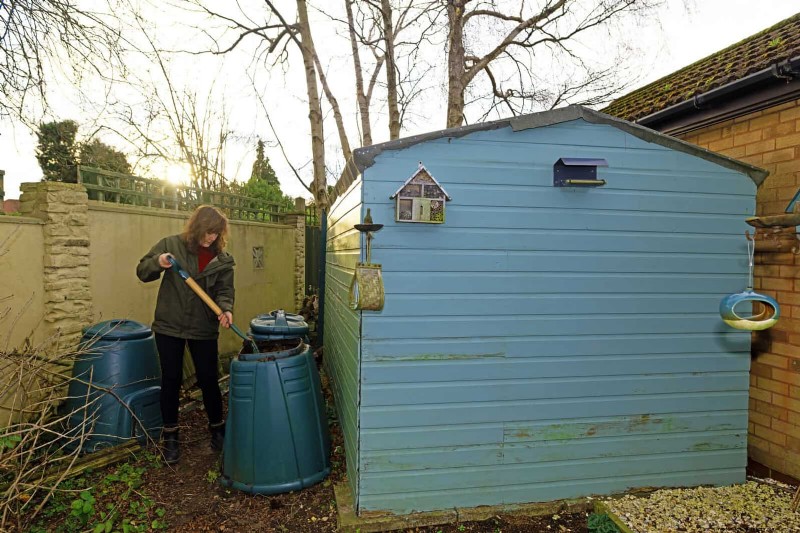
Keep your compost pile well-maintained to prevent complaints. A properly managed compost system should have an earthy smell, not a rotting odor. Turn materials regularly to incorporate oxygen and speed decomposition.
Always bury fresh food scraps under existing compost or browns to discourage flies and other insects. Covering food waste with leaves, soil, or finished compost immediately after adding it will prevent most potential problems before they start.
 Depositphotos
If neighbors express concerns, open communication goes a long way. Explain the benefits of composting and invite them to see your system. Offering them some finished compost for their garden can turn skeptics into supporters.
Be receptive to feedback and willing to make adjustments. Moving your bin further from a property line or switching to a more enclosed system might resolve issues while keeping your composting operation legal and neighborhood-friendly.
 Depositphotos
Homeowners’ associations often have rules about yard appearances that might affect composting. Review your HOA covenant documents before starting a compost pile. Some associations restrict visible composting but allow enclosed bins kept out of sight.
If you need approval, approach your HOA board with information about modern, neat composting systems. Emphasizing odor control, pest prevention, and the aesthetic benefits of improved gardens can help sway decision-makers in your favor.
 Depositphotos
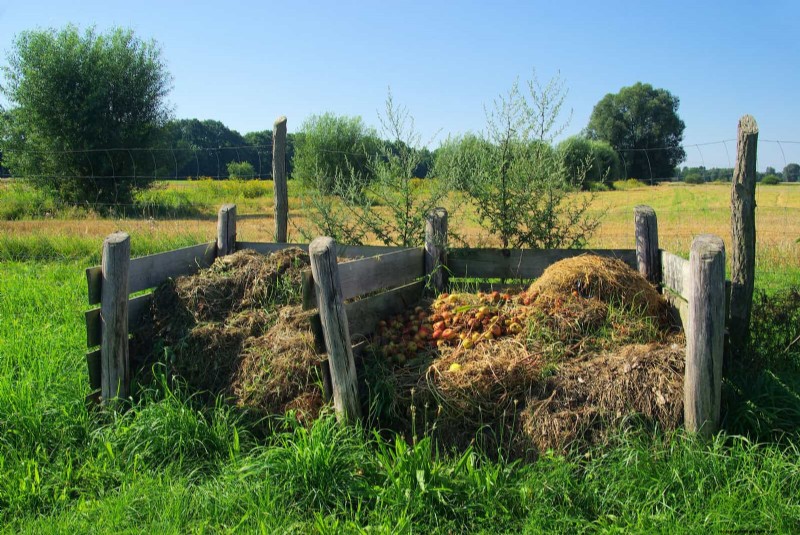
Urban composters typically need compact, enclosed systems that prevent odors in limited spaces. Apartment dwellers might use indoor vermicomposting (worm bins) or bokashi fermentation systems that comply with city regulations.
Suburban composters have more options but still need to consider neighbors. Many suburban municipalities allow traditional compost bins as long as they’re maintained properly. Rural composters face fewer restrictions and can often preserve larger open piles, though wildlife considerations become more important.
 Depositphotos
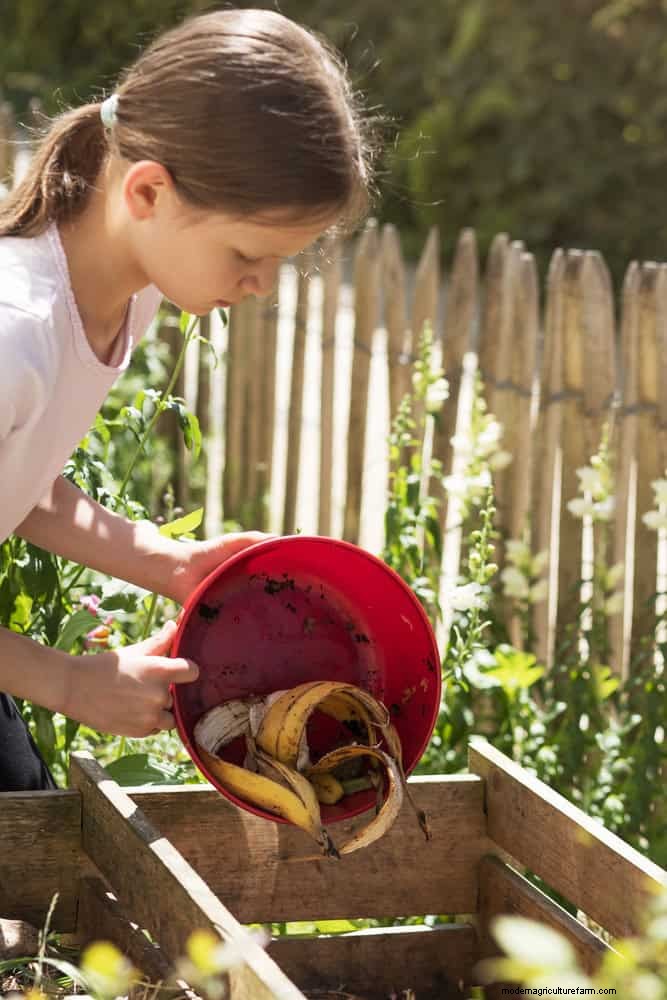
Kids love watching food scraps transform into garden soil. Involve children in collecting kitchen scraps in a countertop container and adding them to the compost pile. They can observe decomposition in action and learn about natural cycles.
School garden programs often incorporate composting education. Many cities provide educational materials to help teachers incorporate legal and practical composting practices into the science curriculum. These programs help raise a generation that understands waste reduction.
 Depositphotos
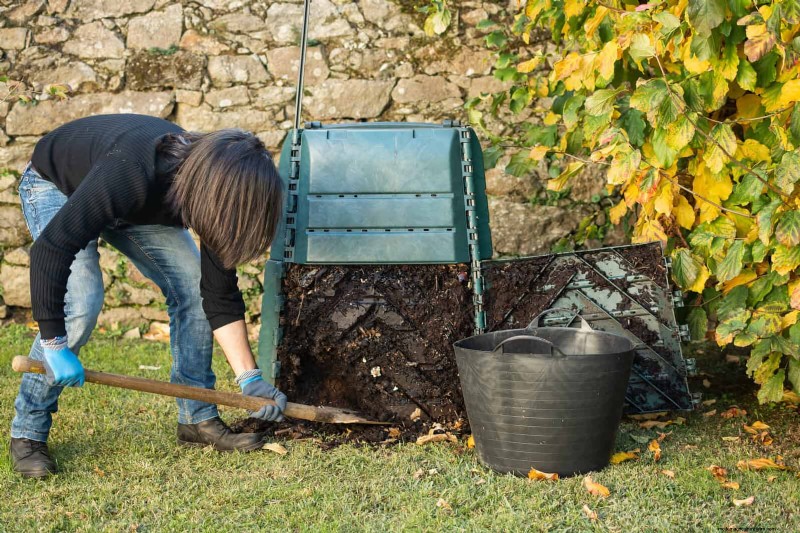
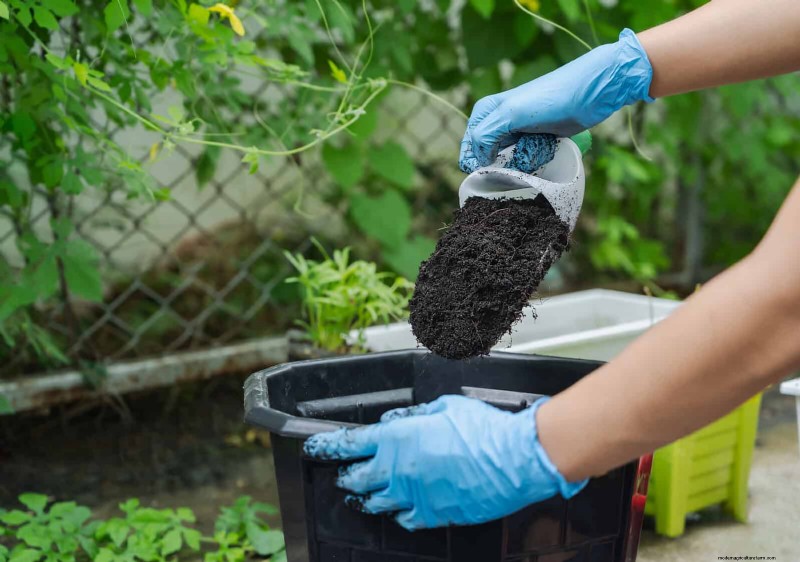
Finished compost looks like dark, crumbly soil with an earthy smell. It’s ready to use when you can no longer identify the original materials. Depending on conditions, most backyard systems produce usable compost in 3 to 12 months.
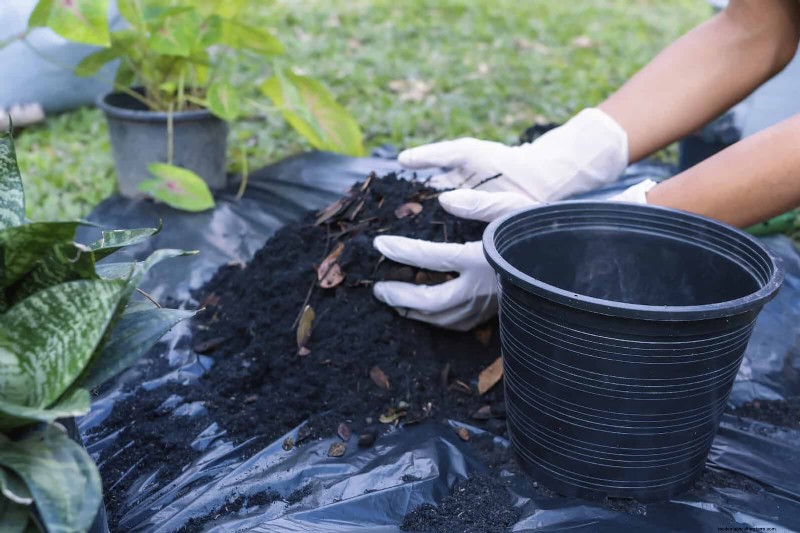
Mix finished compost into garden beds before planting to improve soil structure and fertility. You can also use it as a top dressing around established plants or steep it in water to make “compost tea” for houseplants. The legal compost you’ve created becomes a valuable resource for your garden.
 Depositphotos
Vegetable gardens thrive with the addition of compost. Add 1 to 2 inches to beds before planting, or use it to fill planting holes for tomatoes and other heavy feeders. The nutrients are released slowly, feeding plants throughout the growing season.
Flower beds benefit from annual compost applications, too. A half-inch layer worked into the soil improves drainage in clay soils and helps sandy soils retain moisture. Many gardeners report more abundant blooms and healthier plants after using homemade compost.
 Depositphotos
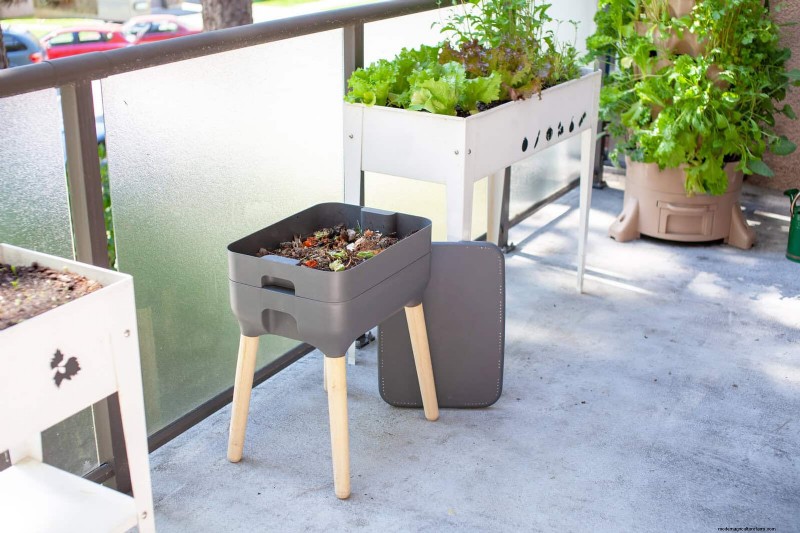
Worm bins offer a legal composting solution for apartments, condos, and homes with small yards. These systems use red wiggler worms to process food scraps into castings (worm poop) that make exceptional plant fertilizer.
Indoor vermicomposting rarely violates regulations since it does not create outdoor nuisance issues. A properly maintained worm bin shouldn’t smell and can process several pounds of kitchen scraps weekly. Its compact size makes it ideal for urban dwellers wanting to compost legally.
 Depositphotos
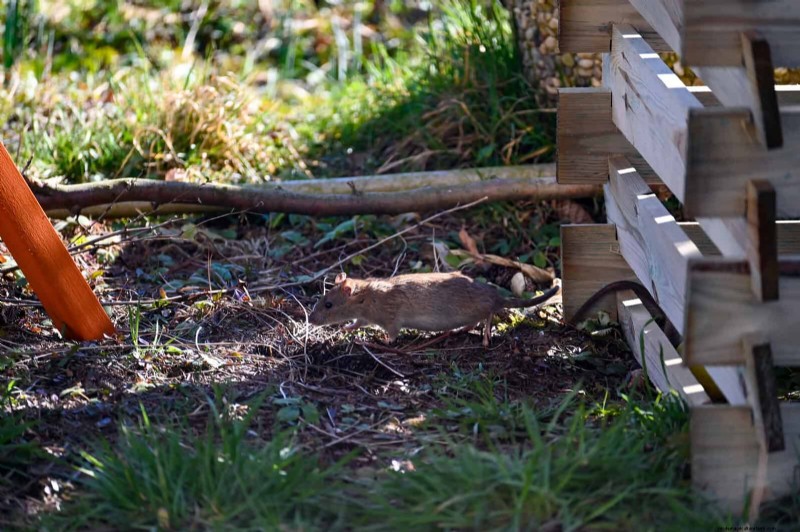
Rodents or raccoons visiting your compost pile could violate local wildlife ordinances. To prevent these visitors, avoid meat and dairy products and use enclosed bins with small ventilation holes. Some composters line the bottom of their bins with hardware cloth to prevent digging.
Fruit flies around kitchen collection containers can be prevented by freezing scraps before adding them to your outdoor pile. Always cover fresh additions with browns or finished compost for outdoor fly issues, and ensure your pile stays properly moistened but not soggy.
 Depositphotos
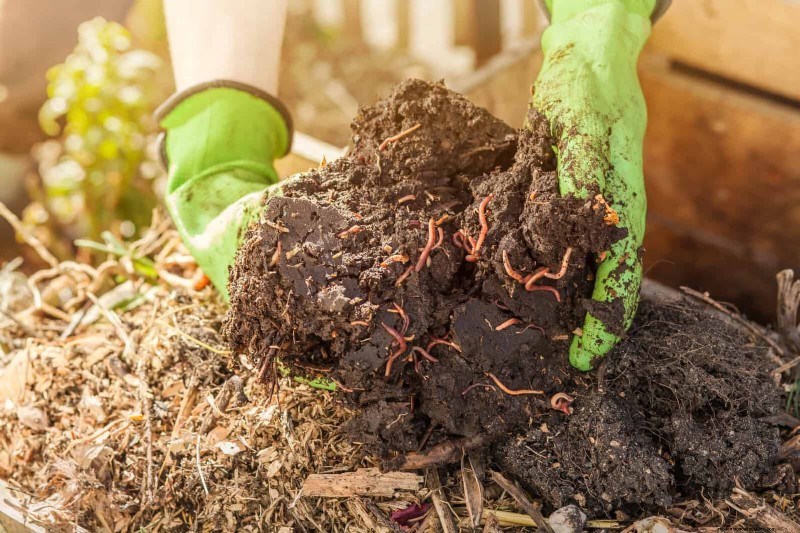
Local earthworms will find your compost pile naturally in most areas. They help aerate the pile and speed decomposition, indicating a healthy compost ecosystem that breaks down materials efficiently.
Beneficial bacteria and fungi do most of the decomposition work. You can purchase compost activators, but they’re rarely necessary. Simply adding a shovelful of garden soil to your new pile introduces all the microorganisms needed to start the process.
 Depositphotos
Hot, humid climates require more frequent turning to prevent anaerobic conditions that create odors. Covering piles during heavy rain events prevents nutrients from leaching away. Due to consistently warm temperatures, these regions typically produce finished compost more quickly.
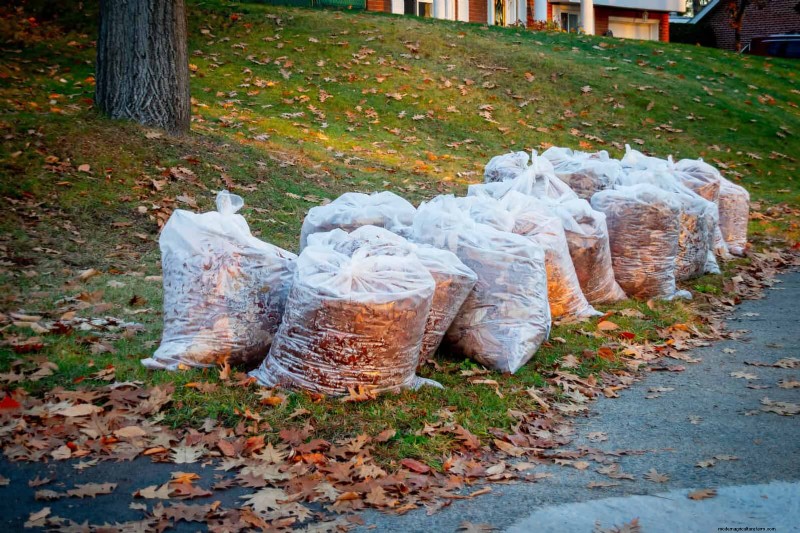
Cold climate composters may need insulated bins to extend the active season. Stockpiling fall leaves provides brown materials throughout the year. Winter decomposition slows dramatically, but activity will resume quickly when temperatures warm in spring.
 Depositphotos
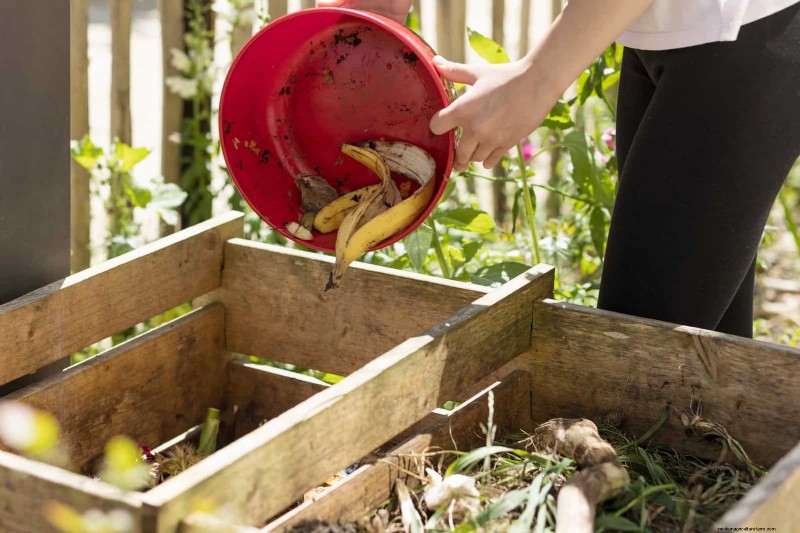
The average American household generates about 470 pounds of food waste annually. Composting this material instead of sending it to landfills prevents about 294 pounds of greenhouse gas emissions per year, equivalent to the emissions from driving 328 miles.
Municipalities track these savings, too. Cities with robust composting programs report significant reductions in landfill tipping fees and transportation costs. These measurable benefits explain why more local governments explicitly make backyard composting legal and encourage it.
 Depositphotos
Community composting initiatives help normalize the practice and create supportive networks. Some neighborhoods establish shared composting sites where apartment dwellers can bring scraps. These programs often operate with explicit municipal approval.
Gardening clubs and community gardens frequently incorporate composting education into their activities. They can help advocate for clear, reasonable regulations that support sustainable practices while addressing legitimate community concerns.
 Depositphotos
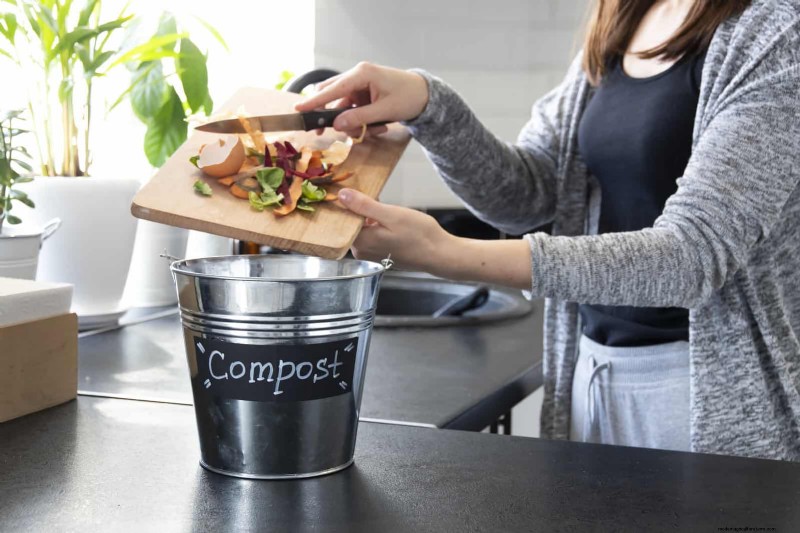
The transformation from banana peels to black gold takes time but requires minimal effort. Simply collecting kitchen scraps and yard waste in the right proportions creates an amazing soil amendment without expensive inputs. The finished product contains macronutrients and micronutrients that plants need.
Compost improves soil structure, helping it retain moisture during dry periods and drain properly during wet ones. It also supports beneficial soil organisms that help plants resist disease and access nutrients. This natural cycle keeps organic matter out of landfills while enhancing garden productivity.
 Depositphotos
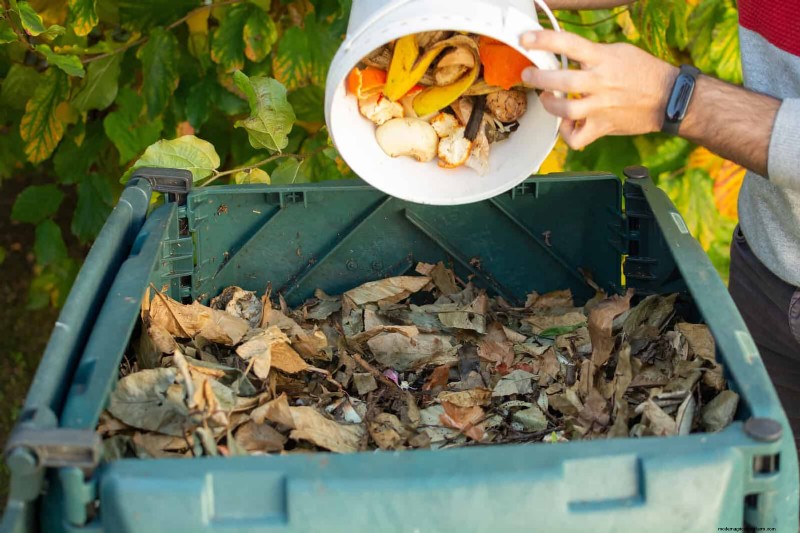
Backyard composting remains legal in most parts of the country, with reasonable regulations designed to prevent nuisance issues. By following local guidelines about bin types, pile locations, and appropriate materials, you can confidently turn kitchen scraps into valuable compost without legal concerns.
The environmental benefits of composting food waste extend far beyond your garden. Each pound of food scraps you divert from landfills helps reduce methane emissions while creating something valuable. With minimal effort and attention to local regulations, you can legally participate in one of nature’s most remarkable recycling systems right in your own backyard.