Welcome to Modern Agriculture!

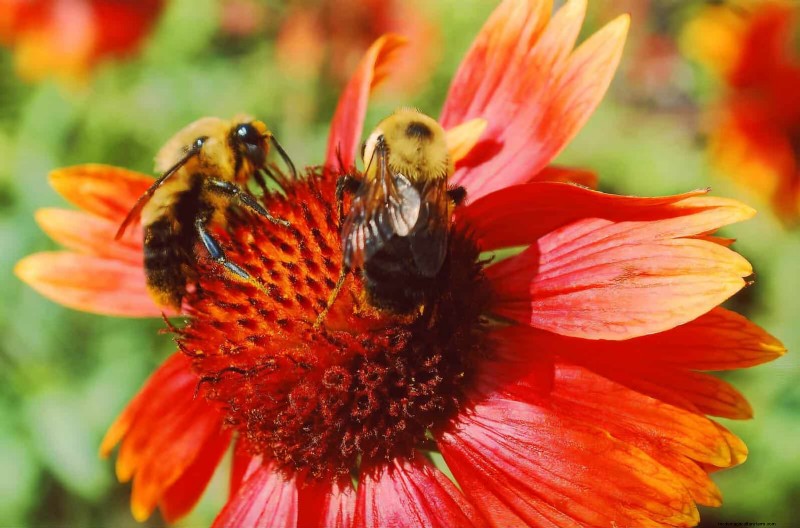
Transform your yard from a simple flower display into a thriving pollinator habitat. The plants below are native, drought‑resistant, and loaded with the nectar that bees, butterflies, and hummingbirds crave. By choosing these species, you’ll support local biodiversity, improve soil health, and create a garden that buzzes with life all season long.
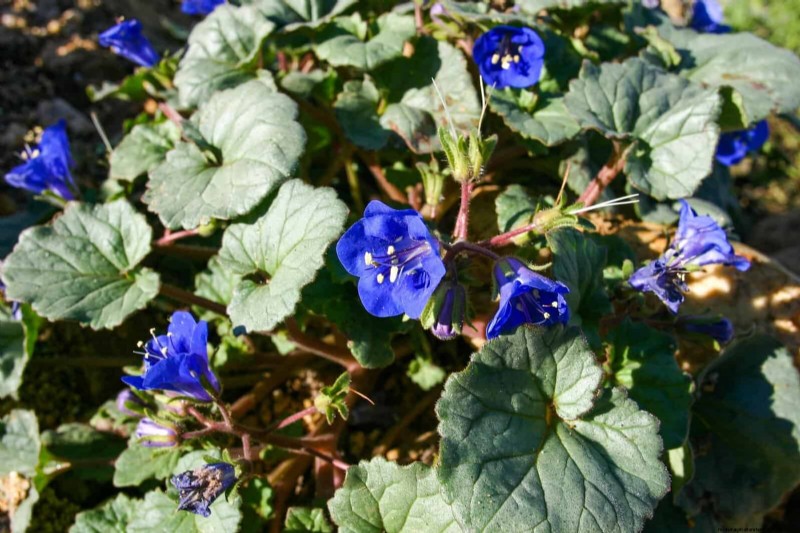
This drought‑tolerant wildflower delivers cobalt‑blue, bell‑shaped blooms that attract early‑spring pollinators. Native to the Southwest, it thrives on sandy soils and full sun, providing vital nectar when few other flowers are available. Its fuzzy leaves deter rabbits, and it reseeds easily for year‑after‑year beauty.
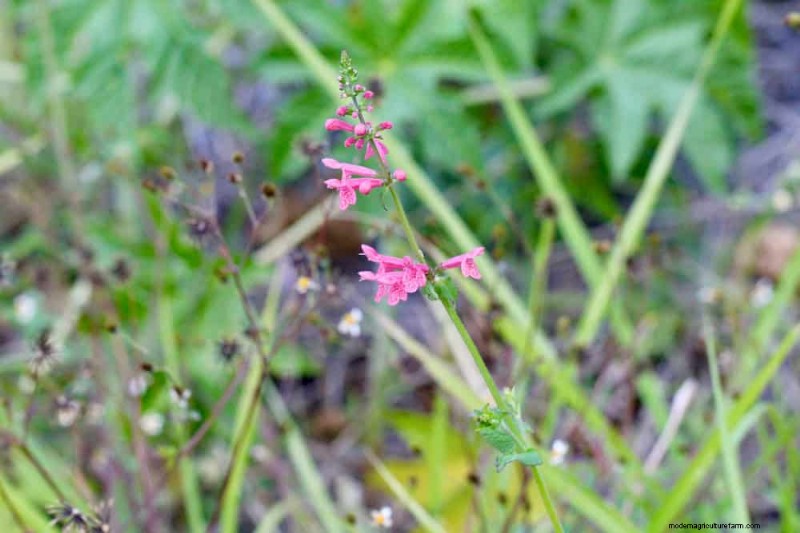
Long‑blooming, bright red tubular flowers draw bees, butterflies, and hummingbirds. This heat‑tolerant perennial prefers sunny spots with well‑drained soils and pairs beautifully with native grasses. Its fragrant foliage repels deer, making it a low‑maintenance xeric‑garden staple.
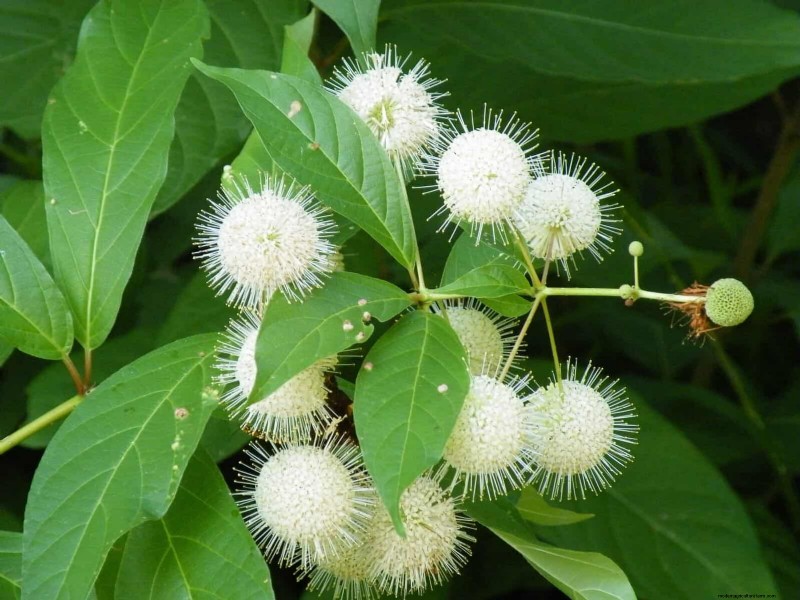
Wetland lovers will appreciate this shrub’s round, white “pincushion” blooms that bustle with pollinators. It thrives in moist soils but tolerates brief dry spells, making it ideal for rain gardens, pond edges, and low spots. It also serves as a host plant for moth larvae, adding ecological value.
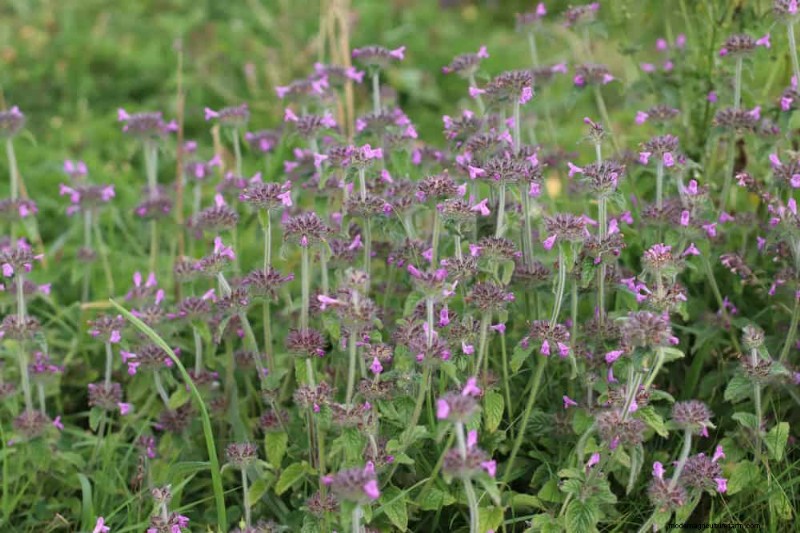
Hardy and fragrant, this perennial offers clusters of soft purple‑pink flowers that attract bees, butterflies, and other pollinators. It prefers dry, well‑drained soils and full sun to partial shade. Its deer‑resistant foliage and drought tolerance make it a reliable nectar source well into the growing season.
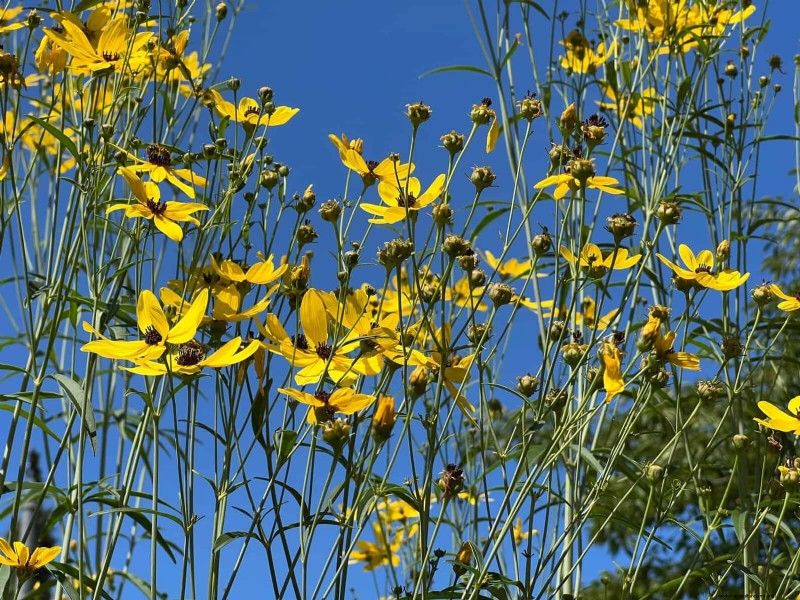
With bright yellow, daisy‑like flowers, this tall native provides an eye‑catching, pollinator‑friendly structure. Growing up to 8 ft, it thrives in prairies and open woodlands, tolerates drought, and produces seed heads that attract birds when mature.
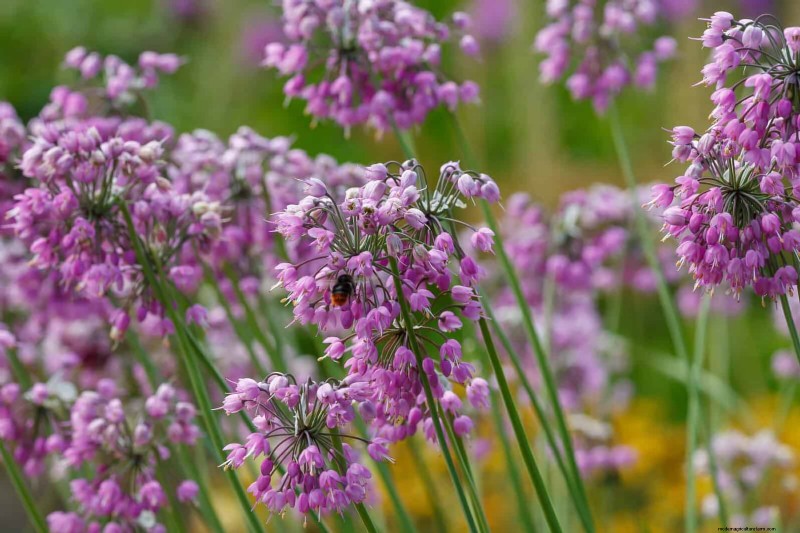
Its delicate pink blossoms bloom during the vital “pollinator’s window” in late spring. Thriving in well‑drained soils, it adds texture to rock gardens, native beds, or sunny borders, offering edible foliage and a late‑season nectar source.
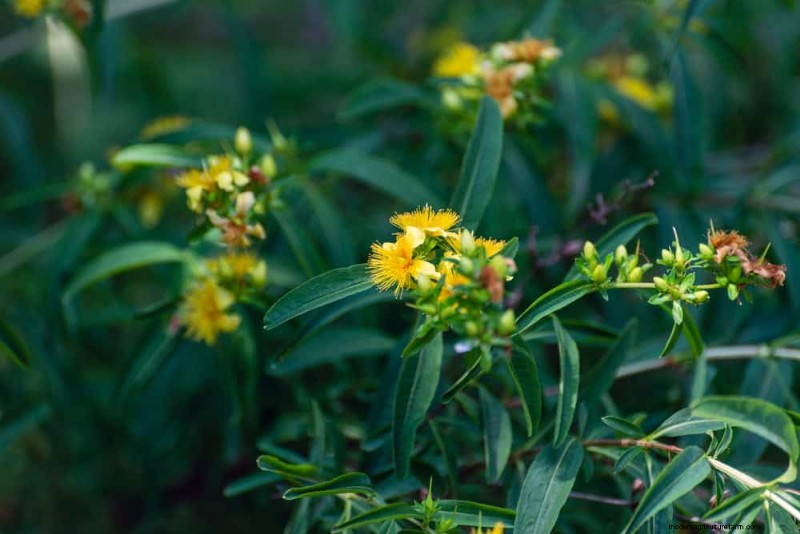
Golden‑yellow flowers make this shrub a bee favorite. It stays under 3 ft, tolerates various soils, and remains vibrant through dry periods. Its compact growth and long bloom period make it an ideal low‑maintenance plant for small gardens.
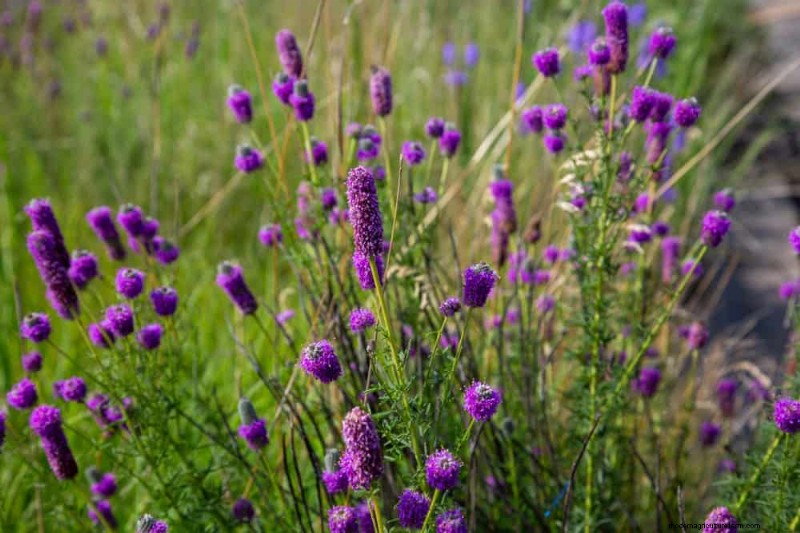
Vivid purple flowers resemble fuzzy cones, making it a true “nut‑fixing” plant. It thrives in full sun, dry conditions, and attracts bees, butterflies, and other pollinators. Its resilience and nitrogen‑fixing ability make it a key component of prairie restorations.
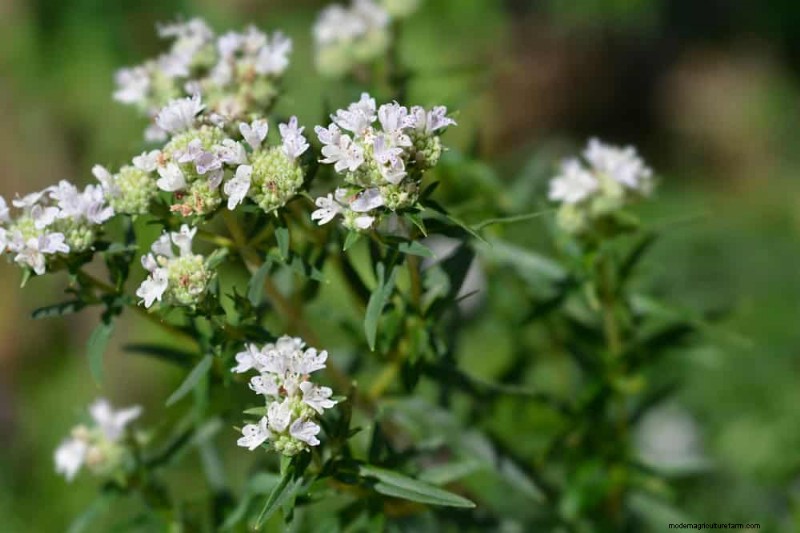
Soft lavender‑white flowers lure pollinators while its aromatic foliage deters deer. Growing best in full sun and moist to average soils, it’s a versatile, fragrant addition to native gardens and restoration projects.
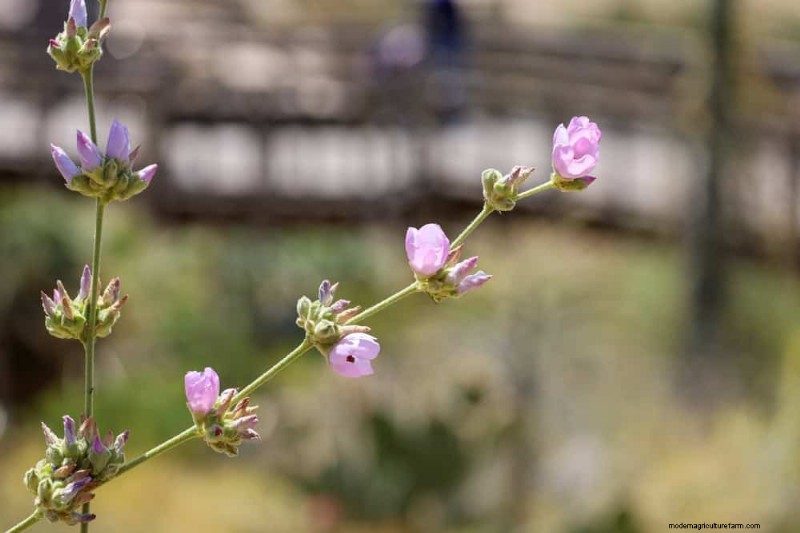
With pink blossoms that add texture to dry, hot climates, this shrub thrives on neglect. It’s fire‑resistant, making it a valuable choice for slope gardens and habitat restoration while supporting specialist bees.
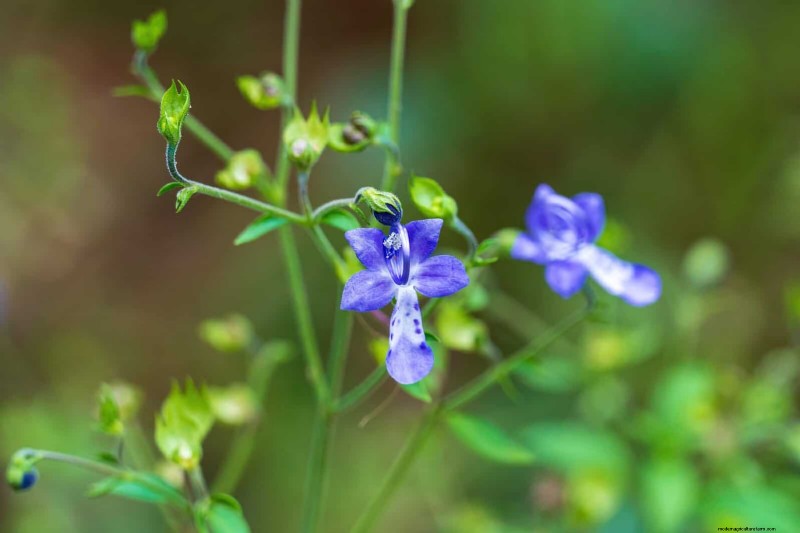
Violet‑blue curling flowers bloom in late summer and fall, attracting bumblebees with their nectar. This compact, fragrant plant is perfect for edges and pollinator strips.
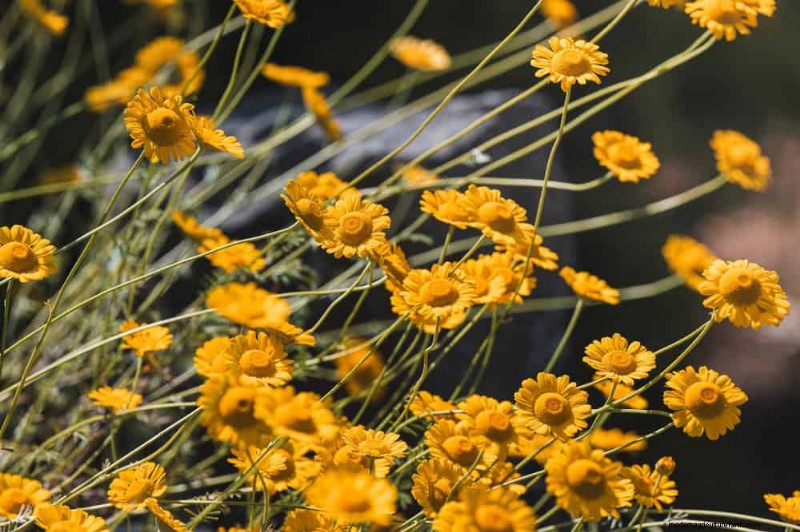
Bright yellow petals offer striking color, while its silvery foliage reflects heat. Ideal for xeriscapes, it blooms in mild climates year‑after‑year, providing continuous nectar for pollinators.
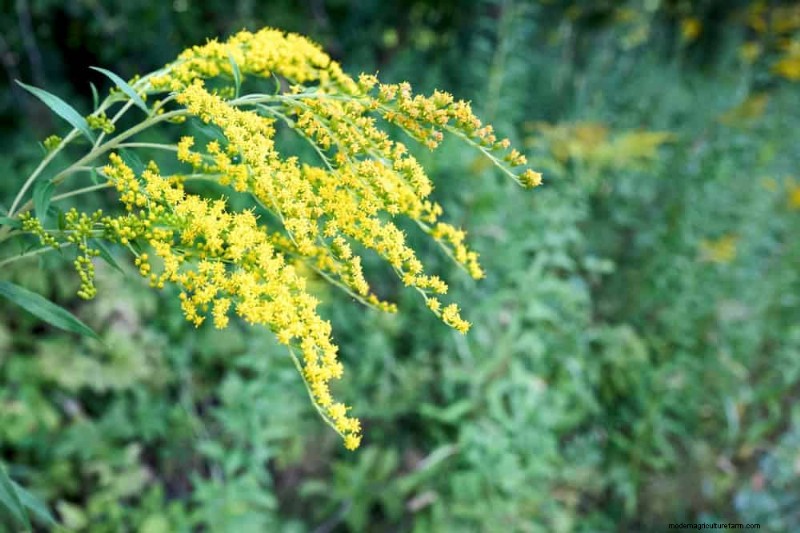
Unlike aggressive goldenrods, this cultivar stays tidy and produces golden sprays in fall. It’s a dependable late‑season nectar source for migrating butterflies and hungry bees, thriving in sunny spots with average to moist soils.
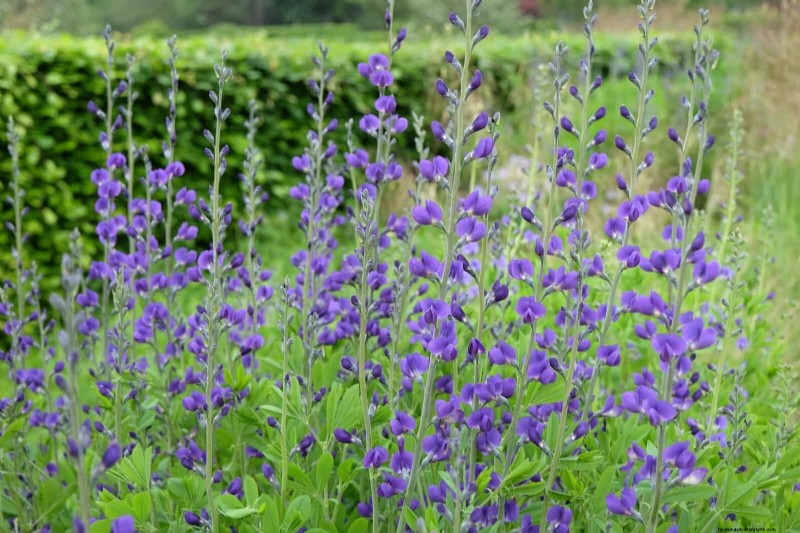
Sturdy, blue‑violet flowers add structure to borders. This nitrogen‑fixing perennial is drought‑tolerant, deer‑resistant, and ideal for early‑season pollinator gardens.
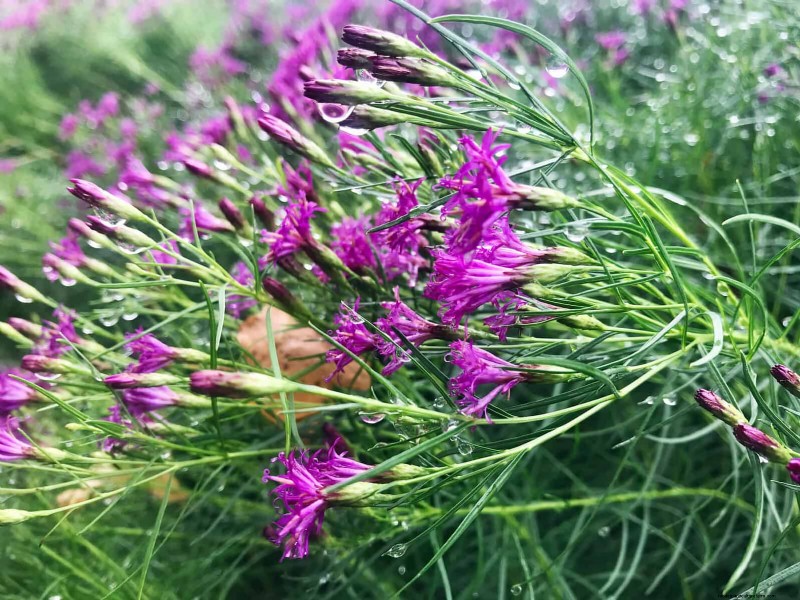
Feathery foliage and electric purple blooms create a striking look. Its late‑summer and fall blooms attract monarchs and other pollinators, making it a valuable addition to meadows and sunny beds.
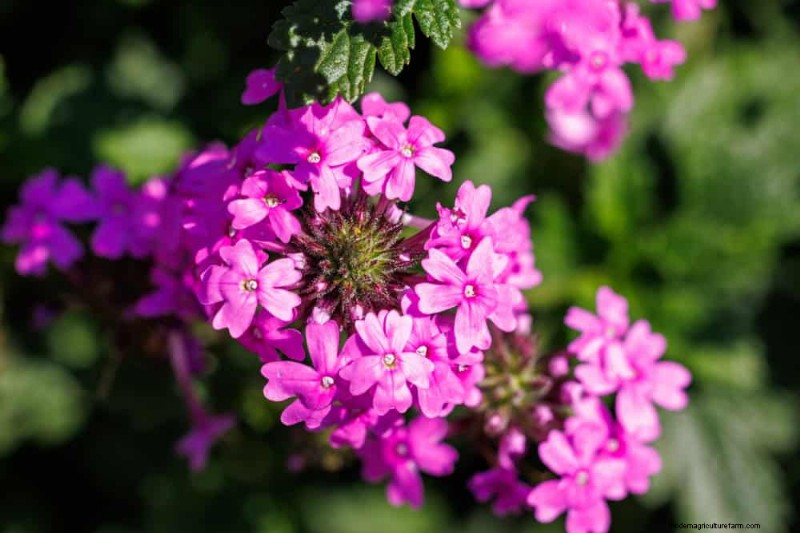
Bright magenta or pink clusters entice bees and butterflies. Thriving in full sun and well‑drained soils, it offers long‑lasting color and nectar while remaining low‑maintenance.
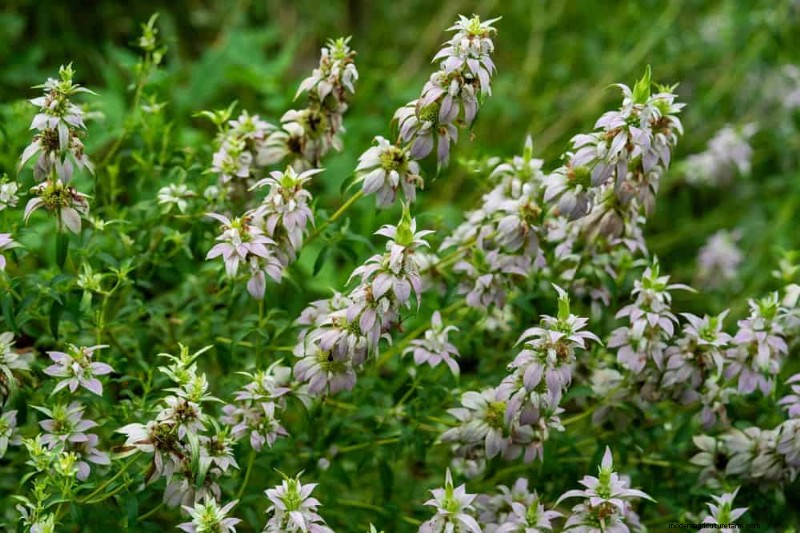
Its pale pink flowers with purple spots provide an attractive nectar source in full sun on sandy soils. Drought‑tolerant and fragrant, it’s a favorite of bees, butterflies, and beneficial wasps.
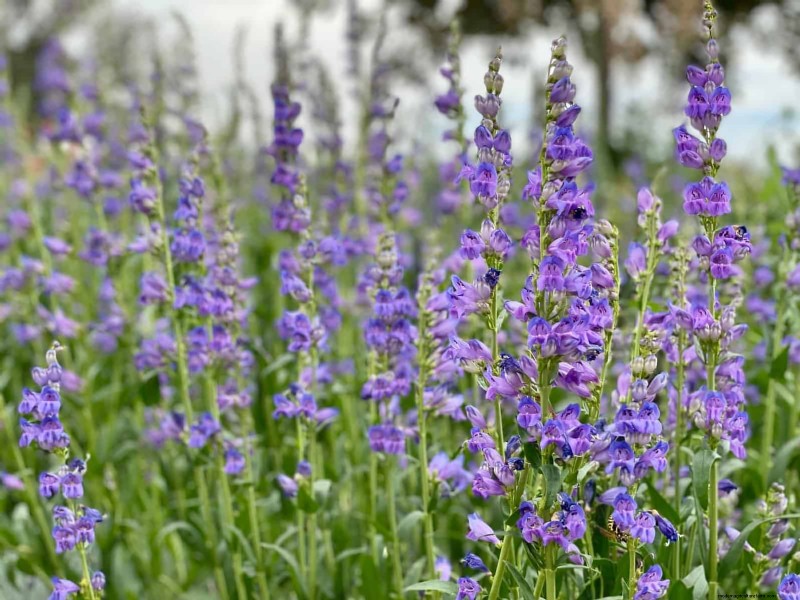
Blue‑purple tubular blooms attract bumblebees. Adapted to dry, well‑drained soils, it thrives in full sun at higher elevations, offering a long‑lasting, pollinator‑friendly presence.
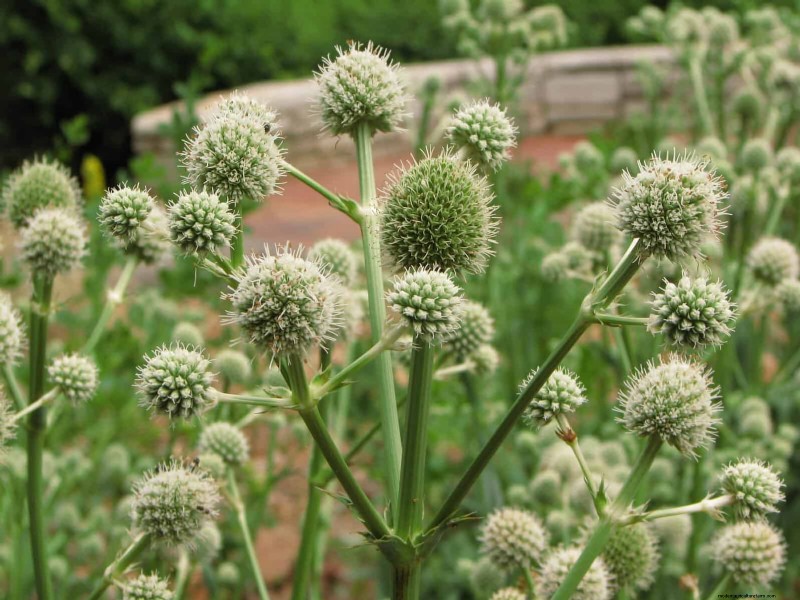
Spiky white globes and sword‑like leaves give this prairie native strong architectural interest. It blooms midsummer, attracting bees, butterflies, and beetles while supporting moth larvae.
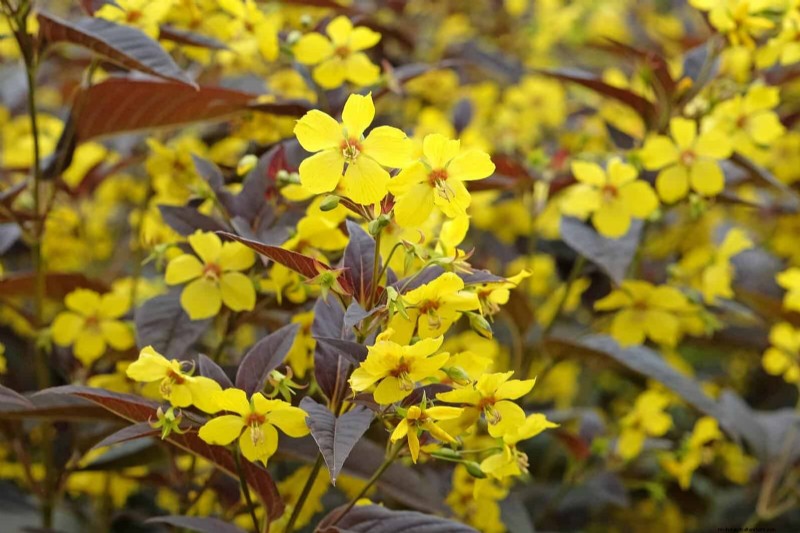
Summer‑season yellow nodding flowers lure native bees. Thriving in moist meadows and stream banks, it spreads by rhizomes and provides a larval host for looper moths.
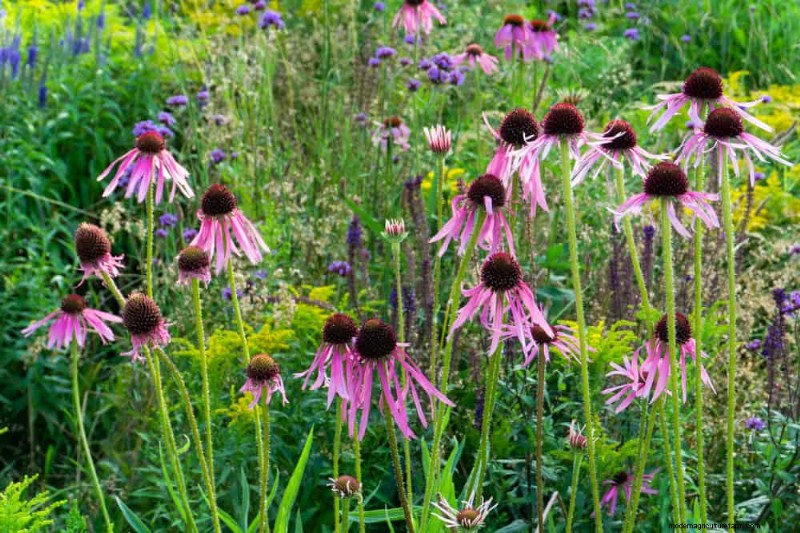
Soft lavender petals droop from a central cone, creating an elegant early‑summer bloom. This drought‑tolerant perennial attracts bees and butterflies while remaining deer‑resistant.
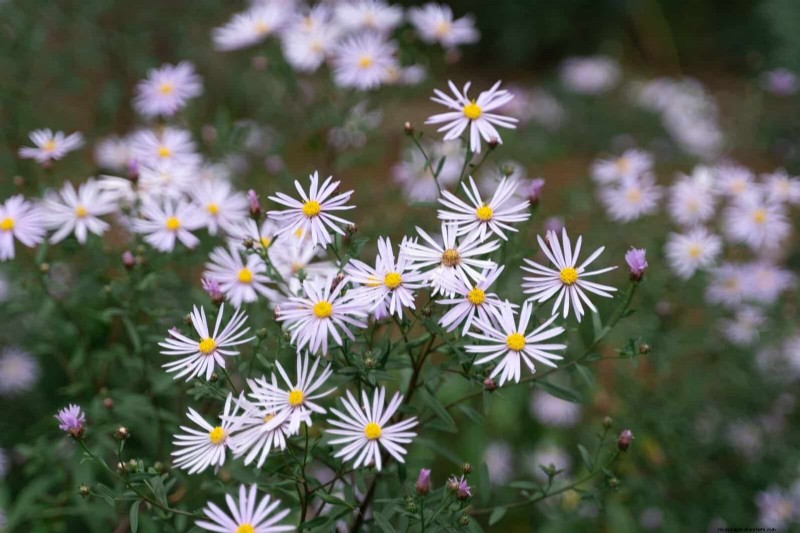
Fall‑season blue daisy‑like flowers support migrating butterflies and native bees. It thrives in sunny prairies and dry woodlands, adding a cloud‑like presence to late‑season pollinator gardens.
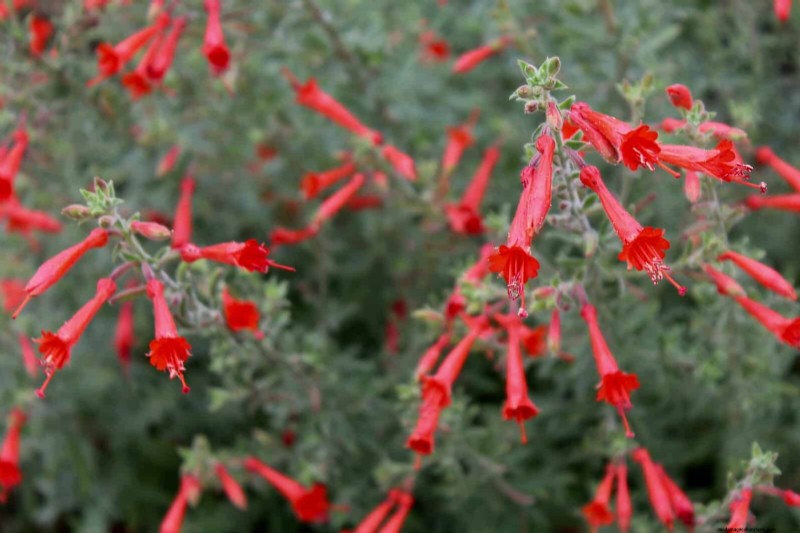
Fiery red blooms attract hummingbirds and bees from summer into fall. This drought‑tolerant shrub thrives on rocky soils, providing late‑season nectar and deer resistance.
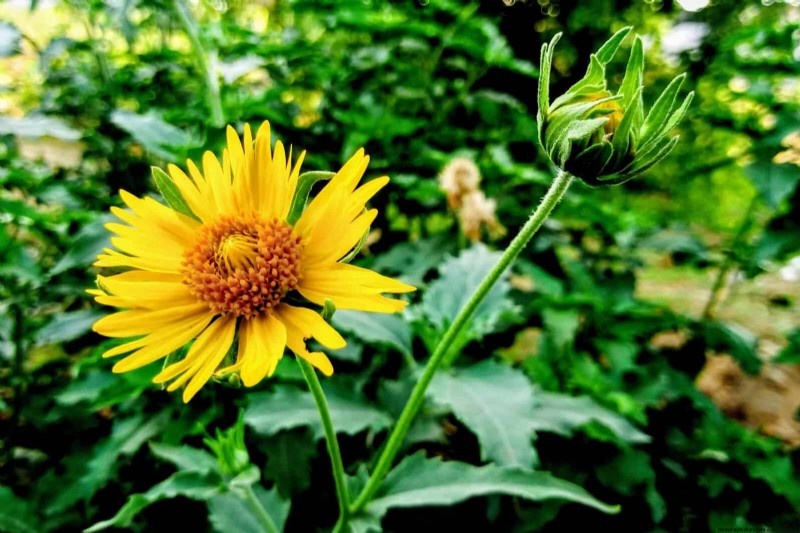
Bright yellow flowers fill hot, dry spots with pollinator activity. The plant reseeds readily, making it a quick‑growing, low‑maintenance addition to informal gardens.
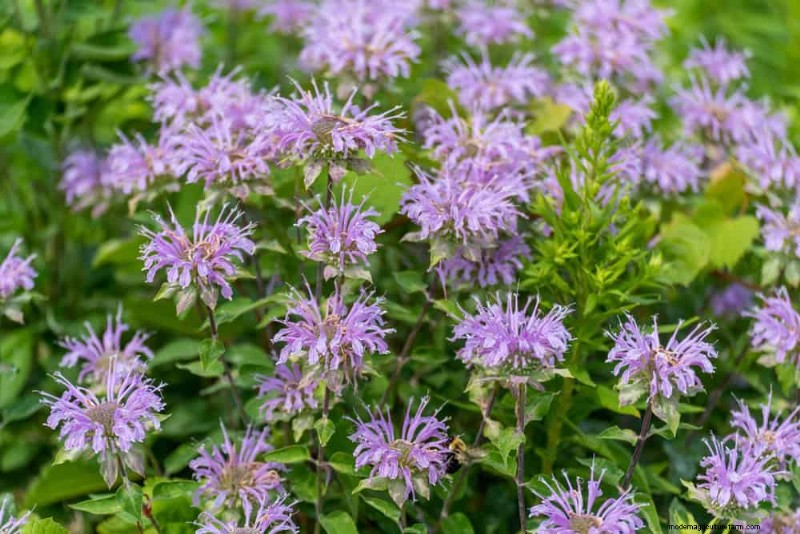
Lavender‑colored blooms lure bees, butterflies, and hummingbirds all summer. Its fragrant foliage is deer‑resistant and suitable for tea, making it both functional and attractive.
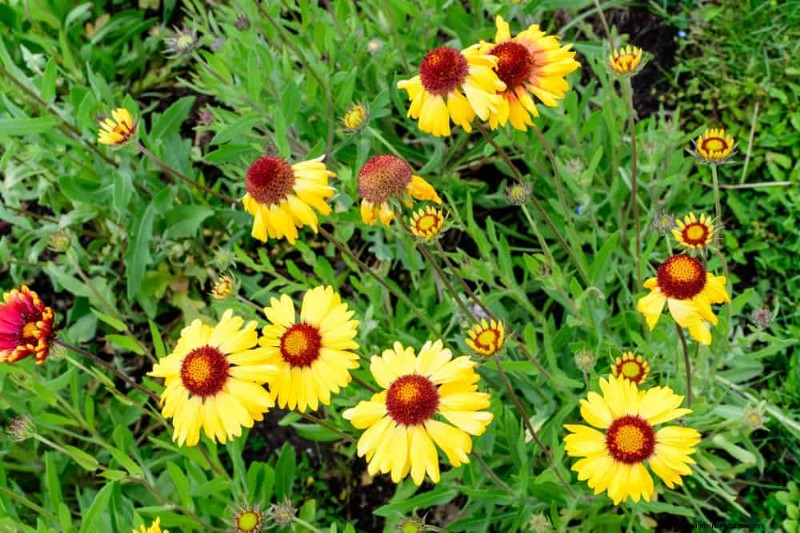
Red, orange, and yellow daisy‑like flowers flourish in sandy soils, offering reliable nectar in hot summers. Its short‑lived, drought‑tolerant nature makes it ideal for sunny borders and pollinator beds.
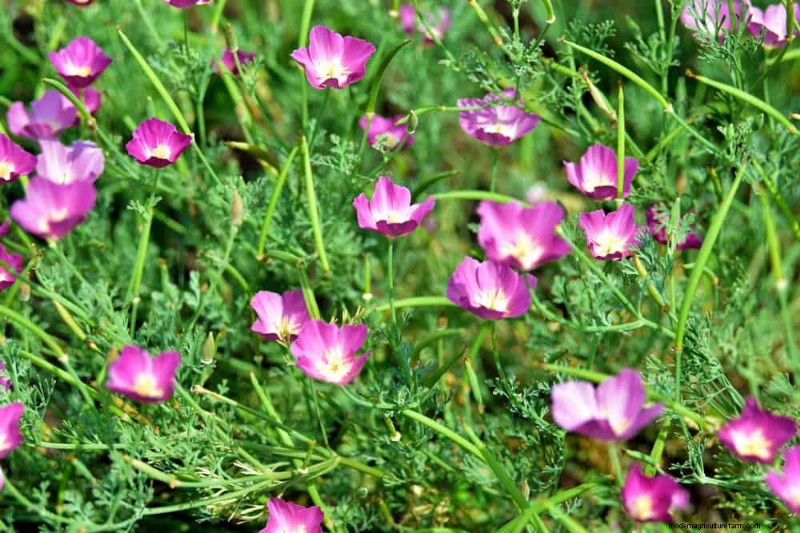
Deep magenta, cup‑shaped flowers trail along the ground, attracting small bees. Its deer‑resistant, drought‑tolerant growth makes it a charming ground cover for sunny slopes.
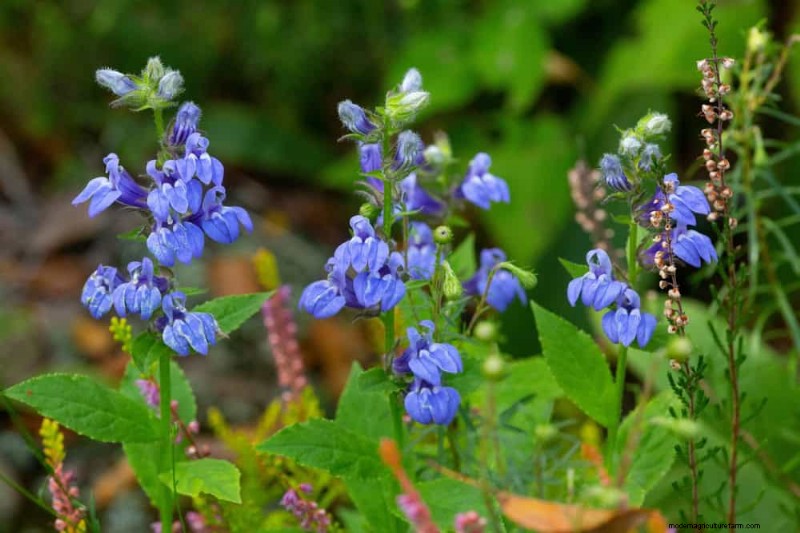
Bright blue spikes thrive in damp, part‑shade conditions, ideal for rain gardens and low areas. Bumblebees flock to its tubular flowers, brightening wet spots with color.
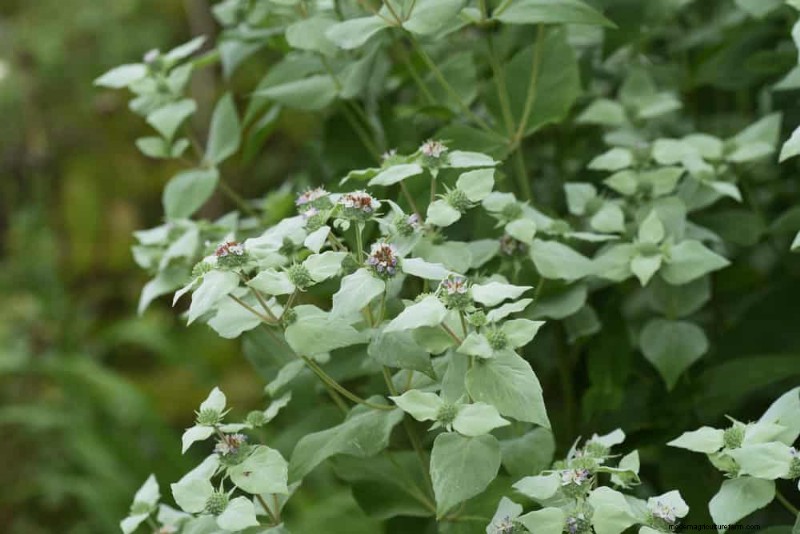
Silver‑bracted, dense flower heads attract a wide array of pollinators. This minty scent repels deer while supporting beneficial insects. It spreads readily, so manage with trimming.
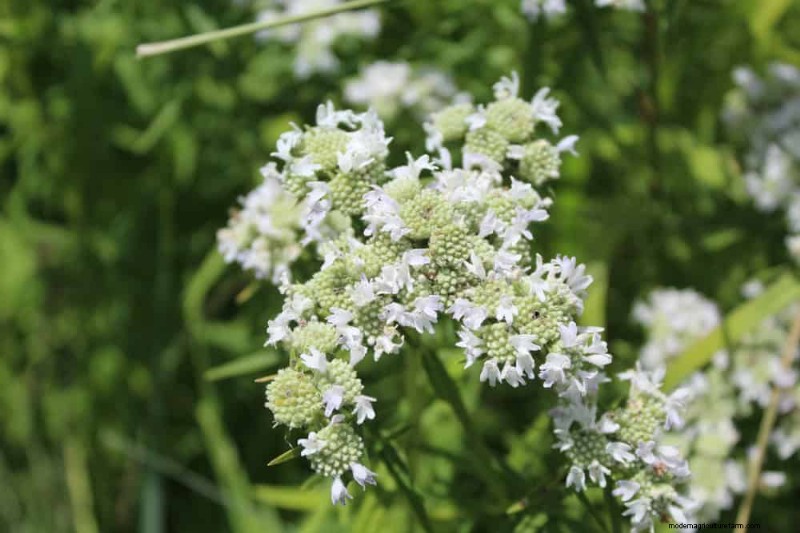
Fine, threadlike leaves and tiny white flowers provide a subtle, fragrant addition to sunny beds. Its modest spread and deer deterrence make it an adaptable pollinator host.
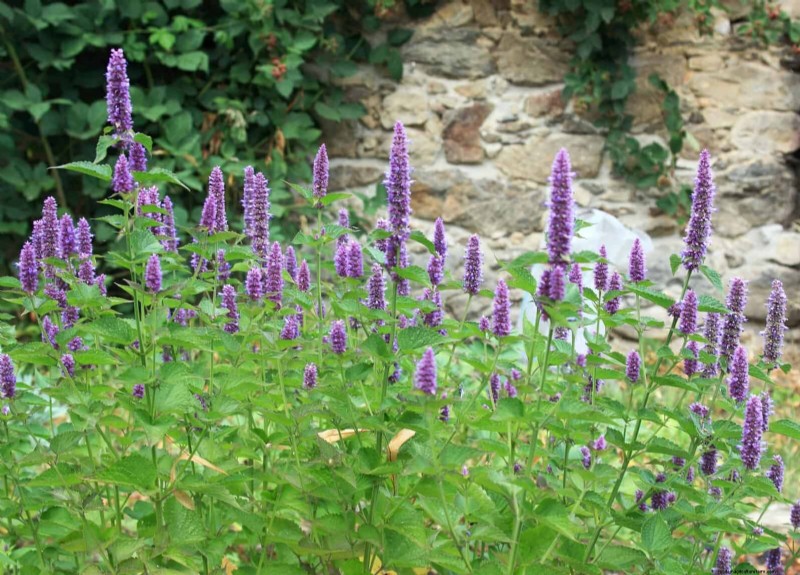
Fragrant, purple flower spikes bloom from summer into fall, attracting bees, butterflies, and hummingbirds. This drought‑tolerant herb also offers edible, licorice‑scented leaves for tea.
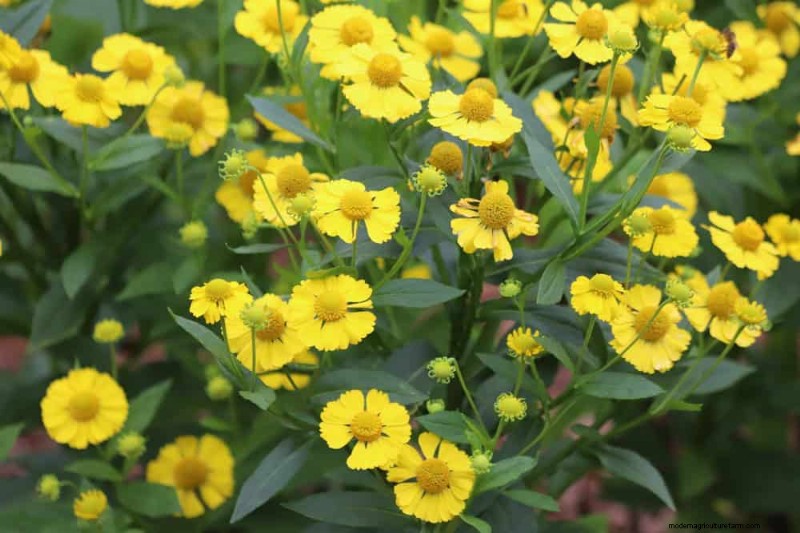
Cheerful yellow flowers feed butterflies and bees, thriving in moist areas. Its late‑season color provides valuable forage for pollinators during mandatory mandays.
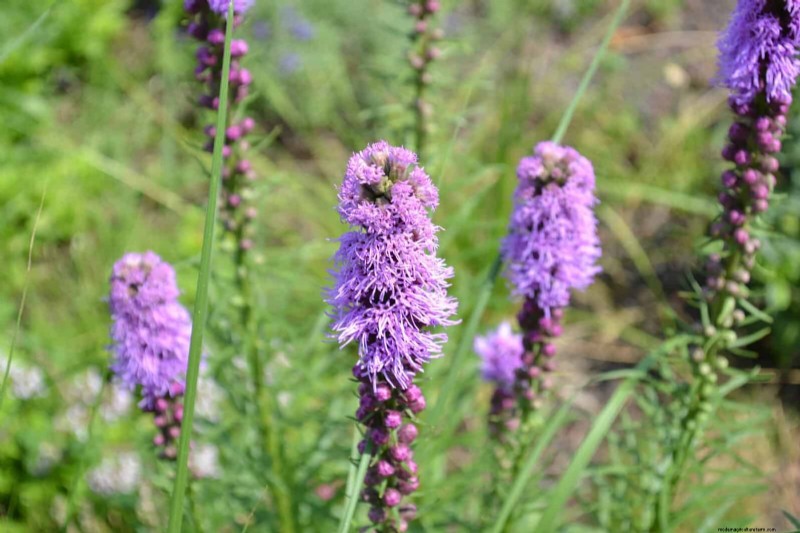
Tall, purple spike‑like inflorescences flourish in moist soils and attract bees, butterflies, and hummingbirds. A host for moths, it adds vertical interest and late‑summer nectar.
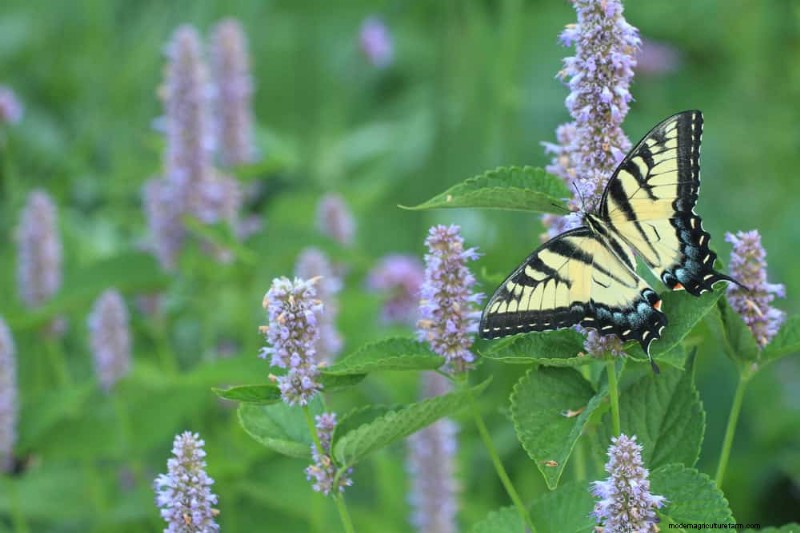
These nectar‑rich plants turn any yard into a vibrant, pollinator‑friendly habitat. Whether you have full sun, partial shade, or a mix, there’s a native species that fits your climate and supports local wildlife.
Take action now: select at least one of these species, plant it responsibly, and watch your garden become a thriving, five‑star food source for pollinators.
Need a starter guide? 17 Ways to Attract More Pollinators to Your Garden This Spring
Editorial oversight
GardenTabs content is reviewed by Steve Snedeker, a seasoned gardener with decades of hands‑on landscaping experience.