Welcome to Modern Agriculture!

 Shutterstock
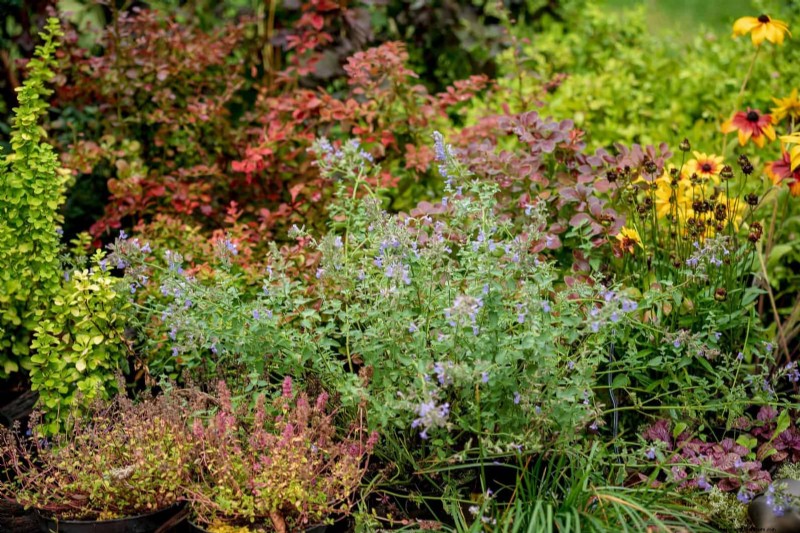
Perennials are the cornerstone of hassle‑free gardening. These resilient plants return season after season with minimal care, adding color, texture, and structure without the need for constant replanting. Whether you’re new to gardening or managing a busy yard, selecting the right perennials can transform your outdoor space into a vibrant oasis with very little effort. This guide covers a spectrum of plants—from long‑blooming species to elegant ground covers—suitable for every light condition. Most importantly, these low‑maintenance varieties handle the hard work, letting you enjoy a stunning garden without the stress.
 Shutterstock
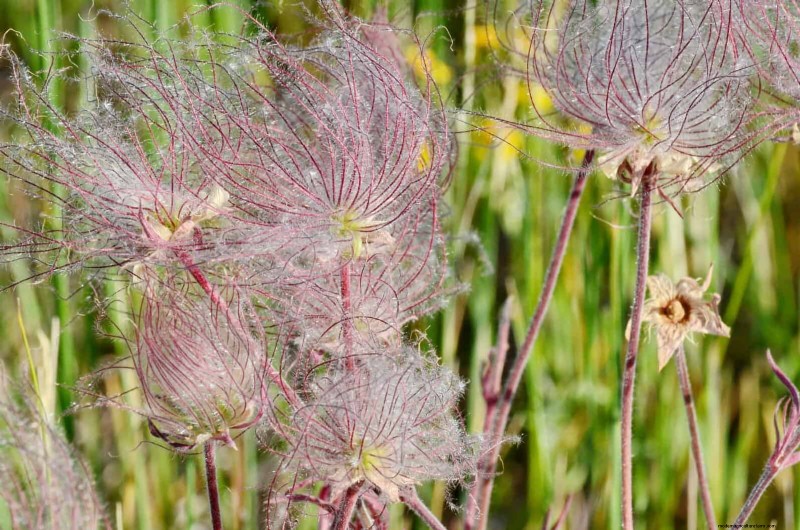
Prairie Smoke (Geum triflorum) is a native perennial that thrives in dry, sunny spots. Its soft pink, nodding flowers transition into airy, smoke‑like seed heads that add movement and texture. Drought‑tolerant, cold‑hardy, and well‑adapted to well‑drained soils, it requires little maintenance once established and is naturally resistant to deer and rabbit browsing. Ideal for naturalistic borders or prairie‑style beds, it pairs beautifully with grasses for an effortlessly wild aesthetic.
 Shutterstock
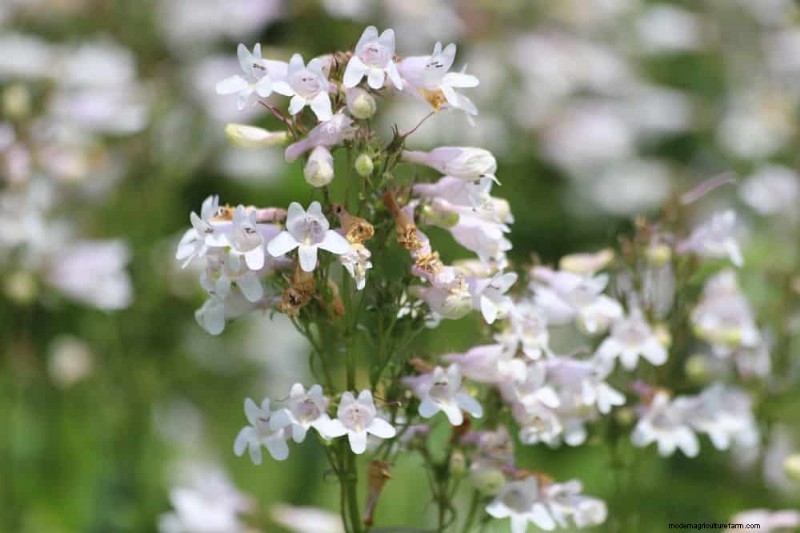
Penstemon produces tall, elegant spires of tubular flowers in early summer, attracting bees and hummingbirds. The native ‘Husker Red’ cultivar features striking burgundy foliage that remains attractive throughout the year. Established plants thrive in full sun, tolerate drought, and thrive in well‑draining soil, rarely requiring division. Seed heads can be left to provide winter interest or trimmed for a neater appearance. Penstemon adds graceful verticality and subtle color to mixed borders.
 Shutterstock
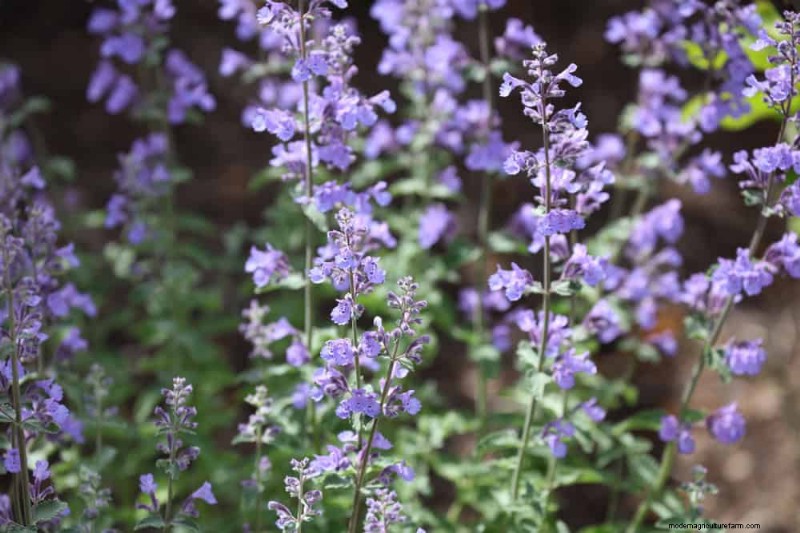
Catmint is a hardy, fragrant perennial that delivers soft purple blooms adored by bees and butterflies. It tolerates poor soil and full sun, becoming almost maintenance‑free once established. The gray‑green foliage remains attractive all season, and a gentle shearing after the first bloom prompts a second flowering flush. Naturally deer‑resistant, it’s an excellent choice for unfenced borders and pathways.
 Shutterstock
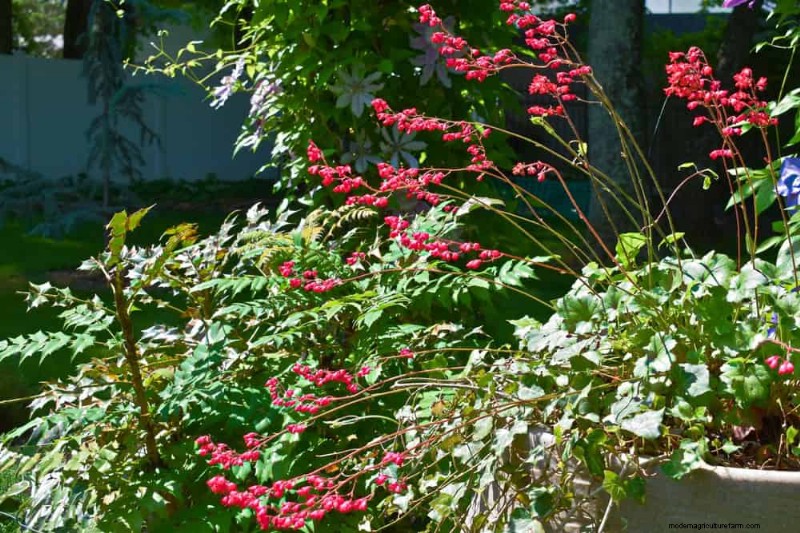
Heucheras provide a spectrum of vibrant foliage—from deep reds and purples to lime and silver—making them a low‑maintenance showpiece. Thriving in part shade and moist, well‑draining soil, they’re ideal for edging, containers, or woodland gardens. The small bell‑shaped flowers are charming, but the leaves steal the show year‑round. Most varieties remain evergreen in mild climates and attract hummingbirds with their subtle blossoms.
 Shutterstock
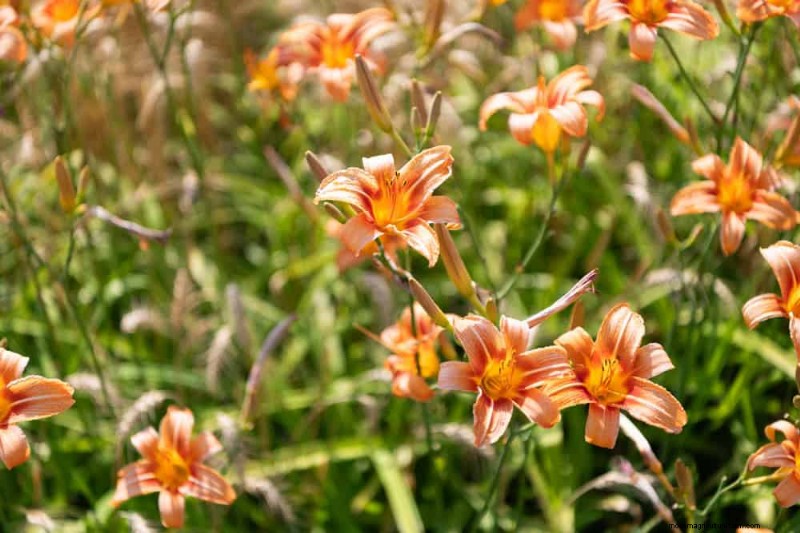
Daylilies are a perennial staple that adapts to a wide range of conditions. They bloom in early summer and often rebloom later with simple deadheading. Their strappy green foliage stays tidy even after flowers fade. Once planted, they need only sunshine and water, and dividing every few years keeps them vigorous. With hundreds of colors, there’s a daylily for every garden theme.
 Shutterstock
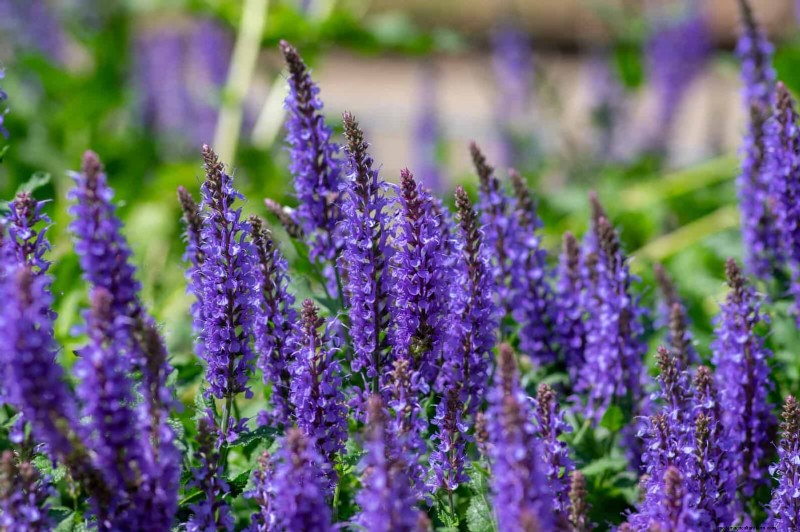
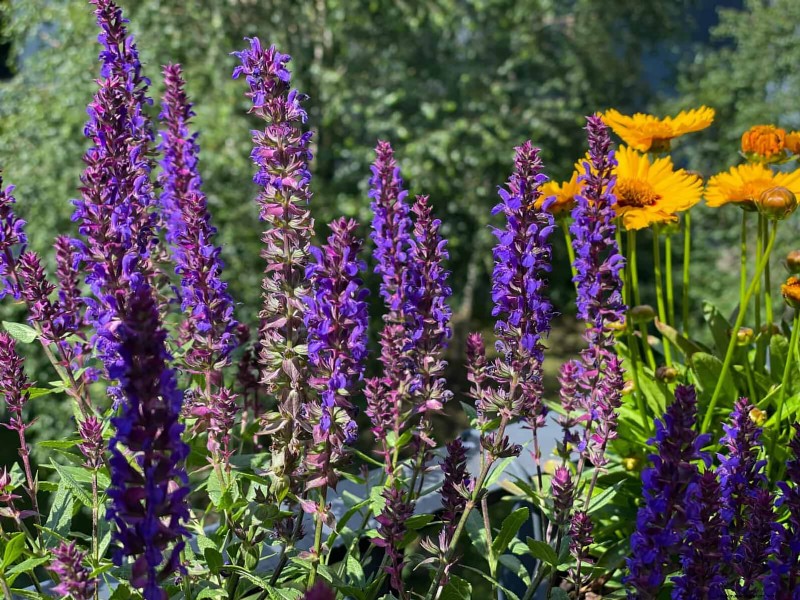
Salvia offers vivid spikes of purple, blue, or pink that flourish in full sun. Blooming in early summer, they can rebloom with light pruning. Highly attractive to pollinators, these plants are deer‑ and rabbit‑resistant. Once established, they are drought‑tolerant and thrive in poor soil, adding vertical structure to beds. Pairing them with coneflowers or ornamental grasses creates a low‑maintenance, eye‑catching display.
 Shutterstock
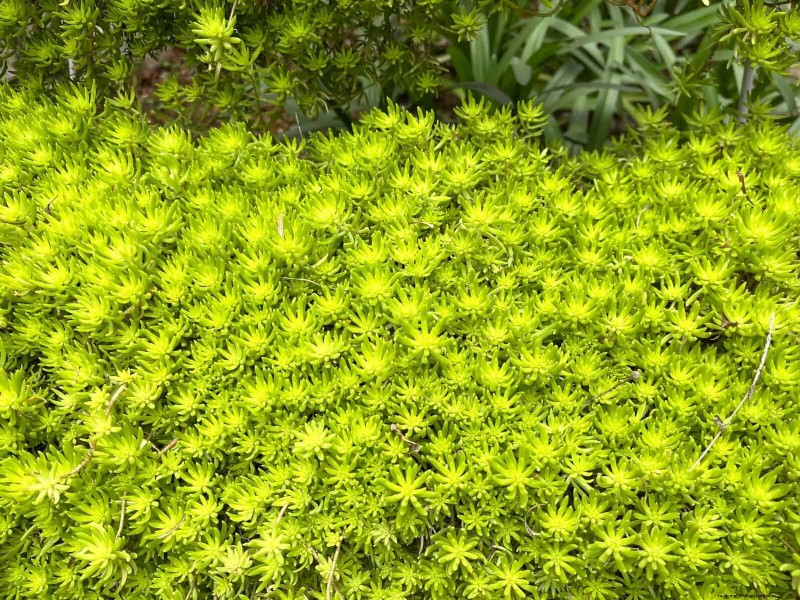
Sedums are succulent perennials that love heat and neglect. Their fleshy leaves store water, requiring minimal watering. In late summer, they burst into star‑shaped blooms that attract pollinators. ‘Autumn Joy’ is a popular tall variety, while creeping types make excellent ground covers. Sedum thrives in rock gardens or sunny borders, making it one of the easiest perennials to grow.
 Shutterstock
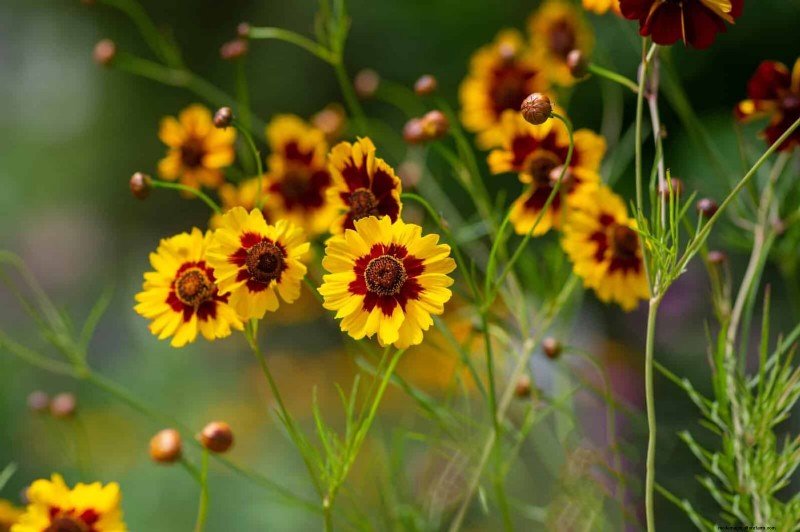
Coreopsis delivers bright yellow or red‑edged blooms that persist from early summer through fall, especially when deadheaded. These hardy plants thrive in full sun, tolerate poor soil, and resist drought. Some varieties form tidy clumps; others exude a wildflower look. Their easy integration into casual or cottage gardens makes them a favorite for pollinator support.
 Shutterstock
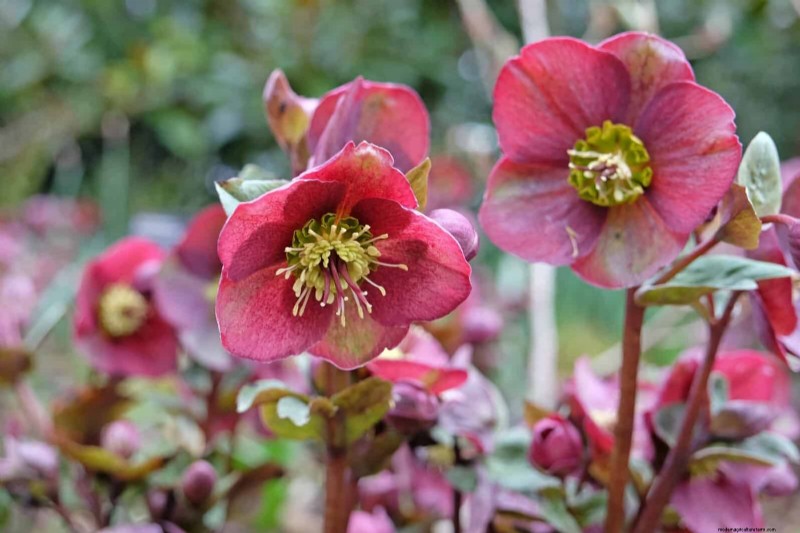
Hellebores bloom in late winter or early spring, often through snow. Their leathery evergreen leaves provide texture year‑round, while flowers appear in pink, purple, or cream. Shade‑loving, they thrive under trees or along north‑facing walls. After planting, they need little attention beyond occasional mulching. Long‑lived and pest‑resistant, they add quiet beauty to shady spots.
 Shutterstock
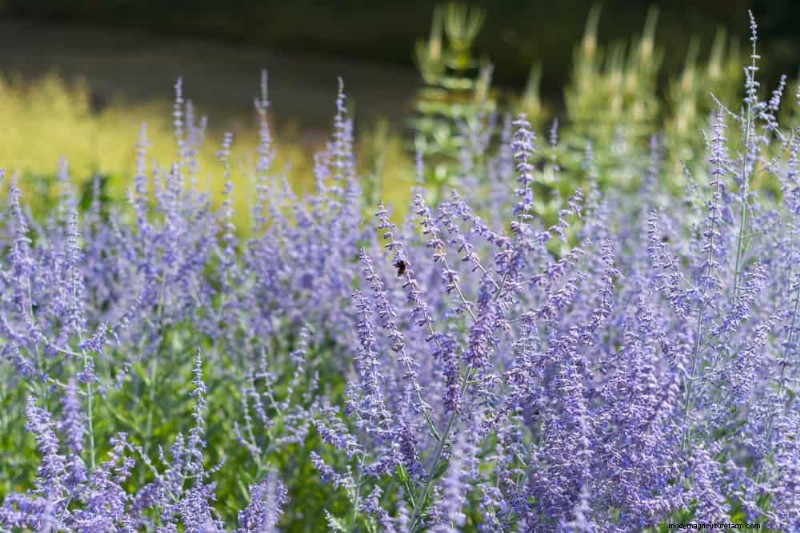
Russian sage produces tall, airy spikes of lavender‑blue flowers that persist all summer. Drought‑tolerant, it thrives in full sun and dry soil. Its silvery foliage is fragrant and deer‑resistant. Established plants require no fertilizer and minimal watering. Pruning in early spring keeps the plant tidy, and it pairs beautifully with ornamental grasses.
 Shutterstock
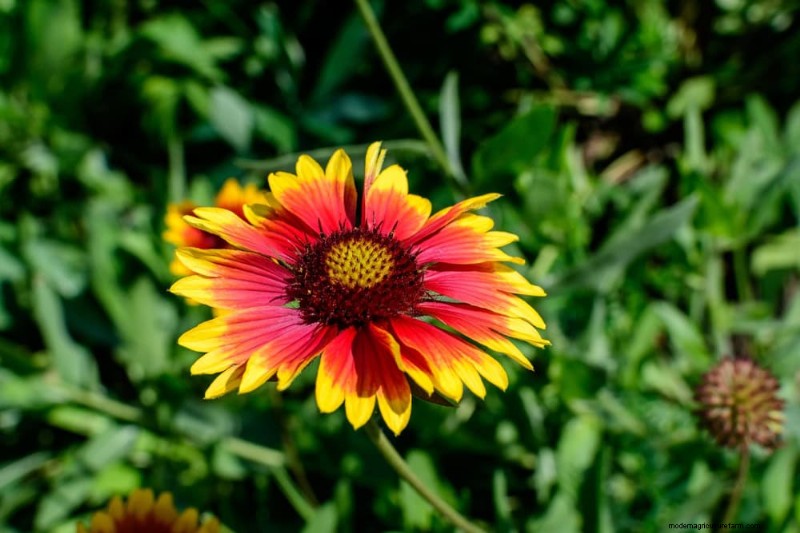
Blanket flower is a sun‑loving bloom that delivers fiery red and yellow petals. Ideal for hot, dry areas, it keeps flowering from summer to frost. Its cheerful blooms attract bees and butterflies nonstop. Though it is short‑lived, it often reseeds itself. It’s a superb choice for a wildflower‑style garden.
 Shutterstock
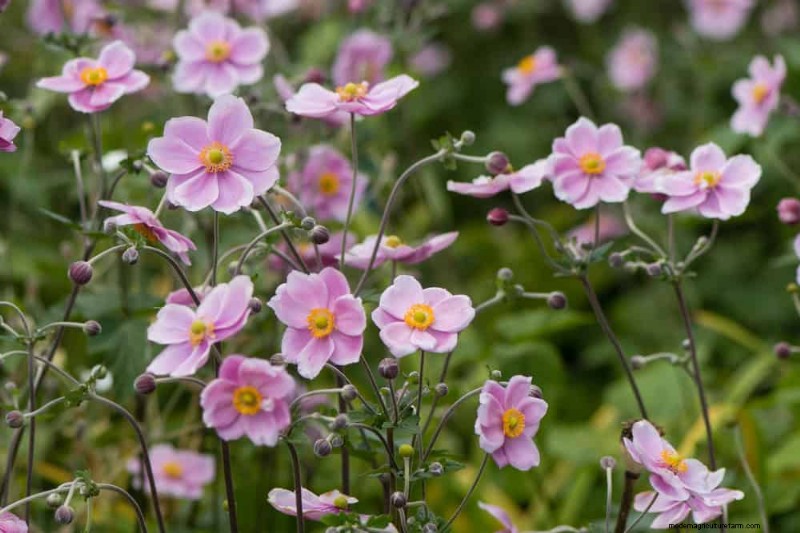
Japanese anemones grace late‑summer gardens with tall stems and soft pink or white blooms. They thrive in part shade and moist, rich soil. Spreading slowly, they form elegant colonies over time. Once established, they’re low‑maintenance, and their bloom time bridges the gap between summer and fall. Pair them with hostas and ferns for a cohesive look.
 Shutterstock
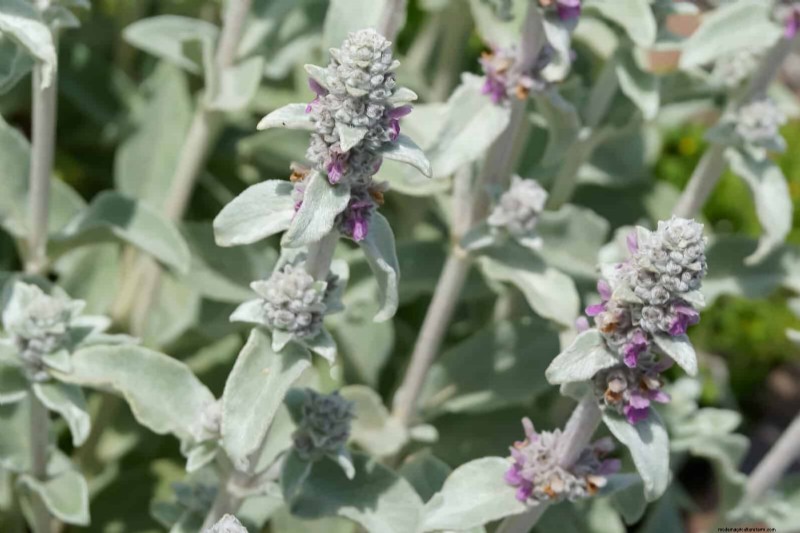
Lamb’s ear offers velvety, silver leaves that feel as soft as a bunny’s ear. Thriving in sun and dry, well‑drained soil, it makes an excellent ground cover in tough spots. In humid regions, ensure good airflow to avoid rot or leaf spots. Summer flower spikes attract bees, and the plant spreads slowly to suppress weeds. Easy to divide and move, it’s a tactile favorite for kids.
 Shutterstock
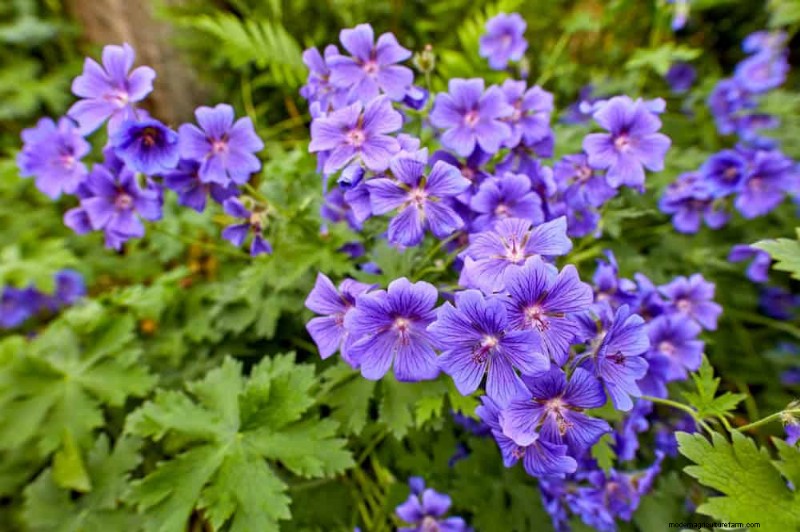
Hardy geraniums offer clouds of dainty blooms over lacy leaves, blooming from spring to fall. They thrive in sun to part shade and tolerate a wide range of soils. Low‑growing and non‑invasive, they’re pest‑resistant and need minimal care. Pruning after flowering encourages more blooms, making them a graceful filler for beds.
 Shutterstock
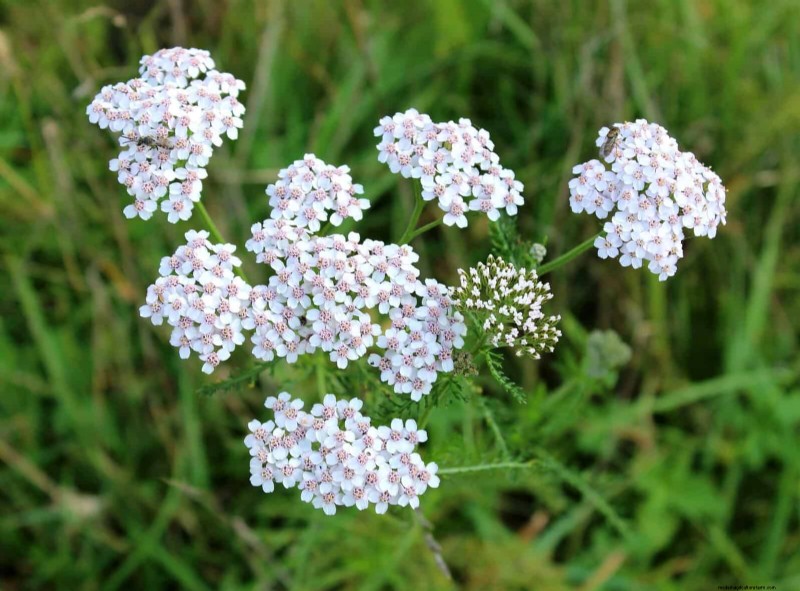
Yarrow blooms in flat‑topped clusters of white, yellow, or pink flowers. Thriving in full sun and well‑drained soil—including poor or sandy—its feathery foliage remains attractive off‑season. Heat‑ and drought‑tolerant, it resists deer and rabbits, making it ideal for pollinator or meadow gardens. Allow seed heads to remain for winter interest.
 Shutterstock
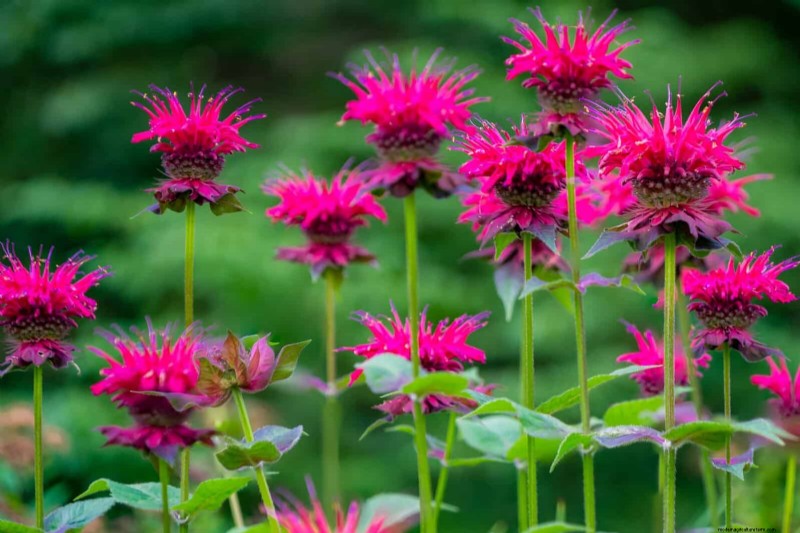
Bee balm delivers bold color with spiky red, pink, or purple blooms that attract bees, butterflies, and hummingbirds. It prefers moist soil and full to part sun. Newer mildew‑resistant varieties simplify care. Dividing clumps every few years keeps it vigorous. It’s a must‑have in any pollinator‑friendly garden.
 Shutterstock
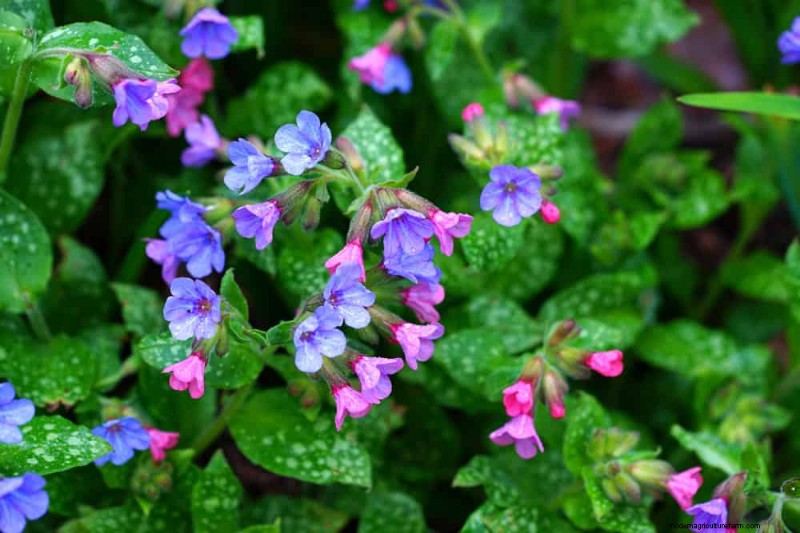
Lungwort thrives in shady gardens with its spotted leaves and early‑spring flowers. Growing well under trees or along shady paths, its blooms range from pink to blue and often change color with age. Preferring moist soil but tolerating short dry spells, it becomes a reliable ground cover once settled, brightening dark corners effortlessly.
 Shutterstock
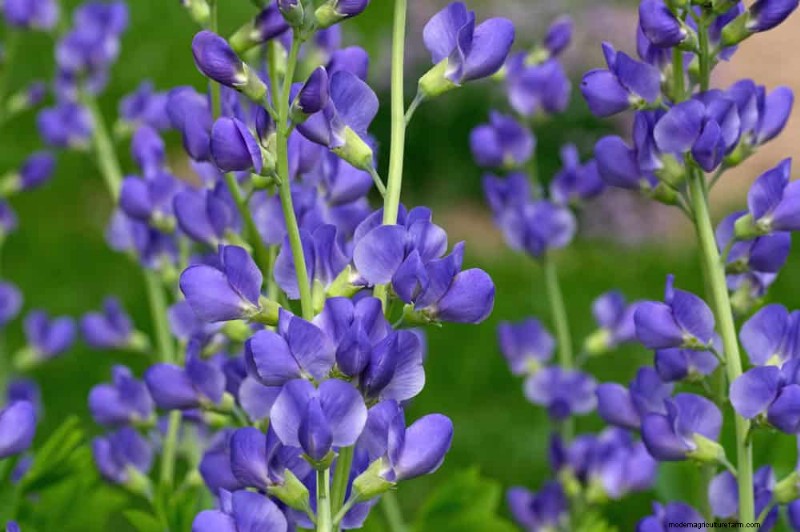
False indigo is a native perennial that bursts with deep blue flower spikes in spring. Thriving in full sun and poor soil, it’s remarkably low‑maintenance. The bushy foliage stays neat all season, and the plant prefers not to be moved due to its extensive root system. Deer‑resistant and drought‑tolerant, it makes a striking statement plant in sunny beds.
 Shutterstock
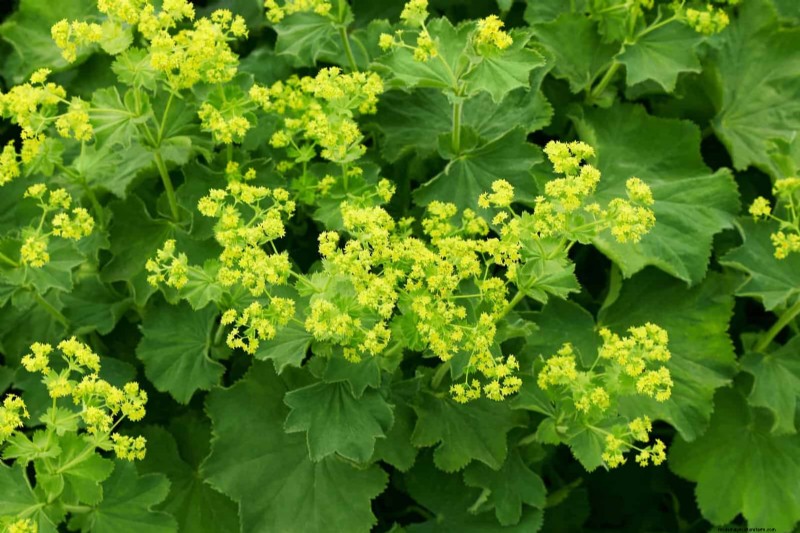
Lady’s mantle offers frothy chartreuse flowers and scalloped leaves that capture morning dew. It thrives in part shade and moist soil, but can adapt to drier spots once established. Easy to grow, it adds a romantic touch to borders. The foliage remains tidy and mounds nicely; trimming after flowering invites a fresh flush of leaves. It pairs beautifully with spring bulbs.
 Shutterstock
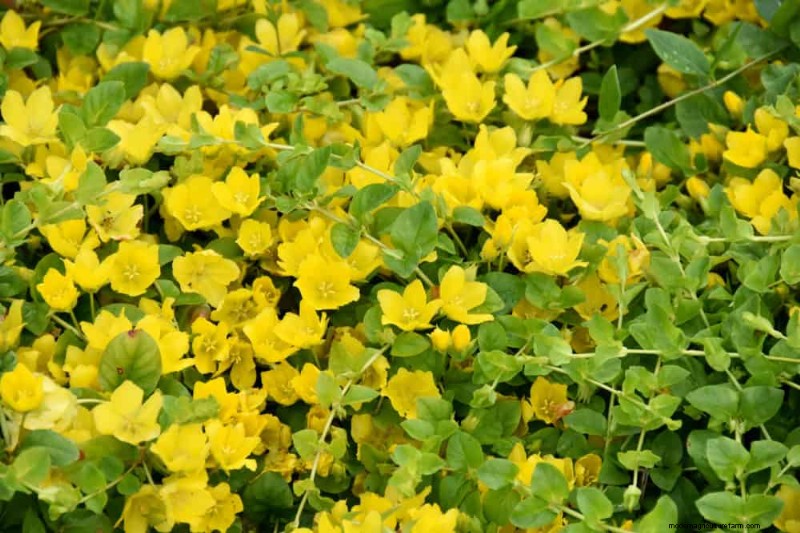
Creeping Jenny is a vigorous ground cover with chartreuse foliage that gleams in sun or shade. It spreads easily, filling gaps between stepping stones or spilling from containers. Yellow summer flowers are a bonus, but the leaves are the main attraction. Preferring moist soil, it adapts to various conditions; simply trim back if it wanders too far. In rich soil or warm, moist climates, it can become aggressive, so containment may be needed. It’s perfect for softening hard edges.
 Shutterstock
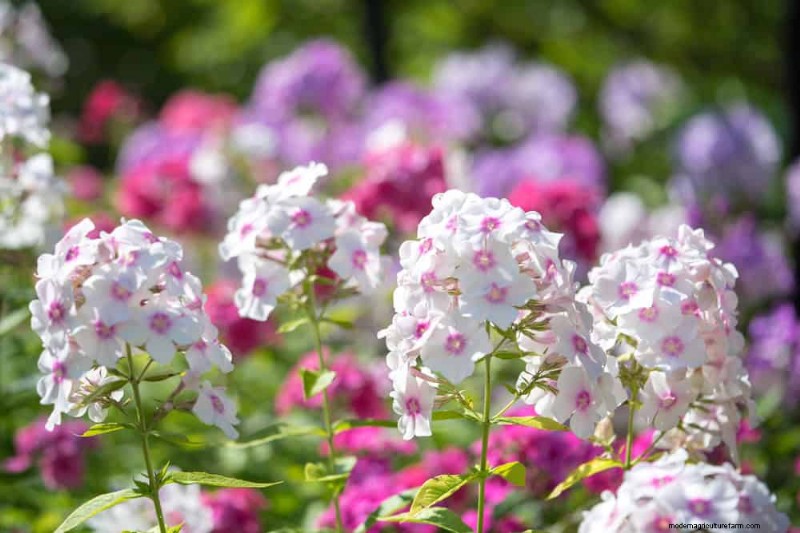
Phlox offers clustered blooms that add vertical color and fragrance to summer gardens. Thriving in full sun and rich, moist soil, it adapts once established. Newer mildew‑resistant varieties ease care. Deadheading spent blooms encourages continued flowering. Its sweet scent attracts butterflies and hummingbirds. Position it in the middle or back of borders for a striking height and color.
 Shutterstock
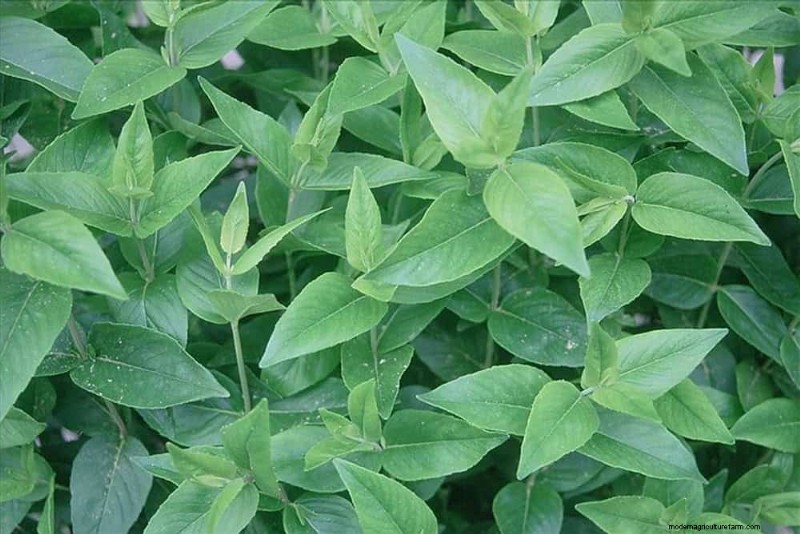
Mountain mint is a pollinator powerhouse with a refreshing minty scent and silvery bracts that brighten beds. Thriving in full sun to part shade and tolerating various soils, including clay, it spreads by rhizomes. Regular division keeps it in check. Bees, butterflies, and other beneficial insects flock to its late‑summer blooms. Once established, it’s deer‑resistant, low‑maintenance, and tough—ideal for naturalistic plantings or pollinator borders.
 Shutterstock
Effortless gardening isn’t about doing nothing but working with nature. These perennials are built to thrive with minimal input, delivering beauty, color, and pollinator support without all the fuss. They handle tough soils, rebound after drought, and return each year stronger than before. By selecting plants suited to your light and space, your garden becomes a self‑sustaining system—less watering, less weeding, and more time to relax. Let your garden grow itself—smart, simple, and stunning.
Brighten your garden all year with these stunning, low‑maintenance perennials that just won’t quit:
21 Stunning Perennials That Keep Your Garden Blooming Through Every Season

Editorial oversight
GardenTabs content is reviewed by Steve Snedeker, a seasoned gardener with decades of hands‑on landscaping experience.