Welcome to Modern Agriculture!

Installing a fence around a tree is an effective strategy to shield it from animals, construction, and landscaping work while enhancing your property’s curb appeal.
When done thoughtfully, a fence preserves a tree’s health and adds visual value to the landscape.
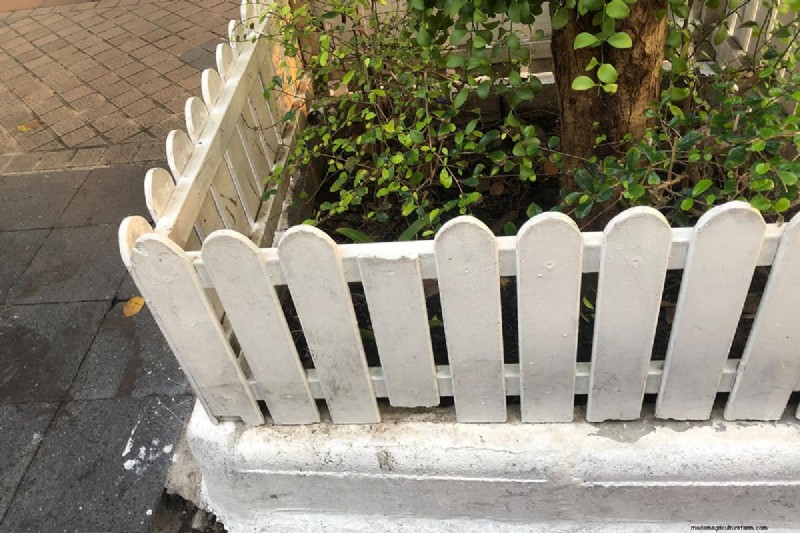
In this guide, we cover every step—from selecting the right material to proper installation—and share key dos and don’ts for tree protection.
Choosing the correct fencing approach begins with a clear grasp of the tree’s species, growth habit, and life stage. This knowledge ensures the fence supports, rather than harms, the tree.
Trees exhibit diverse growth habits—spreading, columnar, weeping, and more. Each requires a specific buffer zone between the trunk and the fence to accommodate future expansion.
Young trees are fragile; they may need additional protection from post pressure and root intrusion. Mature trees, meanwhile, possess extensive root systems that can be disrupted by poorly placed posts. Observe trunk diameter, canopy density, and overall size to determine the tree’s stage and adjust your fence design accordingly.
Save this article for future reference and unlock today’s gardening deals instantly.
Thorough preparation protects the tree during fence construction.
Inspect the tree for disease, pest activity, or structural weaknesses. If uncertainty arises, consult a certified arborist for a professional evaluation.
Survey the surrounding soil for obstacles—rocks, utility lines, or underground pipes. Identify existing root clusters and plan fence placement to avoid disturbing critical root zones.
Accurate measurements are vital. Determine the safe distance from the trunk to the fence, factoring in growth rate and future canopy spread. Record the perimeter of the intended enclosure to calculate material needs.
Three popular options balance cost, durability, and aesthetics.
Wood offers a natural look that blends with trees. Select pressure‑treated lumber, cedar, or redwood for resistance to decay and pests. Be prepared for periodic staining or painting to maintain appearance and longevity.
Aluminum and wrought iron provide superior durability. Aluminum is low‑maintenance and rust‑resistant, while wrought iron offers a classic aesthetic—both require occasional rust treatment. Ensure the design allows adequate airflow and light to support the tree’s health.
Composite blends recycled wood and plastic, delivering wood‑like aesthetics with minimal upkeep. They resist rot, decay, and pests. Though pricier, they offer long‑term savings through reduced maintenance.
Effective planning involves a visual sketch and precise panel calculation.
Mark the tree’s center on paper and outline the desired fence radius. Use a compass to draw a circle, visualizing the final shape and identifying necessary adjustments for airflow, sunlight, and future growth.
Measure the circle’s circumference to estimate total fence length. Divide this figure by the width of each panel to determine how many panels are required. Adjust for gates or other features as needed.
Proper post placement and panel fitting create a sturdy, long‑lasting fence.
Use a tape measure and stakes to evenly space posts around the tree’s perimeter.
Excavate holes approximately one‑third the length of each post for secure anchoring.
Place posts into holes, ensuring they are level. Backfill with concrete mix, following the manufacturer’s instructions, and allow the concrete to cure before proceeding.
Choose a panel style that complements the landscape and meets privacy needs.
Measure distances between posts, cutting panels to fit. Account for curves or bends in the fence line.
Secure panels to posts with galvanized screws or nails, ensuring each panel is level. Repeat around the tree.
Apply a sealant or paint to protect against weathering and enhance appearance.
Install post caps to deter water infiltration and prevent rot.
Incorporate ground cover or flowering plants along the fence base to create a cohesive look and suppress weeds.
Ongoing care preserves fence integrity and tree health.
Clean with mild soap and water; avoid harsh chemicals or pressure washing that could damage the material or the tree.
Check for cracks, loose boards, or rusted hardware. Pay particular attention to areas where tree growth may exert pressure on the fence.
Address any damage promptly to maintain structural integrity. As the tree expands, adjust the fence as needed to accommodate new root or trunk growth.
Remember, consistent tree maintenance is crucial for minimizing fence impact over time.
A well‑managed tree enriches your property and offers environmental benefits. Proper fencing supports both the tree’s well‑being and your landscape’s visual appeal.
For more fencing insights, explore:
Wall Fence: What Is It? Pros, Cons, Ideas And Inspiration
How Deep Should A 4 Foot Fence Post Be?
Written by
Shane Desuasido
Shane Desuasido is a seasoned content and copywriter with over a decade of experience in the gardening industry. Her background in e‑commerce and social media management enhances her ability to produce engaging, authoritative content. A passionate advocate for animal welfare and environmental sustainability, Shane promotes eco‑friendly gardening practices in every piece.
Meet the GardenTabs team →

Editorial oversight
GardenTabs content is reviewed by Steve Snedeker, a veteran gardener with decades of hands‑on landscaping experience.