
Welcome to Modern Agriculture!

Pothos plants are beloved for their easygoing nature and air-purifying qualities.
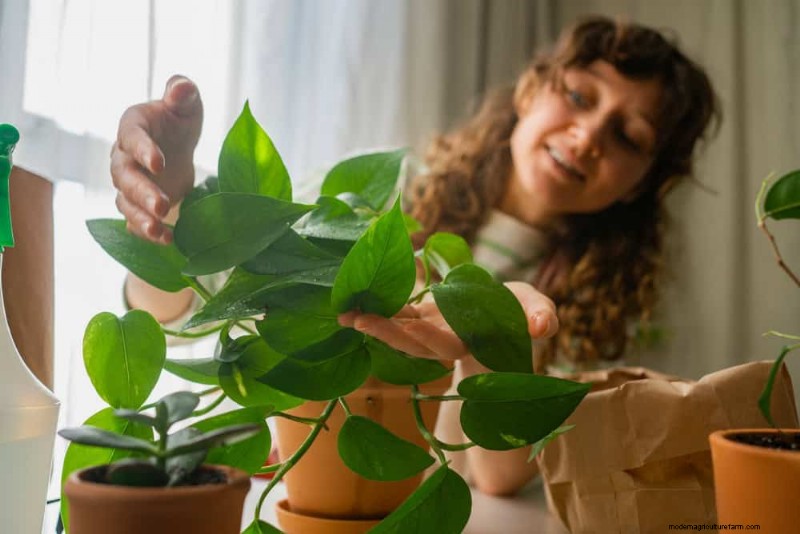
These trailing beauties can transform any space with their lush green foliage. But even the most low-maintenance plants can struggle when common care mistakes happen.
Keeping your pothos thriving isn’t complicated once you know what to avoid. The good news is that most pothos problems can be easily fixed with some simple adjustments to your care routine.
Let’s look at the most common pitfalls and how to correct them.
Excessive watering is perhaps the most common way people accidentally harm their pothos plants. These resilient houseplants store water in their stems and prefer to dry out slightly between waterings.
When you water too frequently, the roots sit in soggy soil and can’t get the oxygen they need.
The solution is simple. Allow the top 1–2 inches of soil to dry out completely before watering again. During winter months, reduce watering frequency even further.

View on Amazon.
A moisture meter can help take the guesswork out of watering, or simply stick your finger into the soil to check for dampness before reaching for the watering can.
While overwatering is common, underwatering can be just as problematic for your pothos. Signs include wilting, curling leaves that feel papery to the touch, and brown, crispy leaf edges.
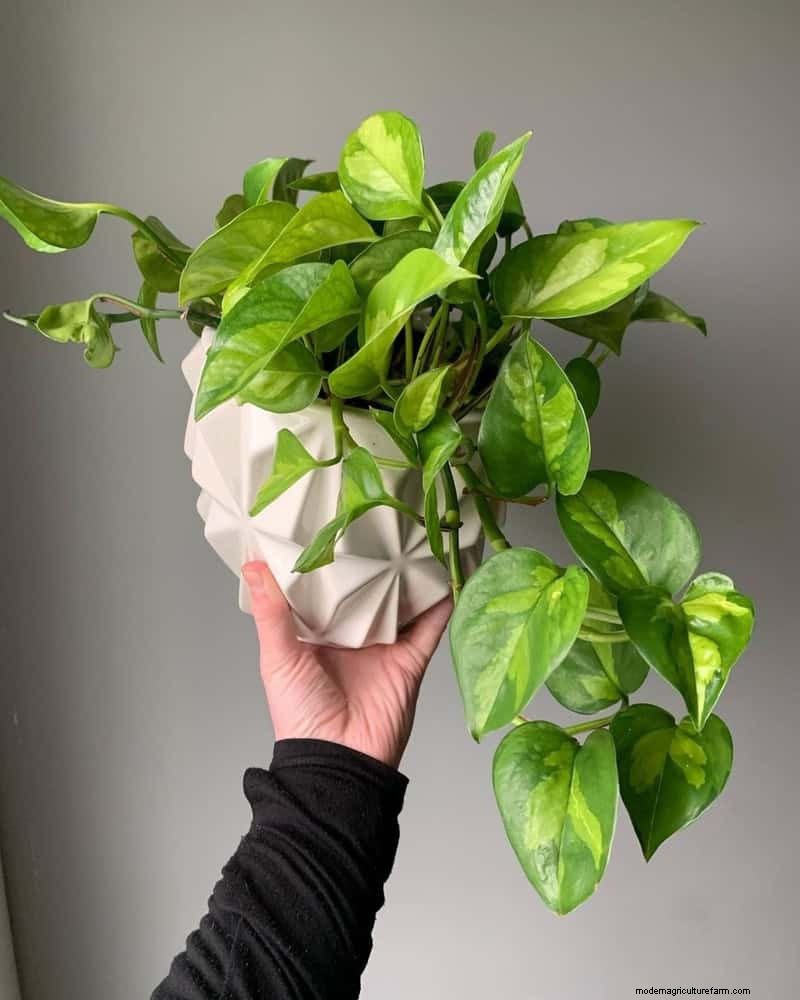
The plant might also drop leaves or show slowed growth when severely dehydrated.
To fix an underwatered pothos, give it a thorough soaking. Place the pot in a sink with a few inches of water and allow the soil to absorb moisture from the bottom up. Then create a more consistent watering schedule based on your home’s conditions.
In hot, dry environments, you may need to water more frequently than the average recommendation.
We'll email it to you so you can read it later!
By saving, you agree to receive occasional emails. Unsubscribe anytime.
Standard garden soil or heavy potting mixes can suffocate pothos roots and lead to drainage issues. Pothos plants thrive in well-draining soil that allows for proper air circulation around the root system while retaining just enough moisture.
Look for potting mixes specifically formulated for houseplants or aroid plants.
Alternatively, create your own mix by combining regular potting soil with perlite and orchid bark for improved drainage. This balanced approach provides both the drainage and aeration pothos roots need to stay healthy.
Read more: Pothos 101: Soil, Repotting, And Fertilizing Guide
While pothos can tolerate lower light conditions better than many houseplants, they won’t thrive in dark corners.
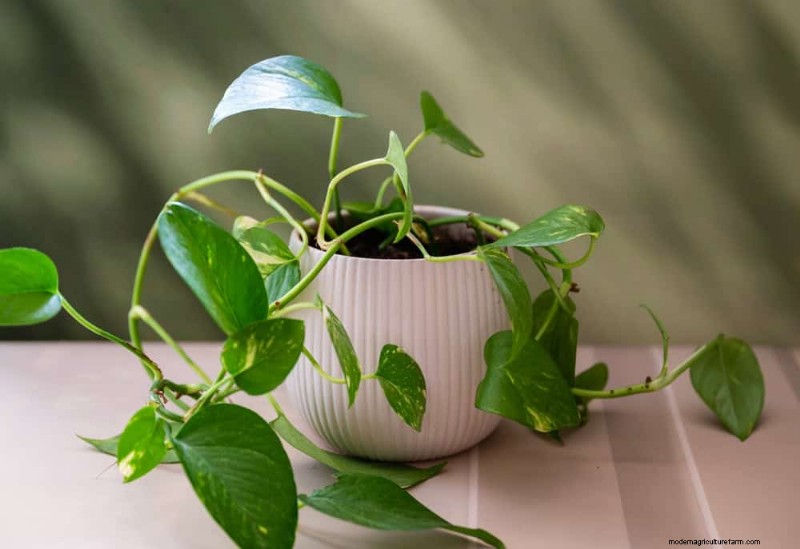
Inadequate light leads to leggy growth with widely spaced leaves, loss of variegation in patterned varieties, and overall slower growth rates.
Move your pothos to a location with bright, indirect light, such as near a north or east-facing window. If natural light is limited, consider supplementing with grow lights for 8–12 hours daily.
The improved light conditions will encourage compact growth and help variegated varieties maintain their beautiful patterns.
Read more: Stop Your Pothos From Getting Leggy With These 8 Tricks
On the flip side, excessive direct sunlight can scorch pothos leaves, causing brown patches and bleached areas.
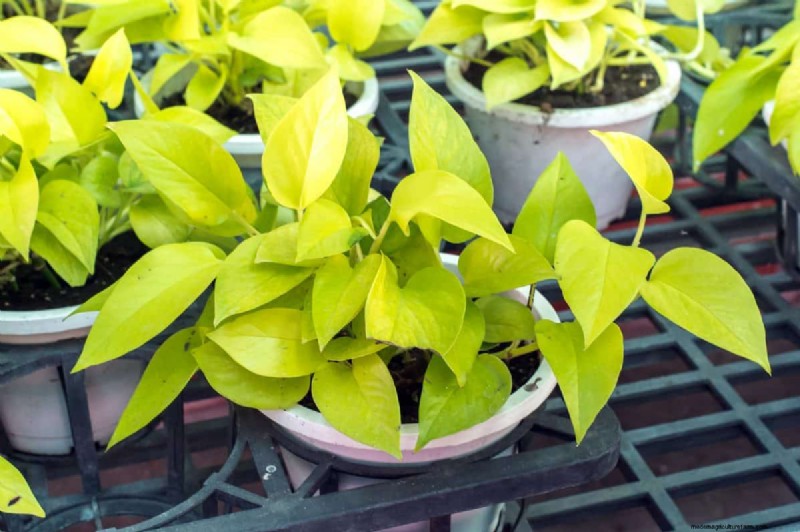
Pothos evolved as understory plants in tropical forests, which means they’re adapted to dappled light filtering through the tree canopy, not harsh direct rays.
If your pothos is near a south or west-facing window, move it back a few feet or filter the light with a sheer curtain. The ideal spot provides bright ambient light without hot, direct sun hitting the leaves.
Your plant will reward you with lush, vibrant foliage when given appropriate light levels.
Pothos plants are tropical natives that prefer consistent temperatures between 65–85°F (18–29°C). Cold drafts, sudden temperature fluctuations, or extended periods below 55°F (13°C) can stress the plant and cause leaf drop or growth issues.
Keep your pothos away from drafty windows, air conditioning vents, and exterior doors during winter. Also avoid placing them near radiators or heating units that create hot, dry air pockets.
Finding a spot with stable temperatures will help your pothos maintain consistent, healthy growth year-round.
While pothos can survive with minimal fertilizer, they can’t thrive indefinitely without supplemental nutrients.
Pale leaves, slowed growth, and smaller new foliage often signal a hungry plant that needs nutritional support, especially if it’s been in the same pot for over a year.
Feed your pothos monthly during the growing season (spring through fall) with a balanced liquid houseplant fertilizer diluted to half the recommended strength.
During winter when growth naturally slows, reduce feeding to once every two months or stop altogether until spring returns.
Too much of a good thing can harm your pothos. Excessive fertilizer builds up salts in the soil that can burn sensitive root systems.
Signs of fertilizer burn include brown leaf edges, yellow spots, wilting despite adequate water, and a white crust on the soil surface.
If you suspect over-fertilization, flush the soil thoroughly by running water through it for several minutes, allowing it to drain completely. Then hold off on fertilizing for at least 2–3 months.
When you resume, use a diluted solution at one-quarter to one-half the recommended strength to prevent future issues.
Without occasional pruning, pothos vines can become leggy and sparse near the soil line while producing growth only at the vine tips. This results in bare stems and an unbalanced appearance.
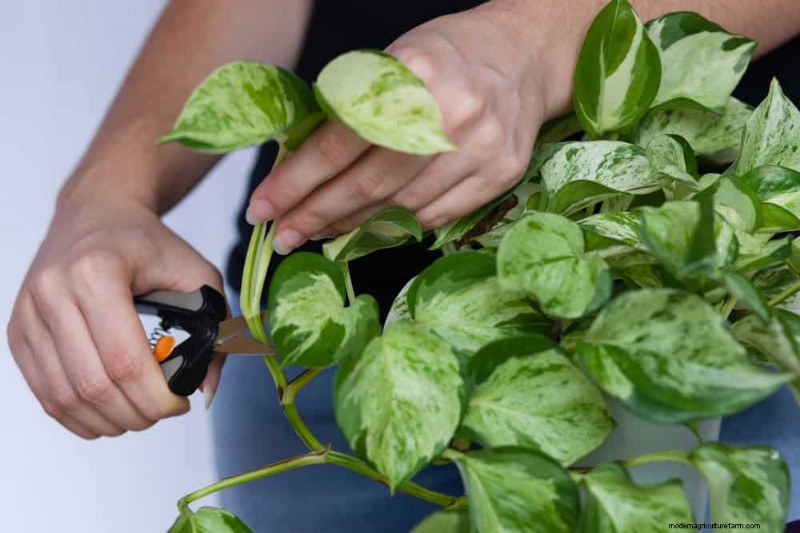
Regular trimming encourages bushier growth and maintains an attractive plant shape.
Prune your pothos with clean scissors or pruning shears, cutting just above a leaf node. Focus on leggy stems and aim to trim back by about one-third during active growing seasons.
Bonus tip, those cuttings can be propagated to create new plants or to fill in sparse areas in the mother plant’s pot.
Decorative pots without drainage holes trap excess water around the roots, creating perfect conditions for root rot.
While these containers look stylish, they significantly increase the risk of overwatering and related problems like fungal diseases and root death.
Always choose containers with drainage holes for your pothos. If you love a decorative pot without drainage, use it as a cache pot, keeping your plant in a properly draining nursery pot inside.
When watering, remove the inner pot, water thoroughly, allow excess water to drain completely, then return it to the decorative outer pot.
Pothos can occasionally fall victim to common houseplant pests like spider mites, mealybugs, and scale insects.
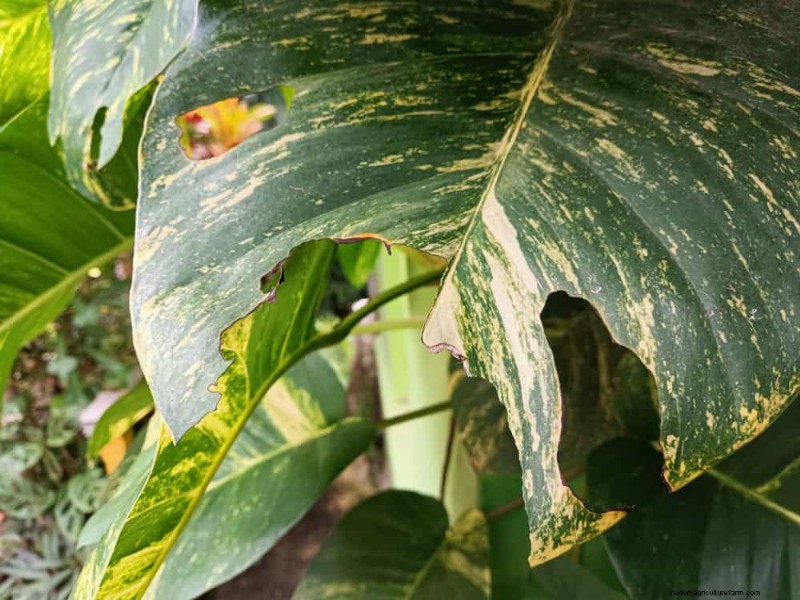
These tiny invaders multiply quickly when left unchecked, weakening the plant by sucking sap from leaves and stems. Early signs include stippled or discolored leaves, sticky residue, or visible insects on leaf undersides.
Inspect your pothos regularly, especially the undersides of leaves where pests often hide. At the first sign of infestation, isolate the plant and treat it with insecticidal soap or neem oil, following package directions.
Repeated applications may be necessary to eliminate all life stages of the pests. Regular showers with room temperature water can also help prevent pest problems by keeping leaf surfaces clean.
Pothos are among the easiest plants to propagate, but small mistakes can lead to failed cuttings.
Common errors include taking cuttings without nodes, using cloudy or unchanged water, or attempting propagation during dormant winter months when success rates are lower.
For successful propagation, take 4–6 inch cuttings that include at least one node, as roots grow only from these bumpy joints. Place cuttings in clean water, changing it weekly to prevent bacterial growth.
Alternatively, root directly in moist potting mix. The best time to propagate is during the growing season when the plant is actively producing new growth and hormones that support root development.
Dust accumulation on pothos leaves blocks light absorption and can clog the leaf pores that allow the plant to breathe. Over time, this diminishes the plant’s ability to photosynthesize efficiently and can make it more susceptible to pests that thrive in dusty conditions.
Gently wipe down pothos leaves monthly using a soft, damp cloth. For larger plants, a lukewarm shower works well, supporting the leaves as you rinse to prevent breakage.
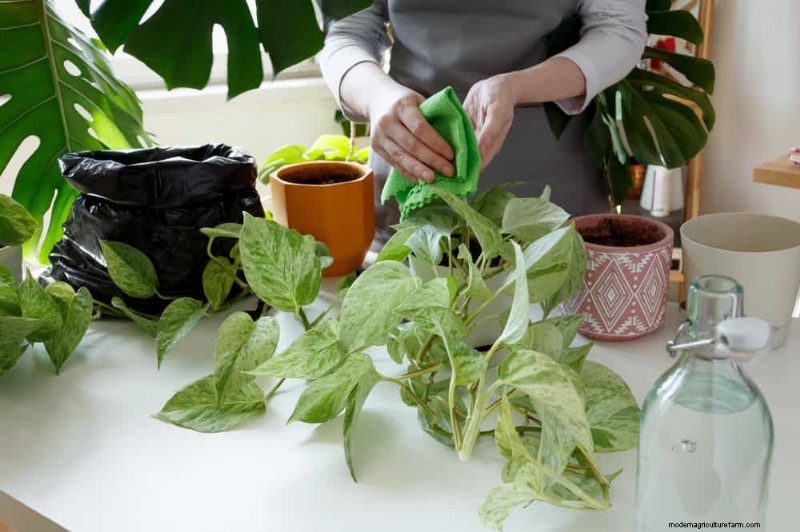
Avoid using leaf shine products or oils, which can clog leaf pores. Regular cleaning not only keeps your plant healthier but also enhances its natural beauty and air-purifying capabilities.
Repotting a pothos when it’s stressed, dormant, or not actually root-bound can shock the plant and lead to decline.
Signs that repotting is necessary include roots circling the drainage holes, water running straight through the pot without being absorbed, or significantly slowed growth despite proper care.
The ideal time to repot is during the active growing season, typically spring or early summer. Choose a container only 1–2 inches larger than the current pot to prevent excess soil that could retain too much moisture.
Gently loosen the root ball during repotting to encourage new growth into the fresh soil, and water thoroughly afterward to help the plant settle into its new home.
Root rot is a serious condition caused by overwatering and poor drainage that can kill a pothos if left untreated.
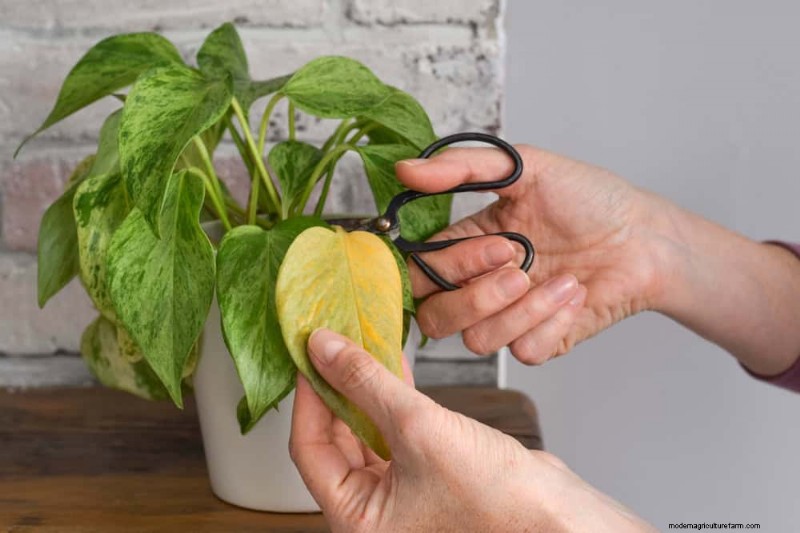
Warning signs include yellowing leaves, a foul smell from the soil, mushy stems near the soil line, and blackened, soft roots if you examine the root system.
To save a pothos with root rot, you must act quickly. Remove the plant from its pot and gently wash away all soil from the roots. Trim away any black, mushy roots using sterilized scissors, then repot in fresh, well-draining soil in a clean container.
Reduce watering frequency moving forward and ensure the pot has adequate drainage to prevent recurrence.
Erratic watering patterns, alternating between drought and flood conditions, stresses pothos plants and leads to leaf drop, yellowing, and stunted growth. Plants thrive on consistency and develop their root systems based on expected moisture levels.
Develop a regular watering routine based on your specific plant’s needs rather than a strict calendar schedule. Check soil moisture consistently using the same method, such as the finger test or moisture meter.
The goal is to water thoroughly when needed rather than giving small sips frequently or completely forgetting the plant for weeks at a time.
Positioning your pothos directly in the path of heating or air conditioning vents subjects it to temperature extremes and drying air currents. This environmental stress can cause rapid moisture loss from leaves, brown leaf edges, and increased water needs that can be difficult to satisfy.
Relocate your pothos away from direct airflow paths. If limited space makes this difficult, try deflecting the air away from the plant using a vent cover or shield.
Grouping plants together can also create a microclimate with higher humidity levels that helps counteract the drying effects of forced air systems.
Growing healthy pothos plants doesn’t require expert-level skills, just attention to these common care issues. By avoiding these mistakes, you’ll create the ideal environment for your plant to flourish with minimal effort.
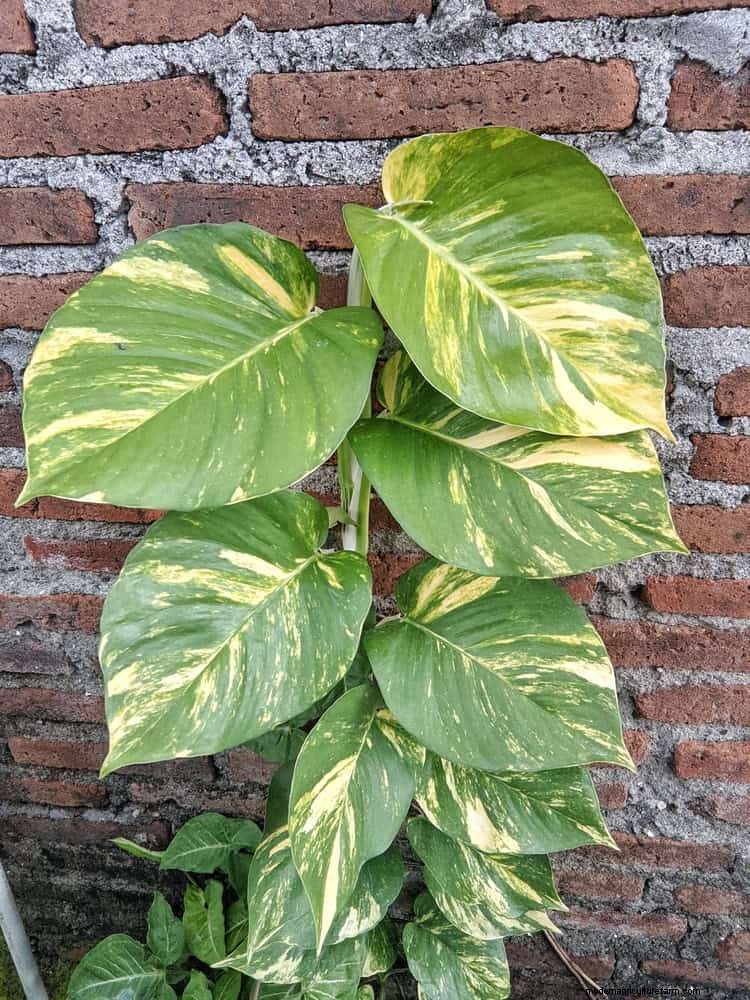
Remember that even experienced plant parents make these errors occasionally, so don’t be discouraged if you encounter problems.
With their remarkable resilience, pothos plants often bounce back quickly once their basic needs are met. The reward for your improved care routine will be lush, trailing vines that add natural beauty to your space for years to come.
Your pothos will not only survive but truly thrive, potentially becoming one of the most satisfying plants in your collection.
For more helpful tips, check out 11 Proven Ways to Double Your Pothos Growth This Winter!