Welcome to Modern Agriculture!

Most guides get this wrong about lavender. They tell you to treat it like any other perennial: rich soil, regular feeding, consistent moisture. That advice will kill your plant faster than a hard frost.
I learned this the expensive way. My first lavender barely made it six weeks before rotting from overwatering and improper placement. Eight years later, after growing more than two dozen varieties across multiple gardens, I’ve figured out what actually works.
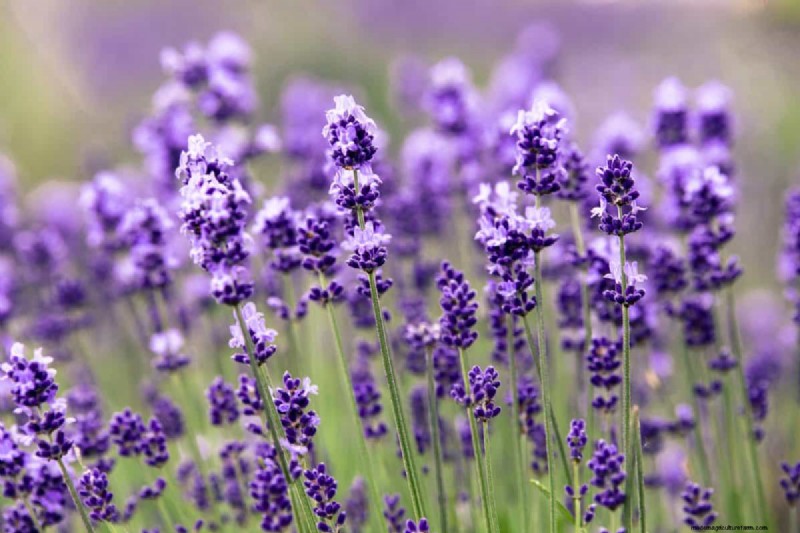
These fifteen techniques changed everything for me. Not the textbook advice everyone repeats, but the specific shifts that turned struggling plants into thick, fragrant hedges.
At a Glance: What Lavender Really Needs
Garden centers sell lavender like it’s one uniform plant. It’s not. French, English, and Spanish varieties look similar in containers but perform wildly differently once planted.
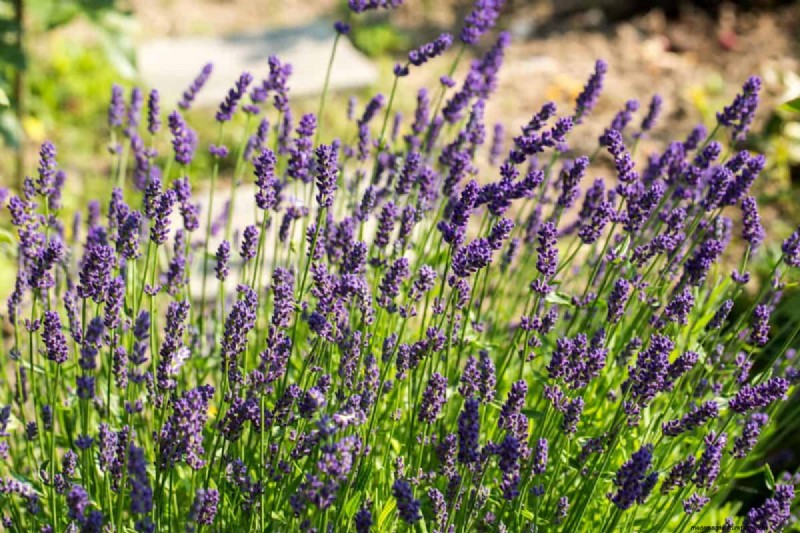
English lavender (Lavandula angustifolia) survives hard freezes and produces intense fragrance. If winter temperatures regularly drop below 20°F, this is your only reliable choice. French lavender (Lavandula dentata) flowers almost continuously in mild climates but the scent is weaker. Spanish lavender (Lavandula stoechas) grows those unusual pineapple-topped flowers that don’t match what most people expect.
Your local nursery staff (the ones who actually garden in your area) can tell you which varieties thrive in your specific zone. Trust their experience over national chain advice.
Zones 5 through 8 demand English lavender. ‘Hidcote’ and ‘Munstead’ have survived zone 6 winters in my garden without protection.
‘Phenomenal’ deserves special mention. Breeders developed it specifically for cold tolerance and disease resistance, and it lives up to the name.
My experiment with French lavender outdoors ended predictably. First hard freeze in November killed it completely.
Common Mistake: The Hybrid Confusion
Most guides ignore lavandins (Lavandula x intermedia hybrids) entirely. These crosses between English and Portuguese lavender often outperform either parent. My ‘Grosso’ lavandin has grown into a three-foot mound that produces more flowers than any true English variety I’ve tried. It handles zone 6 winters just fine.
We'll email it to you so you can read it later!
By saving, you agree to receive occasional emails. Unsubscribe anytime.
This changed everything. Lavender wants lean, gritty, slightly alkaline soil that most gardeners would reject as inadequate. I used to enrich beds with compost before planting. Every single one of those plants rotted.
Now I mix native soil with generous perlite or coarse sand, then add crushed limestone. Plants look stressed initially, then explode with growth. Roots need air pockets to stay healthy, and dense soil suffocates them.
Forget what you’ve heard about winter cold being lavender’s nemesis. Soggy soil kills more plants than frost ever will.
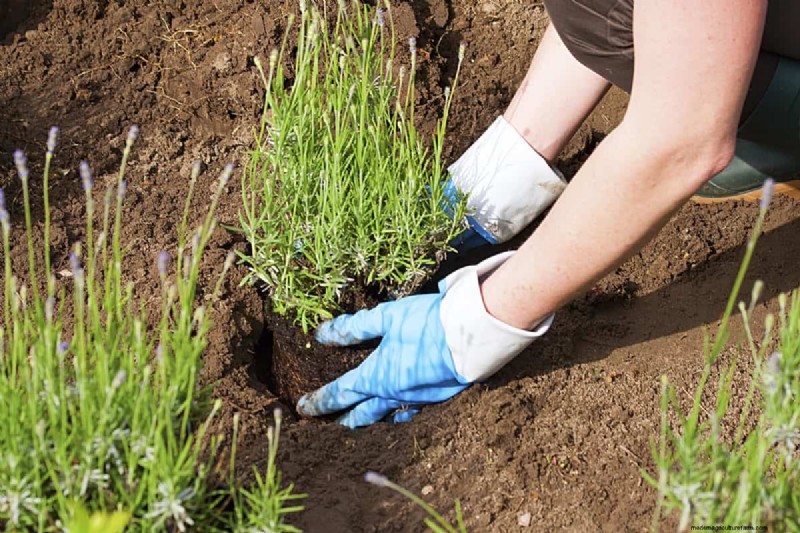
If your yard holds water after rain, you have two options: build a raised bed or mound the planting area six to eight inches above grade. Test drainage by digging a foot-deep hole, filling it with water, and timing how long it takes to empty. Water still sitting there after 30 minutes means that spot needs serious work or you should plant elsewhere.
Small nursery plants trick you into crowding them. Those innocent-looking containers suggest you need dozens to fill a bed. You don’t.
Most varieties need 18 to 24 inches between plants. Larger types like ‘Grosso’ want three feet. Air circulation prevents fungal diseases that thrive in humid, still conditions.
I lost an entire row of ‘Hidcote’ to crown rot because I planted them 10 inches apart. The overlapping foliage created a damp pocket that never dried properly after rain.
Shape lavender into a mound each spring, cutting back about one-third of the plant. The critical rule: never cut into woody stems. Lavender won’t regrow from old wood like roses or hydrangeas do.
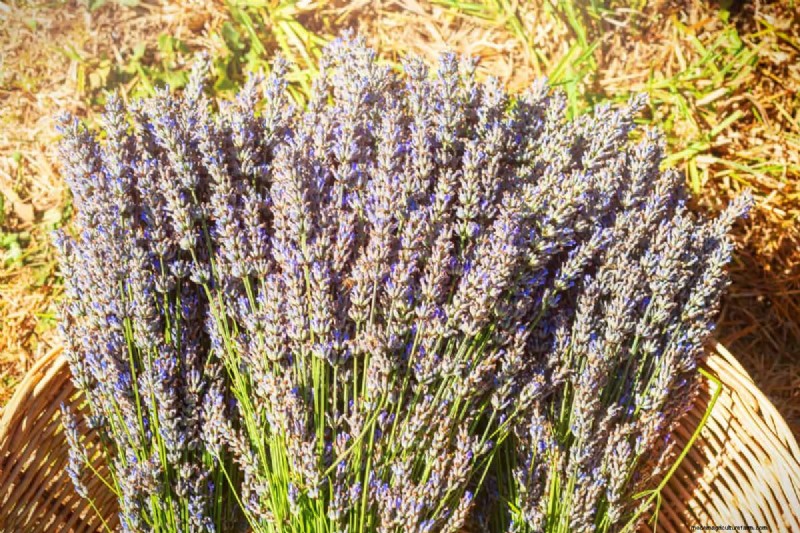
Cut into that brown, bare section and that branch dies permanently. I aim for a dome shape, which encourages center fill-in rather than hollow, leggy growth. After the first bloom cycle, I do a lighter trim to remove spent flowers, often triggering a second flush in late summer.
Cutting lavender stems for bouquets or sachets isn’t just enjoyable. It’s beneficial pruning that pushes the plant to branch out and produce more flowers.
I cut when about half the buds on a stem have opened. That’s peak fragrance. Sharp scissors, clean cuts back to the first leaf set. Throughout blooming season, I’m out there every week or so. The plants get bushier each time.
Lavender hates organic mulch that works wonderfully for other garden plants. Wood chips and bark hold moisture against the crown, leading to rot.
Use light-colored gravel, crushed oyster shell, or white stone instead. The pale color reflects sunlight back onto foliage, increasing essential oil production. That means stronger fragrance. I switched from bark to pea gravel three years ago, and plant health improved visibly within one season.
Lavender is one of few garden plants that performs worse with generous feeding. Rich soil and heavy fertilizer produce floppy green growth but fewer flowers and weaker fragrance.
Common Mistake: Overfeeding for Size
I fertilized a row of ‘Provence’ monthly with balanced 10-10-10 because I wanted larger plants. I got exactly that: big, floppy, scentless plants that split open in the first heavy rain and never recovered their shape. Essential oils concentrate when the plant is slightly stressed, not pampered.
I give mine a light top-dressing of bone meal in early spring. Nothing else. Some growers use diluted liquid feed once in spring, which is fine, but more than that pushes the plant out of its comfort zone.
In cold climates, the biggest winter threat isn’t cold itself. It’s moisture sitting around the crown during freeze-thaw cycles.
I lost two plants that survived brutal January cold but rotted in warm, wet February. My winter routine now: stop watering in fall, ensure gravel mulch is in place, and if your area gets heavy winter rain, consider a temporary rain shield (clear corrugated roofing propped over the plant works). Never wrap lavender in burlap or pile leaves around it. That traps moisture and creates exactly the conditions that kill it.
Six hours of direct sunlight is minimum. Eight is better. Essential oils that create lavender’s signature scent are produced in response to sunlight, so shade gives you a green, leafy plant with almost no fragrance and very few flowers.
I tried growing lavender on the north side of my house with maybe four hours of afternoon sun. The plant survived two years but never bloomed and eventually turned woody and bare. Moved it to the south-facing bed and it flowered within eight weeks.
Established lavender wants deep, infrequent watering. Once every week or two during dry spells is plenty. New plants need more attention for the first month while roots establish, but after that, back off significantly.
I water my established lavender only when we’ve gone two full weeks without rain in summer. The plants actually look and smell better when slightly thirsty. Overwatering dilutes essential oils and promotes root rot. Yellow lower leaves signal too much water.
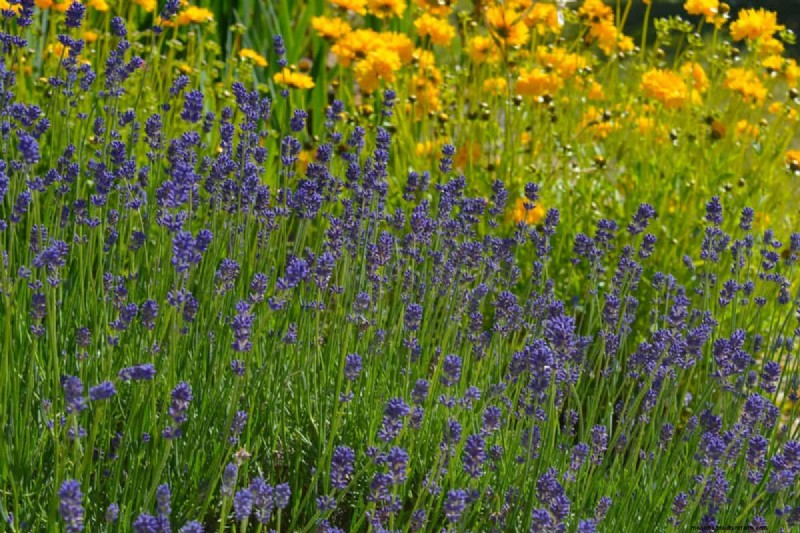
Lavender plays well with other Mediterranean plants that share its love of lean, well-drained soil and full sun. Rosemary, thyme, sage, and oregano all make excellent neighbors with similar water needs.
I grow mine alongside echinacea, Russian sage, and ornamental grasses. The textural contrast is beautiful, and mixed planting attracts a wider range of pollinators. Bees go absolutely wild when lavender and catmint bloom simultaneously.
Lavender naturally repels most garden pests. Deer, rabbits, and many insects avoid it. The aromatic oils that smell wonderful to us deter them. I’ve never sprayed a single pesticide on my lavender in eight years.
Main pest concerns are spittlebugs (white foam blobs on stems) and whiteflies. Both are easily managed by hosing the plant off with strong water spray. If aphids appear, a water blast or light neem oil application handles them.
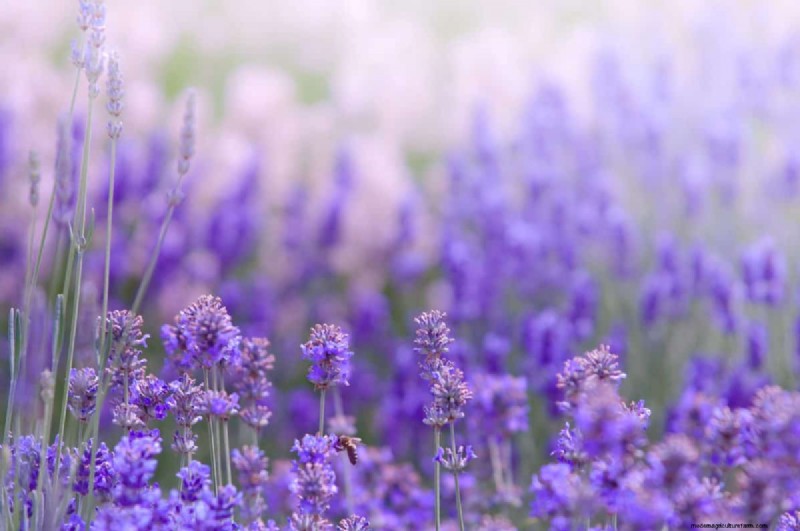
Once you have one healthy lavender plant, you can create dozens more for free. Take four-inch cuttings from new growth in early summer, strip lower leaves, dip in rooting hormone, and stick them in a mix of perlite and sand.
Keep them misted and most will root within three to four weeks. I propagated 30 plants from a single ‘Munstead’ two summers ago and used them to line our front walkway. Total cost was about five dollars for rooting hormone. Buying those same plants from a nursery would have cost over two hundred.
The Tool That Changed My Growing
The single best investment I made wasn’t a tool or soil amendment. It was a notebook. I track when I plant, when I prune, when things bloom, and what goes wrong. Three years of notes have taught me more about what my specific garden needs than any article ever could. Yours will be different from mine, and the only way to learn those differences is to pay attention and write it down.
Most advice about lavender boils down to a counterintuitive principle: it thrives on neglect. Less water, less fertilizer, less rich soil, less coddling. Gardeners who struggle with lavender are usually the attentive ones who treat it like every other plant in the bed.
Give it the worst spot with the best sun, then step back. Eight years and plenty of dead plants taught me that the less I do, the better my lavender grows. The Mediterranean hillside is its natural home, not the well-tended cottage garden. Match those conditions and your plant will reward you with years of fragrant blooms.