
Welcome to Modern Agriculture!

You know that sinking feeling when you walk outside after a storm and see your garden in shambles? Snapped stems, shredded leaves, and plants bent sideways like they’ve given up completely. It’s heartbreaking, especially when you’ve put so much work into creating something beautiful.
But here’s the thing: you don’t have to choose between a gorgeous garden and one that survives the weather. Tons of stunning plants can handle serious wind without sacrificing looks. These champions come equipped with flexible stems, roots that dig deep, or leaves tough enough to weather the storm (literally).
The best wind-resistant plants combine flexible growth, strong root systems, and narrow or leathery foliage that deflects wind rather than catching it. Live oaks, ornamental grasses like switchgrass, and tough perennials like coneflowers all excel in breezy sites while maintaining their beauty through the growing season.
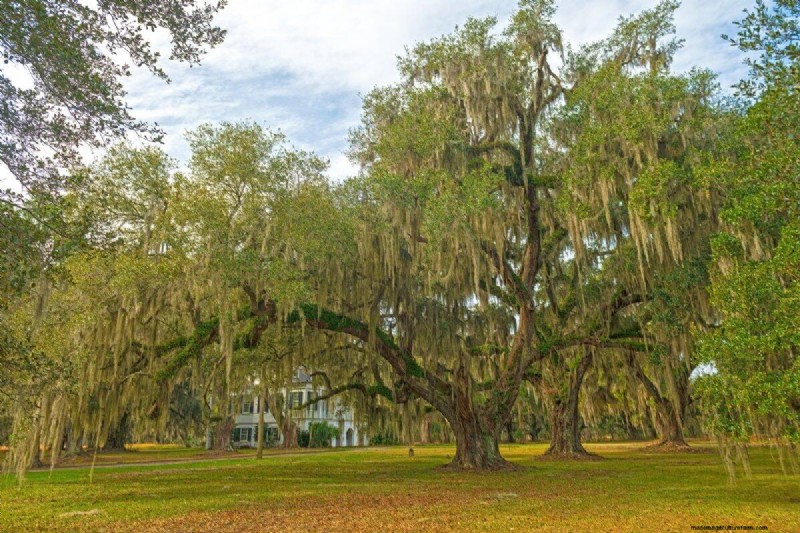
This is where it gets really interesting. Live oaks have become legendary in coastal communities for one simple reason: they’re still standing after hurricanes that demolished everything else. These trees don’t just survive wind; they seem to laugh at it.
Their secret weapon is a root system that spreads wider than the canopy above. While other trees rely on a single taproot, live oaks build a network that grips the earth like they’re never letting go. The wood itself is incredibly dense, adding structural integrity that most trees can’t match.
What really sets them apart is their growth pattern. Instead of reaching straight up where wind has maximum leverage, they spread horizontally. This low, broad profile gives wind less to push against. As decades pass and the trunk thickens, these trees become even more wind-resistant. Some specimens are centuries old and have weathered storms we can’t even imagine.
Read more: How Much Water Does An Oak Tree Need?
We'll email it to you so you can read it later!
By saving, you agree to receive occasional emails. Unsubscribe anytime.
Arborvitae trees understand flexibility in a way that rigid plants don’t. Their branches are designed to bend, absorbing wind energy instead of resisting it. It’s like comparing a reed that bows to a branch that snaps.
The pyramid shape isn’t just for looks. That form naturally channels wind up and over the tree instead of catching it broadside. When you plant several in a row, they create a windbreak that protects everything downwind while staying protected themselves through the group effect.
Think about using them along property lines in exposed areas. They’ll block wind while giving you year-round privacy. Just remember they work better in groups than solo, each tree helping shelter its neighbors.
“Their dense, pyramid-shaped growth naturally sheds wind instead of catching it like broader trees might.”These palms earned their name honestly. Watch one during a windstorm and you’ll see why. The trunk sways in ways that would snap most trees, bending so far you think it can’t possibly recover. Then the wind dies down and it springs right back to vertical.
The fibrous trunk acts like a natural shock absorber. Instead of rigid wood that breaks under stress, windmill palms have a texture more like tough rope. This gives them incredible flexibility without sacrificing strength.
If you’re in zones 7 through 11 and want that tropical look without the hurricane anxiety, this is your palm. Sure, the fan-shaped leaves might get a little shredded in truly brutal conditions, but the plant itself stays structurally sound. Those tattered leaves? They’re just cosmetic damage. The palm keeps growing strong.
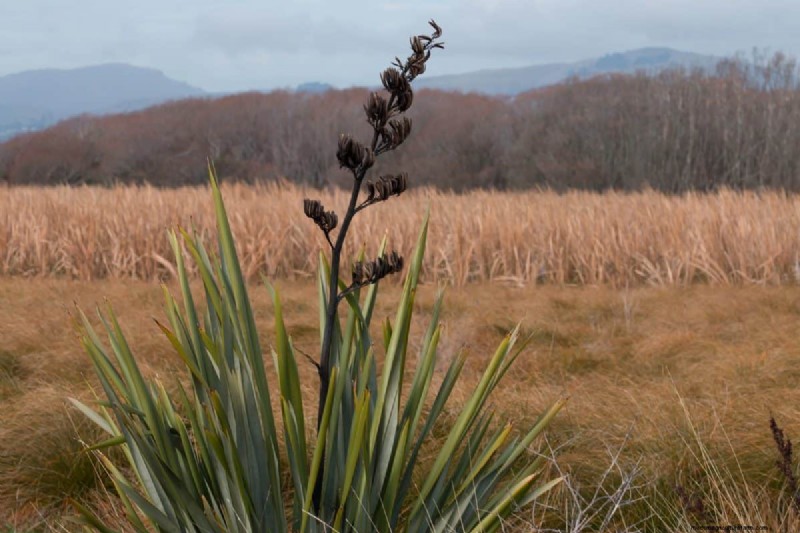
Here’s a plant with genius-level wind engineering. Those sword-like leaves aren’t just dramatic looking. They’re aerodynamic, designed to slice through wind rather than catching it like a sail.
New Zealand flax evolved along coastal cliffs where wind never stops. The leaves are tough and fibrous, holding their form even in persistent gusts that would shred softer foliage. Below ground, the root system grips soil with impressive tenacity, making this plant excellent for erosion control on windy hillsides.
The variety of sizes and colors available is wild. You can find compact cultivars or massive specimens with burgundy, bronze, yellow, or green leaves. Some even have striped patterns. This architectural quality adds year-round structure to exposed beds where more delicate plants would look ratty by July.
Staying low to the ground is smart strategy in windy places. Mugo pines get this instinctively. These compact evergreens rarely grow tall enough to catch the worst of high winds. Their naturally rounded, spreading form presents minimal resistance to gusts.
The flexible needles and branches bend easily without snapping. When you touch a mugo pine, you can feel how supple the branches are compared to stiffer conifers. That flexibility is what keeps them intact during storms that wreck more rigid plants.
Rock gardens and slopes are ideal spots for these pines. Wind often intensifies on slopes as it accelerates uphill, making them especially challenging planting locations. Mugos handle these tough sites without complaint while adding evergreen structure that looks good twelve months a year.
Don’t plant tall, top-heavy shrubs in exposed areas and expect staking to solve the problem. The stake becomes a pivot point, and the constant movement weakens roots instead of strengthening them. Choose naturally low-growing or flexible plants for windy sites from the start.
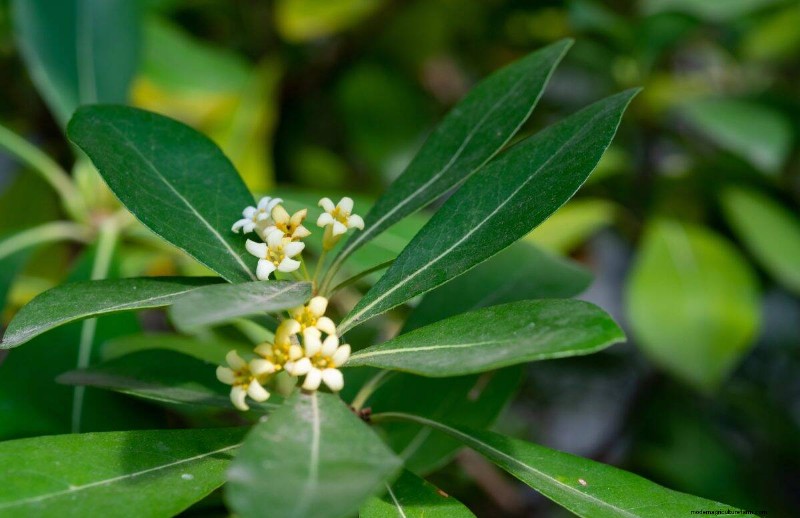
Leathery leaves might not sound glamorous, but they’re exactly what you want in wind. Pittosporum foliage has a tough, waxy texture that resists tearing. While thin-leaved shrubs end up looking like they went through a shredder, pittosporum stays intact.
The dense growth habit serves double duty. It makes the plant an effective windbreak while also helping it withstand wind itself. The branches support each other, creating a unified structure that’s stronger than the sum of its parts.
Versatility is another bonus here. You can grow pittosporum as a formal hedge, leave it as a rounded specimen shrub, or even train it into a small tree form. Those fragrant spring flowers are a sweet bonus. Many gardeners plant it and then basically ignore it because it’s tough enough to thrive without fussing.
Bayberry takes coastal abuse and asks for more. This native shrub has seen it all: salt spray, sandy soil, drought, and relentless wind. Its extensive root system anchors it firmly while those leathery leaves resist both tearing and the desiccation that wind causes.
Female plants produce those distinctive gray berries that birds love. The berries persist through winter, adding subtle texture to the landscape when everything else looks dormant. Historically, colonists used these berries to make bayberry candles, which tells you something about how abundant and accessible this plant becomes.
For windswept coastal properties where many shrubs struggle, bayberry just keeps growing. It fills in nicely, handles salt without complaint, and needs virtually no maintenance once established.

Small leaves make a huge difference in wind resistance. Japanese barberry has tiny foliage that presents minimal surface area to wind. Add in the dense, twiggy growth, and you’ve got a shrub that wind mostly passes through instead of pushing over.
The thorny branches bring security benefits beyond wind resistance. Deer avoid barberry like it personally offended them. If you’re dealing with deer pressure on top of wind exposure, this shrub solves both problems simultaneously.
Foliage color options range from bright gold to deep purple. This visual variety means you can use barberry for wind protection without defaulting to boring green masses. The fall color and persistent berries add seasonal interest that keeps the landscape engaging year-round.
This native holly flies under the radar compared to showier hollies, but that’s part of its charm. Inkberry forms a naturally dense, rounded shape without pruning. Those small, leathery leaves handle wind better than the larger leaves on other holly species.
The compact growth makes it perfect for windbreak hedges. Plant a row and you’ll create a living wall that protects more delicate plants behind it. Coastal tolerance is another strength. Sandy soils and salt spray don’t faze inkberry one bit.
Unlike many evergreens that look ragged after winter, inkberry emerges from cold seasons looking fresh. It’s one of those plants that performs reliably without drama, which is exactly what you want in challenging conditions.
Most ornamental grasses flop over in wind, creating a messy tangle that looks terrible. Feather reed grass didn’t get that memo. This grass stands rigidly upright even in conditions that flatten other varieties.
The secret is in the narrow, vertical growth pattern. Wind passes through the clump rather than pushing against it. ‘Karl Foerster’ is the gold standard variety here, famous for maintaining its column-like form from early summer clear through winter.
The wheat-colored plumes add movement to the garden on breezy days, creating that lovely rustling sound and visual dance that makes grasses so appealing. They emerge early, bloom by midsummer, and hold their form through snow and ice.
For wind-prone areas, clumping grasses give you better control and more reliable anchoring without the spread issues.
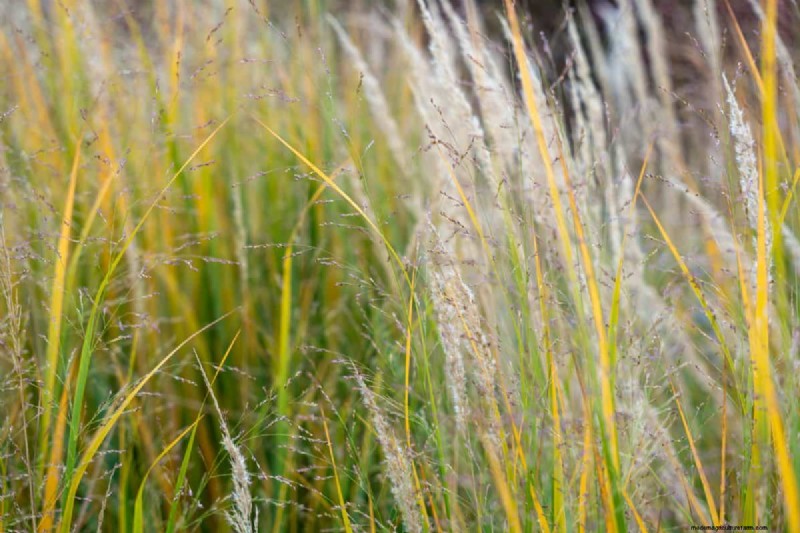
Prairie grasses evolved with wind as a constant companion. Switchgrass spent millennia adapting to the Great Plains where wind never really stops. Those flexible stems bend impressively without snapping, and the root system digs deep, creating anchorage that keeps the plant firmly in place.
The airy seed heads are genuinely beautiful. They catch light in ways that make them glow, adding movement and texture that changes throughout the day as the sun angle shifts. Even in winter, the bleached tan foliage stands attractively, providing structure when most perennials have disappeared.
Cultivars like ‘Shenandoah’ offer burgundy fall color that makes this grass a two-season performer. The upright habit stays reliable through harsh weather, rarely requiring cutting back until spring cleanup.
This is one of those plants where the movement is part of the appeal. Maiden grass sways gracefully in the breeze, creating that lovely rustling sound and visual flow that makes gardens feel alive. But don’t mistake grace for weakness. Those stems are surprisingly strong.
The showy plumes emerge in late summer and persist well into winter, providing multi-season interest that carries the garden through dormant months. Some varieties develop rich burgundy or orange fall color before fading to winter tan.
Compact cultivars like ‘Morning Light’ or ‘Little Kitten’ bring the same wind resistance in a smaller package. They’re perfect for spaces where full-size maiden grass would overwhelm, but you still need that vertical structure and wind tolerance.
Any plant that thrives in coastal salt marshes has serious wind credentials. Seashore mallow evolved in places where wind carries salt spray, creating one of the harshest growing environments imaginable. That strong taproot anchors it through storms that would uproot less adapted plants.
The pink flowers look delicate but perform reliably from midsummer through fall. That’s a long bloom period for a plant this tough, making it valuable for extended color in challenging spots.
Native plant enthusiasts appreciate seashore mallow for supporting local pollinators while handling conditions that defeat most garden perennials. It’s one of those plants that just keeps going where others fail.
Cheerful is the word that comes to mind with blanket flowers. Those bright yellow and red blooms are genuinely happy-making. But beyond the color, these perennials have flexible stems that bend without breaking when gusts blow through.
They bloom prolifically from early summer until frost. After a storm, they bounce back fast. The combination of wind tolerance and drought resistance makes blanket flower doubly valuable in exposed sites that dry out quickly. Many exposed, windy spots also tend to be hot and dry, so finding plants that handle both conditions is a win.
Deadheading encourages more blooms, but even if you forget, blanket flowers keep performing. They’re forgiving in ways that endear them to busy gardeners.
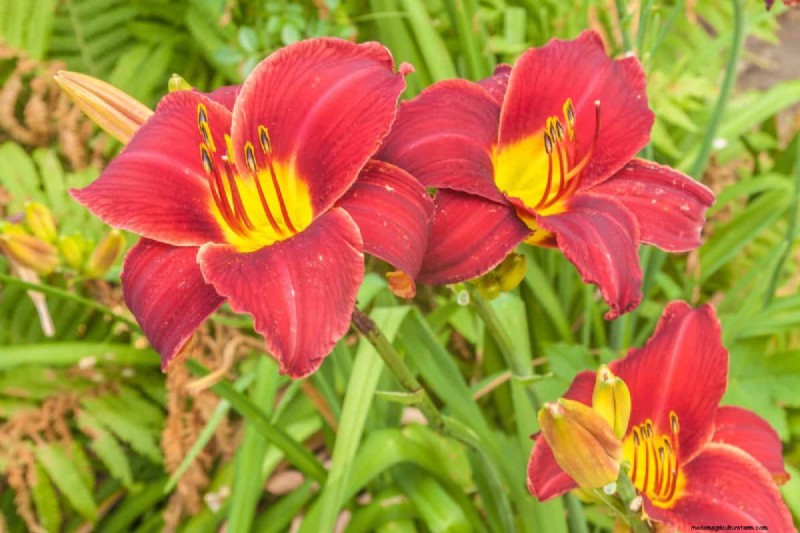
Strap-like foliage is wind-smart design. Those narrow leaves slice through gusts rather than catching them like broader leaves do. Below ground, the fibrous root system grips soil firmly, keeping plants anchored during storms.
The variety available in daylilies is almost absurd. Thousands of cultivars exist in every color except true blue. Heights range from dwarf types under a foot tall to varieties reaching three feet or more. Bloom times vary enough that you can have daylilies flowering from late spring through fall with careful selection.
Low maintenance is another selling point. Daylilies tolerate neglect better than most perennials. They’ll grow in less-than-ideal conditions, handle wind without complaint, and still put on a show year after year.
Prairie natives understand wind at a cellular level. Coneflowers evolved in the Great Plains where wind is a daily reality, not an occasional event. Those strong stems rarely flop even in exposed sites, and the deep taproot provides anchoring that keeps plants stable through summer storms.
Pollinators go crazy for coneflowers. Bees, butterflies, and beneficial insects visit constantly when these perennials bloom. After petals drop, the seedheads provide winter interest and food for finches and other seed-eating birds.
The biology here is wild: coneflowers actually become more drought-tolerant and wind-resistant as they mature. Young plants might need some establishment care, but once settled, they’re bulletproof. Many cultivars now offer colors beyond purple, including white, orange, and various pink shades.
Most roses are prima donnas that need constant attention and perfect conditions. Beach roses didn’t get that memo. These tough performers thrive in coastal gardens where hybrid teas would die within a season.
The sturdy stems and thick, leathery leaves resist wind damage far better than typical rose foliage. Salt tolerance means you can plant them right near the ocean where salt spray would burn other roses to a crisp. Those deep roots control erosion on dunes and slopes while keeping the plant anchored in loose, sandy soil.
The flowers are simple compared to fancy garden roses, but they’re fragrant and followed by large orange-red hips that persist through winter. Birds appreciate those hips as a food source when other options disappear.
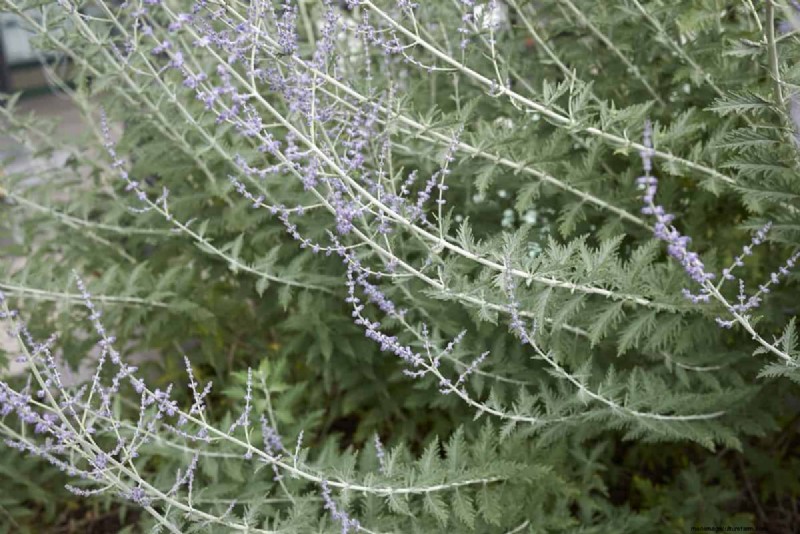
Wiry stems might look fragile but they’re exactly what you want in wind. Russian sage bends dramatically in gusts, swaying in ways that would snap stiffer plants, then springs right back when the wind dies.
This woody perennial originated in windswept Asian steppes. The airy texture allows wind to pass through rather than pushing against the plant. Those lavender-blue flower spikes bloom for months, attracting pollinators from midsummer through fall.
Deer and rabbits avoid Russian sage, which is a bonus in areas where wildlife pressure compounds other challenges. The silvery foliage adds cool-toned contrast in beds dominated by greens, and it stays attractive even when not blooming.
Spring bulbs in windy sites can be tricky, but daffodils handle it beautifully. Those narrow, strap-like leaves allow wind to pass through. The sturdy stems rarely snap even in those late-season storms that hit just as bulbs are blooming.
Naturalizing is where daffodils really shine. Plant them in large drifts across windy meadows or woodland edges and they’ll multiply year after year. The group protection effect kicks in when bulbs are massed together, each plant helping shelter its neighbors.
Deer and rodents leave daffodils alone, which makes them even more valuable in challenging sites. You can plant them and basically forget them, and they’ll keep returning reliably every spring.
Read more: What Do You Do With Dead Daffodils In The Garden?
Sword-like leaves aren’t just dramatic. They’re aerodynamically brilliant, slicing through wind instead of catching it. Yucca plants have perfected this design over millennia in harsh, wind-swept deserts.
That deep taproot anchors the plant with impressive strength. Yucca stays put in locations where shallow-rooted plants would topple. The architectural form adds year-round structure that many gardens desperately need, especially in winter when perennials disappear.
Those dramatic white flower spikes emerge in early summer, reaching several feet tall. They look delicate but stand firm even in significant wind. The flowers attract yucca moths in a fascinating pollination relationship that’s been going on for millions of years.
Australian natives come from a continent that doesn’t coddle plants. Bottlebrush species evolved in harsh conditions with high heat, low water, and persistent wind. Those narrow, leathery leaves resist both wind damage and the moisture loss that constant air movement causes.
The flexible branches bend rather than break. When gusts hit, bottlebrush sways and flexes, absorbing energy instead of fighting it. Those unique red flower spikes look like someone stuck a brush on the ends of branches (hence the name), and they’re magnets for hummingbirds.
In the right climate zones, bottlebrush provides year-round interest with minimal care. It’s one of those plants that thrives on neglect in tough spots where pampered plants would fail.
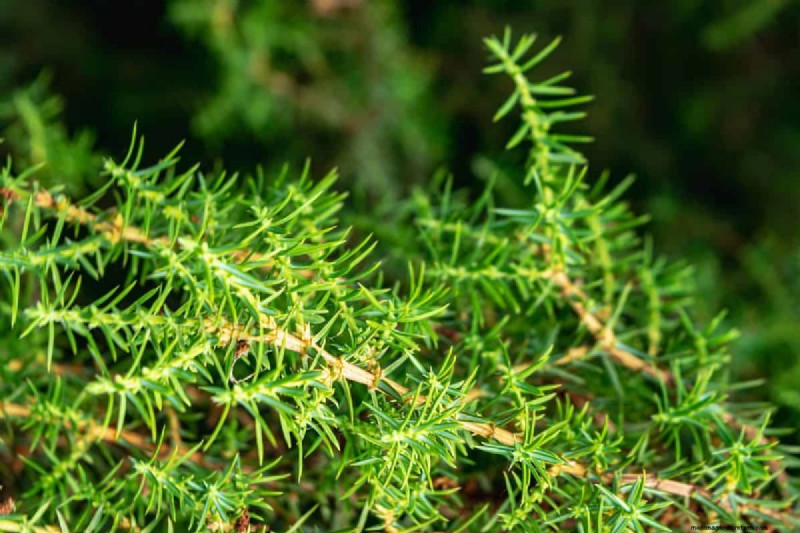
Junipers grow in some of the windiest places on Earth: exposed mountaintops, coastal cliffs, windswept plains. That tells you everything about their wind tolerance.
The scale-like or needle-like foliage offers minimal wind resistance. Air flows through and around junipers with little pushback. This efficient design means wind doesn’t batter these plants the way it would broad-leaved evergreens.
The variety available is staggering. Groundcover types spread horizontally, staying inches tall. Upright varieties form columns or pyramids. Spreading forms create mounded shapes that work in countless landscape situations. There’s genuinely a juniper for every wind-prone spot imaginable.
Drought tolerance adds another layer of usefulness. Exposed, windy sites often dry out quickly because wind accelerates evaporation. Junipers handle both wind and drought without missing a beat.
Choosing wind-resistant plants is just the beginning. You can actually arrange them to create microclimates within your garden where more delicate plants might survive. Start with the toughest plants on the windward side, then layer progressively less wind-tolerant species behind them.
Grouping plants creates that protective effect where individuals shelter each other. A single arborvitae standing alone faces the full brunt of wind. Five planted together create a buffer where the inner plants get significant protection.
Think about combining different plant types. Mix trees, shrubs, grasses, and perennials to create layered structure. The varied heights and growth habits create turbulence that dissipates wind energy rather than channeling it through your garden.
Root establishment matters more in windy sites than anywhere else. Give new plants extra attention during their first growing season. Water deeply to encourage roots to dig down rather than spreading shallowly. Deep roots anchor plants far better than shallow ones when storms hit.
These plants prove you don’t have to sacrifice beauty for toughness. Whether you’re dealing with occasional storms or relentless coastal winds, the right plant choices mean your landscape stays beautiful regardless of what the weather throws at it.


