
Welcome to Modern Agriculture!

March is when most gardeners stop planning and start doing. This single month sets the trajectory for everything that follows, which is why skipping key tasks now creates problems that echo through June, July, and August.

Quick Answer
The consensus among growers is that March tasks fall into three categories: cleanup, preparation, and early planting. Handle the cleanup first (debris, pruning, edges), then prepare beds and soil, and finally get your earliest crops started. Miss any of these and you’ll be playing catch-up until frost.
After digging through what experienced gardeners prioritize in early spring, these 20 tasks rise to the top. Some are one-time jobs. Others set systems in motion that work for you all season.
The answer is simple: prune when buds swell but before leaves break. This window happens in March for most regions, giving you a brief opportunity to shape roses, hydrangeas, and summer bloomers without sacrificing flowers.
Look for those fat buds pushing against brown bark. That’s your signal. Cut just above an outward-facing bud at a 45-degree angle. Remove dead wood first, then tackle anything crossing or rubbing.
Winter leaves gardens buried under debris. Matted leaves trap moisture. Fallen branches harbor pests. That soggy mulch against your perennials? Perfect habitat for slugs and fungal diseases.
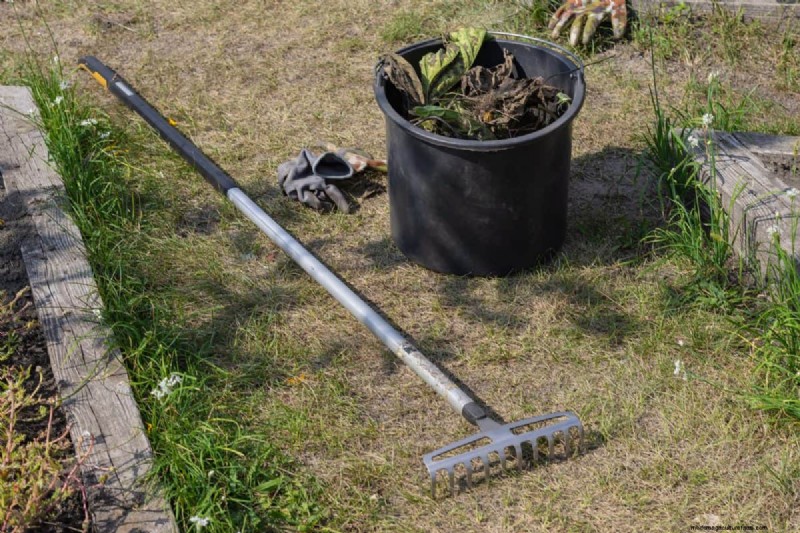
A single morning with a rake transforms beds from disease breeding grounds to clean slates. Pay attention to the forgotten spots: under shrubs, behind perennials, along foundations.
This isn’t about aesthetics. Every leaf pile you leave becomes next month’s problem when aphids and fungal spores start moving.
We'll email it to you so you can read it later!
By saving, you agree to receive occasional emails. Unsubscribe anytime.
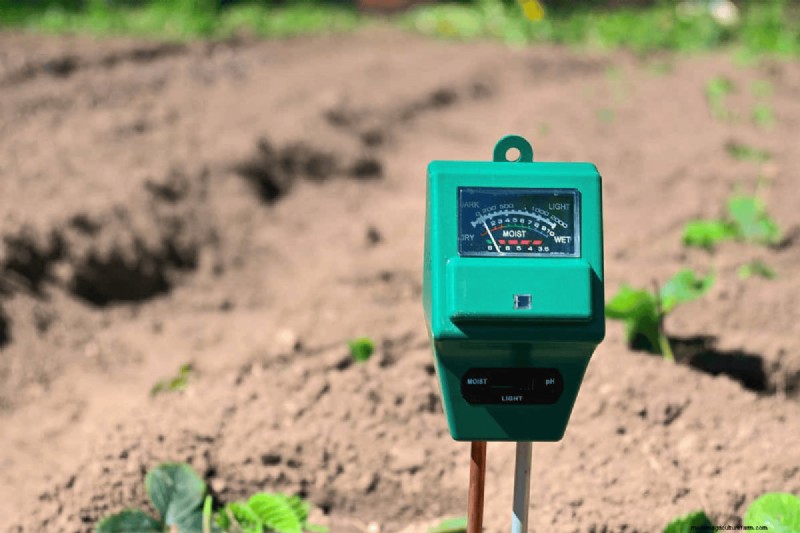
Throwing amendments at soil without testing is like seasoning food blindfolded. You might get lucky. You’ll probably waste money and create imbalances that cause more problems than they solve.
Buy a kit or send samples to your extension office. Results tell you exactly what your soil needs: lime to raise pH, sulfur to lower it, specific nutrients to address deficiencies.
March testing gives you time to make adjustments before planting. Lime takes weeks to change pH. Organic matter needs time to break down. Test now, plant right.
Those tight clumps of hostas and daylilies bloomed less last year, didn’t they? Overcrowding does that. March division fixes it and gives you free plants.
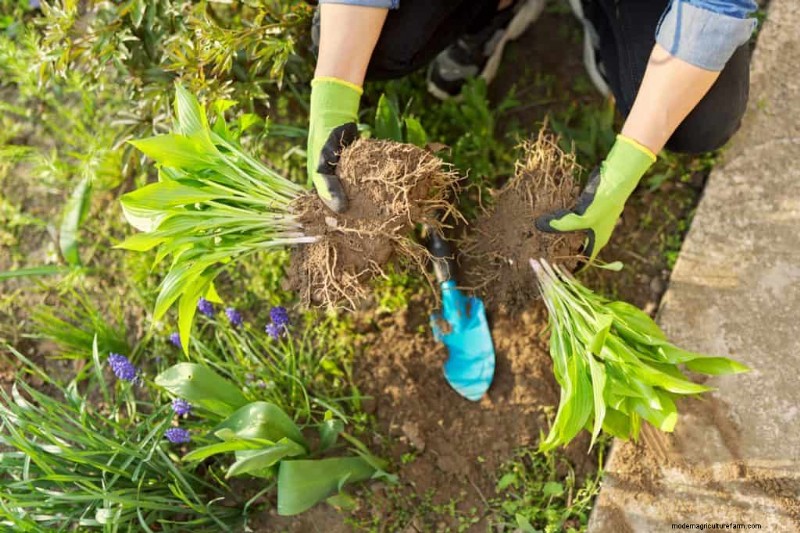
Wait for shoots to emerge about 2-3 inches. Push a sharp spade straight down through the center of the clump. Lift both halves. Each piece needs roots and growth points.
Replant at the same depth. Water thoroughly. The plant barely notices the disruption when you divide this early.
The consensus among growers is that March division produces stronger plants than fall division, especially in cold climates where fall-divided plants struggle to establish before freeze-up.Two to three inches of organic mulch applied in March blocks thousands of weed seeds from germinating and locks in the moisture from spring rains. This single task cuts summer watering and weeding in half.
Shredded bark, leaf mold, or compost all work. Pull mulch back an inch from stems to prevent rot. Water before you mulch to trap that moisture underneath.
Skip this and watch soil crack by June. Weeds will colonize bare ground faster than you can pull them.
Tomatoes need 6-8 weeks indoors before transplanting. Peppers need even longer. Starting them in March means ripe fruit in July instead of September.
Use fresh seed-starting mix, not garden soil. Plant at the depth listed on the packet. Maintain consistent moisture. Provide bright light once seedlings emerge or they’ll get leggy and weak.
Lettuce, spinach, peas, and radishes tolerate cold. They actually prefer it. Plant them in March and harvest before heat makes them bitter and bolted.
Sow directly in the garden as soon as soil can be worked. These crops handle light frosts without damage. Succession plant every two weeks to extend harvest through May.
Wait until April and you’ve missed half the season these crops give you.
Clean edges between lawn and garden beds do more than look tidy. They create a physical barrier that stops grass from creeping into planting areas all summer.
Use a half-moon edger or sharp spade. Cut straight down along bed perimeters. Remove the trench of soil and grass. Install metal edging or stone if you want a more permanent solution.
Do this once in March instead of battling grass invasion monthly from May through September.
Pre-emergent herbicides work by preventing seed germination. Apply them in March before soil temperatures trigger weed seeds to sprout, and you eliminate pulling sessions all season.
Corn gluten meal offers an organic option. Chemical pre-emergents work more reliably but require careful application.
Apply when soil temps hit 50-55°F, typically just before spring rains. Follow package directions exactly. These products don’t discriminate between weed seeds and desirable plant seeds.
Nothing kills momentum like a mower that won’t start or a trimmer that dies mid-job. March maintenance prevents these frustrations during peak season.
Change oil in gas equipment. Replace spark plugs. Sharpen mower blades. Clean air filters. Check electric tool cords for damage.
Spend an hour now or lose hours later to equipment failures when you can least afford the downtime.
Daffodils and tulips use post-bloom weeks to store energy for next year’s flowers. Fertilize them as foliage appears and you’re feeding next spring’s display.
Apply balanced bulb fertilizer around emerging shoots. Scratch it lightly into the soil surface. Water it in. Avoid high-nitrogen formulas that push leaves at the expense of bulb development.
Compacted soil suffocates grass roots. Water and nutrients can’t penetrate. Grass stays shallow and weak. March aeration fixes this before summer stress arrives.
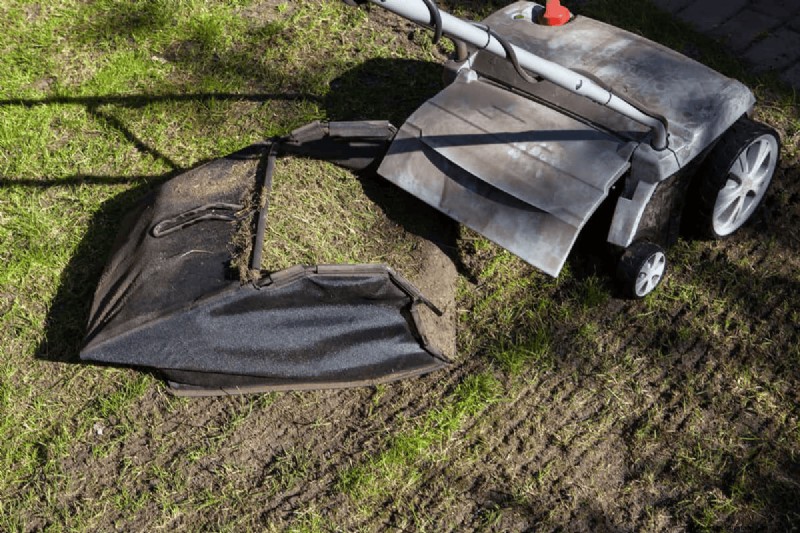
Rent a core aerator. Run it over the lawn in two perpendicular passes. Leave the soil plugs on the surface to break down naturally. They’ll add organic matter back to the turf.
Read more: Should You Aerate Before Overseeding A Lawn?
A half-inch of rain on 1,000 square feet of roof yields over 300 gallons of water. Capture that in March and you’ve got free irrigation all summer.
Position barrels under downspouts on level, stable bases. Add screens to keep debris and mosquitoes out. Install overflow hoses to direct excess away from foundations.
Plants prefer rainwater to chlorinated tap water anyway. You’re giving them what they want while cutting your water bill.
Trees that flower in summer or fall can be pruned in March without sacrificing blooms. This timing also avoids heavy sap flow in maples and reduces disease spread in oaks.
Remove dead or diseased wood first. Cut crossing branches. Shape as needed. Make cuts just outside the branch collar for fastest healing.
Do not prune spring-flowering trees like dogwoods or redbuds now. You’ll cut off this year’s flower buds.
One to two inches of finished compost spread over beds and worked into the top few inches of soil does three things: improves structure, adds slow-release nutrients, and introduces beneficial microorganisms right when spring growth begins.
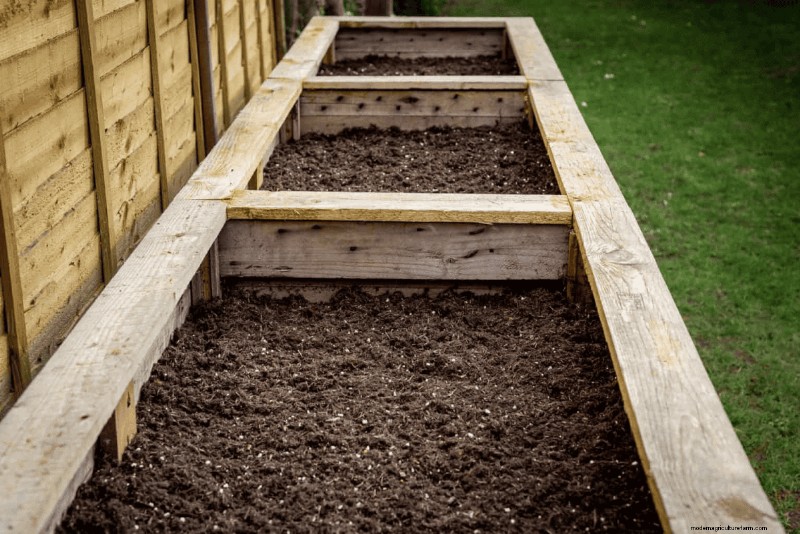
In established perennial beds, spread compost around plants without disturbing roots. Earthworms will pull it down into the soil profile for you.
March gives you warm days followed by surprise freezes. Having row covers, old sheets, or plant protectors ready saves vulnerable growth when temperatures plunge unexpectedly.
Drape covers over tender plants when frost threatens. Remove them promptly when temps rise. For small plants, overturned pots or cut milk jugs work perfectly.
The key is having materials ready before you need them, not scrambling at 10 PM when the forecast changes.
Indoor plants sense increasing daylight in March and prepare for active growth. Repotting now provides fresh nutrients and root space right when plants can use both.
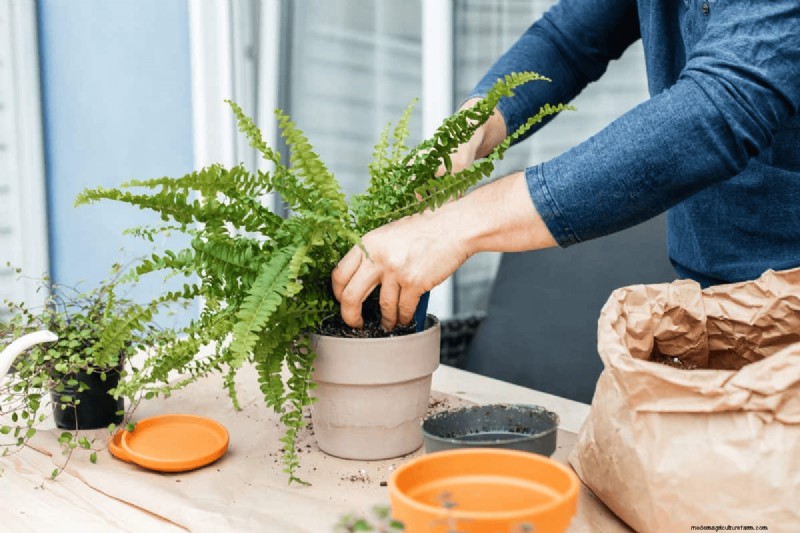
Go up one pot size, not more. Use fresh potting mix with good drainage. Water thoroughly after repotting. Hold off on fertilizing for about a month to avoid burning new roots.
Read more: 31 Secrets to Watering Houseplants the Right Way (Are You Doing It Wrong?)
Dirty tools spread disease between plants. Dull tools make work harder and damage plant tissue. March tool maintenance prevents both problems.
Wash tools in soapy water. Disinfect with 10% bleach solution. Sharpen edges with a metal file. Oil wooden handles to prevent splintering.
Sharp, clean tools make every garden task faster and produce healthier plants.
Putting trellises and stakes in place before planting or early in growth prevents damage to delicate stems later. It’s much easier to install supports in empty soil than around established plants.
Secure supports firmly. Choose materials strong enough for mature plant weight. Position them where they won’t shade other sun lovers.
Set supports now or wrestle with floppy plants and broken stems all summer.
March brings the first garden pests out of dormancy. Catching them early prevents small problems from becoming catastrophic infestations by June.
Check leaf undersides for aphids. Look for holes in emerging foliage. Inspect soil near plant bases for slugs or cutworms.
Start with the least toxic controls: handpicking, insecticidal soaps, beneficial insects. Early intervention with gentle methods beats emergency chemical applications later.
These 20 tasks aren’t busywork. Each one addresses a specific need that compounds if ignored. Cleanup prevents disease. Soil preparation ensures proper nutrition. Early plantings maximize harvest windows.
Prioritize tasks based on your specific situation. Cold climate? Focus on indoor starts and tool prep. Warm region? Get cool-season crops in the ground immediately. Every garden has different urgencies.
The growers who consistently produce abundant harvests and beautiful beds share one trait: they handle March properly. Do the same and watch how much easier April through September becomes.
For more helpful tips, check out 21 Cool-Season Vegetables to Plant in March for a Quick and Abundant Harvest!


