
Welcome to Modern Agriculture!

Introduction to Annual Flowering Plants in India: Annual plants are a great way to change the look of your garden from year to year, and they tend to have a longer flowering period compared to perennials. Annual plants sprout, bloom, produce seeds, and die all in one growing season, unlike perennials which live for more than 2 years. Annual plants live to provide quick, easy, colorful, and long-blooming colors. In this article we also covered the below topics about Annual flowering plants in India;
Generally, annual flower plants germinate, grow, and flower, set seed, and then die all in one growing season. You can also choose annuals for your garden based on characteristics other than flower color. There are tall annual plants, medium, short, or climbing; ones that prefer either full sun or partial shade; and those with special virtues, such as delightful fragrance or attractive foliage.
Flower plants from various regions are recognized for their diversity and characteristics. India is also known for its vibrant flowers. India provides thousands of flowering plants due to its varied climate conditions and colossal area. Annual flowers in India are not only beautiful, but they also carry religious and cultural significance. They use flowers to decorate their cultural and religious activities and their affection for their gods. These beautiful Annual flowers are found throughout the year in India.
You can plant some annuals from seed. There is a method known as “direct sowing” where you plant your seeds in the garden. The top seeds to try this are zinnias, marigolds, sunflowers, and nasturtiums. Also, by planting annual flowers from seed you can grow some unique varieties that the nurseries don’t sell as starts, and a seed packet is way cheaper than a bunch of 4-inch or cell packs.
Annual flowers should be in the ground or pots as soon as possible after being purchased. And don’t purchase annuals bursting at the seams of their plastic pots or let them outgrow the pots as this weakens and stresses them. Also, when selecting annuals in the store look for young plants not flowering as they will acclimate better to their newly planted location. Water the plants immediately and thoroughly after planting even if rain is expected. A lot of energy is spent on setting buds and blooming, so even if annuals are in organically rich soil, they still appreciate being fed every month with a water-soluble organic fertilizer. Annual plants are also thirsty because they aren’t blessed with a deep root system so even water-conscious annuals bloom better with regular water. When the soil feels dry about 1 inch below the surface, it’s time for a drink. Annuals are a great way to change the look of a garden from year to year, and they tend to have a longer flowering period than perennials.
Not all annuals are equal and they are typically subdivided into three groups:
Hardy or cool-season annuals – Hardy or cool-season annuals thrive in the cool to moderate temperatures of early spring and fall and can tolerate exposure to light frost without being protected. Hardy annual plants are those that can stand the coldest and can tolerate cold soil, cool air, and light frosts without being damaged.
Tender or warm-season annuals – Tender or warm-season annuals, such as marigolds and petunias, are native to tropical or subtropical climates and require heat to grow and thrive, often growing poorly during cold weather conditions. To ensure their survival, it’s best to wait until the late spring season to add these plants to your garden beds or containers. Tender annuals require both warm soil and warm air temperatures to grow well. These are best put out on or a few weeks after the frost-free date when both soil and air temperature levels warm.
Half-hardy annuals – Half-hardy annuals are common and fall in the middle-of-the-road. They tolerate a wide range of temperature levels, including periods of cooler weather near the beginning or end of the gardening season. These can tolerate cool soils and cool air but are damaged by frost.
Annual flower plants grow quicker and bloom longer. Annuals come in a multitude of colors and another of the benefits to growing annuals also stems from their short lives. Annual blooms are bright. The plants need to attract pollinators and they don’t have time to waste. You can count on filling up empty beds quickly and then dramatically with annuals, mixing colors and heights to create the palate you want.
Annual flower plants are not expensive. Annuals cost less compared to perennials, whether you buy them as seeds or seedlings. Then, that makes sense when you consider that perennial roots live for two or more seasons. But it also means that for a lot less money, you can fill the garden with bright annual blooms. And change your color design year after year.
Annual flowers are those that live for only one growing season before producing seeds and dying. Then, this means that these flowers live and die all in the same year. This allows you to try out different flowers to see what you like best. Also, it allows you to keep a variety in your garden every season. These blooms tend to grow fast and then flower for a long time. Annuals flower throughout the entire season, but are sensitive to different climates. Popular annual flowers include Petunias, Marigolds, Zinnias, and Impatiens, etc.
#1 Marigold
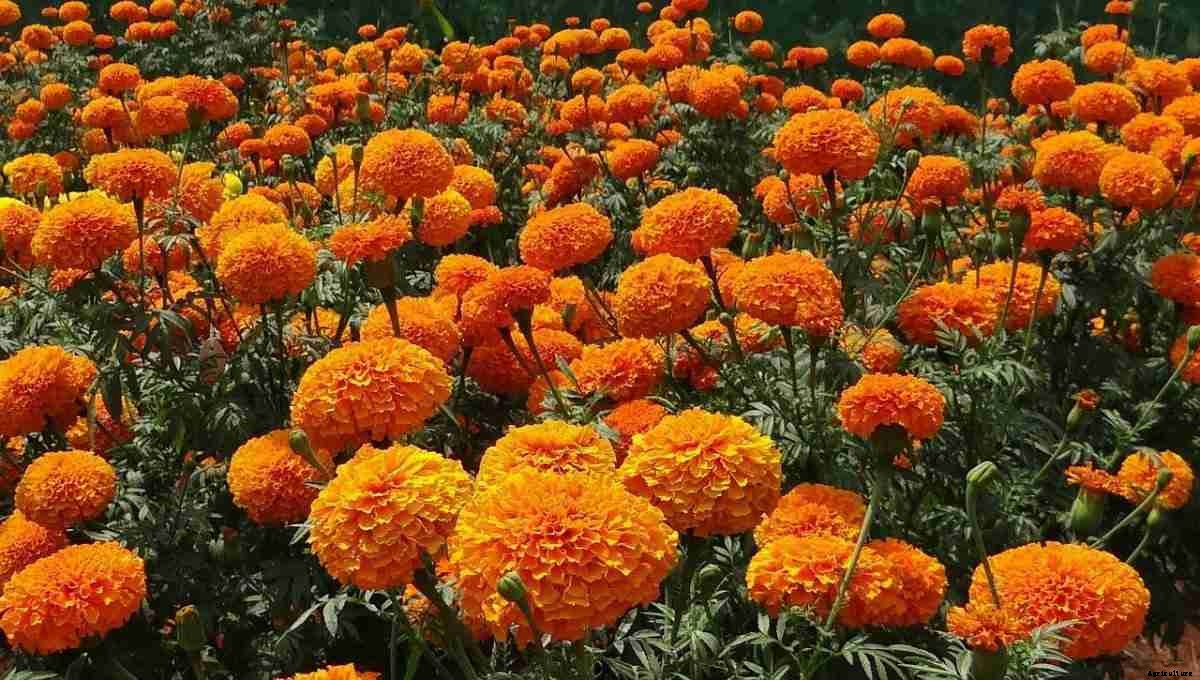
Marigolds are one of the easiest to cultivate due to their wide adaptability. The plants with their attractive yellow-orange color flowers bloom for long period. Marigold plants are very prolific and easy to grow an annual flower. Give them full sun and well-draining soil and watch them bloom from late spring until the fall season.
Most marigold plants prefer to be located in an area with full sun but will tolerate some shade. During times of extreme heat conditions, some afternoon shade is beneficial. It is best to water marigold plants at the base of the plant and not from overhead. The densely double flower heads will tend to rot with excess moisture. Allow the soil to dry somewhat between watering, but do water regularly in high heat or dry weather conditions. Marigolds growing in containers must be watered daily as containers dry out quickly. Marigold plants are one of the most popular annual flowers.
#2 Geranium Cranesbill
Cranesbills are also known as hardy geraniums, are perennial species of the Geraniaceae family. This beautiful plant is very easy to grow and can thrive in almost any soil. It favors dark, moist, and humus-rich soil that is slightly moist and drains well not soggy or heavily saturated. Cranesbills mainly prefer the light shade provided by high treetops and will do well in areas with part shading or full morning sun. Once grown, they require minimum care and regular watering.
#3 Cosmos
A delightful annual, the plant is about 50 to 120 cm tall and bears Rose, Pink, Crimson, Purple, and white large flowers with yellow center on long stalks. It is a genus consisting of flowering plants in the sunflower family. Cosmos are annuals with colorful flowers that sit atop long and slender stems. The plant leaves grow opposite on the stems and are either deeply lobed, pinnate, or bipinnate and feathery, depending on the species.
#4 Salvia
The Salvia plants may be tall or dwarf and bushy. Salvia is heat- and drought-tolerant, making them survivors in the summer garden. They grow about 18 inches to 5 feet tall, depending on the variety. Salvia plants also grow well in containers. Take care when choosing salvia plants, because not all plants are hardy in all regions; some are best treated as annuals, but perennial varieties are also available.
#5 Chrysanthemum
Chrysanthemum plant is the best 365 flowering plant in India and then blooms lots of beautiful flowers. Propagated this plant in 10 to 12 inches flowering pot and this needs proper sunlight on daily basis. When buds are visible add liquid fertilizer to the plant once a week. After every 15 to 20 days adds liquid fertilizer. It is a member of the Compositae family and is available in a wide range of colors, shapes, and sizes.
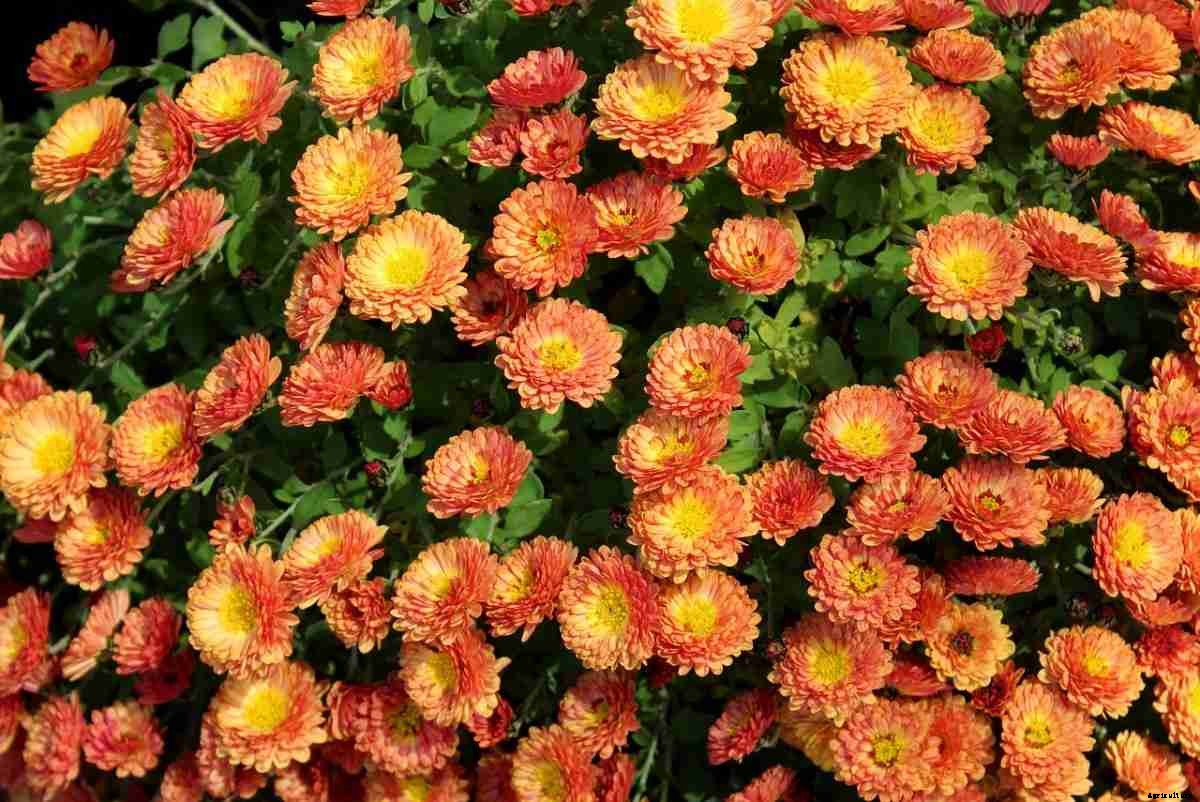
Chrysanthemum flowers are two different types of florets. They are ray and disc florets. Ray florets are traditional as the petals, while the disc florets create the center buttons. When the florets are all clustered together, and they give us what we know and love as a mum bloom. Mums prefer a sunny spot in the landscape. Chrysanthemums will grow in partial shade but can get leggy when reaching for sunlight.
#6 Hibiscus
The Hibiscus flower is also famous as rose mallow, is known for its vibrant and beautiful flowers in white, yellow, and red shades. It blooms all year, making it an excellent upgrade to the garden. This flower can be used to decorate a home or garden, but they are also used medicinally. Hibiscus plants are known for their show-stopping big beautiful flowers that come in a different variety of colors.
Growing hibiscus plants need plenty of nutrients and use either slow-release or water-soluble fertilizers but make sure the nutrients are balanced. For example, use a 20-20-20 or 10-10-10 fertilizer. You can use a diluted liquid fertilizer once a week or a slow-release fertilizer 4 times a year means early spring; after the first round of blooming; mid-summer; and early winter season. Though hibiscus plants are more demanding than some other common flowers, learning the basics of hibiscus plant care isn’t challenging, and the colorful blooms are well worth the additional effort. The initial principle of hibiscus plant maintenance is to water them with warm water when it comes to sunlight, hibiscus plants like a lot of it. The more visible sunlight they get, the better they’ll grow; and aim for at least 8 hours of direct sunlight a day.
#7 Ixora
Ixora plant exists in a range of colors, including red, yellow, and neon orange, and proliferates with little effort. While planting an Ixora bush, it needs very little care. The Ixora plant has oval-shaped, shiny, leathery leaves that are rigid. Ixora plant grown in the full sun produces the most delicate flower displays. Growing an Ixora bush needs well-drained soil with a mild to mildly acidic pH level. Ixora plants are easy to grow plant; a beginner can easily propagate this plant. A potting mix of the Ixora plant will be like an equal portion of sand, vermicomposting, soil.
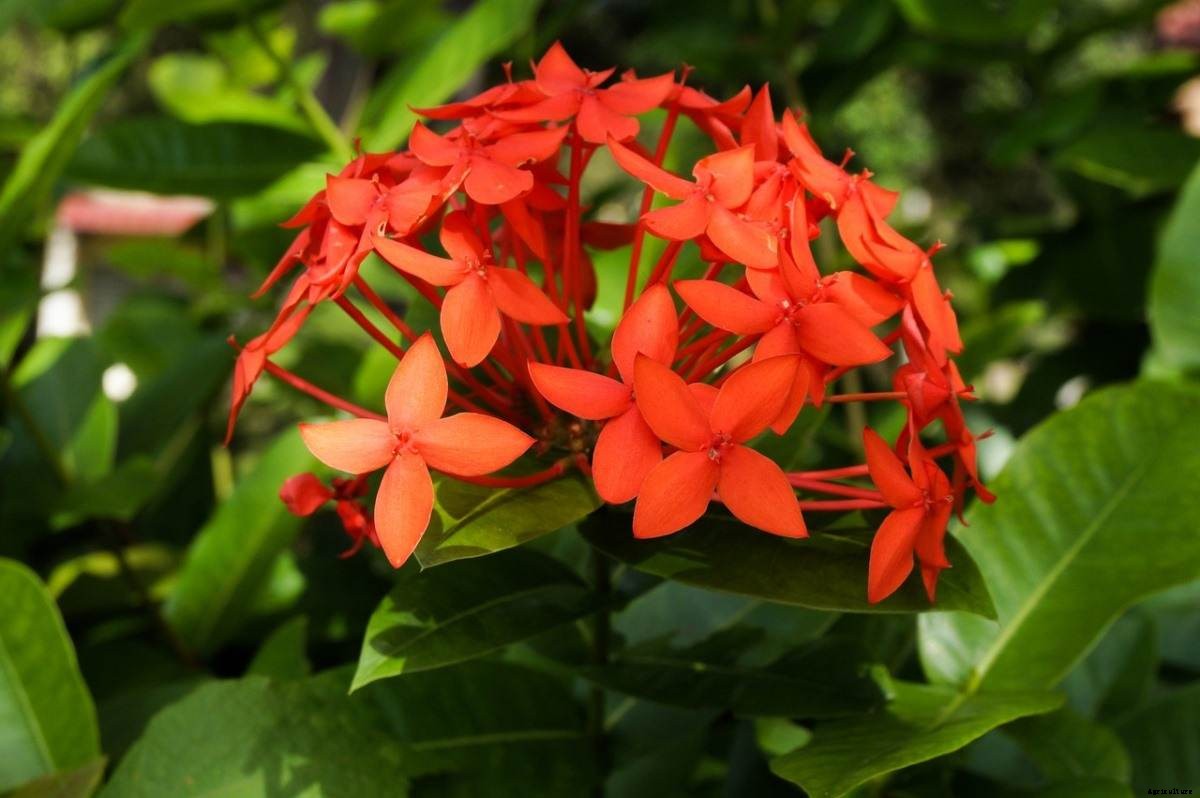
Ixora plant is a tropical to semi-tropical evergreen shrub. The plant is grown as an annual in temperate and cooler climate conditions. Started and grown year-round indoors, Ixora plants feature large clusters of red, yellow, white, or orange color flowers that emerge like puffballs from the evergreen leaves continuously throughout the year. Also, Ixora plants need good airflow to avoid black sooty mold, which can dull their shiny leaves and eventually affect the plant’s growth. Ixora plants like bright light, so put them somewhere in the home where they can get at least eight to 10 hours of sunlight a day. Keep them away from harsh direct rays in the summer season, which can dry out and burn the leaves if you’re not careful. For the healthiest Ixora plant possible, plant it in a soil mixture that is rich in organic matter. Additionally, Ixora plants love soil that has a slightly acidic pH level between 5.5 to 6.5.
#8 Cockscomb
Cockscomb is very popular and easy to grow to branch annual. It mainly produces feathery flower spikes in a pyramidal fashion resembling Ostrich-plumes, in various colors of golden yellow, silver red, and orange. Cockscomb is a common garden plant of the amaranth family (Amaranthaceae). Cockscombs are tender perennials but are grown as annuals in cooler climates. The cockscomb flower can also be fat and spiky little plant, growing in colors other than the vibrant red. This cockscomb is called plume celosia (Celosia plumosa). This is useful in garden borders or planted between taller plants in the garden to add a spike of color near ground level.


