Some annuals are especially easy to grow. Learn how.
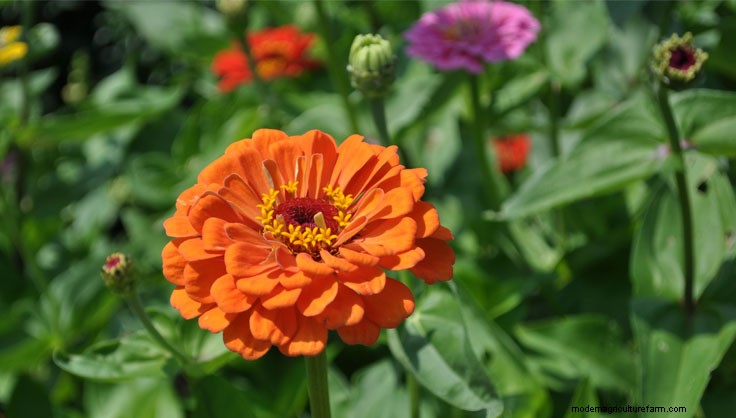
Easy Annuals to Start from Seed
Start these outdoors, right in your garden where you want them to grow. This technique is often called "direct-sowing." There's little if any advantage planting them indoors. Most (except sweet peas, sweet alyssum, poppies and larkspur) are tender annuals and should not be sown until after danger of frost.
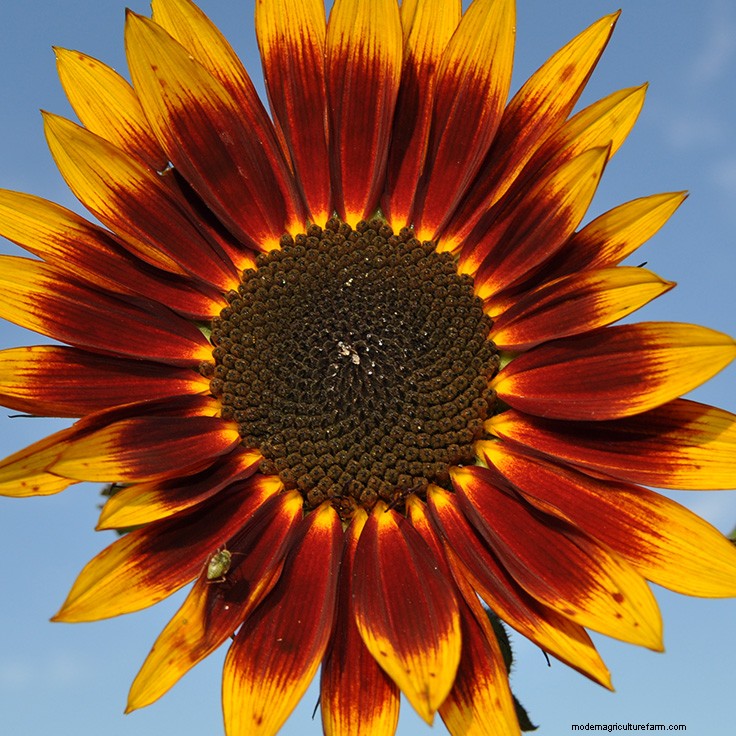
- Sunflower
- Marigold
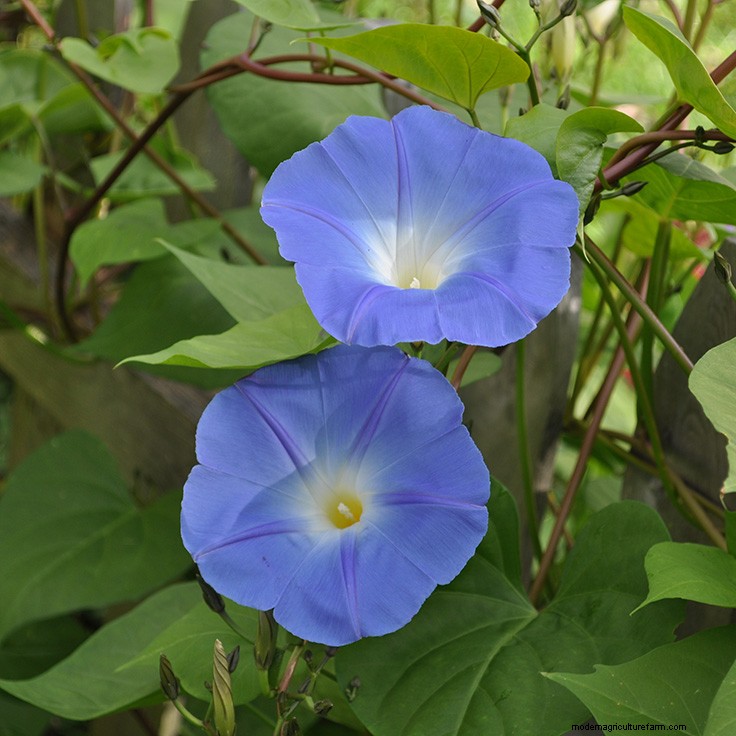
- Morning glory
- Bachelor button
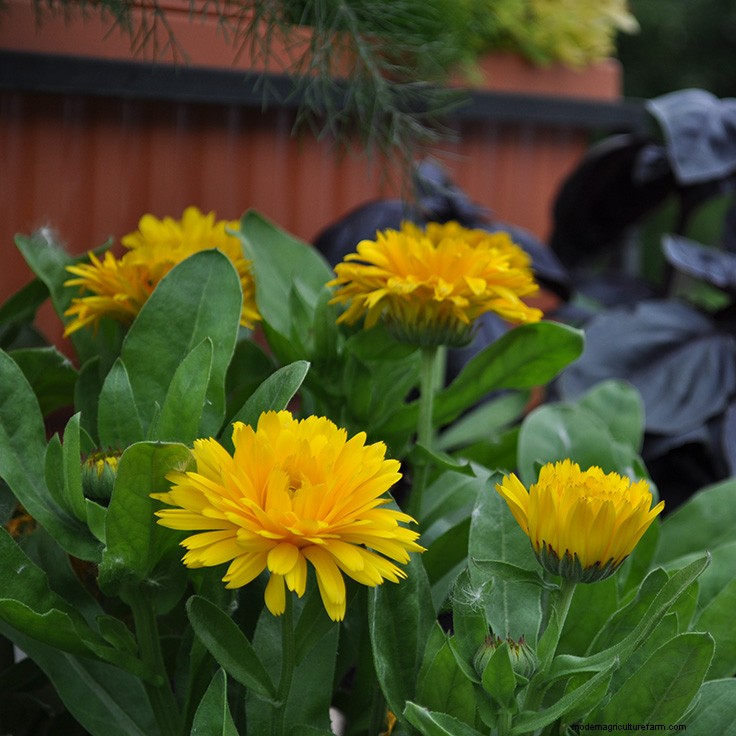
- Calendula
- Castor bean
- Cosmos
- Nasturtium
- Sweet pea
- Sweet alyssum
- Larkspur
- Annual poppy
- Ammi majus
- Zinnia
- Hyacinth bean
Plant these seeds indoors, under lights, six to eight weeks before transplanting into the garden. Especially small seeds (including nicotiana, petunia and snapdragon) should be broadcast on a small seed tray. Once the seedlings have their first true leaves, carefully tease them apart and transplant into separate growing cells.
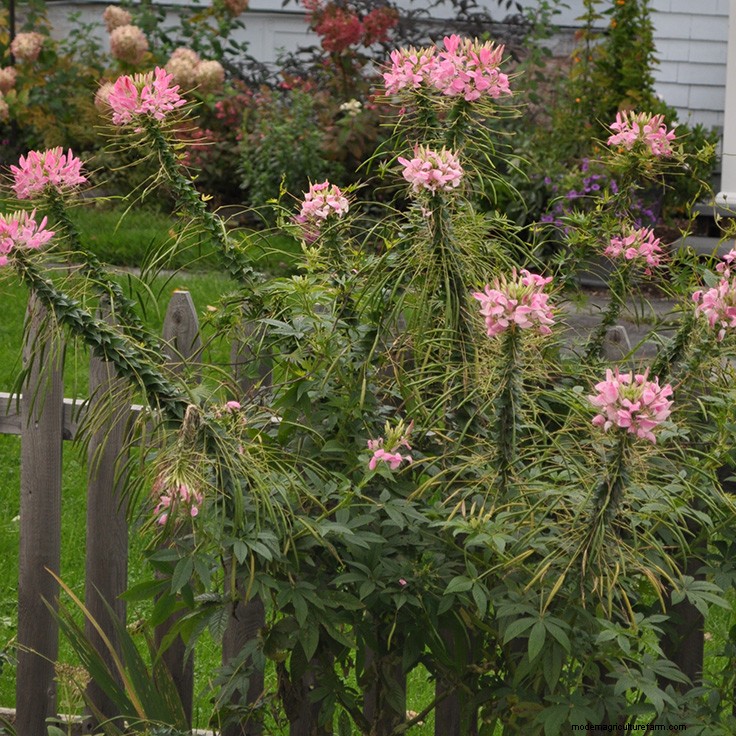
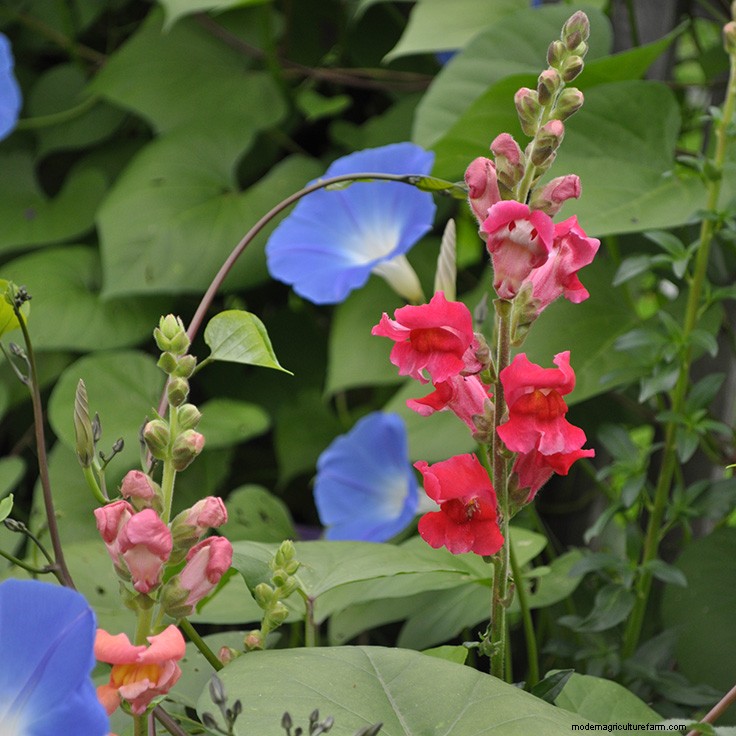
- Cleome
- Coleus
- Snapdragon
- Ageratum
- Amaranth
- Nicotiana
- Lavatera
- Petunia
- Impatiens
- Salvia
- Statice
Related Articles: How to Start Seeds
Growing Under Lights
Types of Annuals—Hardy to Tender
Hardy Annuals
- Bachelor button
- Calendula
- Spider flower (cleome)
- Pinks (dianthus)
- Forget-me-not (myosotis)
- Pansy (viola)
- Larkspur (Delphinium consolida)
- Linaria
- California and Shirley poppies (papaver)
- Love-in-a-mist (nigella)
- Pincushion flower (scabiosa)
- Snapdragons (antirrhinum)
- Lavatera
- Annual baby's-breath (Gypsophila elegans)
- Stock
- Sweet pea (Lathyrus odoratus)
Half-Hardy Annuals
- Statice
- Marigold
- Nicotiana
- Painted-tongue (Salpiglossis sinuata)
- China aster (Callistephus chinensis)
- Various types of salvias and chrysanthemums
Tender Annuals
- Morning glory
- Zinnia
- Coleus
- Sunflowers and tithonia (Mexican sunflower)
- Cosmos
- Amaranth
- Ageratum
- Celosia
- Gomphrena (globe amaranth)
There was a day when I grew all my own annual flowers from seed — as many as 25 different varieties. Though my garden is now smaller and my ambition has mellowed a bit, I still start many flowers from seed. Here's why:
Say you want to plant a 12-foot row of zinnias along your walk, or put 40 white impatiens in your shade garden. Buying these plants at your local nursery will probably set you back at least $50, whereas a packet of seeds will run you about $4. That's an extra $46 to spend on some other gardening essentials!
Another reason I start annuals from seed is that even the best garden centers don't offer some of the most worthy garden annuals. To make sure I always have love-lies-bleeding (Amaranthus caudatus), Nicotiana langsdorfii, Phlox drummondii, Salvia horminium, lavatera (Lavatera trimestris) and other favorites, I always start them myself.
Most annual flowers are easy to grow from seed. The real challenge is figuring out when and where you should plant the seeds. All too often, people find themselves at home with a stack of colorful seed packets and no idea where to begin.
I don't know why it is, but seed packets rarely provide the basic seed starting information a gardener needs to know. The packet usually won't tell you whether the seeds should be started indoors under lights, or should be planted right in the garden. You won't be told if the seeds need light or darkness to germinate, or if the seedlings are frost hardy. These days, with so many unusual varieties available from seed, you may also wind up purchasing seeds for something exotic, like the Himalayan blue poppy (Meconopsis betonicifolia) that even a highly experienced gardener would have difficulty bringing into flower.
To ensure your success right out of the gate, start with some of the super-easy seeds listed at the top. Give yourself a year or two with these foolproof favorites before you venture into growing some of the more challenging annuals in the next list.
No matter what kinds of annuals you grow, here are a few things you might want to know before getting started (if you haven't grown plants from seed before, be sure to read How to Start Seeds):
- What size are the seeds? This may seem like a peculiar concern, but if you're going to plant your flower seeds directly into the garden, or put individual seeds into peat pots, the seeds need to be large enough to handle. Dust-like seeds (such as petunias and snapdragons) will get lost if you try to direct-sow them (plant them right into the garden). The seeds in the "easy" list at right, are all one-eighth inch or larger.
- Are there any special germination requirements? Though most seeds prefer to germinate in darkness, some require the lights on. Sometimes seeds (such as lupines, sweet peas and morning glories) have very tough seed coats and should be soaked or nicked before planting. Some seeds will also take their time germinating. While most will be up in four to seven days, for some it's normal to take three to four weeks to get going.
- How rapidly will the seedlings grow? This is a tricky one because growth rate is genetically programmed, but is also influenced by growing conditions. Plants grow much more rapidly in an 80-degree greenhouse than under a grow light in a cool basement. Some annuals, such as impatiens, will be a good size for transplanting when they're about eight weeks old. But if you start your zinnias eight weeks before transplanting, they'll be root-bound and too tall by the time they go into the garden. Most gardeners sow fast-growing annuals, such as sunflowers, bachelor buttons, calendulas, zinnias and nasturtiums right into the garden. I agree that it's not worth the trouble to grow these seeds indoors for just three to four weeks, and also run the risk of transplant shock.
- How long will it take from germination to bloom? The seed packet should tell you how many "days to bloom", which means how long it takes from germination to flowering. If you have a short growing season and the packet says it will be 80 or 90 days to bloom, you will need to start the seeds indoors if you want to see them flower for a couple weeks before frost. The easiest annuals to start from seed (see list at right) usually come into flower very quickly, often blooming just 50 to 70 days after planting.
- How cold-hardy are the plants? Seeds of hardy annuals can be planted directly in the garden as early in the spring as the soil can be worked. Once the seeds have germinated, the young plants will usually tolerate a light frost and temperatures down to about 25 degrees F. Half-hardy annuals can be started indoors six to eight weeks before transplanting, or planted right in the garden once the soil has begun to warm up. Most will tolerate a light frost, but be prepared to protect young seedlings if temperatures drop. Tender annuals can be sown directly in the garden, but only after all danger of frost has passed. These cold-sensitive seeds can also be sown indoors four to six weeks before the last spring frost date. Transplant into the garden when you are confident that nighttime temperatures will stay above 40 degrees F.
If you are interested in starting lots of annual flowers from seed, consider investing in a seedstarting reference, such as Eileen Powell's excellent book: The Gardener's A-Z Guide to Growing Flowers from Seed to Bloom. This book describes more than 500 different types of flowers and how to grow them. You'll find important information about germination requirements, plant hardiness, time to bloom, etc. The more you know, the better you'll grow.


